Quick Navigation
- Why Breakfast Burrito Meal Prep is a Game-Changer
- Your Step-by-Step Blueprint for Breakfast Burritos Meal Prep
- Choosing the Best Ingredients: A Freezer-Friendly Guide
- Common Breakfast Burrito Meal Prep Problems (& How to Fix Them)
- Sample Breakfast Burrito Meal Prep Recipes to Get You Started
- Nutrition & Customization: Making It Work for Your Diet
- Frequently Asked Questions About Breakfast Burritos Meal Prep
Let's be honest, mornings can be chaos. The alarm screams, you hit snooze one too many times, and suddenly you're scrambling. The idea of cooking a decent breakfast feels like a luxury you can't afford. You grab a granola bar or, worse, skip it entirely, and by 10:30 AM your stomach is staging a full-blown protest. I've been there more times than I care to admit. That's exactly why I became obsessed with breakfast burritos meal prep. It wasn't just about saving time; it was about reclaiming my mornings and starting the day with something satisfying, not just sugary.
This isn't about fancy culinary skills. It's about a simple system. A few hours on a Sunday can set you up for a whole week (or more) of delicious, grab-and-go breakfasts. The beauty of a freezer-friendly breakfast burrito is its sheer versatility and durability. We're talking a complete, portable meal you can reheat in minutes. Whether you're feeding a busy family, trying to stick to a health goal, or just tired of spending $8 on a mediocre breakfast sandwich, this guide is for you. I'll walk you through everything—from choosing the right ingredients that actually freeze well (some don't, trust me) to the wrapping techniques that prevent freezer burn, and the reheating methods that bring them back to life perfectly.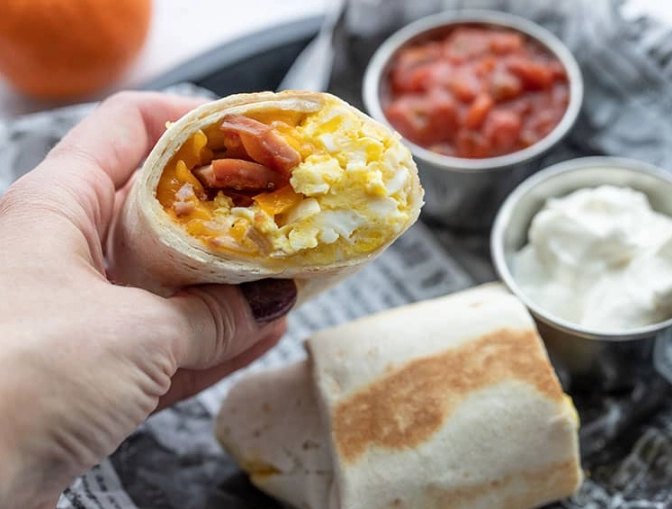
Think of this as your masterclass in morning meal prep. We'll cover the why, the how, and the what-if's, so you can build a breakfast burritos meal prep routine that fits your life perfectly.
Why Breakfast Burrito Meal Prep is a Game-Changer
Before we dive into the flour tortillas and scrambled eggs, let's talk about the payoff. Why go through the effort? For me, it started out of desperation during a particularly hectic work project. The benefits, however, kept me hooked long after.
First, there's the obvious time savings. You exchange one chunk of time (a Sunday afternoon) for dozens of saved minutes on weekday mornings. That's time you can use to sip your coffee in peace, get in a quick workout, or just avoid the frantic rush. Then there's the financial angle. The cost per homemade burrito is a fraction of any drive-thru or café breakfast. You control the ingredients, which leads to the biggest benefit for many: health. No more mystery meat or sodium bombs. You pack in the veggies, choose lean proteins, and manage portions.
But a benefit no one talks about enough is decision fatigue reduction. You don't have to think about breakfast. It's just there. One less decision to make before 8 AM is a genuine mental relief. And for households, it's a unifying force—everyone can grab their preferred burrito (more on customizing later) and go.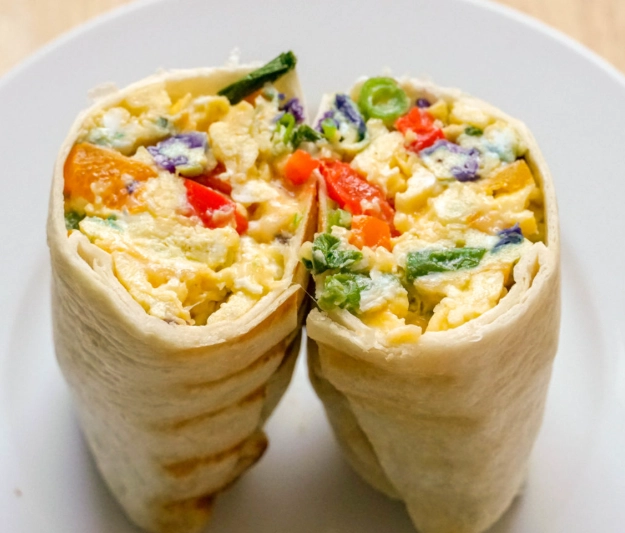
Your Step-by-Step Blueprint for Breakfast Burritos Meal Prep
Okay, let's get practical. Here's the core process, broken down. Don't worry about getting it perfect the first time. Like any good system, you'll tweak it to your taste.
Phase 1: Planning & Shopping
Fail to plan, plan to fail, as they say. Start by deciding how many burritos you want to make. A standard batch for me is 8-12. Then, choose your core formula. Every great breakfast burrito has a few key components:
- The Foundation (Tortilla): Large flour tortillas (10-inch) are the standard—they're flexible and hold up well. For a lower-carb option, whole wheat or carb-balance tortillas work, but they can sometimes tear more easily when frozen. For a gluten-free breakfast burritos meal prep, corn tortillas are an option, but they're smaller and less pliable; you might make tacos instead.
- The Protein Power: This is your scrambled eggs (the classic), but also consider adding cooked sausage (drained of fat), crumbled bacon, black beans, pinto beans, shredded chicken, or even ground turkey. Cook all meats thoroughly and let them cool completely before assembling. Excess moisture and heat are the enemies of freezing.
- The Veggie Boost: This is where you need to be strategic. You want flavor and nutrition, not sogginess. Avoid high-water-content veggies like raw tomatoes, zucchini, or mushrooms unless you cook them down first to remove moisture. Great choices include sautéed onions and bell peppers (let them cool!), spinach (wilted and squeezed dry), corn kernels, and canned green chiles (drained well).
- The Flavor & Binding Agent (Cheese & Sauce): Shredded cheese like cheddar, Monterey Jack, or pepper jack melts beautifully and helps hold things together. For sauce, be cautious. Sour cream and salsa can make things icy and separate. A better bet is a smear of refried beans, a drizzle of enchilada sauce, or mixing a bit of hot sauce into the eggs.
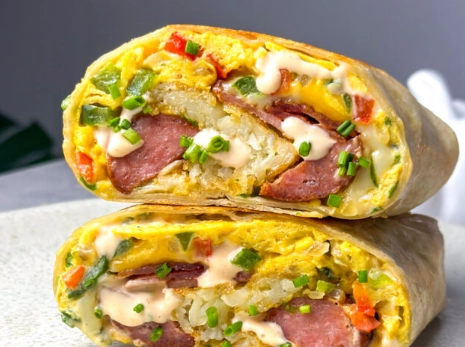
Phase 2: Cooking & The All-Important Cool Down
Cook each component in batches. Scramble a big pan of eggs, but take them off the heat just before they're fully set, as they'll cook more when reheated. Brown your sausage or bacon. Sauté those peppers and onions. The golden rule here? Let everything cool to room temperature. I mean it. If you assemble with warm ingredients, you'll create steam inside the wrap. That steam will turn to ice crystals in the freezer, leading to a soggy tortilla upon reheating. Spread your cooked ingredients on baking sheets or large plates to speed up cooling. Patience is key.
This is the part where I usually clean the kitchen, so the cooling time doesn't feel wasted.
Phase 3: Assembly Line Efficiency
Set up a station: tortillas, a bowl of each cooled ingredient, cheese, a spoon for each, and your wrapping materials. I use a combination of parchment paper and aluminum foil, but more on that in a second.
- Lay a tortilla on a square of parchment paper (cut to size). This prevents sticking.
- Add your fillings slightly off-center, closer to the bottom edge. Don't overstuff! This is the most common mistake. A heaping ¾ cup of filling is plenty.
- Fold the bottom edge up over the filling, then fold in the sides, and roll tightly away from you.
- Wrap the burrito snugly in the parchment paper. Then, wrap it tightly in aluminum foil. The foil protects against freezer burn, and the parchment prevents the tortilla from sticking to the foil. Label the foil with the contents and date using a permanent marker. “Sausage & Pepper” or “Veggie Black Bean” saves guesswork later.
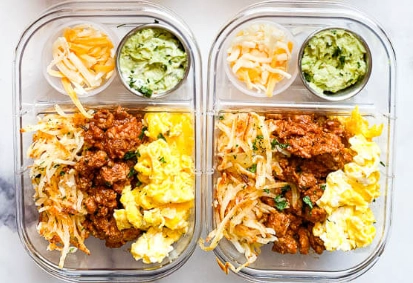
Phase 4: Freezing & Reheating for Perfection
Place the wrapped burritos on a baking sheet, not touching, and flash-freeze for 1-2 hours. This sets their shape and prevents them from freezing into one giant clump. Once solid, you can transfer them to a large freezer bag or airtight container to save space. They'll keep well for 2-3 months, though they're usually gone much faster in my house.
How do you reheat a frozen breakfast burrito without a soggy or rubbery result?
This is the million-dollar question. The microwave is the fastest but riskiest method. If you must, remove the foil (important!), keep the parchment on, and microwave on 50% power for 2-3 minutes, flipping halfway. The best method, hands down, is the oven or toaster oven. Preheat to 375°F (190°C). Remove foil, keep parchment, and bake for 25-35 minutes directly on the rack, until heated through. The tortilla gets crispy, and the inside heats evenly. For an air fryer, 350°F for 12-15 minutes works wonders. The goal is to drive out the moisture that freezing introduced.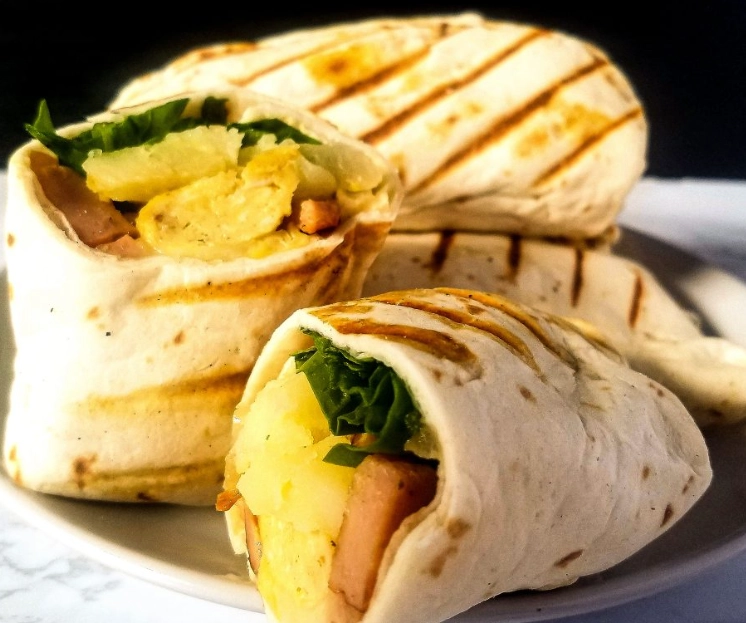
Choosing the Best Ingredients: A Freezer-Friendly Guide
Not all ingredients are created equal when it comes to freezing. Here’s a quick-reference table to guide your breakfast burritos meal prep choices. This is the knowledge I wish I had when I made my sad, soggy spinach burrito.
| Ingredient Category | Best Choices (Freezes Well) | Use with Caution | Avoid for Freezing |
|---|---|---|---|
| Protein | Scrambled eggs (slightly undercooked), cooked & crumbled sausage/beef/turkey, cooked bacon, black beans (drained/rinsed), pinto beans, shredded chicken. | Tofu (must be pressed & crumbled very well). | Runny eggs (like sunny-side up), soft cheeses like fresh mozzarella or goat cheese (they separate). |
| Vegetables | Sauteed onions/peppers (cooled), corn kernels, canned green chiles (drained), wilted & squeezed spinach/kale, roasted potatoes (cubed, par-cooked). | Mushrooms (must be cooked down thoroughly). | Lettuce, fresh tomatoes, cucumber, raw zucchini, avocado/guacamole (will brown and get mushy). |
| Dairy & Sauces | Shredded cheddar, Monterey Jack, pepper jack. Refried beans as a “glue”. | Small dollop of cream cheese mixed in. Hot sauce mixed into filling. | Regular sour cream, fresh salsa/pico de gallo, mayonnaise, alfredo sauce. |
| Tortillas | Standard 10" flour tortillas, whole wheat tortillas. | “Carb-conscious” tortillas (may dry out). | Fresh, thin corn tortillas (crack). |
See the pattern? Moisture is public enemy number one. Anything that releases water when frozen and thawed will ruin the texture. For ingredients like avocado, add them fresh after reheating. A little extra step for a huge payoff in taste and texture.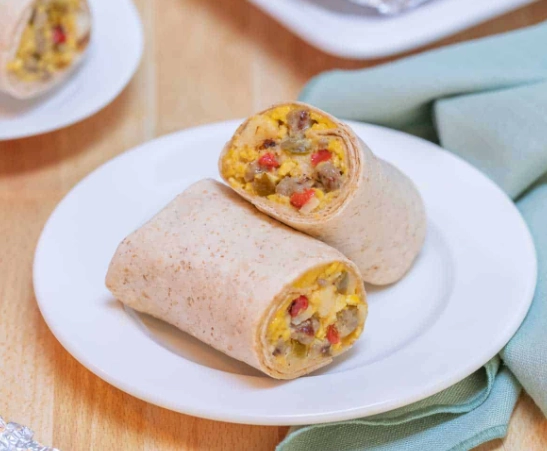
Common Breakfast Burrito Meal Prep Problems (& How to Fix Them)
Even with the best plan, things can go sideways. Here are solutions to the most frequent issues I've encountered and seen others ask about.
The Burrito is Soggy After Reheating
This is almost always a moisture issue. Causes: 1) Ingredients weren't cooled before assembly. 2) High-water veggies were used. 3) It was reheated in the microwave on full power, steaming itself. Fix for next time: Cool all components. Choose freezer-safe veggies. Salvage attempt: Unwrap a soggy burrito, crisp the tortilla in a dry skillet, then re-fill.
The Tortilla Cracks or Tears When Frozen/Rolled
Some tortillas dry out. Solution: Lightly warm your tortillas before assembling (10 seconds in the microwave wrapped in a damp paper towel). This makes them pliable. Also, don't overfill. If a tortilla cracks after freezing, it was likely too dry to begin with; try a different brand.
The Burrito Tastes “Freezer Burned” or Bland
Freezer burn means air got in. Wrap tighter with foil. Blandness means underseasoning. Season each component well while cooking—eggs, beans, potatoes all need salt, pepper, and spices (cumin, chili powder, garlic powder) individually. Don't just rely on the cheese for flavor.
It's Still Cold in the Middle After Reheating
You're reheating from frozen too quickly. The outside gets hot while the icy core remains. Use a lower power setting in the microwave and extend the time, or better yet, use the oven/toaster oven method which provides gentle, even heat. For a quick fix, slice a cold-center burrito in half before microwaving to expose the middle.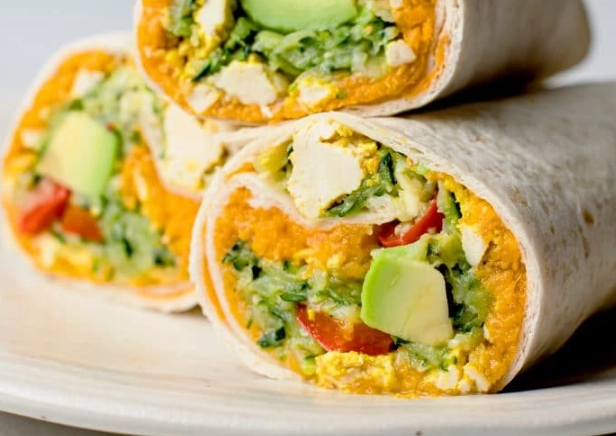
Sample Breakfast Burrito Meal Prep Recipes to Get You Started
Don't know where to begin? Here are two foolproof formulas—one classic, one vegetarian. These yield about 8 burritos each. Scale as needed.
The Classic “Southwest” Breakfast Burrito
- Protein: 8 large eggs, scrambled with a splash of milk. ½ pound breakfast sausage, browned and drained.
- Veggies: 1 bell pepper and 1 onion, diced and sautéed until soft. 1 (4 oz) can diced green chiles, drained.
- Extras: 1 cup shredded sharp cheddar cheese. ½ cup cooked hash browns or diced roasted potatoes (optional for extra heartiness).
- Seasoning: 1 tsp cumin, ½ tsp chili powder, salt & pepper to taste. Add to eggs or veggies.
- Assembly: On each tortilla, layer eggs, sausage, veggie mix, potatoes (if using), and cheese. Roll, wrap, freeze.
The “No-Meat” Powerhouse Vegetarian Burrito
- Protein: 8 large eggs, scrambled. 1 (15 oz) can black beans, rinsed and drained.
- Veggies: 1 cup frozen corn, thawed. 2 cups fresh spinach, wilted in a pan and squeezed VERY dry in a clean kitchen towel. 1 red bell pepper, diced and sautéed.
- Extras: 1 cup shredded pepper jack cheese. ½ cup prepared salsa verde (choose a thick one).
- Seasoning: 1 tsp smoked paprika, 1 tsp garlic powder, salt & pepper.
- Assembly: Spread a thin layer of beans on tortilla. Top with eggs, corn, spinach, peppers, cheese, and a small drizzle of salsa verde. Roll, wrap, freeze.
Nutrition & Customization: Making It Work for Your Diet
One of the best parts of DIY breakfast burritos meal prep is total control over what goes in. Here’s how to tailor them to different dietary goals.
For Lower Carbs: Use low-carb tortillas (like Mission Carb Balance or similar). Increase the egg and protein portion, and load up on low-starch veggies like peppers, spinach, and mushrooms. Skip potatoes and beans.
For Higher Protein: Add an extra egg white or two to your scramble. Use a combination of meats and beans (e.g., turkey sausage + black beans). Consider adding a scoop of plain, unflavored protein powder to your scrambled egg mixture—it sounds weird, but it works and doesn't affect taste much if you use a quality brand.
For Dairy-Free: Skip the cheese or use a dairy-free shred that melts decently (Violife or Chao are good options). Use oil for sautéing instead of butter. Ensure any pre-cooked sausage is dairy-free.
It's always a good idea to consult reliable resources for nutritional guidelines. For example, the USDA's MyPlate guidelines can help you visualize a balanced meal, ensuring your burrito has a good mix of protein, grains (the tortilla), and vegetables. For specific food safety questions related to cooking and storing eggs and meats, the USDA Food Safety and Inspection Service website is an authoritative source.
Honestly, the customization is endless. Make a few different fillings and let your family build their own. It turns meal prep into a fun activity.
Reader Comments