Quick Navigation
- Before You Chop a Single Vegetable: Your Meal Prep Foundation
- Your Weekly Healthy Lunch Meal Prep Blueprint: Two Methods
- 5 Foolproof Healthy Lunch Meal Prep Recipes to Start With
- Sample 5-Day Healthy Lunch Meal Prep Plan
- Answers to Your Biggest Healthy Lunch Prep Questions (The FAQ)
- The Realistic Side: Common Pitfalls & How to Avoid Them
- Making It Stick: The Long-Term Mindset
Let's be honest for a second. How many times have you stared into the sad depths of the office fridge, wishing you'd brought something better than a soggy sandwich or, worse, resigned yourself to another overpriced, underwhelming takeout salad? I've been there more times than I care to admit. That mid-afternoon slump after a carb-heavy lunch isn't just a myth—it's a direct result of not fueling your body right.
That's where the magic of healthy lunch meal prep comes in. It's not about spending your entire Sunday chained to the kitchen. It's not about eating bland chicken and broccoli every single day. It's about taking back control, saving a surprising amount of money, and finally giving your body the good stuff it needs to power through the day.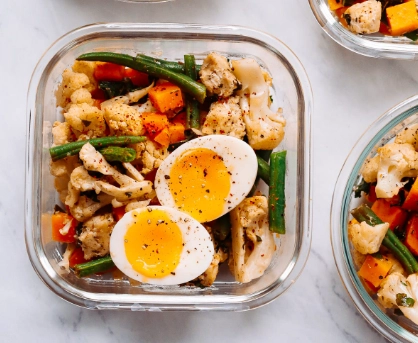
Before You Chop a Single Vegetable: Your Meal Prep Foundation
Jumping in without a plan is the fastest way to get overwhelmed and give up. Trust me, I've thrown away many a wilted lettuce because I bought with enthusiasm but prepped with none. Let's set you up for success from the get-go.
The Non-Negotiable Gear (You Probably Own Most of It)
You don't need a kitchen remodel. Focus on these essentials:
- Containers are King: This is your most important purchase. Get a set of good-quality, leak-proof, BPA-free containers in a few sizes. I prefer glass because it doesn't stain and goes from fridge to microwave easily, but good BPA-free plastic works if you're on a budget. Having uniform containers stacks neatly in the fridge—a small but deeply satisfying victory.
- A Sharp Chef's Knife: Dull knives are dangerous and make prep a chore. One good 8-inch knife will handle 90% of your tasks.
- Big Sheet Pans & A Large Pot: For roasting veggies and proteins in bulk and cooking grains like quinoa or rice in one go.
- Optional but Game-Changing: A rice cooker (set-and-forget perfection), a slow cooker or Instant Pot for hands-off braises and soups, and a good set of measuring cups/spoons for dressings.
Planning Your Healthy Lunch Menu: The Mindset Shift
The goal isn't to create five different gourmet restaurant meals. The goal is to create a template that you can mix and match. Think of your lunch box as having compartments (literally or figuratively):
- A Protein: Keeps you full. (Grilled chicken, baked tofu, hard-boiled eggs, lentils, chickpeas).
- Plenty of Veggies: For fiber, vitamins, and volume. (Roasted broccoli, raw bell pepper strips, spinach salad, zucchini noodles).
- A Healthy Carb (optional but helpful): For sustained energy. (Quinoa, brown rice, sweet potato, whole-wheat pasta).
- A Flavor Bomb: This is the secret. A great sauce, dressing, or sprinkle that ties it all together and prevents boredom. (Lemon-tahini dressing, pesto, salsa, a sprinkle of feta or nuts).
Plan one protein, two veggie options, one carb, and one or two sauces. From that, you can build several distinct lunches. This is the core strategy of any sustainable meal prep for lunch routine.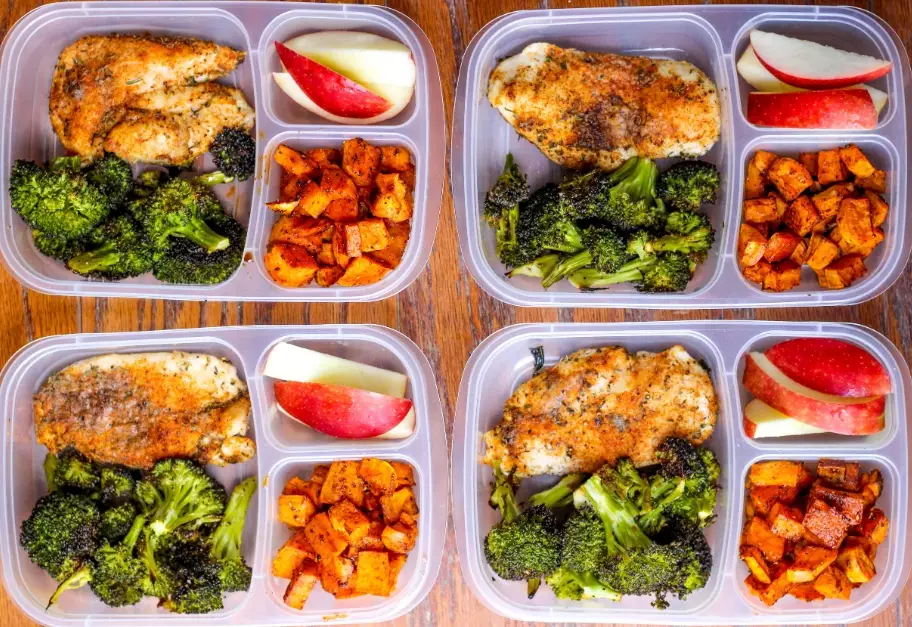
Your Weekly Healthy Lunch Meal Prep Blueprint: Two Methods
There's no one right way. Your personality and schedule will dictate which method works best. I've burned out on both and now blend them.
The Batch & Build Method (The Classic)
This is what most people picture: cook big batches of each component on Sunday and assemble lunches each morning or the night before.
How it works: Roast two trays of different vegetables (e.g., cauliflower and Brussels sprouts). Cook a big batch of a protein (like a pound of ground turkey seasoned with taco spices). Cook a pot of quinoa. Make a big jar of vinaigrette. Store each component in its own container. Each day, grab a lunch container and add a scoop of each.
Pros: Maximum flexibility. You're not locked into one meal. If you get sick of quinoa, you can skip it for a day. It's also great for families with different tastes.
Cons: Requires more containers and daily assembly. Some components (like greens) can wilt if prepped too early.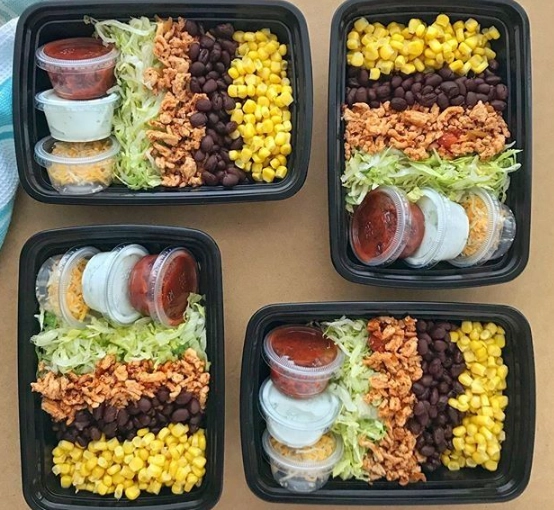
The Assemble & Go Method (Grab-and-Go Portions)
Here, you prepare complete, pre-portioned meals in individual containers right after cooking. They are ready to grab from the fridge or freezer.
How it works: Make a big pot of chili, lentil soup, or a hearty salad like a quinoa black bean bowl. Immediately divide it into five equal portions in your lunch containers. Lid them and stack them.
Pros: Incredibly convenient. Zero thought required during the week. Perfect for soups, stews, and casseroles that often taste better after a day or two.
Cons: Less flexibility. You're eating the same exact meal all week. Texture can suffer for some items (crispy things get soft).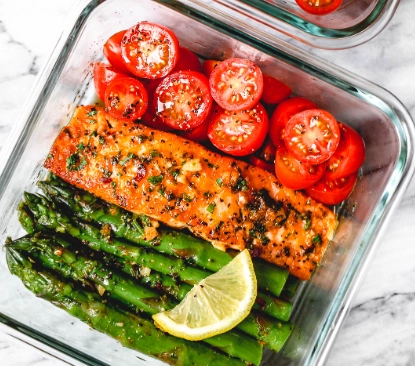
My hybrid approach? I batch-prep the core components (protein, roasted veg, grain) and use them to make 2-3 full assembled meals for Monday-Wednesday. Then on Wednesday night, I quickly whip up something different for Thursday and Friday, like a big batch of tuna salad or use leftovers from dinner. It breaks up the monotony.
5 Foolproof Healthy Lunch Meal Prep Recipes to Start With
These are my workhorses. They're simple, hold up well for days, and cover a range of flavors so you don't get bored.
The Ultimate Grain Bowl Formula
This isn't one recipe, it's a formula for infinite combinations. The structure is key for an easy lunch prep.
- Base (1 cup): Quinoa, brown rice, farro, or mixed greens.
- Protein (½ cup): Shredded rotisserie chicken, chickpeas, black beans, baked salmon flakes, or sliced hard-boiled eggs.
- Veggies (1-2 cups): A mix of roasted (sweet potato, broccoli) and raw (shredded carrots, cherry tomatoes, snap peas).
- Healthy Fat (1-2 tbsp): Avocado slices (add daily), nuts, seeds, or a cheese like feta or goat cheese.
- Dressing/Sauce: A generous drizzle of your chosen flavor. Try a cilantro-lime crema, a ginger-sesame dressing, or a simple lemon-olive oil mix.
Prep the base, protein, and roasted veggies in bulk. Store the raw veggies and fats separately. Assemble the morning of for best texture.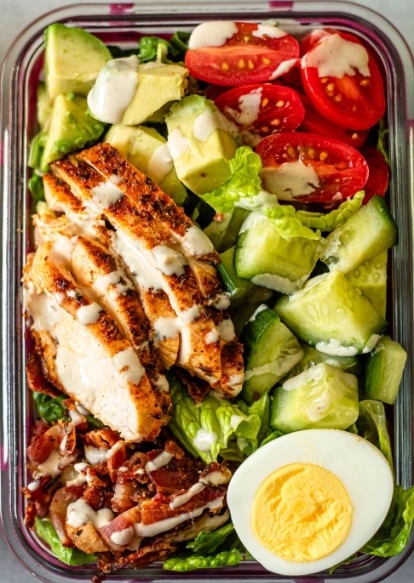
“No-Cook” Protein Mason Jar Salad
Perfect for when you can't face turning on the oven. The layering in a jar is crucial—it keeps the greens crisp.
Layer from bottom to top:
1. Dressing (2 tbsp).
2. Hard veggies (chopped cucumber, bell peppers, carrots).
3. Softer veggies/beans (cherry tomatoes, chickpeas, corn).
4. Protein (canned tuna, rinsed canned beans, pre-cooked shrimp from the store).
5. Greens (spinach, arugula, romaine) – fill to the top.
6. Toppings (nuts, seeds, cheese) in a tiny bag on the side.
When ready to eat, shake vigorously or dump into a bowl. The dressing coats everything perfectly. Make 3-4 of these on Sunday.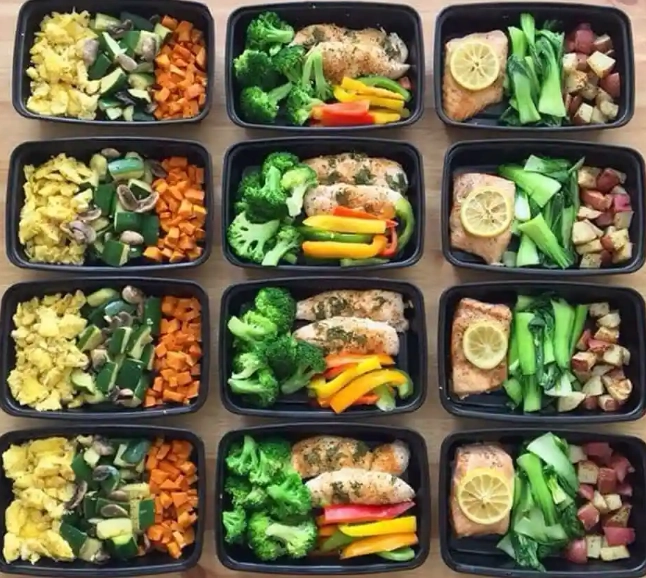
The Freezer-Friendly Savior: Hearty Lentil & Vegetable Soup
A lifesaver for busy or cold weeks. Soups freeze beautifully. The Harvard T.H. Chan School of Public Health notes lentils are a fantastic source of plant-based protein and fiber, making this soup incredibly filling.
Sauté onions, carrots, and celery. Add garlic, 1 cup dried brown or green lentils (rinsed), 6 cups vegetable broth, a can of diced tomatoes, and dried herbs (thyme, oregano). Simmer for 30-40 mins until lentils are tender. Stir in a few handfuls of spinach at the end. Portion into containers. Freeze what you won't eat in 4 days.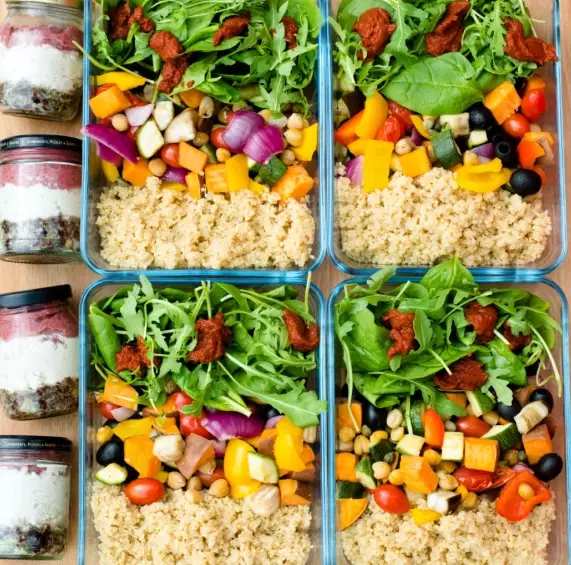
Sample 5-Day Healthy Lunch Meal Prep Plan
Here’s a concrete example of what a week using the Batch & Build method could look like. This plan assumes about 1.5-2 hours of active prep on a Sunday afternoon.
| Day | Lunch Idea | Components Prepped Ahead |
|---|---|---|
| Monday | Southwest Quinoa Bowl | Cooked quinoa, taco-seasoned ground turkey, roasted bell peppers & onions, black beans, salsa, lime wedge. |
| Tuesday | Mediterranean Chickpea Salad | Base of pre-chopped romaine & cucumber, canned chickpeas, cherry tomatoes, kalamata olives, feta, lemon-oregano vinaigrette. |
| Wednesday | Bento Box | Hard-boiled eggs, hummus, carrot & celery sticks, whole-wheat pita, berries. (Mostly no-cook!) |
| Thursday | Leftovers from Wednesday's Dinner | Intentionally cook extra dinner protein (like salmon) and veggie side to pack for lunch. |
| Friday | Hearty Lentil Soup (from freezer) | Pull a container from the freezer on Thursday night to thaw in the fridge. |
See? Only Monday and Tuesday's lunches required dedicated “prep.” The rest uses clever shortcuts and leftovers. This is a realistic, sustainable approach to healthy lunch meal prep.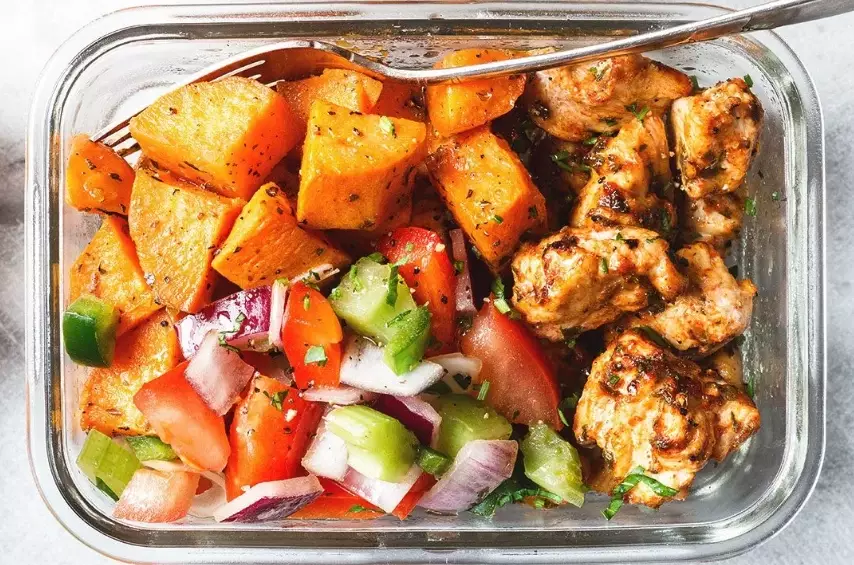
Answers to Your Biggest Healthy Lunch Prep Questions (The FAQ)
The Realistic Side: Common Pitfalls & How to Avoid Them
Let's not sugarcoat it. You might stumble. I did. Here's what usually trips people up.
Pitfall 1: Over-ambition. You see a gorgeous Pinterest board and decide to make five different elaborate meals. You burn out by 9 p.m. on Sunday and swear off meal prep forever. Fix: Start with ONE recipe. Just one. Maybe it's a big pot of soup and a simple sandwich filling. Next week, try two. Build the habit, not the perfect Instagram grid.
Pitfall 2: Not accounting for dinner. If you cook a big dinner, use it! That's the easiest meal prep for lunch hack there is. When you're making roasted chicken and veggies, just roast more. Pack the extras immediately. It takes 2 minutes and lunch is done.
Pitfall 3: Forgetting snacks. A great lunch can be undone by a 10 a.m. vending machine run. While you're prepping, wash and portion some fruit, make a batch of energy balls, or bag up some nuts and dark chocolate chips. Having healthy snacks prepped stops the hunger-driven bad decisions.
Making It Stick: The Long-Term Mindset
Healthy lunch meal prep isn't a weekly performance. It's a system you integrate into your life. Some weeks you'll nail it. Some weeks, life will happen, and you'll buy a salad. That's okay. The goal is progress, not perfection.
Think of the benefits beyond the lunch itself: the mental space freed up from not deciding “what's for lunch?” every day, the financial savings (which can be substantial—easily $50-$75 a week for one person), and the quiet confidence that comes from knowing you're nourishing your body well.
Start small. Be kind to yourself. Find a method that fits your real life, not the life you see on social media. Your body, your wallet, and your 3 p.m. self will thank you for it.
Now, go look at your calendar. Block out 90 minutes this coming Sunday. Pick one recipe from above. Give it a shot. You've got this.
Reader Comments