Your Lunch Prep Roadmap
- Why Bother With Meal Prepping Your Lunches?
- The Building Blocks of a Great Prepped Lunch
- Simple & Actually Tasty Healthy Lunch Recipes for Meal Prep
- Your Realistic Weekly Meal Prep Plan (It Only Takes 90 Minutes)
- Gear You Actually Need (And What You Don't)
- Answering Your Biggest Meal Prep Questions
- Leveling Up Your Lunch Prep Game
Let's be honest. The midday lunch scramble is the worst. You're staring into the fridge at 12:30 PM, hungry and maybe a little hangry, faced with the same sad options. Do you order expensive takeout again? Grab a processed snack from the vending machine? Or just skip it altogether? I've been there more times than I care to admit.
That feeling right there? That's exactly why I finally got serious about healthy lunch recipes meal prep. It wasn't about becoming a Pinterest-perfect health guru. It was pure survival. I was tired of wasting money, feeling sluggish by 3 PM, and making poor food choices just because I was unprepared.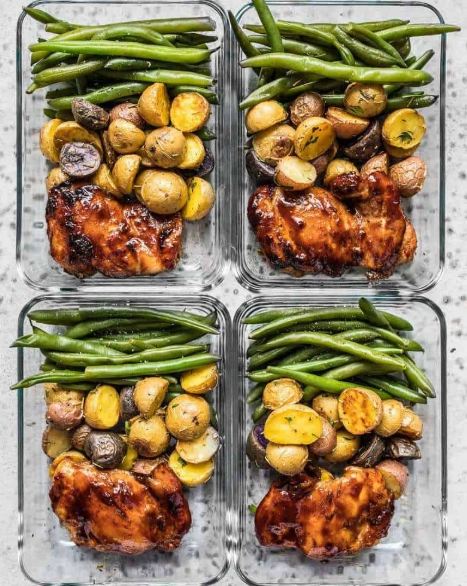
The good news? It's way simpler than those overly complicated YouTube videos make it seem. You don't need a hundred containers or a whole free Sunday. This guide is going to walk you through the real, practical way to make healthy lunch meal prep work for your actual life. We'll cover simple recipes that actually taste good by Thursday, a realistic plan that won't eat up your weekend, and answers to all the little questions that usually trip people up (like, how do you keep the avocado from turning brown?).
Why Bother With Meal Prepping Your Lunches?
Before we dive into the how, let's talk about the why. Because if the reason isn't strong enough, you won't stick with it. For me, it came down to three big things.
First, the money. I added up my receipts from a month of buying lunch out, and let's just say it was a wake-up call. We're talking hundreds of dollars that could have gone towards, well, anything else. Preparing your lunch at home is almost always cheaper, even if you're buying nice ingredients.
Second, control. When you prep your own healthy lunch recipes, you know exactly what's in your food. No hidden sugars, excessive sodium, or mystery oils. You can tailor everything to your dietary needs and taste preferences. Want more protein? Less carbs? No dairy? It's all up to you.
And third, the mental load. Making one big decision on a Sunday about what you'll eat all week eliminates a hundred small, stressful decisions during the workweek. The food is just there, ready to go. That peace of mind, especially on a busy morning, is priceless.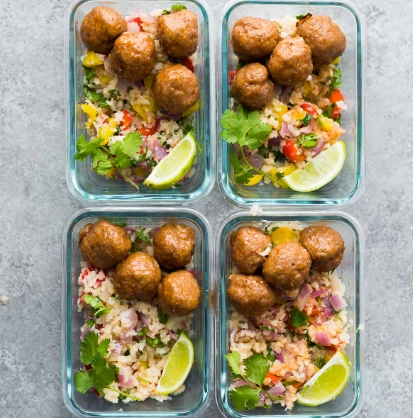
The Building Blocks of a Great Prepped Lunch
Okay, so what actually makes a lunch good for prepping? The magic formula is pretty straightforward. You want a combination that keeps well, is satisfying, and is nutritionally balanced. Think of it like building a plate.
Protein: The Anchor
This is what keeps you full. You want to cook your protein in a fairly neutral way so it can be paired with different flavors during the week. My go-tos are:
- Batch-Grilled or Baked Chicken Breast or Thighs: Thighs are more forgiving and stay juicier. Season simply with salt, pepper, garlic powder, and paprika.
- Slow-Cooked or Instant Pot Shredded Chicken/Pork: A game-changer. It's flavorful and super versatile for bowls, salads, or wraps.
- Baked Tofu or Tempeh: Press firm tofu, cube it, toss with a little oil and tamari, and bake until chewy. It holds up beautifully.
- Hard-Boiled Eggs: The ultimate prep-friendly protein. Make a half-dozen.
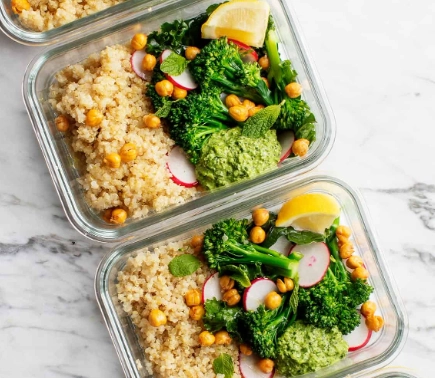
- Canned Beans or Lentils: Don't overlook these! Rinse a couple of cans of chickpeas, black beans, or kidney beans. They're ready to go.
Vegetables: The Color & Crunch
This is where a lot of meal prep for lunch fails. No one wants soggy, steamed-to-death broccoli every day. The key is variety in texture and preparation.
- Roasted Veggies: Cruciferous vegetables like broccoli, cauliflower, and Brussels sprouts are fantastic roasted. They actually get better after a day in the fridge. Toss with oil, salt, and roast at 400°F (200°C) until edges are crispy.
- Raw, Sturdy Veggies for Snacking or Adding Last-Minute: Slice bell peppers, cucumbers, and carrots into sticks. Store them in water in a sealed container to keep them crisp.
- Heartier Greens: Kale, shredded cabbage, or collard greens hold up much better than delicate lettuce. Massage kale with a tiny bit of oil and lemon juice to soften it.
- Quick-Pickled Veggies: Thinly slice red onions, radishes, or cucumbers and soak them in a mix of vinegar, water, a pinch of sugar, and salt for 30+ minutes. They add a huge flavor punch and last over a week.
Complex Carbohydrates & Healthy Fats: The Fuel
These give you lasting energy and satisfaction.
- Grains: Quinoa, brown rice, farro, or barley. Cook a big pot. I prefer the texture of quinoa for meal prep lunches because it doesn't get as hard when cold.
- Root Vegetables: Roasted sweet potato cubes or beet chunks are sweet, satisfying, and prep beautifully.
- Healthy Fats: Add these separately to maintain texture. Think: a quarter of an avocado (squeeze lemon juice on it), a tablespoon of nuts or seeds (like sunflower or pumpkin seeds), or a simple olive oil-based dressing added just before eating.
Simple & Actually Tasty Healthy Lunch Recipes for Meal Prep
Here are a few of my most reliable, no-fail combinations. These are templates more than rigid recipes—swap ingredients based on what you have.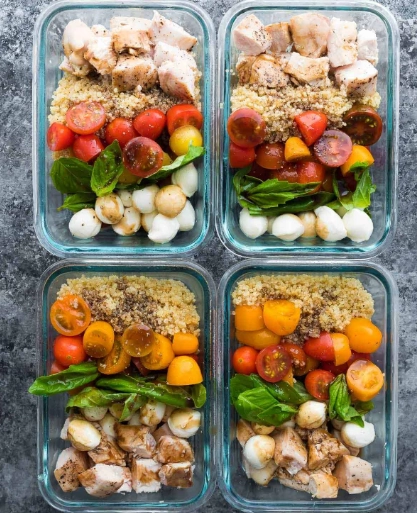
The All-Purpose Grain Bowl
This is my weekday workhorse. The formula is foolproof: 1) Grain base, 2) Protein, 3) Lots of veggies, 4) A killer sauce.
Example Combination: Cilantro-lime quinoa + shredded chipotle chicken + black beans + roasted corn + diced tomatoes + quick-pickled red onions. Pack with a separate container of creamy avocado-lime dressing or just a squeeze of fresh lime.
Why it works for healthy lunch prep: Every component can be made in bulk. The flavors are bold, so you don't get bored. The dressing stays separate until you're ready to eat.
The No-Leaf Salad (AKA The Jar Salad, Deconstructed)
Forget layering in a jar if that's too fussy. Instead, prep all the components and assemble your salad in a container each morning.
Example Combination: Massaged kale (your sturdy base) + baked chickpeas + roasted sweet potato + chopped apple + crumbled feta. Pack dressing (a simple maple-dijon vinaigrette works great) on the side.
Why it works: The kale won't wilt. The roasted veggies and chickpeas hold their texture for days. You can mix and match components all week.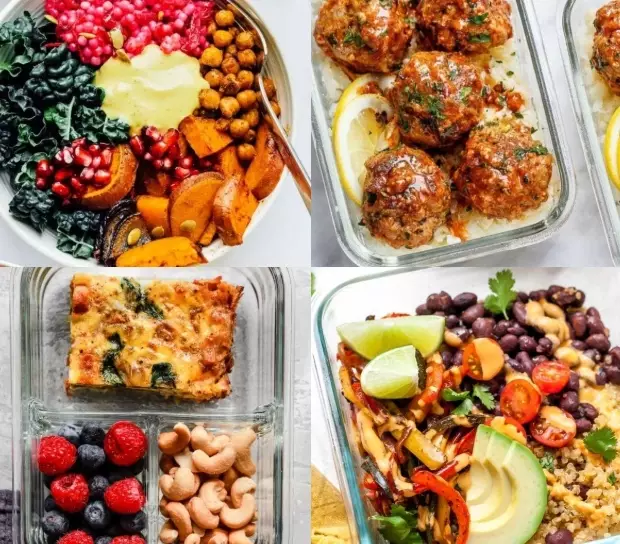
The Hearty Soup or Stew
Perfect for colder months. Make a big pot on Sunday, and you have lunches (and maybe dinners) sorted.
Example Combination: A simple lentil soup with carrots, celery, onion, and spinach stirred in at the end. Or a turkey chili with beans and peppers.
Why it works: Soups and stews often taste better a day or two later as flavors meld. They freeze exceptionally well. Just remember to pack a slice of whole-grain bread or some crackers on the side.
Honestly, sometimes the best healthy lunch recipes for meal prep aren't recipes at all. It's just intentionally cooking extra at dinner. Made a great stir-fry? Set aside a portion before serving. Roasted a salmon fillet? Cook two. This "intentional leftovers" strategy is the lowest-effort form of meal prep there is.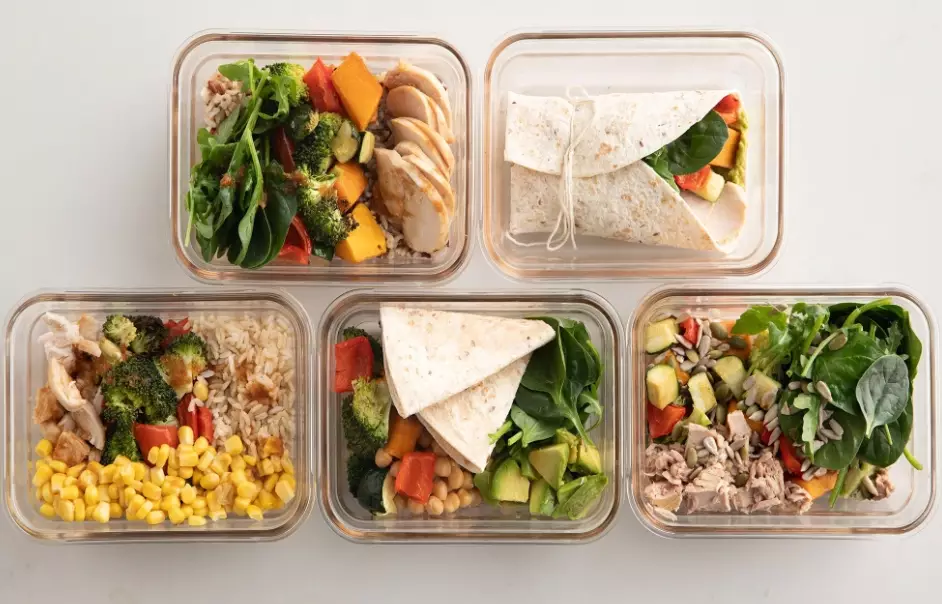
Your Realistic Weekly Meal Prep Plan (It Only Takes 90 Minutes)
Here’s a sample timeline. This isn't a full Sunday sacrifice—it's about smart, parallel cooking.
| Time Slot | Task | Why This Order? |
|---|---|---|
| First 10 mins | Preheat oven. Rinse quinoa/grains and start them cooking in a pot or rice cooker. Take protein out of fridge. | Grains take the longest passive cook time. Get them going first. |
| Next 20 mins | Chop all vegetables for roasting and raw snacks. Toss roasting veggies in oil and seasoning, spread on baking sheets. Put them in the oven. | Oven does the work while you handle the protein. Multi-tasking! |
| Next 25 mins | Cook your main protein (pan-sear, bake alongside veggies, or start the slow cooker for shredding). Make quick-pickled veggies and simple dressing. | Protein cooks while veggies roast. The quick tasks (pickling, dressing) fill the gaps. |
| Final 15 mins | Everything is cooked. Let items cool slightly. Portion out your lunches into containers. Store dressing separately. Clean as you go. | Letting food cool prevents condensation in containers (which leads to sogginess). Portioning is the final assembly. |
| Ongoing | Wash dishes/load dishwasher while things cook. | This prevents a terrifying pile of dishes at the end. |
Gear You Actually Need (And What You Don't)
You can start with what you have. Seriously. But a few affordable tools make a massive difference.
- Must-Haves:
- Good Containers: A set of glass or BPA-free plastic containers with tight-fitting lids. I prefer a few different sizes—some for main meals, smaller ones for dressings/snacks. Rectangular ones stack better in the fridge.
- Sharp Chef's Knife & Cutting Board: A dull knife makes prep miserable and unsafe.
- Sheet Pans & Parchment Paper: For easy roasting and even easier cleanup.
- Measuring Cups/Spoons: For consistency with grains and dressings.
- Nice-to-Haves:
- Rice Cooker or Instant Pot: Makes perfect hands-off grains and can cook proteins.
- Food Processor: For quickly shredding veggies or making sauces.
- Small Condiment Containers: Dedicated little cups for dressings and sauces.
- Don't Bother (At First):
- Fancy, single-use kitchen gadgets.
- A giant set of 50 identical containers (start with a week's worth, about 5-7).
- Expensive specialty ingredients. Build your healthy lunch meal prep pantry slowly.
Answering Your Biggest Meal Prep Questions
Leveling Up Your Lunch Prep Game
Once you've got the basics down, here are some ways to add variety and efficiency.
Theme Your Weeks: This sounds silly, but it works. Have a "Mexican Bowl Week," a "Mediterranean Plate Week," or a "Hearty Soup Week." It simplifies shopping and prep because you're working with a cohesive flavor profile.
The "Lunch Assembly Line" Morning: If you hate eating the same thing two days in a row, try this. On Sunday, prep all your components and store them in large containers in the fridge. Each morning, spend 3 minutes assembling your lunch from the options. It feels fresher and gives you daily choice.
Incorporate Leftovers Strategically: Plan your Sunday dinner to generate Monday's lunch. Roast a whole chicken for dinner, and use the leftover meat for Tuesday and Wednesday's bowls.
Remember, the best healthy lunch recipes meal prep system is the one you'll actually do consistently. It doesn't have to be Instagram-worthy. It just has to get healthy, tasty food into your lunch container with minimal daily stress. Start small, be kind to yourself if a week doesn't go perfectly, and enjoy the extra time, money, and energy you get back.
Honestly, the biggest benefit I've found isn't even the food itself. It's that feeling on Monday morning when I open the fridge and see my options ready to go. That little win sets a positive tone for the whole day. And that's something no takeout menu can ever provide.
Reader Comments