In This Guide
- The Core Variables: It's Not Just About Time
- The Definitive Time & Temperature Table
- The Step-by-Step Process for Fail-Proof Tenders
- Answering Your Burning Questions (FAQs)
- Beyond the Basics: Pro Tips & Flavor Hacks
- Troubleshooting: What Went Wrong?
- The Final Word: Trust the Thermometer, Not Just the Timer
Let's be honest. You've probably searched "how long to air fry chicken tenders" more than once, and every website or recipe seems to give you a different number. 375°F for 10 minutes? 400°F for 12? It's enough to make you just order takeout. I've been there, staring at the air fryer basket, poking at a tender wondering if it's done or dangerously raw in the middle.
The truth is, there's no single magic number. Asking how long to air fry chicken tenders is like asking how long to drive to the city—it depends on your starting point (are they fresh or frozen?), your vehicle (all air fryers are a bit different), and traffic conditions (how thick are they?). But don't worry, after burning a few batches and perfecting many more, I've got a system that works every single time.
The Quick Answer (But Please Keep Reading): For fresh, breaded chicken tenders, you're typically looking at 8-12 minutes at 380°F to 400°F. For frozen, breaded tenders, it's more like 10-14 minutes at the same temperature range. Flip them halfway. The real key is the internal temperature hitting 165°F.
The Core Variables: It's Not Just About Time
If you just take away one thing, let it be this: cooking time is a result, not a setting. You set the temperature and then let the time be determined by these factors. Blindly following a timer is the #1 reason for disappointing air fryer chicken.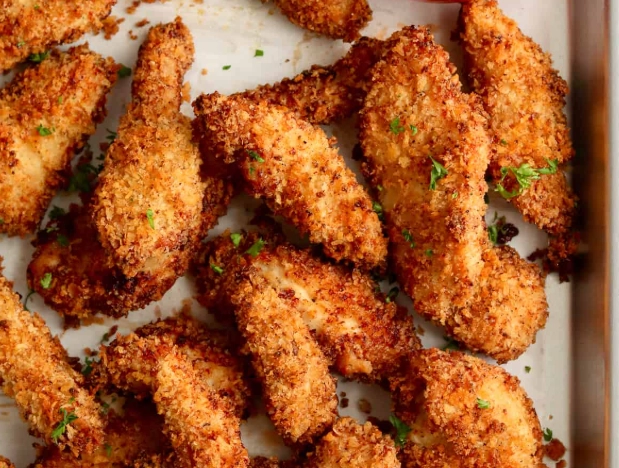
1. Fresh vs. Frozen (The Biggest Factor)
This is the game-changer. A frozen chicken tender is an ice cube with a breadcrumb coating. Your air fryer has to melt the ice, heat the water, and then cook the chicken. That takes significantly longer and requires a slightly different approach to avoid a burnt outside and frozen inside.
Fresh/Thawed: These cook fast. The heat goes straight into cooking the protein. You need high heat for a short time to crisp the coating without drying out the meat.
Frozen: These need a more patient, often two-stage approach. Some folks swear by a slightly lower temp (like 370°F) for a longer time. Others (like me) go hot but add a minute or two. The air fryer is fantastic for frozen foods, but you can't rush it.
2. Thickness and Size
Are we talking about skinny little strips or plump, juicy filets? A uniform batch cooks evenly. A mixed bag does not. If your tenders are wildly different sizes, consider cutting the thicker ones to match. It's a simple step that guarantees they all finish together when you're figuring out how long to air fry chicken tenders.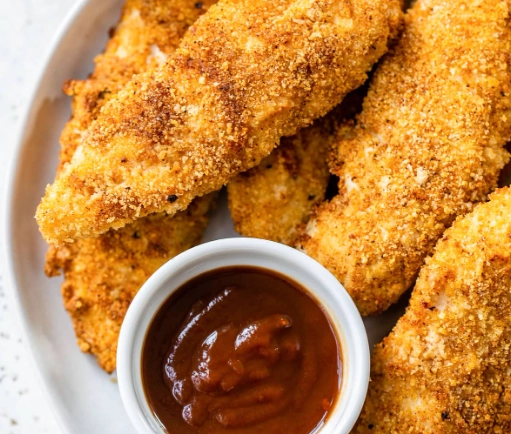
3. Your Specific Air Fryer Model
My old basket-style air fryer ran hot and fast. My new oven-style one has more space but requires a bit more time. Wattage, airflow design, basket size—they all matter. Treat the first time with a new recipe or food item as a test run. Use the window! Peek often after the minimum time.
My Experience: I once followed a famous blogger's "perfect" 10-minute timing in my new air fryer. The tenders were pale and soggy. Her air fryer was clearly a beast. I now add 1-2 minutes to most online timers as a starting point for my model. Your mileage will vary.
The Definitive Time & Temperature Table
Okay, here's the actionable stuff. This table is my go-to reference, compiled from my own kitchen tests and cross-referenced with reliable sources like the USDA's safe temperature guidelines. Remember, 165°F internal temperature is non-negotiable for safety.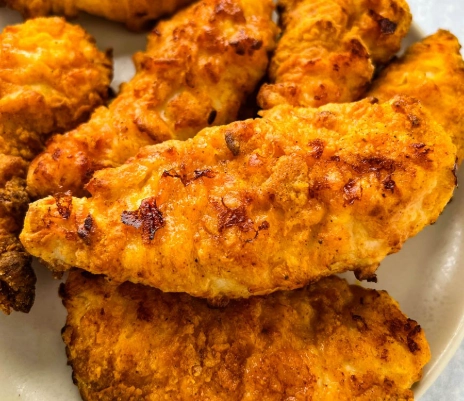
| Chicken Tender Type | Temperature | Approximate Time | Key Actions | Visual & Texture Cues |
|---|---|---|---|---|
| Fresh, Breaded (Homemade or Store-Bought Refrigerated) | 380°F - 400°F (190°C - 205°C) | 8 - 12 minutes | Lightly spray with oil. Flip halfway. | Coating is deep golden brown and crispy. Juices run clear. |
| Frozen, Breaded (Store-Bought) | 380°F - 400°F (190°C - 205°C) | 10 - 14 minutes | Do NOT thaw. Cook from frozen. Flip halfway. Shake basket. | Coating is very crispy, browned. No icy spots. Steam hot when broken. |
| Fresh, Unbreaded (Seasoned Only) | 370°F - 380°F (185°C - 190°C) | 7 - 10 minutes | Lightly oil. Flip halfway. Can cook faster. | Exterior is lightly browned, firm to touch. Meat is opaque. |
| Frozen, Unbreaded | 360°F - 370°F (180°C - 185°C) | 12 - 16 minutes | Pat dry if thawed first. Extend time if cooked from frozen. | Fully opaque, firm. Use a thermometer for certainty. |
See how that "how long to air fry chicken tenders" question starts to have clearer answers?
The Step-by-Step Process for Fail-Proof Tenders
Let's walk through it like you're in my kitchen. This works for 90% of situations.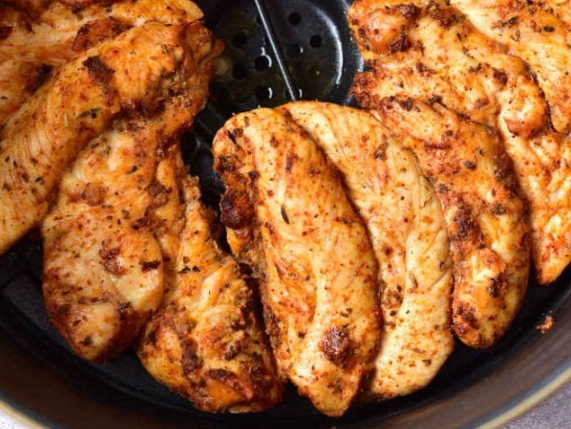
Pro Tip #1: Preheat Your Air Fryer. I know, some manuals say you don't need to. But for crispy results, 3-5 minutes of preheating makes a world of difference. It starts the cooking process immediately, sealing the coating.
- Prep the Basket: A very light spray of oil on the basket helps, but don't overdo it. For super sticky homemade breading, parchment paper liners with holes work, but they can block a bit of airflow.
- Arrange in a Single Layer: This is the golden rule of air frying. No stacking, no piling. The hot air needs to circulate around every piece. If you crowd them, you'll steam them. Cook in batches if you have to—it's worth it.
- Season or Oil (Optional but Recommended): Even pre-breaded frozen tenders benefit from a tiny, fine mist of cooking spray. It helps the hot air crisp every nook and cranny. For unbreaded tenders, toss them in a bowl with a teaspoon of oil and your seasoning first.
- Set Time & Temp: Refer to the table above. Start at the lower end of the time range. You can always add time, but you can't uncook.
- The Halfway Flip: Set a mental note or timer for halfway through. Open, shake the basket or use tongs to flip each piece. This ensures even browning and cooking on all sides.
- The Final Check: When the timer beeps, don't assume they're done. Pierce the thickest tender with a meat thermometer. It must read 165°F. No thermometer? Cut one open. The meat should be white all the way through, with no translucent or pink areas. The breading should be firm and crispy, not soggy or doughy.
- Rest (Briefly): Let them sit in the basket (turned off) for 1-2 minutes after cooking. This lets the juices redistribute, so they don't all run out when you bite.
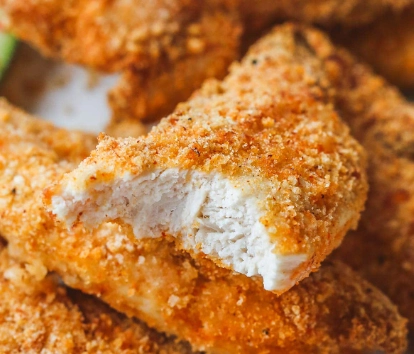
Common Mistake Alert: Overcrowding is the enemy of crispiness. If your tenders are touching or layered, they will steam and become soggy. Batch cooking is better than a basket full of disappointment.
Answering Your Burning Questions (FAQs)
These are the real questions people have after the basic "how long to air fry chicken tenders" is answered.
Do I need to flip chicken tenders in the air fryer?
Yes, absolutely. Flip them halfway through the cooking time. The heating element is usually on top, so the top side gets more direct heat. Flipping ensures an evenly crispy exterior all around. It takes 10 seconds and makes a huge difference.
Why are my air fryer chicken tenders not crispy?
This hurts. Usually, it's one of four things: 1) Overcrowding (steaming instead of air frying), 2) No oil/spray (a tiny bit helps conduction), 3) Not preheated (a cold start), or 4) They're wet (pat thawed tenders very dry before breading or seasoning).
Can I put frozen chicken tenders directly in the air fryer?
You can, and for breaded ones, you should! Don't thaw frozen breaded tenders—they'll get soggy. Cook them straight from the freezer. Just add a few extra minutes to the time. For frozen raw tenders, you can cook from frozen too, but it will take longer and I prefer to thaw them in the fridge first for more even results.
How do I keep them from drying out?
For unbreaded tenders, a simple brine (soak in saltwater for 30 mins) or even a marinade with a little oil works wonders. Don't overcook! The moment they hit 165°F, they're done. Every second past that dries them out more. Also, using a slightly lower temp (like 375°F instead of 400°F) can give the inside more time to cook gently before the outside over-dries.
What's the best way to reheat leftover chicken tenders?
The air fryer is the best tool for this. Reheat at 370°F for 3-5 minutes. They come back nearly as crispy as day one. The microwave will make them rubbery and sad.
Beyond the Basics: Pro Tips & Flavor Hacks
Once you've mastered the timing for how long to air fry chicken tenders, you can start playing.
- The Double-Dip for Extra Crunch: For homemade tenders, do a standard flour-egg-breadcrumb coating. Then, after the egg wash, dip them in breadcrumbs AGAIN. The extra layer creates incredible shatteringly crisp results in the air fryer.
- Spray, Don't Pour: When adding oil, use a mister bottle. Pouring or brushing on oil can make it pool and create soggy spots or cause smoke.
- Grate Your Own Parmesan: If a recipe calls for parmesan in the breading, grate a block yourself. The pre-grated stuff has anti-caking agents that don't melt as nicely.
- Use Panko: For the crispiest homemade coating, Japanese panko breadcrumbs are king. They're larger and flakier than regular breadcrumbs.
A Negative Opinion: I'm not a fan of those bottled "air fryer spray" cans. They're expensive and often contain lecithin or propellant that can, over time, damage the non-stick coating of your basket. A simple refillable oil mister with regular avocado or canola oil works better and is cheaper.
Troubleshooting: What Went Wrong?
Let's diagnose some common issues.
Problem: Burnt outside, raw inside.
Likely Cause: Temperature too high, especially for frozen or thick tenders. The outside crisped before heat penetrated the center.
Fix: Lower the temp by 25°F and increase the time. Always use a thermometer.
Problem: Soggy or pale breading.
Likely Cause: Overcrowding or lack of oil. Not enough hot air circulation or fat to conduct heat.
Fix: Cook in a single layer with space. A light spray of oil pre-cooking helps browning.
Problem: Tenders are sticking to the basket.
Likely Cause: Not enough oil on the basket or trying to flip too early. Let them cook until they naturally release.
Fix: Lightly grease the basket. If they stick, use a silicone spatula to gently loosen, not pry.
The Final Word: Trust the Thermometer, Not Just the Timer
So, after all this, what's the ultimate answer to "how long to air fry chicken tenders"? It's a range, guided by science and a little practice. Start with the times in the table as your roadmap. But your co-pilot should always be an instant-read meat thermometer. It's the only way to be 100% sure you've hit the safe 165°F without overcooking.
The beauty of the air fryer is its speed and ability to make incredibly crispy food with little oil. Chicken tenders are a perfect match for it. Once you move past blindly following a single timer and start understanding the variables—fresh vs. frozen, thickness, your machine's quirks—you'll get perfect results every time. No more guesswork, no more dry or raw chicken. Just fast, easy, and seriously delicious tenders whenever the craving hits.
Now go preheat that air fryer. You've got this.
Reader Comments