Quick Guide
- Why Bother? The Real Benefits of Prepping Your Lunches
- Getting Started: Your First Week of Healthy Lunch Prep (Without Losing Your Mind)
- What to Actually Cook: Healthy Meal Prep Lunch Ideas That Won't Bore You
- The Gear You Actually Need (And What's a Waste of Money)
- Answering Your Biggest Healthy Meal Prep Lunch Questions
- Making It a Habit: The Long-Game for Healthy Lunches
Let's be honest. The phrase "healthy meal prep lunches" can sound like a chore. It conjures images of spending your entire Sunday in the kitchen, surrounded by identical plastic containers of sad-looking chicken and broccoli. I used to think that too. I'd start the week with grand plans, only to find myself at the drive-thru by Wednesday, feeling guilty and out of pocket.
But what if I told you it doesn't have to be that way? What if you could have delicious, varied, and genuinely healthy meals ready to grab from your fridge in less time than it takes to watch an episode of your favorite show?
That's the real secret. It's not about perfection; it's about setting up a simple system that works for your life. This guide is going to strip away the intimidation and give you the practical, tried-and-tested steps to make healthy lunch prep a seamless part of your routine. We'll talk about why it's worth the effort (beyond just "eating healthy"), how to start without getting overwhelmed, what to actually cook, and how to avoid the common pitfalls that trip everyone up.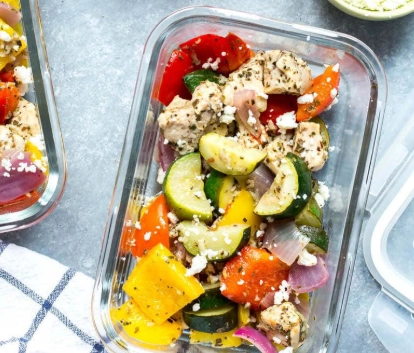
Ready to take back your lunch break and your wallet? Let's dive in.
Why Bother? The Real Benefits of Prepping Your Lunches
Everyone talks about saving money and eating better, which are huge perks. But the benefits of a consistent healthy meal prep lunch routine go much deeper.
First, the obvious: cost. Buying lunch out every day is a massive drain. A $12 salad here, a $10 sandwich there—it adds up shockingly fast. Prepping at home can cut that cost by more than half, easily. Then there's health. You control the ingredients, the salt, the sugar, and the portions. No more 3 p.m. sugar crash from that takeout pasta.
But for me, the biggest win is mental. The decision fatigue around "what's for lunch?" is real. Having your healthy meal prep lunches ready to go eliminates a dozen tiny decisions from your week. It saves you a frantic 20 minutes every morning scrambling to throw something together. It means you can actually enjoy your lunch break instead of standing in a long line.
It's a small investment of time that pays you back all week long in stress reduction.
There's also the consistency factor. When healthy food is the easiest option, you're far more likely to eat it. This consistency is what leads to real, lasting changes in how you feel, not just short-term diets.
Getting Started: Your First Week of Healthy Lunch Prep (Without Losing Your Mind)
The biggest mistake people make is going too big, too fast. You don't need to prep five gourmet, Instagram-worthy meals. Start simple. The goal for your first week is just to not buy lunch. That's it.
Step 1: The Plan (15 Minutes)
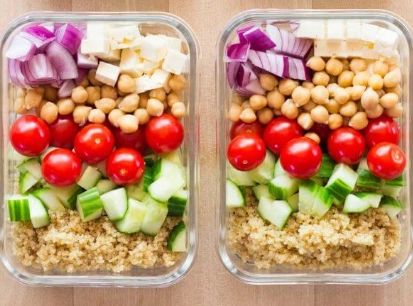
Pick one protein, one or two carbs, and two or three vegetables. That's your foundation. For example: shredded chicken (protein), quinoa and chickpeas (carbs), roasted bell peppers and raw spinach (vegetables).
Now, think about how you can combine them. Chicken quinoa bowl with peppers. Chickpea and spinach salad with chicken. See? Different feels from the same ingredients.
Write it down. Make a shopping list from that plan. Sticking to the list is crucial for budget and to prevent food waste.
Step 2: The Shop (30-45 Minutes)
Stick to the perimeter of the grocery store—produce, meat, dairy. Venture into the aisles only for your specific staples like grains, canned beans, or spices. Buying pre-chopped veggies or frozen vegetables (like broccoli florets or stir-fry mixes) is NOT cheating. It's a brilliant time-saver, especially when starting out.
I learned this the hard way. One Sunday, I bought a whole head of cabbage with grand slaw plans. It sat in my crisper drawer for two weeks until it liquefied. Now, I buy the pre-shredded bag if that's what I need. No shame.
Step 3: The Prep (60-90 Minutes)
This is your core session. Put on some music or a podcast. Your tasks:
- Cook your protein: Bake chicken breasts, pan-sear tofu, or simmer lentils.
- Cook your carbs: Make a pot of rice, quinoa, or pasta.
- Roast your veggies: Chop hardy veggies (broccoli, sweet potato, cauliflower), toss with oil and seasonings, and roast on a sheet pan.
- Wash & chop fresh veggies: For salads or snacking (cucumbers, cherry tomatoes, lettuce).
- Make a sauce/dressing: A simple lemon-tahini sauce or a ginger-soy vinaigrette can transform your basic components.
Use your oven efficiently. While the chicken bakes and the veggies roast, you can cook your grains on the stovetop.
Step 4: The Assembly & Store
Let everything cool completely before packing. This prevents condensation and soggy food. I'm a fan of the "component" method. I store each cooked item in its own large container in the fridge. Then, each morning, I grab a lunch container and build my bowl or salad in 2 minutes. This keeps textures better. If you prefer the grab-and-go method, pack complete meals in individual containers.
What to Actually Cook: Healthy Meal Prep Lunch Ideas That Won't Bore You
This is where the fun begins. The key to sustainable healthy meal prep lunches is variety and flavor. Here are some categories to rotate through.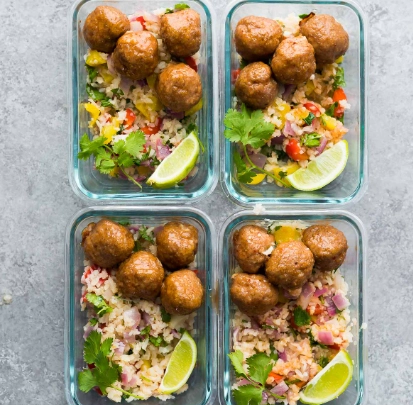
The Hearty Grain Bowl
This is the MVP of lunch prep. Endlessly customizable. Follow this formula: Base + Protein + Veggies + Sauce + Crunch.
Example: Brown rice (base) + black beans and grilled chicken (protein) + corn, pico de gallo, and avocado (veggies) + lime-cilantro dressing (sauce) + tortilla strip crumbs (crunch).
The crunch element (seeds, nuts, crispy chickpeas) added just before eating is a game-changer for texture.
The Mason Jar Salad
Yes, they work, but you have to layer correctly to avoid a soggy mess. From the bottom up: Dressing, hard veggies (like cucumbers, carrots, bell peppers), proteins/grains/beans, softer veggies (tomatoes, corn), nuts/seeds/cheese, greens (lettuce, spinach) on top. When you're ready to eat, shake it into a bowl. The dressing stays at the bottom until the last second.
The Wrap/Sandwich Upgrade
Prep the fillings, not the actual wrap. Make a big batch of chicken salad (with Greek yogurt, not all mayo), egg salad, or a Mediterranean chickpea mash. Store the filling in a container. Keep whole-grain wraps, pitas, or bread on hand. Assemble in the morning so the wrap doesn't get soggy. Pack any fresh lettuce or tomato separately.
To make planning easier, here's a table showing how to mix and match components for a week of different healthy meal prep lunches:
| Protein | Carbohydrate | Vegetables | Sauce/Flavor | Final Dish Idea |
|---|---|---|---|---|
| Shredded BBQ Chicken | Quinoa | Roasted Sweet Potato, Black Beans, Red Cabbage Slaw | Extra BBQ sauce, Lime Crema | Southwest BBQ Bowl |
| Baked Lemon-Pepper Salmon | Whole-Wheat Orzo | Steamed Asparagus, Cherry Tomatoes, Kalamata Olives | Lemon-Dill Vinaigrette | Mediterranean Orzo Salad |
| Marinated Baked Tofu | Soba Noodles | Shredded Carrots, Snap Peas, Red Bell Pepper | Peanut-Ginger Sauce | Cold Soba Noodle Bowl |
| Seasoned Ground Turkey | Cauliflower Rice | Diced Zucchini, Onion, Mushrooms, Salsa | Guacamole, Hot Sauce | "Taco Tuesday" Bowl |
| Chickpeas (canned, roasted) | Farro | Roasted Broccoli, Sun-Dried Tomatoes, Spinach | Tahini-Lemon Sauce | Hearty Vegan Farro Bowl |
The Gear You Actually Need (And What's a Waste of Money)
You don't need a kitchen full of fancy gadgets. Start with the basics.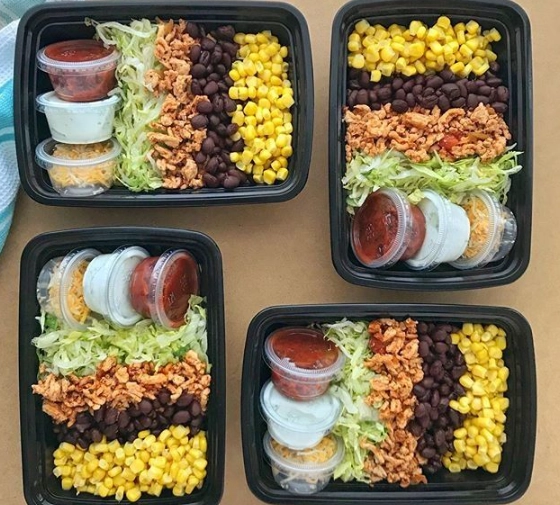
Must-Haves:
- Good Knife & Cutting Board: A sharp chef's knife is safer and faster.
- Large Baking Sheets (Sheet Pans): For roasting veggies and proteins efficiently.
- A Few Good Quality Containers: This is critical. Look for glass containers that are leak-proof, microwave-safe, and freezer-safe. Having uniform sizes helps with stacking in the fridge. I made the mistake of buying a cheap plastic set early on; the lids warped and they always leaked in my bag.
- Large Mixing Bowls: For tossing salads and mixing components.
Nice-to-Haves (Eventually):
- Instant Pot / Slow Cooker: Fantastic for hands-off cooking of grains, beans, and tough cuts of meat.
- Food Processor: For quickly chopping veggies or making sauces and dips.
- Vegetable Chopper: If you hate chopping, this can be a worthwhile time-saver.
The container is your lunch's home. Don't skimp here. A good set of containers makes the whole process feel more organized and professional.
Answering Your Biggest Healthy Meal Prep Lunch Questions
Let's tackle the common hurdles head-on.
How long do prepped lunches last in the fridge?
This is the #1 question. Cooked meats and most cooked dishes are safe for 3-4 days. That's why many people prep on Sunday for Monday-Thursday, and either eat leftovers or something simple on Friday. Soups and stews often last 4-5 days. Always use your senses—if it looks or smells off, toss it. For official guidance on safe food storage times, you can refer to the U.S. Department of Health & Human Services' FoodSafety.gov website.
How do I keep my food from getting soggy or weird?
Storage is key. Keep wet and dry components separate until you're ready to eat. Pack dressings and sauces in tiny containers. Don't cut avocado until the day you eat it (squeeze lemon juice on it). Let hot food cool before sealing the container. Using the component method I mentioned earlier solves 90% of texture issues.
I'm bored of eating the same thing all week. Help!
Two strategies: First, use the mix-and-match component system so you're not locked into one combination. Second, prep two different "themes" for the week. Maybe one batch of Mexican-inspired ingredients and one batch of Asian-inspired ingredients. It requires a bit more planning but doubles your options.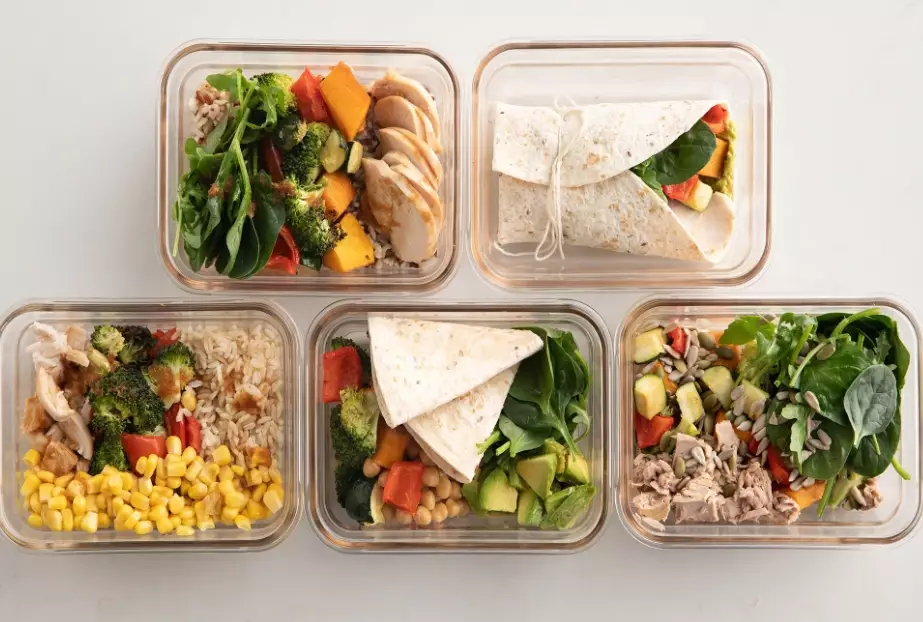
Is frozen prepped food okay?
Absolutely! Freezing is your friend for longer-term storage. Soups, stews, chili, cooked meatballs, and marinated meats freeze beautifully. Portion them into individual containers before freezing for the ultimate convenience. Thaw in the fridge overnight.
How do I calculate portions?
A good starting point for a balanced healthy meal prep lunch is: a palm-sized portion of protein, a fist-sized portion of complex carbs, and 1-2 fist-sized portions of vegetables, plus a thumb-sized portion of healthy fats (avocado, nuts, olive oil in dressing). Adjust based on your hunger and activity level.
Making It a Habit: The Long-Game for Healthy Lunches
Consistency beats perfection every time. Some weeks you'll nail it. Some weeks, life will happen, and your "prep" might be assembling a wrap with store-bought rotisserie chicken and bagged salad. That's still a win.
Find your rhythm. Maybe you prefer to prep twice a week (Sunday and Wednesday) for fresher food. Maybe you do one big monthly freezer cooking session. There's no single right way.
The goal is to make eating a healthy lunch the default, easy choice. When you have a system, you're not relying on willpower at noon when you're hungry and pressed for time.
Start small. Celebrate the wins. That first week you don't buy lunch out? That's money in your pocket and a victory for your routine. Over time, you'll develop your own favorite recipes, shortcuts, and rhythms. You'll discover that a well-planned healthy meal prep lunch is one of the simplest, most effective forms of self-care for a busy week.
Give it a try next Sunday. You might just surprise yourself.
Reader Comments