Quick Guide
- Why Bother with Lunch Prep? (It's More Than Just Food)
- The Core Principles of Good Lunch Prep (No Perfection Needed)
- Finding Your Lunch Prep Style: A Method for Everyone
- The Step-by-Step Guide to a Stress-Free Prep Session
- Lunch Prep Ideas That Actually Taste Good
- Answering Your Biggest Lunch Prep Questions
Let's talk about lunch. Not the fancy weekend kind, but the Wednesday-at-1-PM kind. You're hungry, maybe a bit cranky, and staring into the abyss of your fridge or the overpriced menu of the cafe downstairs. Sound familiar? I've been there more times than I care to admit. The decision fatigue is real, and it often leads to choices we regret—both for our wallets and our waistlines.
That's where lunch prep ideas come in. It's not about spending your entire Sunday in the kitchen or eating the same sad chicken breast for five days straight. It's about a little bit of clever planning that gives you back control, time, and peace of mind. Honestly, it changed my relationship with midday meals completely.
So, where do you even start?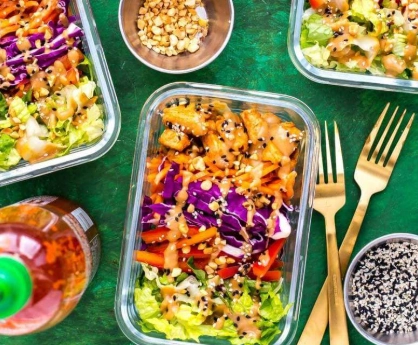
Why Bother with Lunch Prep? (It's More Than Just Food)
Before we dive into the how-to, let's get real about the why. If the benefit was just "eating food," nobody would bother. The real magic of lunch prep is in everything else it touches.
First, the money. Do a quick mental tally of what you spent on takeout, delivery apps, and cafeteria food last month. It adds up shockingly fast. Preparing your lunch can easily cut that cost by 50-70%. That's a vacation fund right there.
Then there's the health factor. When you control the ingredients, you control the sodium, the sugar, the oil, and the portion size. You're not at the mercy of a restaurant's heavy hand with salt or butter. This was a big one for me—I always felt sluggish after eating out, and prepping my own meals eliminated that afternoon crash almost completely.
Stress reduction is a huge, underrated perk. The mental load of deciding "what's for lunch" every single day is gone. You just grab your container and go. It's one less thing to think about in a busy morning.
And let's not forget consistency. Good lunch prep ideas help you build a sustainable habit. It's easier to make a healthy choice once during a planned shopping trip than to make that same healthy choice when you're hangry and surrounded by tempting options.
The Core Principles of Good Lunch Prep (No Perfection Needed)
Forget the Instagram-perfect bento boxes for a second. Sustainable lunch prep is built on a few simple, forgiving principles.
Balance is King (or Queen)
Aim for a rough template that works for most of your meals. My go-to is what I call the "Trifecta": a source of protein to keep you full, a complex carb for energy, and a generous serving of vegetables for nutrients and fiber. This isn't a rigid rule, but a helpful guideline. The USDA's MyPlate is a great visual reference for this balance.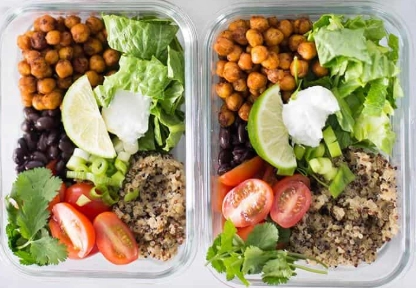
Embrace the "Good Enough" Meal
Not every lunch needs to be a culinary masterpiece. A can of tuna mixed with Greek yogurt, some pre-chopped cucumber, and whole-wheat crackers is a fantastic, 3-minute lunch. So is a simple lentil soup you froze in portions. The goal is nourishment and convenience, not a Michelin star.
Texture and Flight Variety Matter
This is where people get bored. If you're just piling soft, steamed veggies on top of soft rice next to soft chicken, of course you'll lose interest. Think about adding crunch (like nuts, seeds, or raw veggie sticks), freshness (a squeeze of lemon, fresh herbs), and different temperatures (a cool yogurt sauce on a warm grain bowl).
The Right Gear Makes a Difference
You don't need a kitchen full of gadgets. But a few good, leak-proof containers in different sizes (I like glass ones for reheating) and a sharp knife will make the process infinitely more pleasant. Trust me, wrestling with a dull knife and a butternut squash is a surefire way to abandon all your good lunch prep ideas.
Okay, principles are set. But how do you actually *do* it?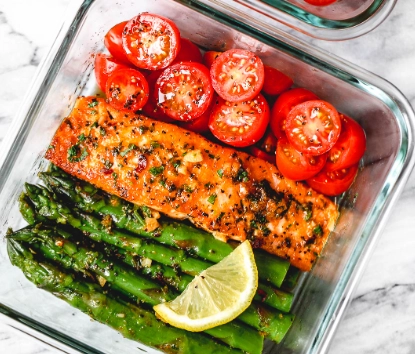
Finding Your Lunch Prep Style: A Method for Everyone
Not everyone has three hours on a Sunday. The beauty of modern lunch prep ideas is that there are multiple approaches. You just need to find the one that fits your personality and schedule.
| Method | What It Is | Best For... | Potential Drawback |
|---|---|---|---|
| The Full Batch Cook | Dedicating 2-3 hours one day to cook complete meals for the entire week. | People who want zero daily effort, have consistent schedules, and don't mind some repetition. | Can feel overwhelming. Requires careful planning to avoid food fatigue by Thursday. |
| The Component Prep (My Favorite) | Preparing separate building blocks (grilled chicken, roasted veggies, cooked quinoa, sauces) and mixing & matching daily. | Those who crave variety and flexibility. It's like having a healthy lunch "buffet" in your fridge. | Requires a tiny bit of daily assembly (2-3 minutes). Some components may not last the full 5 days. |
| The "Prep-As-You-Go" | Making extra portions at dinner and immediately packing them for lunch. | Busy families, anyone who hates dedicated "prep time." It's seamless and efficient. | Relies on you cooking decently-sized dinners. Less control if your dinners aren't balanced. |
| The Overnight/No-Cook Assembly | Relying on recipes that require no cooking: salads in a jar, overnight oats, wraps, adult lunchables. | People with minimal kitchen access, hot weather, or a strong preference for cold lunches. | Can get repetitive. May not be as satisfying for those who prefer a warm meal. |
I'm a solid Component Prep person. I find the Full Batch method a bit soul-crushing—too much time in one go, and I hate feeling locked into one meal. With components, if I'm not feeling the chicken and broccoli bowl on Tuesday, I can toss the chicken into a wrap with some spinach and hummus instead. It keeps things interesting.
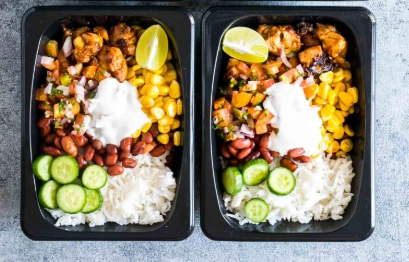
The Step-by-Step Guide to a Stress-Free Prep Session
Let's walk through a typical Component Prep session, which I think offers the best balance for most people looking for solid lunch prep ideas.
Step 1: The 15-Minute Plan (Don't Skip This!)
This happens before you even touch a grocery list. Check your calendar. How many lunches do you *really* need? Is there a work lunch one day? Maybe you have plans on Friday. Then, pick your building blocks. I usually choose:
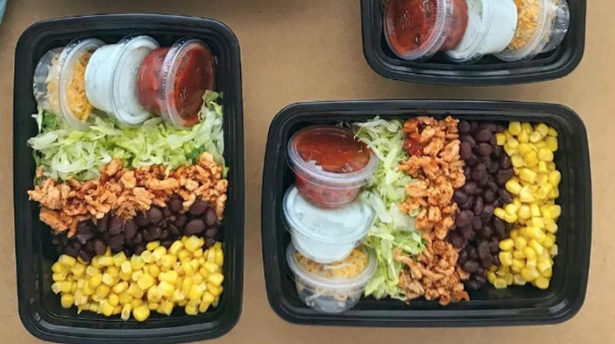
- 1-2 Proteins: A batch of baked lemon-herb chicken thighs, a pot of black beans, or some hard-boiled eggs.
- 1-2 Grains/Complex Carbs: A big batch of brown rice, quinoa, or whole-wheat pasta. Sometimes I'll roast a tray of sweet potato cubes.
- 2-3 Vegetables: A sheet pan of roasted broccoli and bell peppers, and a container of washed/chopped salad greens or cucumbers for crunch.
- 1-2 Sauces/Flavor Boosters: A simple lemon-tahini dressing, a jar of pesto, or just a bottle of good hot sauce. This is the secret weapon against boredom.
Step 2: Strategic Grocery Shopping
Shop with your list. This cuts down on impulse buys and food waste. I also try to shop for what's in season—it's cheaper and tastes better. Those are the best lunch prep ideas, the ones that don't break the bank.
Step 3: The Efficient Kitchen Hour
Put on some music or a podcast. First, get your grain cooking (it takes the longest). While that's simmering, chop all your vegetables for roasting and raw use. Toss the roasting veggies with oil and spices, throw them in the oven. Then, prepare your protein. While everything is cooking, wash your greens and make your sauce. It's all about parallel play in the kitchen.
Step 4: The Assembly (& The Art of Not Getting Soggy)
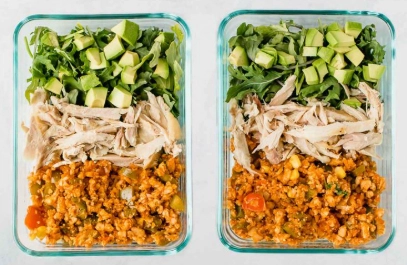
Let everything cool completely before packing. This is crucial to prevent condensation and soggy food. I store my components in separate containers. For daily assembly, I use a simple rule: wet ingredients (dressing, saucy things) at the bottom of a jar or separate small container. Dry/crunchy ingredients (greens, nuts) on top. Combine just before eating.
Step 5: The Grab-and-Go
Morning you will thank evening you. All you do is grab your prepped components or an assembled jar, maybe a piece of fruit, and you're out the door. No thought required.
See? It's a system, not a punishment.
Lunch Prep Ideas That Actually Taste Good
Let's get concrete. Here are some of my most reliable, crowd-pleasing components and combinations. These are the lunch prep ideas I come back to week after week because they work.
Protein Powerhouses (Beyond Grilled Chicken)
- Shredded Mexican Chicken: Slow-cook or instant pot chicken breasts with salsa and taco seasoning. Versatile for bowls, salads, or wraps.
- Lemon-Herb Chickpeas: Drain and rinse two cans of chickpeas, toss with olive oil, lemon zest, garlic powder, and dried oregano. Roast at 400°F for 20-25 mins until slightly crispy. Amazing in salads or grain bowls.
- Marinated Baked Tofu: Extra-firm tofu, pressed and cubed, marinated in soy sauce, maple syrup, and ginger, then baked. It's flavor-packed and keeps well.
- Simple Salmon: A large salmon fillet baked with just salt, pepper, and dill. Flakes beautifully over salads or grains.
Grain & Carb Staples
- Quinoa Pilaf: Cook quinoa in vegetable broth with a bay leaf. Stir in toasted pine nuts and chopped parsley after cooking.
- Farro Salad Base: Cook farro until chewy. While warm, toss with a little vinaigrette. It absorbs flavor beautifully and stays good all week.
- Roasted Sweet Potato Cubes: Toss cubed sweet potatoes with smoked paprika and a pinch of cinnamon before roasting. Adds sweetness and heartiness.
Vegetable Go-Tos (That Don't Get Sad)
- Sheet Pan Everything: Broccoli florets, cauliflower, bell peppers, red onion, and cherry tomatoes tossed in olive oil, salt, and garlic powder. Roast at 425°F until edges are caramelized.
- Quick-Pickled Veg: Thinly slice red onion, cucumber, or carrots. Submerge in a mixture of equal parts vinegar and water, a pinch of sugar and salt. Ready in 30 minutes, lasts weeks. The acidity wakes up any meal.
- Massaged Kale: Remove stems, chop kale, drizzle with a tiny bit of olive oil and lemon juice, and literally massage it with your hands for a minute until it softens and darkens. It won't wilt in your fridge for days.
Putting It All Together: Sample Combos
Here’s how these pieces become actual lunches:
- The Mediterranean Bowl: Lemon-herb chickpeas + quinoa pilaf + sheet pan roasted veggies + a dollop of tzatziki or hummus.
- The Southwest Salad (in a jar): Layer: cilantro-lime dressing, black beans, corn, diced tomatoes, shredded Mexican chicken, then romaine lettuce on top. Shake to mix.
- The Deconstructed Sushi Bowl: Brown rice + marinated baked tofu (cubed) + quick-pickled cucumber and carrot + sliced avocado (add daily) + a drizzle of soy sauce and sriracha mayo.
- The Simple Adult Lunchable: Hard-boiled eggs + whole-grain crackers + cheese cubes + cherry tomatoes + hummus cup + apple slices. Zero assembly, pure satisfaction.
Answering Your Biggest Lunch Prep Questions
How do I keep my prepped food from tasting bland by Wednesday?
This is the #1 complaint. The solution is in your arsenal of sauces, spices, and garnishes. Don't undersalt your components during initial cooking—food tastes blander when cold. Have a roster of easy sauces: a yogurt-herb sauce, a peanut-lime dressing, a simple vinaigrette. Keep fresh herbs, citrus, toasted nuts, seeds, or even a good cheese (like feta or parmesan) on hand to add just before eating. A sprinkle of flaky salt or a dash of hot sauce can resurrect any meal.
I get bored easily. How can I keep variety without loads of work?
Stick with the component method! With 2 proteins, 2 carbs, and 3 veggies, you have 12 different bowl combinations right there. Change the sauce, and it's a whole new meal. Also, think theme weeks. One week do Mediterranean flavors (oregano, lemon, olives). The next week do Mexican (cumin, chili powder, lime). The components are similar, but the spice profile changes everything.
What are the best containers to prevent leaks and sogginess?
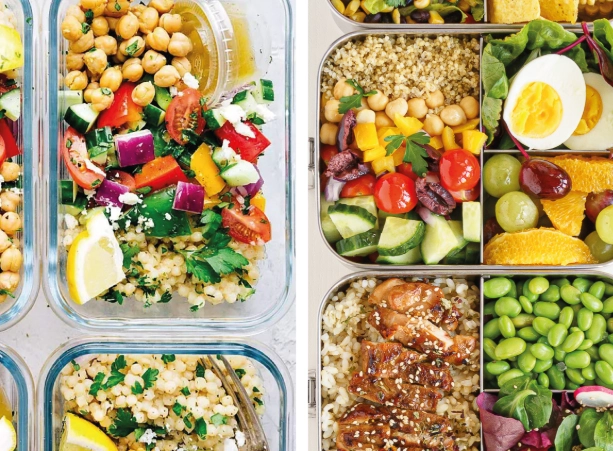
Glass containers with locking lids (like Pyrex) are my top pick for anything wet or for reheating. For salads, the wide-mouth mason jar is unbeatable—you can pack dressing at the bottom and build upwards. For “lunchable” style meals, bento-box style containers with compartments are great to keep things separate. The key is always keeping moisture away from dry/crispy items until the last minute.
How long does prepped food actually last?
Cooked grains and beans: 4-5 days in the fridge. Cooked meats/poultry: 3-4 days. Roasted vegetables: 4-5 days. Raw, washed & chopped vegetables (like bell peppers, cucumbers): 4-5 days in an airtight container. Leafy greens, washed and dried thoroughly: up to a week. When in doubt, smell and look. If something is slimy, has an off odor, or shows mold, toss it. The Harvard T.H. Chan School of Public Health has excellent, science-based food safety resources if you want to dive deeper.
I have kids. How can I adapt lunch prep ideas for them?
Think deconstruction and familiarity. Most of the components work perfectly for kids—they just might prefer them separate. A bento box with cheese cubes, whole-wheat crackers, cherry tomatoes, hummus, and some turkey roll-ups is a prepped lunch. Involve them in choosing components ("Do you want carrots or cucumbers this week?"). Presentation matters more with kids—cookie cutters for sandwiches or fun picks can make a big difference.
The bottom line?
Lunch prep isn't a rigid diet protocol. It's a flexible set of lunch prep ideas and strategies you adapt to make your life better. Start small. Maybe just prep your components for two days. See how it feels. Celebrate the small win of not having to panic about lunch on a busy Tuesday.
The goal isn't perfection. It's progress. It's taking one area of daily stress off your plate (pun intended) and replacing it with a little bit of ease and a lot more nourishment. You might find, like I did, that the simple act of preparing your lunch becomes a quiet act of self-care. And honestly, your wallet and your energy levels will thank you for it.
Reader Comments