Let's be honest. Roasting a whole acorn squash in the oven can feel like a commitment. You heat up the whole kitchen, wait what feels like forever, and sometimes the edges burn before the middle is tender. I got tired of that dance. So, I started experimenting with my air fryer.
Quick Navigation
- Why Your Air Fryer is a Squash Game-Changer
- Choosing and Prepping Your Squash: The Foundation
- The Core Process: How to Cook Acorn Squash in Air Fryer
- Flavor Town: Seasoning Ideas Beyond Salt and Pepper
- Timing is Everything: A Handy Reference Guide
- Troubleshooting Common Air Fryer Squash Problems
- Answering Your Burning Questions (FAQs)
- Beyond the Side Dish: How to Use Your Cooked Squash
- Final Thoughts From My Kitchen
The first time I tried cooking acorn squash in the air fryer, it was a bit of a disaster. I didn't cut it right, I used too much oil, and the skin was still tough. But you know what? That failure taught me more than any perfect recipe could. Now, after probably two dozen tries, I've got it down to a science. It's become my go-to method for a quick, caramelized, and honestly, way less messy side dish.
If you're looking for a faster, easier, and arguably crispier way to enjoy this fall favorite, you're in the right place. This isn't just a recipe; it's everything I wish I'd known when I started.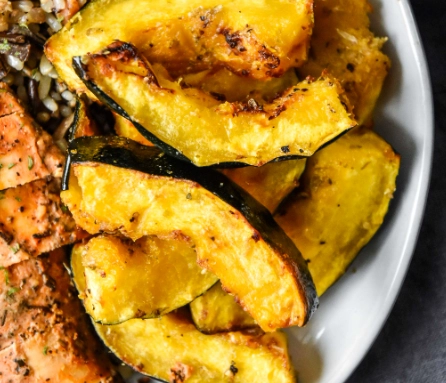
Why Your Air Fryer is a Squash Game-Changer
You might wonder if it's worth using the air fryer for something like acorn squash. I mean, the oven works, right? Sure, but the air fryer offers some distinct advantages that have completely won me over.
First, the speed. The concentrated, circulating hot air cooks food faster than a conventional oven. We're talking about shaving 10-15 minutes off the total cook time, which is huge on a busy weeknight. Second, and this is my favorite part, the texture. The air fryer excels at creating beautifully caramelized, slightly crispy edges on the squash while keeping the inside perfectly tender and creamy. It's that contrast that makes it so good. The oven sometimes steams it more than roasts it, in my experience.
Then there's the convenience factor. No need to preheat for ages. My air fryer is ready in about 3 minutes. It also doesn't heat up my entire apartment, which is a blessing during the warmer months when I still crave roasted veggies. And cleanup? A breeze compared to a large, sometimes messy baking sheet.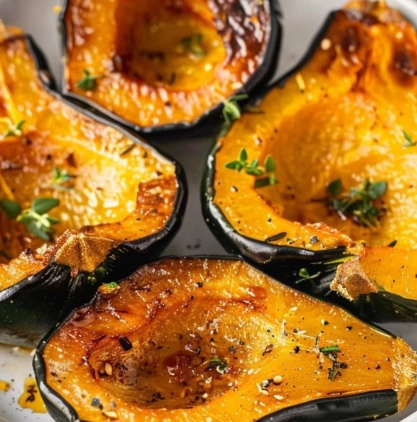
Choosing and Prepping Your Squash: The Foundation
Everything starts with a good squash. A bad one can ruin the whole dish, no matter how good your technique is.
Look for an acorn squash that feels heavy for its size—that means it's nice and moist inside. The skin should be a deep, dark green (sometimes with an orange patch), firm, and free of major soft spots or cracks. A little scarring is usually fine, but avoid any with mold or excessive bruising. I made the mistake once of grabbing the lightest one on the pile, and it was dry and fibrous. Not great.
The All-Important Cut: Safety and Technique
This is the trickiest part for most people. Acorn squash are round and, let's face it, kind of awkward to cut. Trying to slice through the middle of a whole, rolling squash is a one-way ticket to the emergency room. Don't do it.
Here's the safe, easy method I use every time. First, take a sharp, sturdy chef's knife. Not a paring knife. A chef's knife. Pierce the skin in several spots with the tip of the knife. This might seem odd, but it allows steam to escape and prevents pressure buildup. Then, microwave the whole squash for 1-2 minutes. This softens the skin and flesh just enough to make cutting through it dramatically easier and safer. Let it cool for a minute so you don't burn your hands.
Place the softened squash on a stable cutting board. Slice off a small piece from the top and bottom to create flat, stable surfaces. Stand it up on one flat end. Now, carefully cut straight down from top to bottom, right through the stem, to split it in half. Much safer.
Scooping and Slicing for Maximum Crispiness
Once you have your two halves, use a sturdy spoon to scrape out the seeds and stringy pulp. You can save the seeds for roasting if you like—they make a great snack. Now, you have a choice.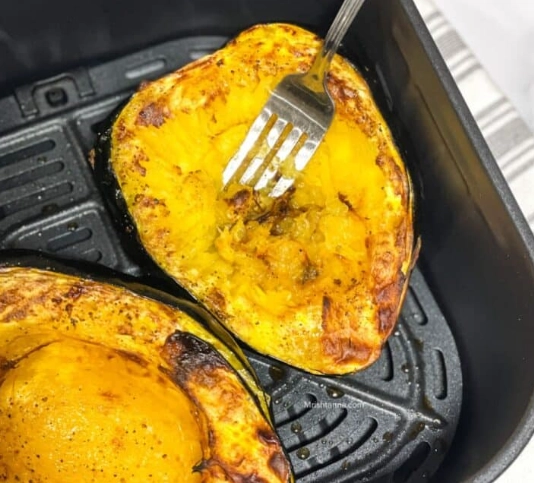
You can cook the halves as-is. This is the easiest method. Just brush them with oil and season. But for more surface area (which means more caramelized edges!), I almost always slice them further. Place each half cut-side down and slice it into crescent-shaped wedges, about 3/4 to 1 inch thick at the widest part. This shape is perfect for the air fryer basket.
Why go through the extra step? More edges = more browning = more flavor. It's that simple. If you're cooking acorn squash in the air fryer for a crowd or want it as a finger food, wedges are the way to go.
The Core Process: How to Cook Acorn Squash in Air Fryer
Okay, prep is done. Now for the fun part. Here is my step-by-step, no-fail method. Think of this as your blueprint.
- Season Generously: In a large bowl, toss your squash wedges (or halves) with 1-2 tablespoons of oil. Avocado oil or olive oil work great. You want just enough to coat them lightly. Too much oil and they'll steam and get soggy. Too little and they might dry out. Then, add your seasonings. Salt and pepper are mandatory. Beyond that, the world is your oyster (see the next section for ideas). Toss until everything is evenly coated.
- Arrange in the Basket: Place the squash in your air fryer basket in a single layer. Do not overcrowd it. If the pieces are piled on top of each other, they won't crisp up; they'll steam. If you have a lot to cook, do it in batches. It's worth the wait for the proper texture.
- Cook: Set your air fryer to 375°F (190°C). This is the sweet spot temperature I've found for acorn squash in air fryer cooking. It's hot enough to caramelize the sugars but not so hot that the outside burns before the inside is cooked. For wedges, start with 12-15 minutes. For halves, you're looking at 20-25 minutes.
- Flip and Check: Halfway through the cooking time, pause the air fryer, pull out the basket, and flip the wedges or check on the halves. This ensures even cooking and browning on all sides. This is a crucial step that many people skip!
- Test for Doneness: After the initial time, check for doneness. The squash is ready when it's golden brown on the edges and a fork or knife slides into the thickest part with absolutely no resistance. The flesh should be tender and creamy. If it's not quite there, add 3-5 more minutes and check again.
And that's it. The core process is straightforward. The magic happens in the seasoning and the little tweaks.
Flavor Town: Seasoning Ideas Beyond Salt and Pepper
Salt and pepper acorn squash is fine, but it's just the beginning. The natural sweetness of the squash pairs beautifully with so many flavors. Here are some of my favorite combinations, from classic to a little more adventurous.
| Flavor Profile | Key Seasonings | Best Paired With | My Personal Rating |
|---|---|---|---|
| Classic Savory | Olive oil, kosher salt, black pepper, garlic powder, smoked paprika | Roasted chicken, pork chops, a hearty grain bowl | 9/10 - My weekday staple |
| Sweet & Spicy | Maple syrup or honey, melted butter, a pinch of cayenne or red pepper flakes, cinnamon | Pork tenderloin, sprinkled with goat cheese, as a standalone side | 10/10 - Crowd-pleaser |
| Herby & Earthy | Avocado oil, fresh thyme or rosemary (chopped fine), ground sage, onion powder | Turkey, stuffing, mushroom dishes | 8/10 - Feels fancy, minimal effort |
| Umami Bomb | Soy sauce or tamari, sesame oil, a tiny bit of brown sugar, toasted sesame seeds (add after cooking) | Salmon, tofu, stir-fries | 9/10 - Surprisingly addictive |
| Simple & Sweet | Just a brush of melted butter and a light sprinkle of brown sugar or coconut sugar after cooking | As a simple side, or even as a dessert with a scoop of vanilla ice cream | 7/10 - Kid-friendly and easy |
The key is to apply dry spices before cooking. For wet ingredients like maple syrup or honey, I often brush them on in the last 3-5 minutes of cooking. This prevents them from burning and becoming bitter. A little trick I learned the hard way after ruining a batch with burnt honey.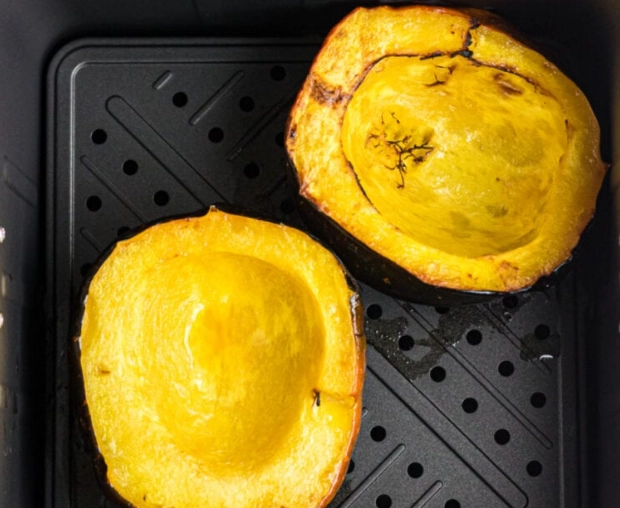
Timing is Everything: A Handy Reference Guide
All air fryers are a little different—their wattage, basket size, and even how the fan circulates air can vary. So, treat times as a guideline, not a rigid rule. Always check for visual and textural doneness. Here's a quick chart based on my experience with a standard 5.8-quart basket.
| Squash Form | Thickness/Size | Temperature | Approximate Time | Key Visual Cue |
|---|---|---|---|---|
| Wedges | 3/4" to 1" thick | 375°F (190°C) | 12-18 minutes | Edges deeply browned, fork-tender |
| Halves | Medium squash, halved | 375°F (190°C) | 20-30 minutes | Flesh pulls away from skin slightly, very soft |
| Cubes | 1-inch cubes | 400°F (200°C) | 10-15 minutes | All sides caramelized, tender inside |
See how cubes need a slightly higher temp? That's because they're smaller and we want to get color on them quickly. For halves, the lower and slower approach ensures the dense center cooks through without the top burning.
Troubleshooting Common Air Fryer Squash Problems
Even with the best guide, things can go sideways. Here are solutions to the issues I've personally encountered (and fixed).
Problem: The squash is still hard in the middle.
Solution: This usually means it's undercooked. The air fryer's heat is intense but can be superficial if the pieces are too thick. Just cook it longer in 3-5 minute increments. Next time, try slicing it slightly thinner or microwaving the whole squash a bit longer before cutting to jump-start the cooking process.
Problem: The edges are burnt but the middle isn't done.
Solution: Your temperature is likely too high. Remember, 375°F is the sweet spot. Also, make sure you're not overcrowding the basket. Overcrowding traps steam, which can make the outside mushy and then suddenly burn. Reduce the temp to 370°F and cook a bit longer, or use the air fryer's "roast" setting if it has one (it's usually a gentler heat).
Problem: The squash is dry and not creamy.
Solution: You might have cooked it too long, or the squash itself was old and dry. Using a bit more oil can help, and don't skip the step of coating it thoroughly. Brushing the cooked squash with a pat of butter or a drizzle of olive oil right after it comes out of the air fryer can also rescue it beautifully.
Problem: The skin is impossibly tough to eat.
Solution: This is a common one with acorn squash in air fryer recipes. The skin of acorn squash is edible but can be tough. The air fryer tends to dry it out more than an oven. My advice? If you want to eat the skin, make sure you scrub it well before cutting and brush it generously with oil. Even then, it might be chewy. Personally, I usually just scoop the soft flesh out with a fork and leave the skin behind. No shame in that.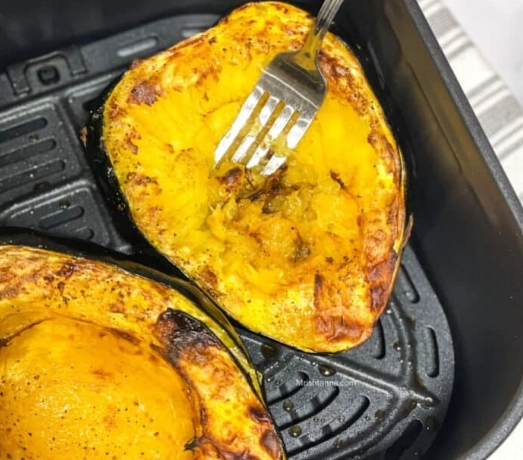
Answering Your Burning Questions (FAQs)
I get a lot of questions about this method. Here are the ones that pop up most often.
Do I need to peel acorn squash before air frying?
Absolutely not. In fact, I strongly advise against it. The skin helps the wedges or halves hold their shape during the intense air frying process. It's edible (though sometimes chewy, as noted), and it's where a lot of the nutrients are. Peeling a raw acorn squash is a battle you don't need to fight.
Can I cook a whole, uncut acorn squash in the air fryer?
Technically, yes, but I don't recommend it. It will take a very long time (40-50 minutes), and you risk it not cooking evenly. You also miss out on all the delicious caramelization on the cut surfaces. Piercing it all over is essential if you try this, to prevent a squash explosion (it's rare, but pressure can build). Cutting it is just a better path.
How do I store and reheat leftovers?
Let the cooked squash cool completely, then store it in an airtight container in the fridge for 3-4 days. To reheat, the air fryer is your best friend again! It will re-crisp the edges. Reheat at 350°F for 3-5 minutes until warmed through. The microwave will work but will make it soggy.
Is it safe to eat the skin?
Yes, the skin of acorn squash is edible and contains fiber and nutrients. The safety of eating the skin, like all produce, depends on washing it thoroughly to remove any dirt or potential contaminants. The U.S. Food and Drug Administration (FDA) recommends rubbing firm produce like squash under running water before cutting. That said, the texture can be tough, so it's a personal preference whether you eat it or not.
What's the internal temperature for cooked squash?
While not as critical as meat, a safe and fully cooked squash will have an internal temperature of at least 205°F (96°C) when measured in the thickest part. At this temperature, the starches have fully broken down, making it tender and sweet. For more on safe food handling temperatures for all foods, you can reference resources from the USDA's Food Safety and Inspection Service.
Beyond the Side Dish: How to Use Your Cooked Squash
So you've mastered cooking acorn squash in your air fryer. Now what? It's fantastic on its own, but here are some ways to level it up.
- Salad Topper: Let wedges cool slightly, then chop them and add to a salad with kale, quinoa, cranberries, and a tangy vinaigrette. The warm squash wilts the kale just a bit—it's amazing.
- Grain Bowl Base: Place a few wedges in a bowl with farro or brown rice, some sautéed greens, chickpeas, and a dollop of tahini sauce.
- Soup Starter: Scoop the soft flesh from the skins and blend it with some vegetable broth, sautéed onion, and a touch of cream or coconut milk for a quick, velvety soup.
- Pasta Sauce: Blend the cooked squash with garlic, Parmesan, and a bit of pasta water to create a rich, autumnal sauce for pasta.
- Simple Dessert: Fill a cooked half with a mix of chopped nuts, oats, a bit more butter and brown sugar, and air fry for another 3-4 minutes. Top with yogurt or ice cream.
The versatility is what keeps me coming back. It's not a one-trick pony.
Final Thoughts From My Kitchen
Switching to the air fryer for my acorn squash wasn't just about saving time. It changed the texture and made the whole process less of a chore. I find myself making it way more often now, experimenting with different spice blends from my cupboard.
Is it perfect every single time? No. Sometimes I get distracted and let it go a minute too long. Sometimes I pick a dud squash. But the success rate is incredibly high, and the cleanup is so simple that I never dread it.
If you've been hesitant to try cooking acorn squash in the air fryer, I hope this guide gives you the confidence to go for it. Start with the basic savory method, get a feel for your machine's timing, and then start playing with flavors. It might just become your new favorite way to cook winter squash, too.
Really, the hardest part is cutting the thing. Once that's done, the air fryer does most of the work.
Reader Comments