In This Guide
Let's be real. Some nights, the thought of cooking from scratch feels like climbing a mountain. You're tired, the kids are hungry, and the fridge is giving you that blank stare. That's where the humble, glorious rotisserie chicken casserole swoops in to save the day. It's the dinner hero we don't deserve, but desperately need. I've been there more times than I can count, and mastering a few solid rotisserie chicken casserole recipes has been a genuine game-changer for my weeknight sanity.
This isn't about fancy, complicated food. It's about smart, delicious, and satisfying meals that come together with minimal effort. We're talking about taking that perfectly seasoned, juicy rotisserie chicken from the grocery store and transforming it into something warm, comforting, and new. The best part? It feels like a real, home-cooked meal without the hours of work.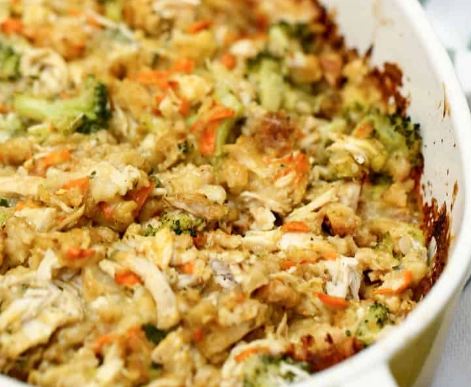
Why Rotisserie Chicken is the Casserole Shortcut King
You might wonder, why not just use raw chicken? Well, you could. But using a pre-cooked rotisserie chicken is a different kind of kitchen magic. First off, the flavor is already there. That skin has been seasoned and roasted to perfection, adding a depth you'd have to work hard to replicate. It's already juicy and tender, which means no risk of dry, overcooked chicken in your final dish—a common casserole pitfall.
Then there's the time. Shredding or chopping a rotisserie chicken takes maybe 10 minutes. Cooking and cooling raw chicken? That adds at least 30-40 minutes to your prep, not to mention the extra pans to wash. On a busy Tuesday, that time is precious. I learned this the hard way after a few failed "quick" dinners that left me ordering pizza instead.
Economically, it often makes sense too. A rotisserie chicken is usually priced as a loss leader, meaning you're getting a lot of cooked protein for your dollar. You can stretch one chicken across two casseroles, or make one big family-sized one with plenty of leftovers. It's a budget-friendly move that doesn't taste like one.
The Core Secrets to a Perfect Rotisserie Chicken Casserole
Not all casseroles are created equal. Some are soupy, some are dry, and some just taste... bland. After plenty of trial and error (and a few disappointing dinners), I've nailed down what really matters.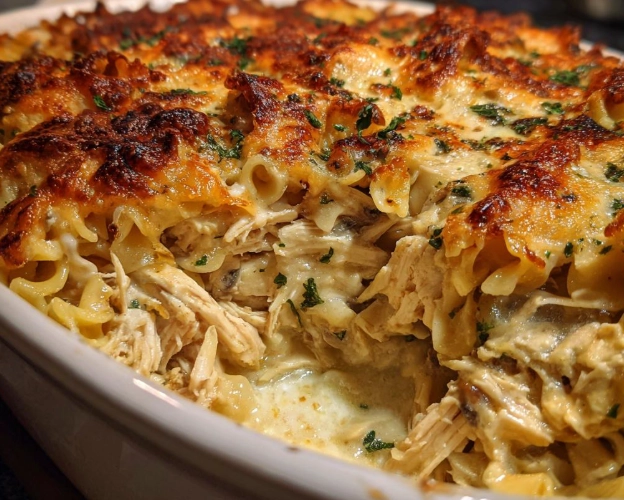
Getting the Texture Right (No More Soggy Bottom!)
I'm not a fan of watery casseroles. The key is managing moisture. Your rotisserie chicken, vegetables (if you're using frozen ones, especially), and sauces all release water. To combat this, don't skip the step of thawing and draining frozen veggies. A quick pat dry of your shredded chicken with a paper towel can help too. For the binding agent—the "glue" of your casserole—you need something that sets. A good bechamel (a simple white sauce made with butter, flour, and milk), a can of condensed cream soup (the classic choice), or a mixture of broth and a bit of cornstarch or flour will thicken beautifully in the oven.
A little trick I swear by? Sprinkle a thin layer of breadcrumbs or crushed crackers on the bottom of your dish before adding the filling. It acts like a mini-pierogi, soaking up excess moisture and giving you a nice little textural surprise.
Flavor Layering is Everything
The chicken is flavorful, but your casserole shouldn't rely on it alone. This is where you build depth. Sauté your onions and garlic until they're soft and fragrant—don't just throw them in raw. Deglaze the pan with a splash of white wine or chicken broth and scrape up those tasty browned bits. Herbs are your best friend. Dried thyme, rosemary, and sage are classic with chicken. A spoonful of Dijon mustard or a dash of Worcestershire sauce can add a wonderful savory punch. Don't forget acid! A squeeze of lemon juice at the end, or a tablespoon of white wine vinegar in your sauce, can brighten the whole dish and keep it from tasting too heavy.
The All-Important Topping
The topping can make or break a rotisserie chicken casserole recipe. It's the textural contrast we crave. Here are the champions:
- Buttery Breadcrumbs or Panko: The gold standard. Toss panko with melted butter, a little garlic powder, and some Parmesan. It gets golden and incredibly crunchy.
- Mashed Potatoes: For a shepherd's pie vibe. Spread them evenly and rough up the surface with a fork for maximum crispy bits.
- Biscuit or Dumpling Drops: For a cozy, stew-like feel. Use canned biscuit dough cut into pieces, or drop spoonfuls of a simple dumpling batter on top before baking.
- Tortilla Chips or Crushed Crackers: A quick, kid-friendly option that adds a salty crunch.
- More Cheese: Sometimes, simple is best. A final blanket of shredded cheddar, mozzarella, or a Gruyere and Parmesan mix that bubbles and browns is always a winner.
My personal favorite? The panko mix. It just never fails.
A Handy Guide to Rotisserie Chicken Casserole Styles
To help you pick your next adventure, here’s a breakdown of the major casserole families. Think of it as a choose-your-own-comfort-food adventure.
| Style | The Vibe | Key Ingredients (Besides Chicken) | Why You'll Love It | Prep Time (Est.) |
|---|---|---|---|---|
| The Creamy Classic | Ultimate comfort food. Rich, hearty, and familiar. | Cream of mushroom/chicken soup, sour cream, mixed veggies, cheddar, butter crackers. | It's the taste of childhood. Consistently delicious and everyone eats it. | 20 mins |
| The Italian Stallion | Zesty, cheesy, and packed with herbs. | Marinara sauce, ricotta/mozzarella, spinach, Italian seasoning, pasta (like penne). | Feels like a baked pasta dish but easier. Great for feeding a crowd. | 25 mins |
| The Southwest Fiesta | Bold, smoky, with a little kick. | Black beans, corn, diced green chiles, cumin/chili powder, tortilla chips, pepper jack cheese. | Packs a flavor punch. Leftovers are amazing for lunch. | 15 mins |
| The Garden Light | Fresh, veggie-forward, feels wholesome. | Broccoli, carrots, bell peppers, light cream sauce or Greek yogurt, lemon zest, whole wheat breadcrumbs. | You feel good after eating it. A great way to use up leftover veggies. | 30 mins |
| The Buffalo Blue | Tangy, spicy, and totally addictive. | Buffalo sauce, celery, blue cheese or ranch dressing, Monterey Jack, celery leaves for garnish. | Game day in a dish. Surprisingly easy and always a hit. | 20 mins |
See? The possibilities go way beyond the standard can-of-soup version. The Southwest style is my go-to when I want something with a bit more personality.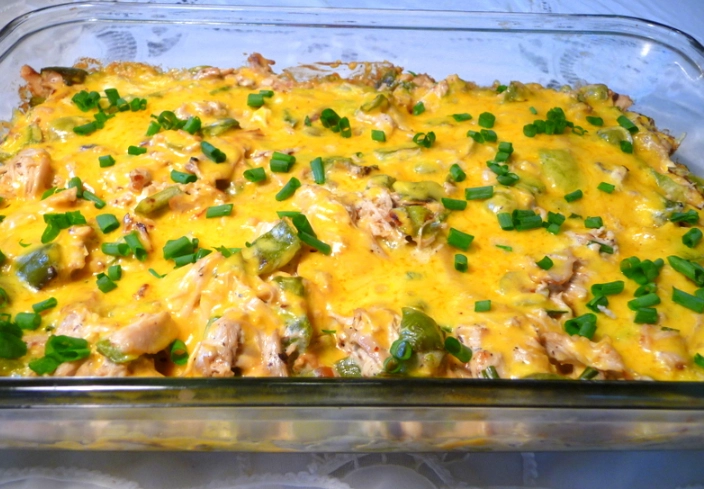
Leveling Up Your Rotisserie Chicken Casserole Game
Once you've got the basics down, you can start playing. Here's where you tailor these rotisserie chicken casserole recipes to your life.
Want to make it ahead? Assemble the whole thing, cover tightly, and refrigerate for up to 24 hours. Just add 10-15 minutes to the baking time. You can also freeze unbaked casseroles for up to 3 months. Thaw in the fridge overnight before baking.
Making It Healthier (Yes, It's Possible)
Comfort food doesn't have to be a guilt trip. For a lighter rotisserie chicken casserole recipe, try these swaps:
- Sauce Base: Swap cream soup for a light bechamel made with low-fat milk, or use pureed cauliflower or white beans to create a creamy, protein-rich base. The American Heart Association has great tips on heart-healthy cooking methods that apply here.
- Cheese: Use strong-flavored cheese like extra-sharp cheddar or Parmesan—you need less to get the same impact. Part-skim varieties work well too.
- Topping: Try whole wheat panko, crushed whole grain crackers, or even a sprinkle of nuts (like sliced almonds) for crunch.
- Veggies: Load it up! Spinach, mushrooms, zucchini, broccoli—they add volume, nutrients, and fiber without many calories.

Dealing with Dietary Needs
Got gluten-free, dairy-free, or low-carb folks at the table? No problem.
Gluten-Free: Use cornstarch or a gluten-free flour blend to thicken your sauce. For topping, gluten-free breadcrumbs, crushed gluten-free crackers, or even crispy fried onions work perfectly. Always check labels on broths and condiments.
Dairy-Free: This is easier than you think. For creaminess, use unsweetened almond or oat milk in your sauce with a dairy-free butter alternative. Nutritional yeast can add a cheesy flavor, and vegan cheese shreds have come a long way. A topping of crushed potato chips or crispy onions adds that necessary crunch.
Low-Carb/Keto: Ditch the pasta, rice, or potatoes. Use low-carb veggies as the bulk—cauliflower rice, broccoli florets, and zucchini noodles are fantastic. Thicken your sauce with a touch of xanthan gum or cream cheese instead of flour. A topping of crushed pork rinds mixed with Parmesan is a game-changing keto crunch.
Your Rotisserie Chicken Casserole Questions, Answered
A Little Story From My Kitchen
I remember the first time I truly appreciated the power of a good rotisserie chicken casserole recipe. It was a chaotic Wednesday. Work ran late, it was pouring rain, and my plan for a healthy salmon dinner was dead on arrival. I stared into the fridge, and there it was: half a rotisserie chicken from two nights prior. I had some wilting broccoli, a half-empty bag of cheese, and a sad-looking onion.
In a kind of desperate haze, I chopped, mixed, and threw it all into a dish with a simple white sauce. Topped it with the last of some breadcrumbs. Forty minutes later, we were eating something that was not just food, but comfort. It was hot, cheesy, filling, and honestly, tasted like I'd put in way more effort than I had. My kid, who usually picks at broccoli, asked for seconds. That's the magic. It's not just about feeding people; it's about giving them a warm, happy pause in a busy day without sacrificing your own sanity.
So next time you're stuck, grab that chicken. Don't overthink it. Toss it with what you have, bake it until it's bubbly, and call it a win. That's what these rotisserie chicken casserole recipes are all about—real food for real life.
Trust me on this.
Reader Comments