Quick Guide
- Why Bother? The Real Benefits of Simple Meal Prep
- Getting Started: Your Mindset and Kitchen Toolkit
- The Simple Meal Prep Blueprint: A Step-by-Step Plan
- Simple Meal Prep Ideas That Won't Bore You
- Answering Your Biggest Simple Meal Prep Questions
- Common Pitfalls and How to Dodge Them
- Making Simple Meal Prep a Habit (Not a Chore)
Let's be honest for a second. How many times have you stared into the abyss of your fridge at 6 PM, feeling hungry, tired, and completely defeated? You order takeout, spend too much money, and eat something that makes you feel sluggish. I've been there more times than I care to admit. The promise of "meal prep" always seemed like something for fitness influencers with perfectly labeled containers and hours to spare on a Sunday. It felt intimidating, rigid, and frankly, a bit boring.
But what if I told you that simple meal prep has absolutely nothing to do with perfection? It's not about making seven identical chicken-and-broccoli lunches. It's about giving your future self a gift. A gift of time, money, and peace of mind on a Tuesday night when you just can't deal. This guide is for the real people—the busy parents, the nine-to-fivers, the students, the ones who just want to eat better without it feeling like a second job.
Why Bother? The Real Benefits of Simple Meal Prep
Everyone talks about saving time, but let's break down what that actually means. It's not just the cooking time. It's the mental load. The endless cycle of "what's for dinner?" is exhausting. When you have a simple meal prep system, that question is already answered.
You save a surprising amount of money. Think about the last time you impulsively bought lunch because you didn't bring anything. Or the grocery items that went bad in the back of your fridge because you didn't have a plan. The USDA's Economic Research Service has data showing that food waste is a significant household expense. By planning and prepping, you buy only what you need and use what you buy.
Then there's the health factor. This is the big one for me. When I'm hungry and unprepared, I make terrible choices. A bag of chips becomes lunch. When healthy food is just a container away in my fridge, I actually eat it. It's that simple. You control the ingredients, the portions, and the salt and sugar content. You're not at the mercy of restaurant portions or hidden calories.
Getting Started: Your Mindset and Kitchen Toolkit
Before you buy a single container, let's fix the mindset. Your goal is progress, not perfection. Start with prepping meals for just two or three days. Maybe just lunches. Maybe just pre-chopping veggies for dinners. That's a win.
The Non-Negotiable Gear (You Probably Already Have It)
You don't need a kitchen makeover. Start with these basics:
- Good Knives & a Cutting Board: A sharp chef's knife and a sturdy board make prep work faster and safer. Dull knives are dangerous.
- Large Sheet Pans: For roasting veggies and proteins all at once. This is the cornerstone of easy, hands-off cooking.
- A Big Pot or Dutch Oven: For soups, stews, chili, or cooking grains like rice or quinoa in bulk.
- Containers: This is where people get obsessed. Don't overthink it. You need containers that are leak-proof (for sauces), microwave-safe, and stackable. Glass is great for reheating and longevity, but BPA-free plastic is fine to start. I've found that having a few different sizes (small for snacks, large for salads) is helpful. Check out resources from the USDA Food Safety and Inspection Service for best practices on storing prepped food safely.
The Simple Meal Prep Blueprint: A Step-by-Step Plan
Here's a practical, no-fail process you can follow every week. It takes about 2-3 hours from start to finish once you get the hang of it.
Step 1: The Plan (15 Minutes, Max)
This is the most important step. Grab a notepad or your phone. Ask yourself: How many lunches do I need? How many dinners? What's my schedule like? Pick 1-2 protein sources, 2-3 vegetables, and 1-2 complex carbs. Keep it simple. Think: roasted chicken thighs, a big tray of broccoli and sweet potatoes, and a pot of brown rice. That's three core components you can mix and match all week.
Then don't! Simple meal prep can be about prepping ingredients, not full meals. Cook plain chicken, plain rice, roasted veggies. During the week, you can turn those into bowls with different sauces (teriyaki, pesto, salsa), add them to salads, or wrap them in tortillas. The components are your building blocks.
Step 2: The Shop (Smart Grocery List)
Shop with your list. Stick to the perimeter of the store for fresh produce, meat, and dairy. This cuts down on impulse buys of processed foods. Buy frozen vegetables! They are pre-chopped, just as nutritious, and a total game-changer for simple meal prep when you're short on time or fresh options.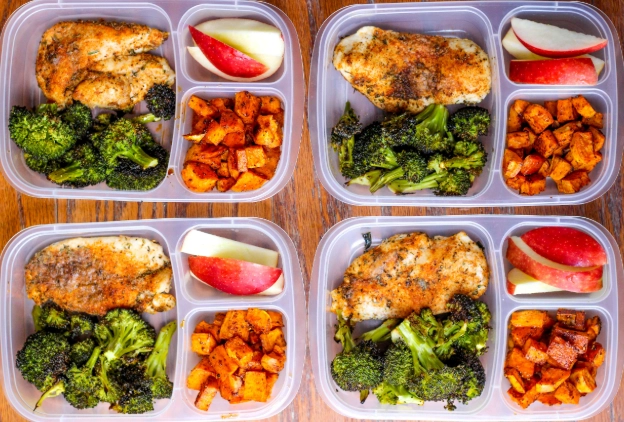
Step 3: The Cook (The Assembly Line Method)
This is where the magic happens. Don't cook one recipe after another. Cook components simultaneously.
- Preheat your oven to 400°F (200°C).
- While it heats, chop all your veggies for roasting. Toss them in oil, salt, and pepper on sheet pans.
- Season your protein (chicken, fish, tofu, chickpeas) and put it on another pan or in a marinade.
- Get your grains or legumes cooking on the stovetop (rice, quinoa, lentils).
- While everything is in the oven and on the stove, wash your fruit, make hard-boiled eggs, or mix a big salad dressing.
You're multitasking kitchen tasks, not recipes. In about an hour, you'll have a fridge full of ready-to-go components.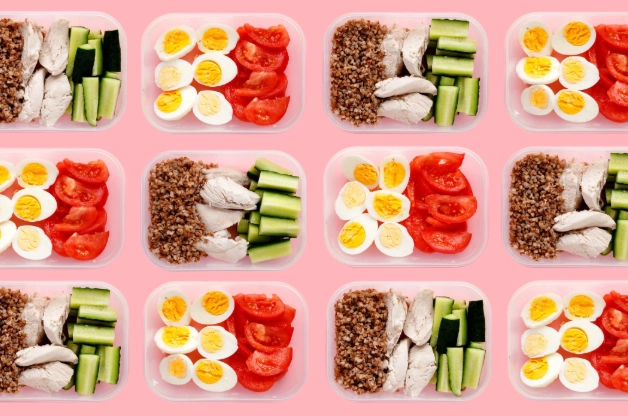
| Component Category | Simple Meal Prep Examples | How to Store & Lasts |
|---|---|---|
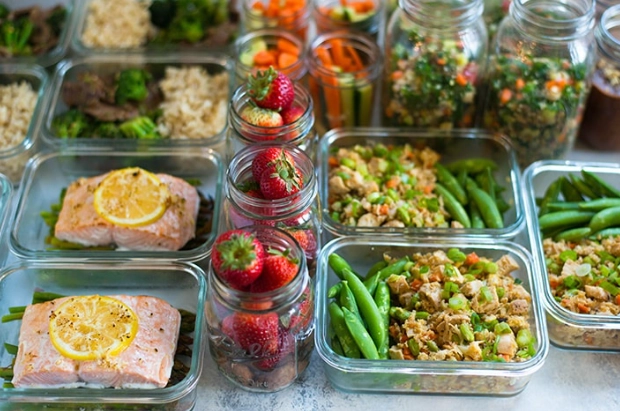
| Proteins | Shredded rotisserie chicken, baked salmon, pan-seared tofu, hard-boiled eggs, batch of black beans. | Air-tight container. 3-4 days for cooked meat/fish, 5-6 days for beans/eggs. |
| Vegetables | Roasted broccoli/carrots, sautéed bell peppers & onions, raw chopped cucumber/celery, washed salad greens. | Greens in a container with a paper towel. Roasted veggies air-tight. 4-5 days. |
| Complex Carbs | Pot of brown rice, quinoa, roasted sweet potato cubes, whole-wheat pasta, whole grain bread. | Air-tight container. Rice/pasta 4-5 days. Bread freezer for longer. |
| Flavor Boosters | Homemade vinaigrette, pesto, salsa, hummus, teriyaki sauce, lemon wedges, fresh herbs. | Small jars or containers. Dressings 5-7 days, pesto/herbs freeze well. |
Step 4: The Assemble & Store
Let everything cool completely before putting lids on containers to prevent condensation (which makes food soggy). I like to store components separately and assemble my lunch the night before or morning of. This keeps textures better. But if you need grab-and-go, assemble full meals right away.
Simple Meal Prep Ideas That Won't Bore You
Forget the bland chicken. Here are concepts, not rigid recipes.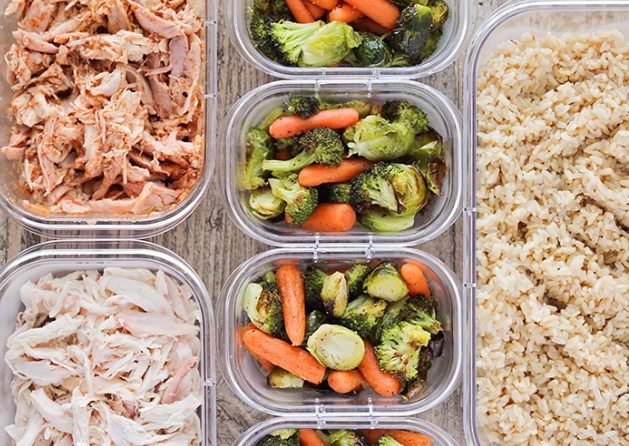
Lunch Bowl Formula
Base (greens or grain) + Protein + 2 Veggies + Healthy Fat (avocado, nuts) + Sauce/Dressing. Infinite combinations.
The "Big Soup or Stew" Sunday
Make a huge pot of lentil soup, chili, or chicken stew. Portion it out. It freezes beautifully. This is the ultimate simple meal prep for winter or when you're really busy.
Breakfast for the Week
Overnight oats in mason jars (just layer oats, milk/yogurt, chia seeds, fruit). Or, make a frittata or egg muffins with veggies and cheese. Reheat in 60 seconds.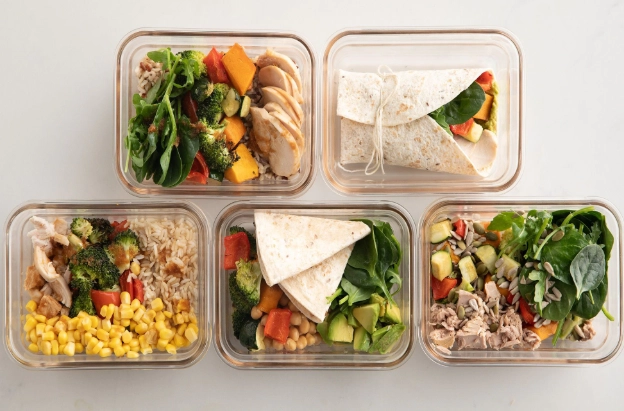
Answering Your Biggest Simple Meal Prep Questions
Let's tackle the stuff that makes people hesitate.
Common Pitfalls and How to Dodge Them
I've made these mistakes so you don't have to.
- Over-ambition: Starting by prepping 21 perfect meals. You'll burn out. Start small. Prep 3 lunches. Celebrate that.
- Under-seasoning: Bland food is why people quit. Don't be afraid of salt, pepper, garlic, herbs, spices, citrus, and vinegar. Flavor is key to enjoyment.
- Ignoring Texture: A meal of all soft food is unappealing. Add crunch! Keep nuts, seeds, or crispy veggies like radish or bell pepper separate and add them when you eat.
- No Snacks: You will get hungry between meals. Prep snacks too: cut fruit, veggie sticks with hummus, a handful of nuts, a yogurt.
Your freezer is your best friend. Don't view simple meal prep as only for the upcoming week. When you make a soup, stew, or even cooked grains, freeze at least two portions. In a few weeks, when you don't feel like prepping, you'll have a "free" homemade meal ready to go. This builds a sustainable safety net.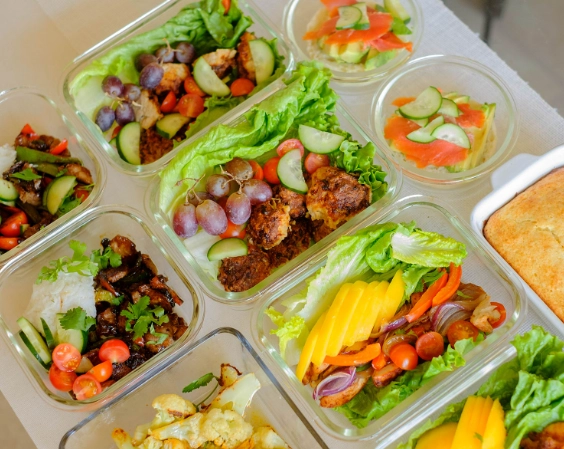
Making Simple Meal Prep a Habit (Not a Chore)
Consistency beats intensity every time. Put your prep time on your calendar like an appointment. Listen to a podcast, audiobook, or music while you cook. Make it enjoyable. Involve your family—someone chops, someone cleans.
Track what you save. Put the money you would have spent on takeout that week into a jar. Seeing the tangible benefit is powerful motivation.
Most importantly, give yourself grace. Some weeks you'll nail it. Some weeks, life happens, and you'll just manage to boil some eggs and wash some grapes. That's still simple meal prep. That's still a win.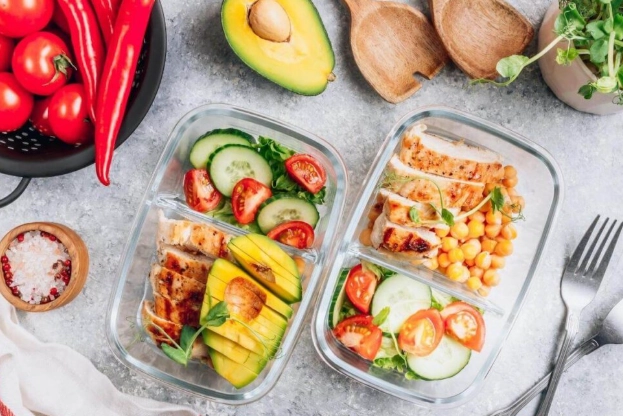
The goal isn't Instagram-worthy containers. The goal is fewer stressful evenings, more nutritious food in your body, and more control over your time and budget. It's about simplicity, not complexity. Start this week. Pick one thing—maybe just chop your veggies for dinners. See how it feels. You might just find that this simple practice changes more than just your meals.
Reader Comments