Your Meal Planning Quick Guide
- Why Bother? The Real Benefits Beyond Saving Money
- Where Do You Even Start? Building Your Meal Idea Foundation
- A Week of Tasty Meal Ideas for Meal Planning (Themed to Make it Fun)
- The Practical Part: From Ideas to an Actual Plan
- Leveling Up Your Meal Planning Game
- Answering Your Biggest Meal Planning Questions (FAQ)
- Let's Wrap This Up (But Not Too Tightly)
Let's be honest. The idea of meal planning sounds great in theory. You picture a perfectly organized fridge, no last-minute panic about dinner, and a wallet that's not crying from too many takeout charges. But then you sit down to actually do it, and your mind goes blank. "What should I make?" That question alone can derail the whole process before you even start.
I've been there. I used to stare at a blank notepad on Sunday evening, feeling the pressure. I'd end up writing "chicken... something" and calling it a plan. Not helpful. The real magic happens when you have a bank of reliable, tasty meal ideas for meal planning that you can pull from without overthinking.
That's what this is all about. This isn't about creating a rigid, joyless schedule. It's about building a flexible system that works for your life. We're going to move beyond just a list of recipes and talk about how to organize them, how to mix and match, and how to finally make your weekly meal planning session something that takes 20 minutes, not an hour of agony.
Why Bother? The Real Benefits Beyond Saving Money
Everyone talks about saving money (and you will), but the mental load relief is the bigger win for me. When 5:30 PM rolls around and you already know what's for dinner, a wave of calm just washes over you. No frantic searches, no arguments about what to eat, just execution.
You also end up eating better. It's a fact. When you plan, you make conscious choices. You're more likely to include that extra vegetable or opt for a lean protein because you decided in a calm moment, not in a hungry, desperate one staring at the fridge. The U.S. Department of Agriculture's MyPlate guidelines are much easier to follow when you've thought ahead.
And yes, your grocery bill shrinks. You buy what you need. You use what you buy. Less food gets wasted. It's simple math, but it's powerful.
Where Do You Even Start? Building Your Meal Idea Foundation
Before you jump into recipes, you need a home base for your meal ideas for meal planning. This can be digital or analog—whatever you'll actually use.
- A Notes App or Document: Simple, always with you. Create a master list titled "Family Favorites" or "Quick Weeknight Wins."
- A Physical Binder or Notebook: For the tactile folks. Print or write recipes and categorize them with tabs.
- A Pinterest Board or Digital Folder: Great for collecting inspiration, but the key is to curate. Don't just pin 100 recipes; create boards like "30-Minute Dinners" or "Soup Season."
My personal system is a hybrid. I have a Google Doc with our absolute go-to meals, and I use Pinterest for aspirational "let's try this someday" ideas. The Doc is the workhorse; Pinterest is the idea magazine.
Categories Are Your Best Friend
Don't just have one giant list. Break your meal ideas down. This makes selecting them for the week brainlessly easy. Here are my core categories:
- The 20-Minute Squad: For those nights you have zero energy. Think stir-fries, pasta aglio e olio, breakfast-for-dinner.
- Make-Ahead & Freezer Heroes: Chili, soups, casseroles, marinated meats. Cook once, eat twice (or more).
- New Recipe Tryouts: Limit yourself to one, maybe two of these a week. It keeps things exciting without being overwhelming.
- Leftover Reinvention: Ideas for turning last night's roast chicken into tonight's chicken quesadillas or salad.
A Week of Tasty Meal Ideas for Meal Planning (Themed to Make it Fun)
Here’s where we get into the good stuff. Using themes for different nights of the week is a game-changer. It gives you a direction, narrowing down the infinite possibilities. Here’s a popular weekly framework you can adapt.
Meatless Monday
Starting the week with a plant-based meal is lighter on the wallet and the planet. It doesn't have to be tofu (unless you love it!).
- Black Bean & Sweet Potato Tacos: Roast cubed sweet potatoes, heat black beans with cumin and chili powder, serve in warm tortillas with avocado, salsa, and cilantro.
- Creamy Red Lentil Soup: Sauté onion, carrot, celery, add red lentils and vegetable broth, simmer until soft, blend half of it for creaminess. Done in 30 minutes.
- Vegetarian Fried Rice: Use day-old rice, scramble an egg in the pan first, then toss in peas, corn, diced carrots, and edamame with soy sauce and a dash of sesame oil.
Taco Tuesday (or Any Global Cuisine Night)
It's a classic for a reason. The formula is flexible: protein + tortilla/shell + toppings. But you can rotate the cuisine!
- Classic Beef or Chicken Tacos: Season ground beef or shredded chicken with a simple mix of chili powder, cumin, garlic powder, paprika.
- Bowls instead of Tacos: A deconstructed taco bowl with rice, beans, your protein, corn, pico de gallo, and guacamole is just as satisfying and easier to pack for lunch.
- Theme Shift: Make it "Asian Tuesday" with lettuce wraps filled with ground turkey sautéed with ginger, garlic, water chestnuts, and hoisin sauce.
One-Pan Wednesday
Midweek calls for minimal cleanup. Sheet pan meals and skillet dinners are the heroes here.
- Sheet Pan Sausage & Veggies: Toss smoked sausage coins, bell peppers, onions, and broccoli with olive oil, salt, pepper, and Italian herbs. Roast at 400°F (200°C) for 20-25 minutes.
- One-Pan Lemon Herb Chicken & Asparagus: Sear chicken breasts in an oven-safe skillet, add asparagus around them, drizzle with lemon juice and olive oil, throw in some garlic and herbs, finish in the oven.
See how that works? Thursday could be Pasta Night, Friday Homemade Pizza or Burger Night, Saturday Slow Cooker or "Chef's Choice" (the new recipe), and Sunday a traditional Roast or Big-Batch Soup day to generate leftovers for Monday.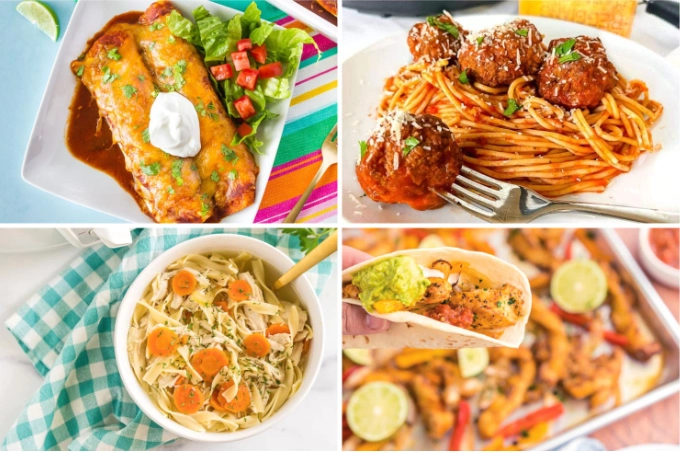
The Practical Part: From Ideas to an Actual Plan
Alright, you have themes and meal ideas for meal planning. Now, let's build a real plan for a hypothetical week. This is where you consider your schedule.
| Day | Theme | Meal Idea | Why It Works This Day | Prep Ahead Tip |
|---|---|---|---|---|
| Monday | Meatless | Creamy Red Lentil Soup, crusty bread | Light start to the week. Soup can be made Sunday. | Make the full soup batch Sunday. It tastes better the next day. |
| Tuesday | Taco/Global | Asian Turkey Lettuce Wraps | Quick cooking. Different flavor profile from Monday. | Chop veggies (onion, bell pepper, water chestnuts) the night before. |
| Wednesday | One-Pan | Sheet Pan Sausage & Veggies | Zero brainpower, almost zero cleanup on a busy hump day. | Cut the sausage and veggies in the morning or previous night. |
| Thursday | Pasta | Pesto Pasta with Cherry Tomatoes & Green Beans | Faster than driving for takeout. Uses up fresh herbs/veggies. | Make or buy pesto ahead. Trim green beans. |
| Friday | Pizza | Homemade Naan Bread Pizzas | Fun, interactive, end-of-week vibe. Everyone tops their own. | Buy naan, shred cheese, prep toppings (mushrooms, peppers, pepperoni) earlier. |
That's a solid, realistic week.
Notice the "Prep Ahead" column? That's the secret sauce. Taking 15 minutes to chop vegetables or measure spices when you have energy turns a 30-minute recipe into a 15-minute one on a busy night. The USDA's Food Safety site has great guidelines on how long prepped ingredients can be safely stored.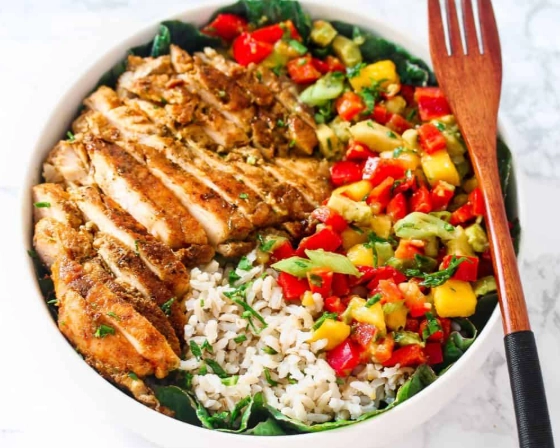
Leveling Up Your Meal Planning Game
Once you have the basics down, these strategies can add efficiency and variety.
The "Cook Once, Eat Twice" (or Thrice) Mentality
This is the ultimate hack for effective meal planning. You're not making a totally new meal every night; you're strategically creating components for multiple meals.
- Sunday's Roast Chicken becomes Monday's chicken salad sandwiches and Tuesday's chicken enchilada filling.
- A big batch of quinoa or rice on Sunday can be a side on Monday, go into a stir-fry on Tuesday, and be part of a lunch bowl on Wednesday.
- Double that taco meat and freeze half for a future "Taco Tuesday" when you have zero time to cook.
Seasonal Swaps Keep Things Fresh
Your meal ideas for meal planning should rotate with the calendar. In summer, my plan is full of salads, grilled meats, and fresh corn. In winter, it's all about soups, stews, and roasted root vegetables. It's cheaper (produce is in season) and just feels right. Resources like SNAP-Ed's Seasonal Produce Guide are fantastic for this.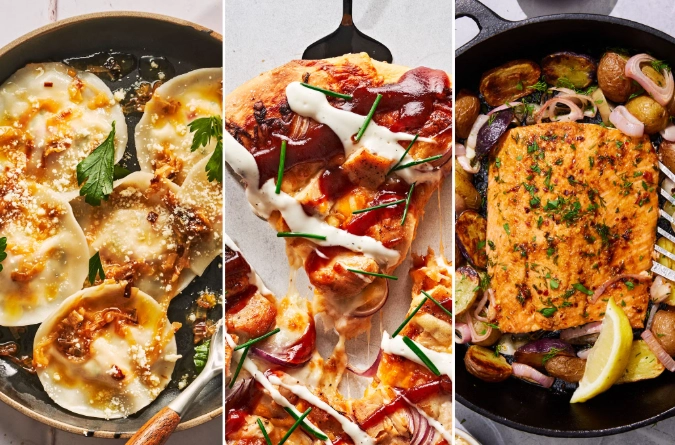
Answering Your Biggest Meal Planning Questions (FAQ)
Q: How do I handle picky eaters with meal planning?
A: Build in customization options. Taco/nacho/bowl bars, pasta with separate sauces, or "deconstructed" meals where components are served separately. Also, include at least one "safe" food they like each night (even if it's just bread or a fruit side). Involving them in choosing one meal idea for the weekly plan can also help buy-in.
Q: I get bored easily. How do I keep my meal plans from feeling repetitive?
A: Use the theme system, but change the themes every few months. Dedicate one week a month to trying a new cuisine (e.g., "Korean Week," "Mediterranean Week"). Also, your master list of meal ideas should be a living document. Prune recipes that no one loved and actively add new finds.
Q: Is meal planning actually cheaper, or do you end up buying more ingredients?
A: It is significantly cheaper, but with a caveat. You must shop your pantry and fridge first. The savings come from reducing food waste (using what you buy) and eliminating impulse takeout purchases. The initial grocery bill might look similar, but your overall monthly food spending will drop because you're not supplementing with expensive convenience foods.
Q: How can I make my meal plans healthier?
A: Plan the vegetable first. Seriously. Instead of "I'll make chicken," think "I have broccoli to use, so I'll make a chicken and broccoli stir-fry." Aim for half your plate to be veggies and fruits. The structured nature of planning makes it easier to incorporate guidelines from sources like Harvard's Healthy Eating Plate, which emphasizes whole grains, healthy proteins, and plenty of produce.
Let's Wrap This Up (But Not Too Tightly)
The goal of finding great meal ideas for meal planning isn't to create a perfect, unbreakable contract with yourself. It's to give yourself a map so you're not lost every single night. Some nights you'll follow the map exactly. Other nights, you'll see a cool detour (leftovers! a friend's invitation!) and take it. That's fine. The map is still there for tomorrow.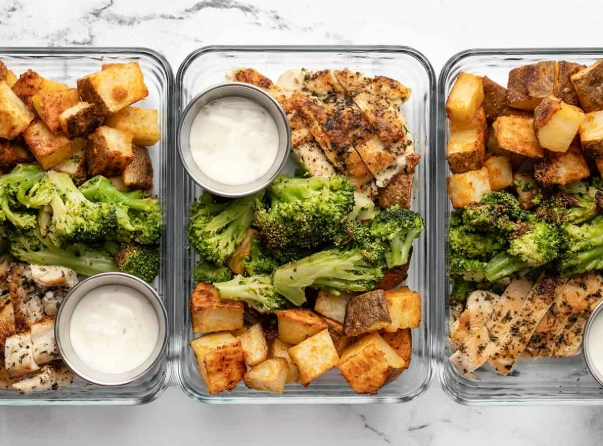
Start small. Don't try to plan seven elaborate dinners. Plan three. Focus on the nights you know are chaotic. Build your master list of favorites slowly, one successful recipe at a time.
The most valuable meal ideas for meal planning are the ones your family actually enjoys and that fit into your real life. Forget the picture-perfect Instagram plans. Aim for a plan that reduces your stress, saves you some money, and gets a decent dinner on the table without a nightly crisis. That's a win in my book.
Now, go grab a notebook or open a doc. Write down three meals you know how to make without a recipe. Congratulations, you've just started your meal planning journey.
Reader Comments