Your Quick Guide to Perfect Quinoa
- Why Your Rice Cooker is the Secret Weapon for Perfect Quinoa
- The Step-by-Step Guide: How to Cook Quinoa in a Rice Cooker Perfectly
- Troubleshooting: Solving Your Rice Cooker Quinoa Problems
- Leveling Up: Advanced Tips & Flavor Boosts
- Frequently Asked Questions (The Stuff You're Really Wondering)
- My Final Take: Is It Worth It?
Let's cut right to the chase. You absolutely can make quinoa in a rice cooker. In fact, once you try it, you might never go back to the stovetop method again. I remember the first time I tried it. I was skeptical, standing in my kitchen thinking it was too good to be true. I'd just ruined a pot on the stove (again), ending up with a soggy, bitter mess. Out of desperation, I rinsed some quinoa, dumped it in my old, basic rice cooker with some water, and hit the cook button. What came out was the fluffiest, most perfectly separated quinoa I'd ever made. It was a genuine kitchen revelation.
The rice cooker is the unsung hero for grains. It provides consistent, indirect heat and, most importantly, it automatically switches to "warm" when the water is absorbed. This eliminates the two biggest hurdles in cooking quinoa: guessing the cook time and managing the heat to prevent burning or sogginess. So if you've been searching for "can u make quinoa in a rice cooker," you've found your definitive guide. We're going to walk through everything, from the basic how-to to pro tips that solve problems you didn't even know you had.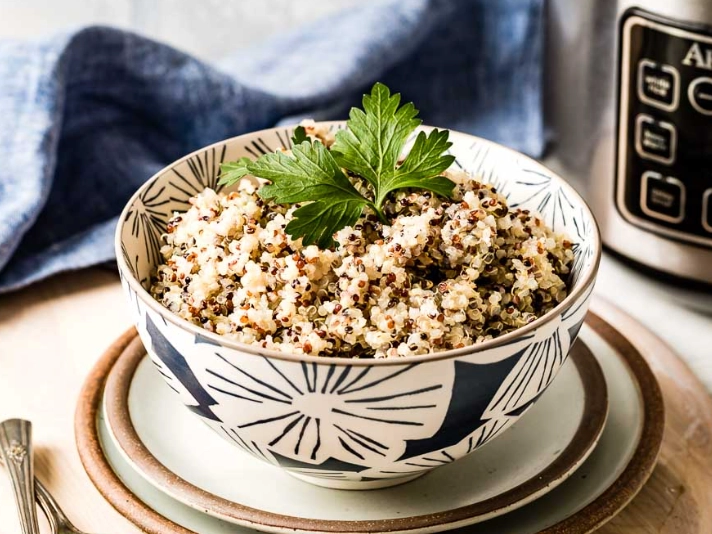
The Core Question, Answered Simply
Yes, you can make quinoa in a rice cooker. Use a 1:1.5 to 1:2 ratio of quinoa to liquid (1 cup quinoa to 1.5-2 cups water or broth). Rinse the quinoa thoroughly first to remove its natural bitter coating (saponin). Add it to the rice cooker pot with your liquid and a pinch of salt. Press the standard "Cook" or "White Rice" button. When it clicks to "Warm," let it sit for 5-10 minutes, then fluff with a fork. Perfect quinoa, zero babysitting.
Why Your Rice Cooker is the Secret Weapon for Perfect Quinoa
Think about what a rice cooker does. It brings liquid to a boil, simmers until the liquid is absorbed, and then drops to a keep-warm temperature. That's the exact process quinoa needs. The main advantage is consistency. Stovetop cooking requires you to listen for the simmer, watch the clock, and judge when the little "tail" (the germ) has sprouted and the liquid is gone. Get it wrong by a minute or with too high heat, and it's stuck to the bottom or mushy.
The rice cooker takes all that guesswork away. It's a set-it-and-forget-it appliance that delivers reliable results every single time. This is especially great for meal prepping. You can cook a large batch of quinoa in your rice cooker on Sunday, and have a healthy base for lunches and dinners all week. No more standing over a hot stove.
I also find it's more forgiving. Even if you're slightly off on the water ratio, the rice cooker's gentle warming cycle often helps even things out. On the stove, that same mistake usually leads to disaster.
Hands-off cooking. That's the real magic here.
The Step-by-Step Guide: How to Cook Quinoa in a Rice Cooker Perfectly
Let's get practical. Here’s the foolproof method. It works with any standard rice cooker, from the simple $20 model to the fancy fuzzy-logic ones.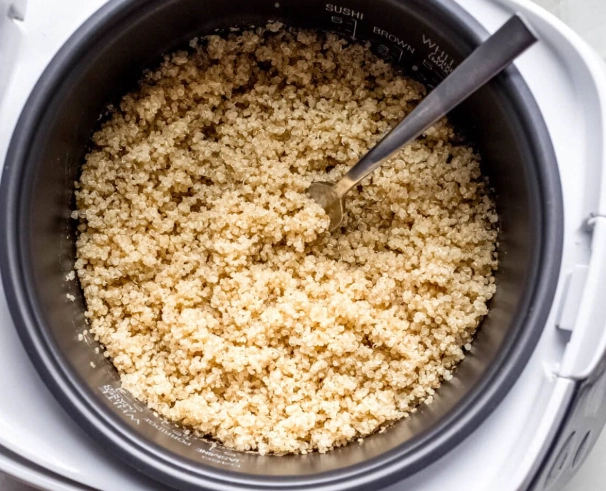
Step 1: Rinse, Rinse, Rinse (Don't Skip This!)
This is the most common mistake. Quinoa has a natural coating called saponin that tastes soapy or bitter. You must rinse it off. Use a fine-mesh strainer and run cold water over the quinoa for a good minute or two, swishing it around with your fingers. The water will go from cloudy to mostly clear. Some pre-packaged quinoa says "pre-rinsed," but I always give it a quick rinse anyway. Better safe than sorry with a bitter-tasting batch.
Step 2: The Golden Ratio of Quinoa to Water
This is where people get nervous. The perfect ratio is slightly less water than you'd use for white rice. Here’s a simple table to take the guesswork out:
| Quinoa Type / Desired Texture | Quinoa (cups) | Liquid (cups - water or broth) | Ratio | Notes |
|---|---|---|---|---|
| Standard White Quinoa (Fluffy) | 1 | 1.75 | 1 : 1.75 | The sweet spot for most cooks. Consistently perfect. |
| Red or Black Quinoa | 1 | 2 | 1 : 2 | These varieties are a bit heartier and can handle/need a touch more liquid. |
| Very Firm Texture (for salads) | 1 | 1.5 | 1 : 1.5 | Results in more separate, al dente grains. |
| Softer Texture (for bowls, porridge) | 1 | 2 | 1 : 2 | Yields a more tender, cohesive result. |
A great resource for understanding the nutritional benefits of whole grains like quinoa is the MyPlate guidelines from the U.S. Department of Agriculture. It reinforces why incorporating quinoa is such a smart choice.
My personal go-to is 1 cup of rinsed quinoa to 1 and 3/4 cups of liquid. I use low-sodium vegetable broth instead of water about 80% of the time. It adds a wonderful savory depth that makes the quinoa delicious on its own. Don't forget a good pinch of salt, even if using broth.
Step 3: The Cooking Cycle & The Rest
Add the rinsed quinoa, liquid, and salt to the inner pot of your rice cooker. Give it a quick stir. Close the lid and press the cook button. That's it. Go read a book, set the table, or help the kids with homework.
When the cooker switches to "Warm," do not open the lid immediately. This is crucial. Let the quinoa steam in the residual heat for 5 to 10 minutes. This finishing step allows any last bit of moisture to distribute evenly and ensures every grain is perfectly tender. After the rest, open the lid and fluff the quinoa with a fork. Fluffing with a fork (not a spoon) helps separate the grains without smashing them.
Pro Tip: The Fork Fluff
Always use a fork to fluff your finished quinoa. A spoon or spatula can compress the delicate grains, turning your light and fluffy masterpiece into a pasty lump. Gently rake the fork from the bottom upwards to aerate it.
Troubleshooting: Solving Your Rice Cooker Quinoa Problems
Even with a foolproof method, sometimes things go sideways. Here’s how to diagnose and fix the most common issues.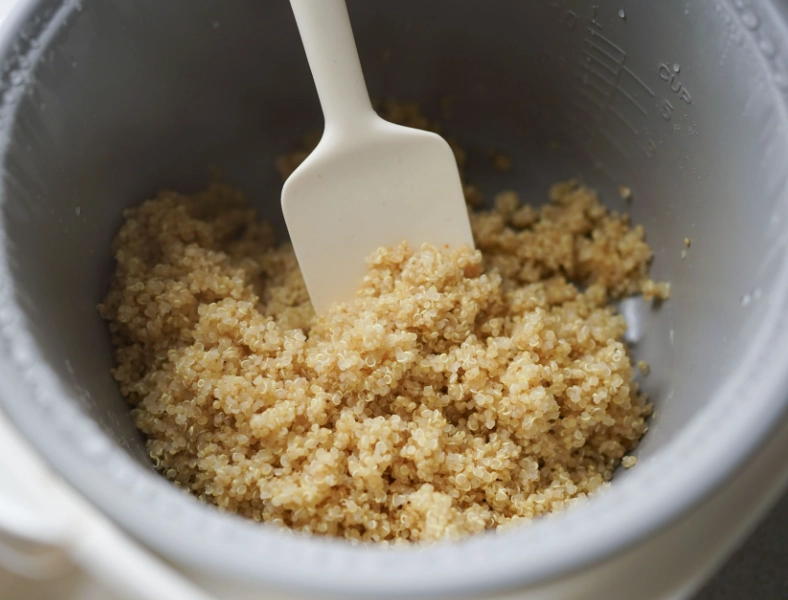
Quinoa is too wet or mushy: You used too much liquid. Next time, reduce the water by 1/4 cup. Also, make sure you are properly draining the quinoa after rinsing. A colander full of water adds to your liquid total. Let it drain well. If it's already cooked and soggy, you can try spreading it on a baking sheet to dry out a bit, or just use it in a recipe where texture matters less, like a burger patty or a thick soup.
Quinoa is too dry or crunchy: Not enough liquid, or the rice cooker switched to warm too early (less common). Next time, add an extra 1/4 cup of liquid. If it's just slightly underdone, you can sprinkle a tablespoon or two of hot water over the top, close the lid, and let it steam on warm for another 5-10 minutes.
Quinoa is burning on the bottom: This can happen with very basic, low-wattage rice cookers. The solution is to add a tiny bit more liquid (an extra 2-3 tablespoons) and to give the pot a quick, gentle stir about halfway through the cooking cycle if you're around. Using broth instead of water can also slightly lower the burning point, so be mindful.
The rice cooker won't start the cooking cycle: Some modern rice cookers have weight or moisture sensors. If the pot is too light (you're cooking a very small amount like 1/4 cup), it might not trigger. Try cooking at least 1/2 cup. Also, ensure the outer housing and the bottom of the inner pot are completely dry before placing it in the cooker.
A Word on Sticking
Some minor sticking on the very bottom is normal, especially with uncoated aluminum pots. It's usually a thin layer that's easy to soak clean. To minimize it, you can lightly coat the pot with a neutral oil like avocado or canola before adding the quinoa and water. I don't always do this, but it helps if cleanup is a major concern for you.
Leveling Up: Advanced Tips & Flavor Boosts
Once you've mastered the basic method for how to cook quinoa in a rice cooker, you can start playing with flavors. This is where it gets really fun.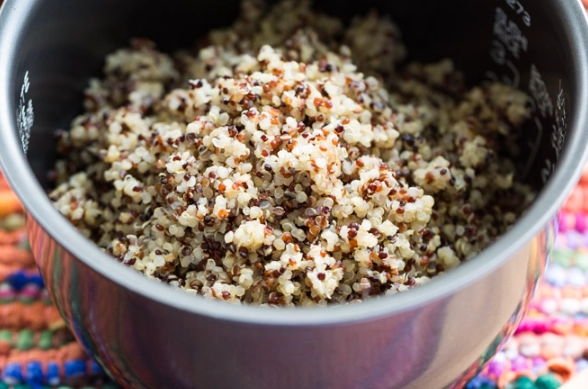
- Toast It First: For a nuttier, deeper flavor, toast the rinsed and drained quinoa in the rice cooker pot with a little olive oil or butter using the "Cook" setting for 2-3 minutes, stirring frequently, until it smells fragrant. Then add your liquid and proceed as normal.
- Infuse Your Liquid: Instead of plain water, use broth (chicken, vegetable, beef). Or add aromatics to the water: a bay leaf, a couple of crushed garlic cloves, a slice of onion, or a sprig of thyme. Remove them after cooking.
- The Pilaf Method: Sauté some finely chopped onion, carrot, or celery in the pot first. Add the quinoa and toast for a minute, then add liquid. You've just made a quinoa pilaf with zero extra dishes.
- Add Healthy Fats: Stirring in a tablespoon of olive oil, coconut oil, or a pat of butter after fluffing adds richness and helps keep grains separate.
For more creative and healthy ways to use whole grains, the Harvard T.H. Chan School of Public Health Nutrition Source is an excellent, science-backed resource for inspiration.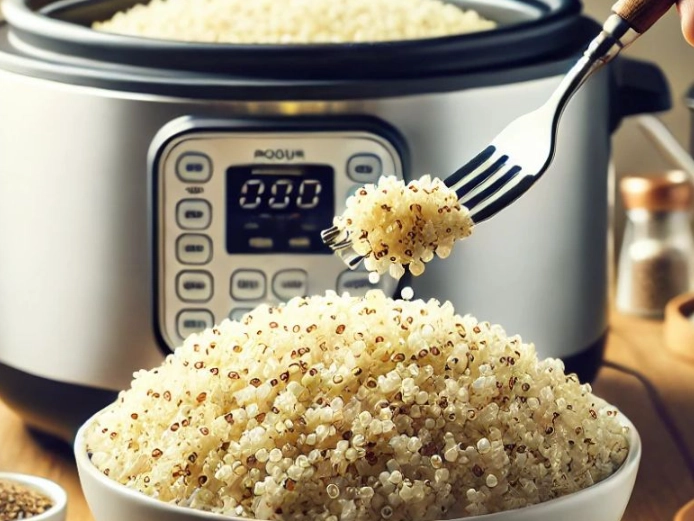
Frequently Asked Questions (The Stuff You're Really Wondering)
Let's tackle those lingering questions that pop up when you're about to try something new in the kitchen.
Do I need a special setting on my rice cooker?
Nope. The standard "Cook" or "White Rice" button is perfect. The cycle time and temperature profile are ideal for quinoa. If you have a "Multigrain" or "Brown Rice" setting, those work great too—they typically cook for a longer time, which is excellent for heartier grains like red quinoa.
Can I cook other grains in my rice cooker this way?
Absolutely. This method works beautifully for millet, amaranth, and even steel-cut oats (with more liquid and a different ratio). It's a fantastic way to explore ancient grains without stress.
How much does quinoa expand?
Quinoa triples in volume when cooked. So, 1 cup of dry quinoa will yield about 3 cups of cooked quinoa. Keep this in mind for meal planning and to ensure you don't overfill your rice cooker pot.
How long does cooked quinoa last?
In an airtight container in the fridge, it keeps beautifully for 5-7 days. You can also freeze it in portion-sized bags for up to 2 months. It reheats wonderfully in the microwave with a sprinkle of water.
My rice cooker has a non-stick pot. Is that okay?
Yes, it's fine. Just avoid using metal utensils to scoop or fluff the quinoa to preserve the coating. A plastic or wooden rice paddle or a fork works best.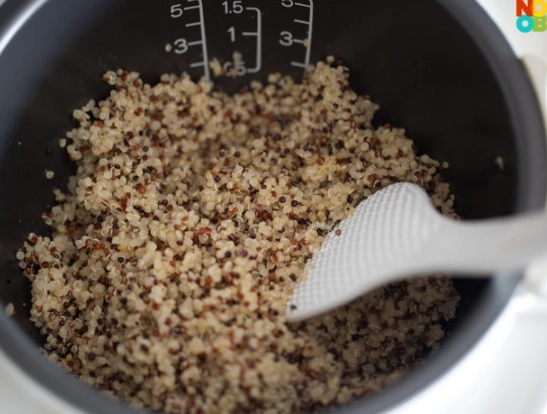
See? All your doubts, addressed.
My Final Take: Is It Worth It?
Look, I love kitchen gadgets that actually deliver on their promise of making life easier. The rice cooker, in my opinion, is one of them. Using it to make quinoa isn't just a hack; it's arguably the best method for home cooks who value consistency and their time.
The stovetop method has its place—it's slightly faster if you're watching it like a hawk. But for hands-off, guaranteed-good results, the rice cooker wins every time. It demystifies the process. Anyone, regardless of cooking skill, can now make perfect quinoa. That's a win.
So the next time you find yourself asking, "can u make quinoa in a rice cooker," you know the answer is not just yes, but a wholehearted "you absolutely should." Give it a shot this week. Rinse that quinoa, use the 1:1.75 ratio, press the button, and walk away. I think you'll be as pleasantly surprised as I was.
Happy, effortless cooking.
Reader Comments