Let's be honest. The words "meal prep" can sound intimidating. Visions of spending your entire Sunday in the kitchen, surrounded by a mountain of identical containers, might pop into your head. But what if I told you there's a secret weapon that makes the whole process simpler, more versatile, and incredibly satisfying? That weapon is humble beef mince.
I've been doing meal prep with beef mince for years now. It saved me during busy work weeks, kept my food budget in check, and honestly, it's just a fantastic way to ensure you always have something tasty ready to go. This isn't about fancy, complicated recipes. It's about smart, efficient cooking that gives you back your time and peace of mind.
So, whether you're a meal prep newbie or someone looking to level up your ground beef game, this guide is for you. We're going to break it all down, step-by-step, without any of the fluff.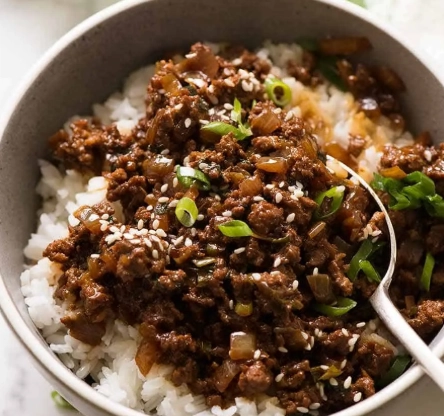
In This Guide
- Why Beef Mince is a Meal Prep Superstar
- Getting Started: Your Meal Prep Foundation
- The Core Meal Prep Beef Mince Recipes
- Leveling Up: Pro Tips & Flavor Variations
- Storing & Reheating: Keeping It Safe & Tasty
- The Budget-Friendly Meal Prep Mindset
- Common Meal Prep Beef Mince Mistakes (And How to Avoid Them)
- Frequently Asked Questions (FAQs) About Meal Prep with Beef Mince
Why Beef Mince is a Meal Prep Superstar
You might wonder why we're focusing specifically on beef mince. Well, it's not by accident. From a practical standpoint, it ticks almost every box for a successful meal prep ingredient.
First, it's incredibly forgiving. Overcook it a little? It's still fine in a sauce. It absorbs flavors like a champ, meaning you can cook a big batch and then split it into different flavor profiles later in the week. Think about it: one base of cooked beef mince can become Italian Bolognese on Monday, Mexican taco filling on Tuesday, and an Asian-inspired lettuce cup filling on Wednesday. That's three distinct meals from one cooking session.
It's also a nutritional powerhouse, packed with protein and iron. And let's talk about the elephant in the room: budget. Compared to other protein sources like chicken breast or fish, beef mince is often more affordable, especially if you buy in larger packs. This makes meal prep beef mince a cornerstone of budget-friendly eating plans.
Getting Started: Your Meal Prep Foundation
Before you even turn on the stove, let's get the basics right. Skipping this step is where a lot of people go wrong, and it can lead to disappointing results or even food waste.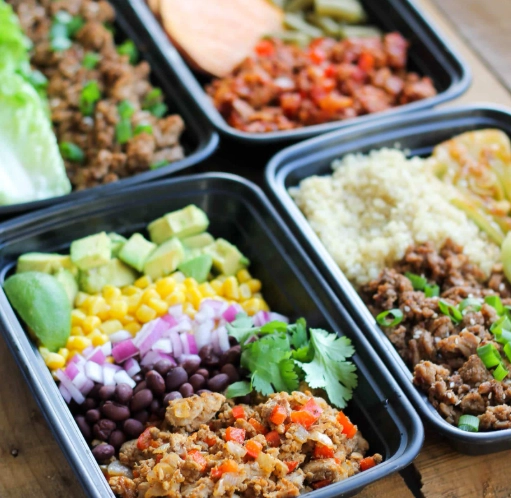
Choosing Your Beef Mince
Not all beef mince is created equal. The fat content is the key thing to look at. You'll see labels like 80/20, 85/15, or 90/10. The first number is the lean meat percentage, the second is the fat.
My personal take? For meal prep, I find 85/15 to be the sweet spot. The 90/10 is very lean but can dry out when reheated, especially if you're using it in dishes without a lot of sauce. The 80/20 has fantastic flavor and stays juicy, but you'll have to drain more fat after cooking, and the calorie count is higher. 85/15 gives you a great balance of flavor, moisture, and leanness. It's my go-to for most ground beef meal prep recipes.
Also, consider the color and smell. It should be a bright red (sometimes the center can be a bit darker due to packaging, which is normal) and have a fresh, slightly metallic smell. Anything that looks brownish-grey or smells sour is past its prime.
Essential Kitchen Tools (You Probably Already Have)
Don't overthink the gear. You don't need a fancy kitchen. Here's what you'll actually use:
- A large, heavy-bottomed skillet or Dutch oven: This is non-negotiable. You need surface area to brown the meat properly, not steam it. A thin pan will burn the mince before it cooks through. I use my trusty cast-iron skillet for almost every batch.
- A sturdy wooden spoon or spatula: For breaking up the meat as it cooks.
- Containers for storage: This is crucial. Glass containers with locking lids are my absolute favorite for reheating. They don't stain or warp, and you can see what's inside. BPA-free plastic works too, but they can get scratched up over time.
- Colander: For draining excess fat if you're using a higher-fat blend.
- Basic prep bowls and knives: For any veggies you're adding.
See? Nothing crazy. The right tools just make the process smoother.
The Basic Cooking Method: Browning It Right
This is the most important technique for meal prep with beef mince. You're not just boiling it until it turns grey. You want the Maillard reaction—that beautiful browning that creates deep, savory flavor.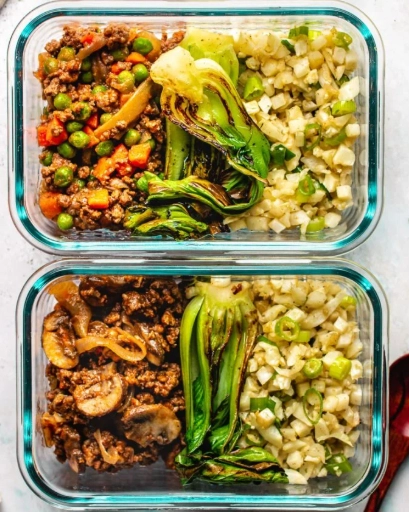
- Heat your pan: Get it nice and hot over medium-high heat before adding any oil.
- Add the mince in batches: Don't crowd the pan! If you dump 2 pounds of mince into a small skillet, it will steam and boil in its own juices, turning grey and rubbery. Cook it in 2 or 3 batches for the best sear.
- Season generously: Don't be shy with salt and pepper right at the beginning. It seasons the meat all the way through.
- Break it up, but not too much: Use your spoon to break the meat into crumbles. Some people like it super fine, others like it chunkier. For meal prep, a medium crumble is versatile. Let it sit for a minute to get a good sear on one side before stirring.
- Cook until no pink remains: This is the food safety step. Make sure it's cooked through.
A common mistake I made for years: I used to constantly stir the mince, preventing any browning. Let it be! Leave it alone for a minute or two to develop those delicious brown bits on the bottom of the pan. Those bits are pure flavor gold.
The Core Meal Prep Beef Mince Recipes
Okay, let's get to the good stuff. Here are three foundational recipes that form the backbone of my weekly meal prep with beef mince. I've laid them out in a table so you can easily compare and choose what works for you.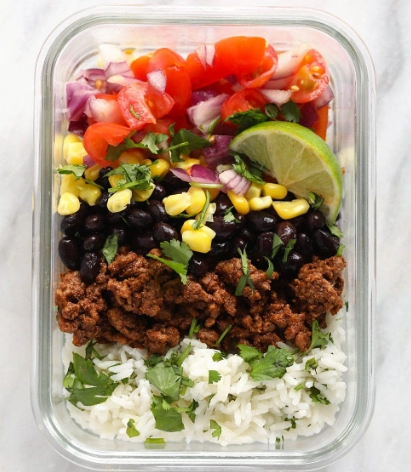
| Recipe Concept | Key Ingredients (Beyond Beef) | Best For | Storage & Reheating Tip |
|---|---|---|---|
| The Universal Savory Base | Onion, garlic, salt, pepper, a dash of Worcestershire sauce. | Absolute beginners. This neutral base can be turned into anything later. | Store plain. Add sauces/seasonings when you reheat for specific dishes. |
| Hearty Tomato & Herb Mix | Canned crushed tomatoes, dried oregano, basil, a pinch of red pepper flakes. | Pasta sauces, stuffed peppers, shepherd's pie base, sloppy joes. | The acidity in tomatoes can sometimes make meat taste "metallic" after 4-5 days. Freeze portions if not using within 3 days. |
| Mexican-Style Taco/Burrito Filling | Taco seasoning (homemade or store-bought), a splash of water or broth. | Taco bowls, burritos, nachos, taco salads, omelet fillings. | Reheat with a tiny splash of water to keep it moist. Store toppings (lettuce, salsa, cheese) separately. |
My personal favorite to prep on a Sunday is the Universal Savory Base. It gives me the most flexibility during the week when I might not know what I'm in the mood for. I'll cook up 2-3 pounds, divide it into containers, and then my future self gets to decide.
My Go-To Universal Savory Base Recipe
This is less a strict recipe and more a template. For every 1 pound (450g) of 85/15 beef mince:
- 1 medium onion, finely diced
- 2-3 cloves garlic, minced
- 1 tbsp olive oil
- 1 tsp kosher salt (or to taste)
- ½ tsp black pepper
- 1 tsp Worcestershire sauce (optional, but adds depth)
Method: Heat oil in your large pan. Cook the onion until soft (5 mins). Add garlic for 30 seconds until fragrant. Push veggies to the side, add the beef in batches, and brown as described above. Once all beef is browned and cooked through, mix everything together, add salt, pepper, and Worcestershire. Let it cool completely before packing away. That's it. The foundation for a dozen meals is done.
This simple beef mince meal prep base is what makes the whole system work.
Leveling Up: Pro Tips & Flavor Variations
Once you've mastered the basics, you can start playing. This is where meal prep beef mince gets really fun and stops you from getting bored.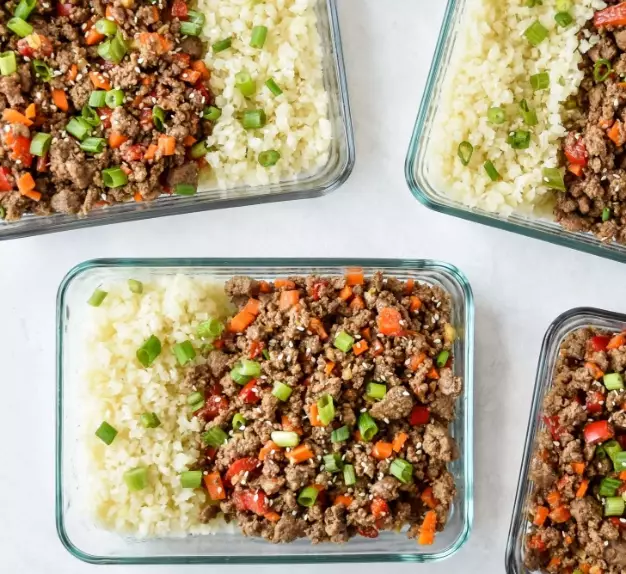
Flavor Boosters (Add at the cooking stage)
- Umami Bomb: Add a tablespoon of tomato paste and let it cook for a minute with the beef before adding any liquid. It caramelizes and adds incredible richness.
- Asian Twist: Substitute soy sauce for Worcestershire, add a bit of grated ginger with the garlic, and finish with a drizzle of sesame oil after cooking.
- Mediterranean Vibe: Stir in a handful of chopped sun-dried tomatoes and kalamata olives at the end. Fresh rosemary is a great herb here.
The "Two-Pan" Method for Ultimate Flavor
Here's a game-changer I learned: cook your aromatics (onions, carrots, celery, mushrooms) in one pan until they are deeply caramelized and soft. Brown your meat in another pan. Then combine them. This builds layers of flavor that most people don't bother with, and it makes your meal prep taste like it came from a restaurant.
Is it more dishes? Yes. Is it worth it for a special batch? Absolutely.
Storing & Reheating: Keeping It Safe & Tasty
This might be the most important section. You can cook the best beef mince in the world, but if you store it wrong, it's all for nothing.
The Golden Rules of Storage
Cool it down, fast. Don't put piping hot mince directly into a container and slam it in the fridge. It raises the fridge's temperature and can sit in the "danger zone" (between 40°F/4°C and 140°F/60°C) for too long, where bacteria thrive. Spread it on a baking sheet or in a shallow dish for 20-30 minutes to bring the temperature down quickly before packing.
Portion for your life. Are you cooking for one? Portion into single-meal containers. For a family of four? Portion into meal-sized containers. This prevents you from having to thaw a giant block when you only need one serving.
Label everything. Write "Beef Base" and the date on a piece of tape. In three days, you won't remember when you made it. Trust me.
I once lost a beautiful batch of bolognese to freezer burn because I used a cheap container with a loose lid. The air got in and turned the surface into a sad, frosty wasteland. Invest in good containers or use high-quality freezer bags, and squeeze out all the air before sealing.
How Long Does It Last?
This is based on guidelines from food safety authorities like the USDA's Food Safety and Inspection Service. For cooked ground beef:
- In the fridge (at or below 40°F/4°C): 3 to 4 days maximum. I personally try to use mine within 3 days for the best quality.
- In the freezer (at 0°F/-18°C): 2 to 3 months for best quality. It's safe indefinitely, but the flavor and texture will degrade after a few months.
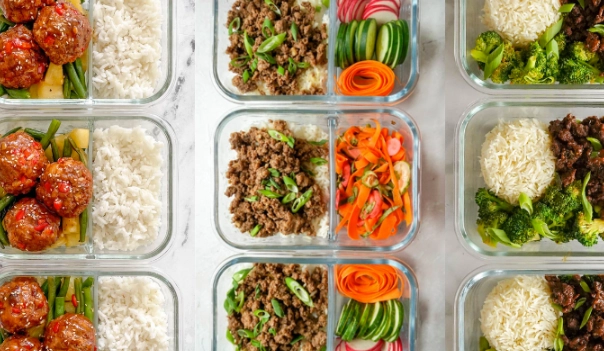
Reheating Without Drying It Out
Ever reheated mince only to find it's turned into dry, sad crumbs? Here's how to avoid that.
For the microwave: Place in a microwave-safe container. Add a tablespoon of water, broth, or even a splash of pasta sauce. Cover loosely (a damp paper towel works). Heat on medium power in 60-second intervals, stirring in between, until piping hot (165°F/74°C). The medium power and added moisture are key.
On the stovetop: This is often better. Gently reheat in a small saucepan over low-medium heat with a splash of liquid. Stir frequently.
The goal is gentle, even reheating, not nuking it into submission.
The Budget-Friendly Meal Prep Mindset
Let's talk money. One of the biggest perks of a solid meal prep beef mince plan is how much it can save you.
Buying larger family packs of beef mince is almost always cheaper per pound. Cook it all at once, and you've leveraged that bulk discount. You're also less likely to order expensive takeout on a Tuesday night when you know you have a delicious, ready-to-eat meal waiting for you.
Pair your prepped beef with inexpensive carbs and veggies. A container of taco beef over a baked potato or mixed with rice and frozen peas is a complete, satisfying meal that costs very little. Organizations like the American Heart Association emphasize balanced meals, and this approach fits perfectly: protein from the beef, carbs from potato/rice, and vitamins from veggies.
Common Meal Prep Beef Mince Mistakes (And How to Avoid Them)
- Not Draining Excess Fat (or Draining All of It): For higher-fat blends, drain the excess grease after cooking. But don't press it dry in the colander. A little fat carries flavor and moisture.
- Over-Seasoning the Base: If you're making a neutral base, go easy on strong seasonings. You can always add more when you turn it into a specific dish later. It's harder to fix an overseasoned batch.
- Using the Wrong Container for Freezing: Thin plastic deli containers crack. Use proper freezer-safe materials.
- Forgetting to Variety: Don't just prep five identical containers of chili. Prep the base and plan for different meals. Your future self will thank you for the variety.
Frequently Asked Questions (FAQs) About Meal Prep with Beef Mince
At the end of the day, successful meal prep with beef mince is about working smarter, not harder. It's about giving yourself the gift of time and good food during your busy week. Start with one batch of the Universal Savory Base. See how it changes your week. You might just find that this simple, humble ingredient becomes the most reliable player in your kitchen.
It did for me.
Reader Comments