Quick Navigation
- Why Bother with Spaghetti Squash Anyway?
- Step Zero: Picking the Perfect Squash
- How to Cook Spaghetti Squash: The Core Methods Compared
- The Secret Weapon: Draining Your Squash "Noodles"
- Top Spaghetti Squash Recipes That Actually Taste Great
- Spaghetti Squash FAQ: Answering Your Real Questions
- Beyond the Basic Plate: Other Uses for Your Squash Strands
- The Final Word on Making It Work
Let's be honest. The first time someone told me I could make "pasta" out of a vegetable, I was skeptical. Really skeptical. I pictured soggy, bland strands that would just make me miss the real deal even more. But then I actually got a good spaghetti squash recipe spaghetti method down, and let me tell you, it was a game-changer for my weeknight dinners.
I'm not here to tell you it's exactly like durum wheat semolina pasta. It's not. But what it is, is a fantastic, satisfying, and wildly versatile base that carries sauces beautifully and leaves you feeling a heck of a lot better after eating it. This guide is everything I wish I'd known when I started – the tricks, the pitfalls, and the recipes that actually work.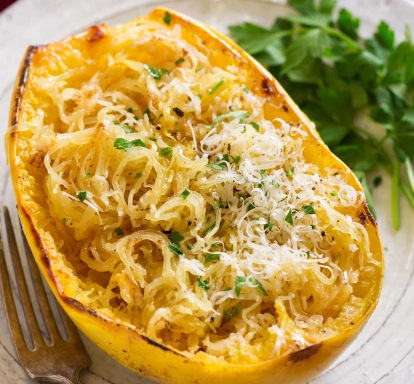
Why Bother with Spaghetti Squash Anyway?
Before we dive into the how-to, let's talk about the why. If you're searching for a spaghetti squash recipe spaghetti, you're probably curious about the benefits. It's more than just a low-carb trend.
First off, the nutritional profile is impressive. According to the USDA FoodData Central, one cup of cooked spaghetti squash has about 40 calories, 10 grams of carbohydrates, and 2 grams of fiber. Compare that to a cup of cooked regular spaghetti, which clocks in around 220 calories and 43 grams of carbs. It's a significant swap if you're watching your intake.
But it's not just about subtraction. This squash adds vitamins like A and C, and minerals like manganese. It's also about 90% water, which contributes to that feeling of fullness. I find a big bowl of spaghetti squash pasta keeps me satisfied just as long as the regular kind, without the afternoon slump.
Then there's the versatility. You can treat it like a blank canvas. It has a very mild, slightly sweet and nutty flavor that pairs with almost anything – from a hearty meat ragù to a light lemon-herb sauce. It's naturally gluten-free, which is a big win for a lot of folks. And honestly, there's something really fun about scraping out those perfect, long strands. It never gets old.
My personal turning point was a failed attempt. I undercooked it, tried to force a heavy cream sauce on it, and the whole thing was a watery, crunchy mess. I almost gave up. The key, I learned, is respecting it as its own ingredient, not just a 1:1 pasta replacement. Get that right, and everything else follows.
Step Zero: Picking the Perfect Squash
This might be the most overlooked step. A good spaghetti squash recipe spaghetti starts at the grocery store or farmer's market.
Go for a squash that feels heavy for its size. That's a reliable indicator of moisture content and good flesh inside. The skin should be hard and uniform in color – a pale, creamy yellow. Avoid any with soft spots, cracks, or green patches (a sign it was picked too early). A matte finish is better than a shiny one; shine can sometimes mean it was waxed for longer storage.
Size matters, but not how you might think. Medium-sized squashes, about 2-4 pounds, tend to have the best texture. The giant ones can sometimes be stringier or more watery. A 3-pound squash usually yields enough "spaghetti" for 3-4 generous servings.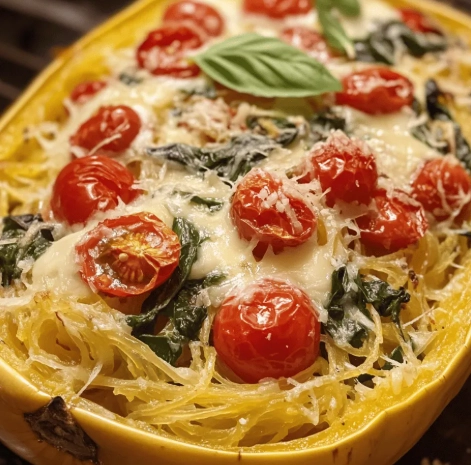
How to Cook Spaghetti Squash: The Core Methods Compared
Here's where people get tripped up. There are a few ways to tackle this, and each has its pros and cons. I've tried them all, and my preference has changed over time. Let's break it down.
| Method | How-To | Pros | Cons & My Notes |
|---|---|---|---|
| Oven-Roasting (Halved) | Cut squash in half lengthwise, scoop out seeds, drizzle with oil, place cut-side down on a baking sheet. Roast at 400°F (200°C) for 35-45 mins. | Classic method. Develops rich, caramelized flavor. Easy to scrape strands. Hands-off cooking time. | Cutting a raw squash can be dangerous (use a sharp, heavy knife and caution!). Can dry out if overcooked. My go-to for flavor. |
| Oven-Roasting (Whole) | Prick squash all over with a fork. Place whole on a sheet. Roast at 400°F (200°C) for 50-60 mins, until tender. | SUPER easy and safe – no cutting required. Squash steams inside its skin, often resulting in moister strands. | Longer cook time. Less caramelized flavor. Can be tricky to tell when it's perfectly done. Great for beginners. |
| Microwave | Prick whole squash, microwave on high for 10-15 minutes, turning halfway. Let rest for 5 mins before cutting. | Fastest method (under 20 mins total). Good in a pinch. | Texture can be uneven (sometimes soggy). No browning or flavor development. I only use this in a true time crisis. |
| Instant Pot / Pressure Cooker | Add 1 cup water to pot. Place whole or halved squash on trasket. Cook on high pressure for 7-10 mins (halved) or 15-20 mins (whole). Quick release. | Very hands-off. Keeps kitchen cool. Consistently tender results. | Again, no browning. Texture is very soft, almost steamed. Good for humid climates when you don't want the oven on. |
| Slow Cooker | Place whole, pricked squash in slow cooker. No water needed. Cook on low for 6-8 hours or high for 3-4 hours. | The ultimate hands-off method. You can literally forget about it all day. | Longest cook time. Texture is very, very soft. Not my favorite, but it works if you're out of the house. |
See what I mean? Your choice depends on your priorities: flavor, speed, safety, or convenience. For the best all-around spaghetti squash recipe spaghetti foundation, I'm team oven-roasting (halved). The flavor payoff is worth the wrestling match with the knife.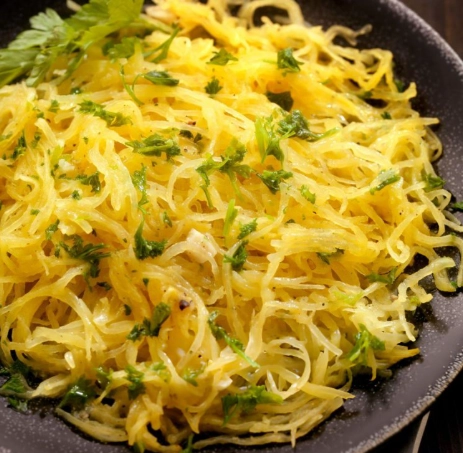
Pro-Tip for Easier Cutting: Seriously, be careful. I stabilize the squash on a damp kitchen towel. Some people microwave it for 2-3 minutes first to slightly soften the skin, which helps. A sharp chef's knife or even a cleaver works best. Go slow and steady.
The Roasting Process, Step-by-Step
Let's walk through my preferred method, because details matter.
After you've conquered the cut and scooped out the seeds and stringy pulp (save the seeds for roasting – they're delicious!), you'll want to season the flesh. A light brushing of olive oil, avocado oil, or even a spritz of cooking spray is essential. This promotes browning and prevents sticking. Don't drench it. Then, a good pinch of salt and pepper. Some people add garlic powder or Italian seasoning here, but I like to keep the squash itself simple and let the sauce do the heavy flavor lifting.
The cut-side down part is crucial. This creates a little steaming environment inside each half, ensuring the flesh cooks through evenly and becomes easy to scrape. Place them on a parchment-lined baking sheet (for easy cleanup).
Now, the roast. 400°F is the sweet spot. You're looking for the skin to be easily pierced with a fork and the cut edges to be slightly browned and caramelized. Timing varies by size. Start checking at 35 minutes. If you're not sure, it's better to go a little longer than to undercook it. Undercooked squash is crunchy and won't form proper strands.
The waiting is the hardest part.
Once it's out, let it cool just enough so you can handle it – about 5-10 minutes. Then, take a fork and start scraping from one end to the other. Those gorgeous, long strands will just peel away. It's incredibly satisfying. If some parts seem stubborn, it might need a few more minutes back in the oven.
Common Mistake Alert: Do NOT add sauce directly to the squash in the shell or on the baking sheet. It will get watery fast. Always transfer your freshly scraped spaghetti squash strands to a large bowl or a clean kitchen towel first. This is non-negotiable for a good texture.
The Secret Weapon: Draining Your Squash "Noodles"
This is the single best tip I can give you for nailing any spaghetti squash recipe spaghetti. Squash is mostly water. When you cook it, that water releases. If you mix sauce right in, you'll get a diluted, soupy mess.
After scraping the strands into a bowl, let them sit for a minute. You'll see liquid pooling at the bottom. Gently tilt the bowl and pour it off. For an even drier, more pasta-like texture, take it a step further: spread the strands on a clean kitchen towel or a few layers of paper towels. Gently press with another towel to absorb excess moisture. This takes 30 seconds and makes a world of difference, especially for cream-based sauces.
Think of it like blotting a salad. You wouldn't put dressing on wet lettuce, right? Same principle.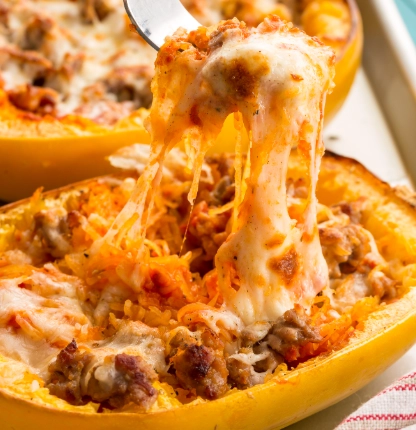
Top Spaghetti Squash Recipes That Actually Taste Great
Okay, you've got perfect, drained strands. Now for the fun part. Here are three failsafe spaghetti squash recipe spaghetti concepts that cover different cravings.
1. The Classic: Garlic, Olive Oil, & Parmesan
This is where you taste the squash itself. Simple and elegant. In a large skillet over medium-low heat, gently cook 3-4 thinly sliced cloves of garlic in 1/4 cup of good olive oil until fragrant and just starting to turn golden. Remove from heat (the residual heat will finish cooking the garlic without burning it). Toss in your hot, drained spaghetti squash strands. Add a big handful of freshly grated Parmesan cheese, a generous amount of black pepper, and a pinch of red pepper flakes if you like heat. Finish with a squeeze of lemon juice and some chopped fresh parsley. The simplicity is stunning.
2. The Comfort Food: Creamy Spinach & “Alfredo”
This feels indulgent but is much lighter. For the sauce, blend 1 cup of raw cashews (soaked in hot water for 20 mins if you don't have a high-power blender) with 3/4 cup of water, 2 tablespoons of nutritional yeast (for that cheesy flavor), the juice of half a lemon, 1 clove of garlic, and 1/2 teaspoon of salt until completely smooth and creamy. In a skillet, sauté a bunch of fresh spinach until wilted. Add the cashew cream and warm through. Toss with the spaghetti squash. Top with a sprinkle of nutmeg and more black pepper. It's rich, velvety, and completely plant-based.
3. The Weeknight Hero: Quick Marinara with Turkey Meatballs
Sometimes you just want a hearty, traditional-tasting plate. Use your favorite jarred marinara (or make a quick one with canned crushed tomatoes, garlic, and dried oregano). For the meatballs, mix 1 lb of lean ground turkey with 1/4 cup of breadcrumbs (or almond flour), 1 egg, 2 minced garlic cloves, 1 teaspoon of Italian seasoning, salt, and pepper. Form into small balls and bake at 400°F for 15-20 minutes until cooked through. Serve the hot spaghetti squash topped with warm sauce and several meatballs. It's family-friendly and deeply satisfying.
The beauty is, once you master the base, any pasta sauce you love can be adapted. Pesto? Absolutely. A meaty Bolognese? Yes, please. A light lemon-caper sauce with shrimp? Perfect.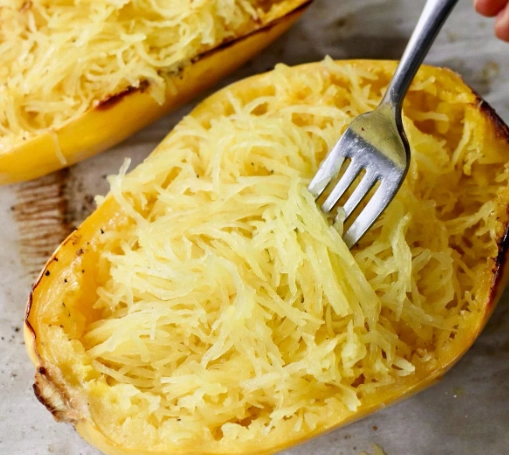
Spaghetti Squash FAQ: Answering Your Real Questions
Beyond the Basic Plate: Other Uses for Your Squash Strands
Don't box yourself into just a pasta bowl. Spaghetti squash is incredibly versatile.
Try using it as a low-carb base for a stir-fry instead of rice noodles. Sauté it quickly with soy sauce, ginger, garlic, and your favorite veggies and protein. It makes a fantastic filler for vegetarian fritters or patties – mix the strands with an egg, some cheese and breadcrumbs, form into patties, and pan-fry. You can even use it as a healthy addition to a breakfast hash, or as a layer in a vegetable lasagna instead of noodles.
I've even seen people use it in a mock "pad Thai" with a peanut-lime sauce. The possibilities are only limited by your imagination (and your willingness to drain it properly!).
The Final Word on Making It Work
Finding a great spaghetti squash recipe spaghetti isn't about finding one magic trick. It's about a process: choosing well, cooking with a method that suits you, and most importantly, treating the cooked squash right by draining it. If you take nothing else from this guide, remember the towel step. It's the line between a good dish and a great one.
It won't fool you into thinking it's restaurant-made fettuccine. But it will give you a delicious, nutritious, and genuinely enjoyable meal that you can feel good about eating regularly. Give it a fair shot, follow these steps, and you might just find yourself, like I did, reaching for a squash instead of a box of pasta more often than you'd expect.
Got a weird squash or a sauce disaster story? We've all been there. The key is to try again. Once you get the hang of it, it becomes one of the easiest, most rewarding things in your cooking repertoire.
Reader Comments