Quick Navigation
- Why Bother? The Real Benefits of Getting Your Meal Prep Sorted
- Finding Your Style: The Four Best Meal Prep Methods (Mix and Match!)
- The Non-Negotiable Gear (And What You Can Skip)
- Building Your Best Meal Prep Plan: A Sample Week
- Food Safety: The Boring But Critical Stuff
- Common Pitfalls & How to Dodge Them
- Leveling Up: Best Meal Prep for Specific Goals
- Answering Your Biggest Meal Prep Questions
- Wrapping It Up: Your First Step
Let's be real for a second. The idea of meal prep sounds amazing on paper. Save money! Eat healthy! Never stare into the fridge at 6 PM again! But then you see those picture-perfect containers on Instagram, all lined up like a colorful army, and suddenly it feels like a part-time job you didn't sign up for.
I've been there. I've bought the thirty identical containers. I've spent my entire Sunday afternoon chopping vegetables until my fingers were numb, only to be so sick of the sight of chicken and broccoli by Wednesday that I ordered a pizza. That wasn't the best meal prep. That was a chore that backfired.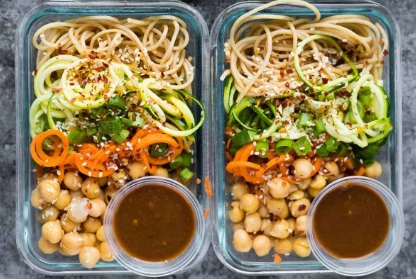
So, let's scrap that intimidating image right now. The best meal prep isn't about perfection or spending your whole weekend in the kitchen. It's about finding a system that makes your life easier, fits your schedule, and helps you reach your goals without the burnout. Whether you're a busy parent, a solo professional, someone trying to manage a health condition, or just tired of wasting food and money, there's a way to do this that works for you.
This guide is that way. We're going to walk through everything, step-by-step, without the jargon. We'll talk about the real benefits (beyond just looking organized), the different methods you can mix and match, the tools you actually need, and the common pitfalls that trip everyone up. My goal is for you to finish reading this and think, "Okay, I can actually try that this week."
Why Bother? The Real Benefits of Getting Your Meal Prep Sorted
Everyone talks about saving time and money, which are huge. But the best meal prep benefits are the ones you feel day-to-day.
First, the mental load. How many decisions do you make about food in a week? "What's for dinner?" "Do we have the ingredients?" "Should I just get takeout?" Decision fatigue is a real thing, and it drains your willpower for more important stuff. Having a plan, even a loose one, clears that mental clutter. You open the fridge, grab the labeled container, and you're done. No 5 PM panic.
Then there's portion control. When you're hungry and cooking from scratch, it's easy to eyeball a little extra pasta or oil. When you portion it out ahead of time, you're in control. This was a game-changer for me when I was trying to be more mindful about my intake. It's not about restriction; it's about awareness.
And let's talk food waste. The U.S. Department of Agriculture estimates that a staggering 30-40% of the food supply is wasted. That's often the sad zucchini in the back of the crisper or the leftover rice that never gets eaten. When you prep with a plan, you buy what you need and use what you buy. It's simpler on your wallet and the planet. The Environmental Protection Agency (EPA) has great resources on preventing food waste at home, and meal prep is a direct line to that goal.
Finally, consistency with health goals. Want to eat more veggies? Prep a big batch of roasted ones. Need more protein for your workouts? Grill a bunch of chicken or cook a pot of lentils. The best meal prep strategy actively supports what you're trying to achieve, rather than leaving it to chance during a busy day.
Finding Your Style: The Four Best Meal Prep Methods (Mix and Match!)
This is where most guides go wrong. They preach one true way. But you're not a robot, and your week isn't identical from Monday to Sunday. The real secret is knowing the different methods and combining them.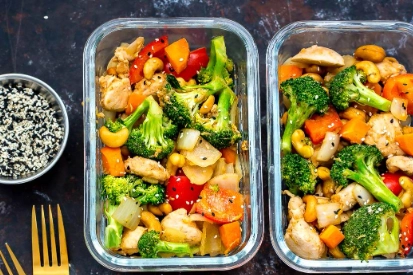
The Batch Cook (The Classic)
This is what most people picture. You cook large quantities of a few core items—grains, proteins, roasted vegetables—and mix-and-match them throughout the week. It's efficient and great for straightforward lunches.
The Make-Ahead Meals (Grab-and-Go)
You prepare complete, portioned meals and store them. This is ultimate convenience. Think: soups, stews, casseroles, and marinated proteins ready to cook.
Perfect for: Lunches, busy weeknights where you just need to reheat.
Not so perfect for: Foods that get soggy (like salads with dressing already on) or textures that don't reheat well (fried foods).
The Ingredient Prep (The Flexible Favorite)
This is my personal winner for the best meal prep for beginners or anyone who hates eating the same thing. You spend your prep time washing, chopping, and pre-cooking ingredients, but you don't assemble meals until you're ready to eat.
- Chop onions, peppers, celery, carrots (the "holy trinity" of so many dishes).
- Cook a batch of hard-boiled eggs.
- Wash and dry salad greens, herbs.
- Marinate chicken breasts or tofu in a zip-top bag.
- Cook a grain like brown rice or farro.
Now, at dinner time, you can throw together a stir-fry, a grain bowl, a big salad, or an omelet in 10-15 minutes. The hard work is done, but you still get to "cook" and decide what you're in the mood for.
The Cook-Once-Eat-Twice (The Strategic Planner)
You intentionally cook extra at dinner to create a second meal. Made a big roast chicken on Sunday? Use the leftovers for chicken salad sandwiches on Tuesday and a chicken soup on Thursday. This requires almost no extra prep time and is brilliantly efficient.
| Method | Best For | Time Commitment | Flexibility |
|---|---|---|---|
| Batch Cook | Lunches, simplicity lovers | High (2-3 hrs upfront) | Low |
| Make-Ahead Meals | Maximum convenience, portion control | High | Low |
| Ingredient Prep | Beginners, variety seekers, families | Medium (1-2 hrs) | Very High |
| Cook-Once-Eat-Twice | Minimizing waste, smart planners | Low (just cook dinner!) | Medium |
See? You can pick one, or you can do a hybrid. Maybe you batch cook grains and roast veggies (Batch Cook), also chop some fresh stuff (Ingredient Prep), and plan to double your Monday night's pasta sauce (Cook-Once-Eat-Twice). That's how you build a best meal prep system that doesn't feel like a cage.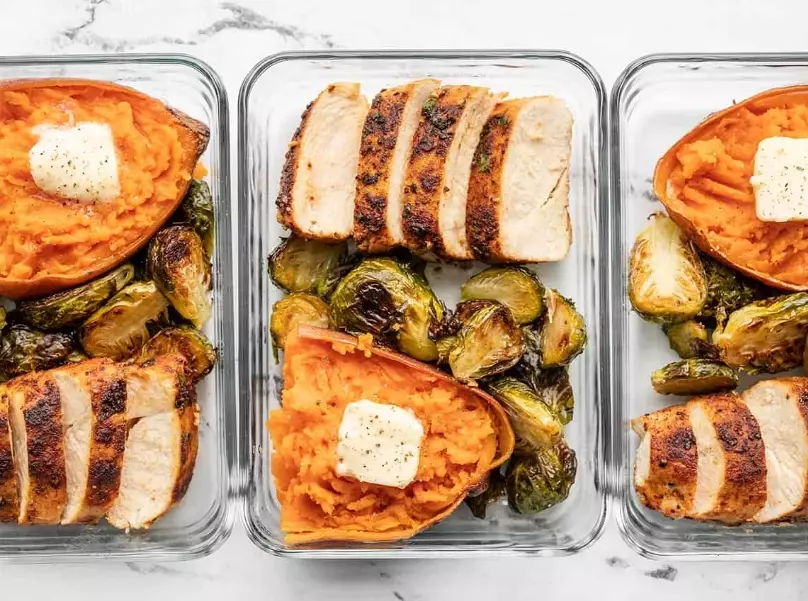
The Non-Negotiable Gear (And What You Can Skip)
You don't need a kitchen full of fancy gadgets. But a few key items make the process infinitely smoother.
Other essentials:
- A great chef's knife and cutting board: If you're chopping a lot, a sharp knife is a safety tool and a time-saver. Seriously.
- Sheet pans (baking sheets): For roasting vegetables and proteins. Lining them with parchment paper makes cleanup a 5-second job.
- A large pot or Dutch oven: For soups, stews, boiling grains/pasta.
- Parchment paper & aluminum foil: For easy cleanup and wrapping things like marinated proteins.
What you can probably skip (at least at first): a fancy vegetable chopper, a million specialized containers, a second fridge. Start simple.
Building Your Best Meal Prep Plan: A Sample Week
Let's make this concrete. Here's what a realistic, hybrid-method week could look like for one person. This assumes a 1-2 hour prep session on a Sunday afternoon.
The Prep Session (Sunday):
- Grain: Cook 1.5 cups of dry quinoa or brown rice.
- Protein 1: Season and bake 4 chicken breasts or a block of cubed extra-firm tofu at 400°F (200°C) for 20-25 mins.
- Protein 2: Hard-boil 6 eggs.
- Veggies (Roasted): Toss 2 heads of broccoli and 3 bell peppers in oil, salt, and pepper. Roast on sheet pans alongside the protein until tender.
- Veggies (Fresh): Wash and chop 1 head of lettuce, 1 cucumber, and 1 pint of cherry tomatoes. Store greens with a paper towel to absorb moisture.
- Dressing/Sauce: Whisk together a simple lemon-tahini or Greek yogurt herb dressing.
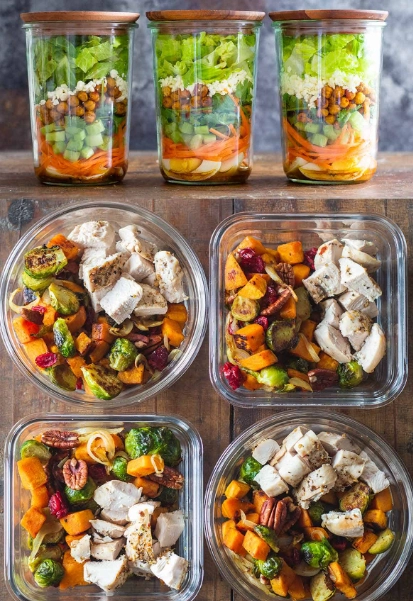
The Week's Meals (Mix & Match):
- Lunch Bowl: Quinoa + chicken/tofu + roasted veggies + drizzle of sauce.
- Big Salad: Lettuce, cucumber, tomato, hard-boiled egg, leftover roasted veggies, maybe some chickpeas.
- Stir-fry (Wednesday Night): Sauté some of the pre-chopped fresh veggies, add cubed leftover chicken/tofu, serve over leftover quinoa. Takes 10 minutes.
- Breakfast: Hard-boiled egg with a piece of fruit, or a quick scramble with leftover veggies.
Food Safety: The Boring But Critical Stuff
You can't talk about the best meal prep practices without this. Getting sick from old food is the fastest way to quit forever.
Follow the "2-Hour Rule" from the U.S. Centers for Disease Control and Prevention (CDC): Get cooked food into the fridge within 2 hours of cooking (1 hour if it's above 90°F/32°C outside). Don't let it cool on the counter for hours.
Storage Times: This is a general guide. When in doubt, smell and look. If it's off, toss it.
- Cooked grains & beans: 3-5 days in the fridge.
- Cooked poultry & meat: 3-4 days.
- Cooked soups & stews: 3-4 days.
- Chopped fresh vegetables (onions, peppers): 5-7 days.
- Leafy greens (washed & dried): 3-5 days.
The Freezer is Your Friend: If you won't eat it within 4 days, freeze it. Portion soups, cooked meats, and even grains into containers or bags. Label them with the date! A frozen batch of chili or bolognese is a future gift to your busy self.
Common Pitfalls & How to Dodge Them
I've made these mistakes so you don't have to.
Pitfall 1: Prepping Foods That Don't Keep Well. Avocado turns brown, crispy fries get soggy, and a pre-dressed salad is a wilted mess by day two. Prep the components separately and assemble close to eating.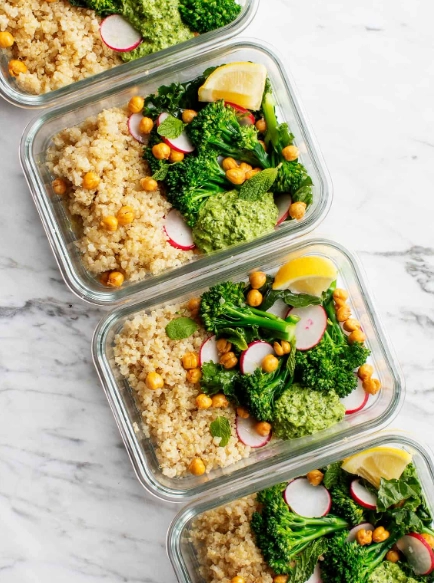
Pitfall 2: No Flavor Variety. Eating plain baked chicken and steamed broccoli for 5 days is a recipe for failure. Use spices, herbs, and different sauces. That lemon-tahini sauce from earlier? It makes the same bowl taste totally different than a peanut sauce or a pesto.
Pitfall 3: Underestimating How Much You'll Eat. Start small. Don't prep 10 portions of a new recipe you've never tried. Make 2 or 4 first to see if you like it.
Pitfall 4: Thinking It's All or Nothing. Did you only have time to chop veggies this week? Great! That's still meal prep. Did you only prep lunches? Fantastic! That's 5 decisions you don't have to make. Any step forward is a win.
Leveling Up: Best Meal Prep for Specific Goals
Once you have the basics down, you can tweak your prep to target specific outcomes.
For Weight Loss & Calorie Control
Portioning is your best friend. Use a food scale initially to understand what 4 oz of chicken or 1 cup of cooked rice looks like. Prep meals that are heavy on non-starchy vegetables and lean protein to stay full. Resources like the USDA's MyPlate are a great visual guide for building balanced plates.
For Building Muscle & High Protein
Focus on prepping your protein sources in bulk: grilled chicken, lean ground turkey, fish, tofu, tempeh, and legumes like lentils. Hard-boiled eggs are a perfect snack. Having these ready makes it easy to hit your protein goals without cooking at every meal.
For Plant-Based/Vegan Diets
Batch-cook a variety of plant proteins: a pot of lentils, a batch of chickpeas, marinated baked tofu or tempeh. Also, roast a wide array of vegetables and cook different whole grains (farro, quinoa, millet). This creates endless bowl combinations and prevents boredom.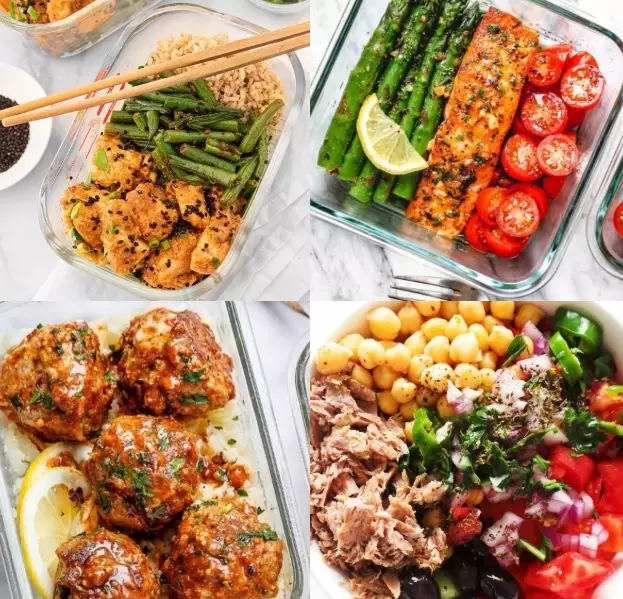
Answering Your Biggest Meal Prep Questions
Let's tackle some of the things people are secretly wondering when they search for the best meal prep ideas.
Wrapping It Up: Your First Step
Don't try to overhaul your entire life on Monday. That's a setup for failure.
Pick one thing. Maybe it's just chopping vegetables for the week. Maybe it's cooking a double batch of dinner on Tuesday and packing the extras for lunch on Wednesday. Maybe it's simply writing down a loose dinner plan for the week before you go grocery shopping.
That's it. Start there. See how it feels. Celebrate that small win. Then, maybe next week, you add one more element.
Remember, the goal isn't Instagram-worthy containers. The goal is less stress, healthier choices, and more time and money for the things you actually enjoy. That's the true mark of the best meal prep strategy—it works for you, not the other way around. Now go on, give one tiny part of it a shot this week. You've got this.
Reader Comments