Let's be honest. The idea of spending your entire Sunday afternoon chopping, roasting, and portioning food for the week sounds about as fun as doing taxes. I used to think that too. I'd see those perfect Instagram grids of identical meals and think, "No thanks, I like spontaneity." Then I had a week where I spent over $80 on mediocre takeout, felt sluggish, and wasted a fridge full of spoiled groceries. That was my wake-up call.
Meal prep isn't about eating the same chicken and broccoli seven days in a row. It's a system. A strategy to take back control of your time, your health, and your wallet. When you do it right, it creates freedom, not restriction. You stop asking "what's for dinner?" at 6 PM and start knowing you have a good meal, ready in minutes.
What's Inside This Guide?
What is Meal Prep and Why Should You Care?
Meal prep, or batch cooking, simply means preparing parts or all of your meals ahead of time. It's not an all-or-nothing game. You might just hard-boil a dozen eggs and wash some berries. That's meal prep. You might cook two pounds of ground turkey and three cups of rice. That's meal prep too.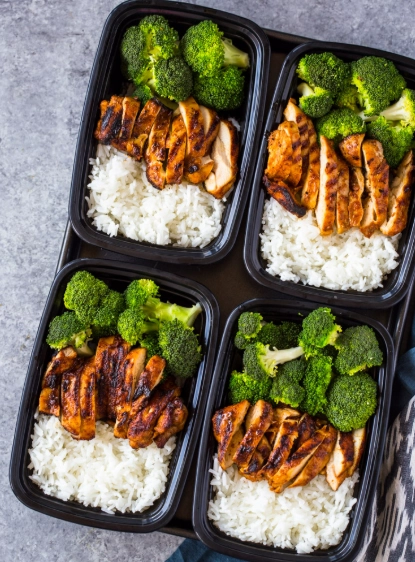
The benefits are real, and they go beyond just saving money (though you will). According to dietary guidance from sources like the USDA's MyPlate, having healthy components ready makes it easier to build balanced meals. But the biggest win is mental. Decision fatigue is real. Removing the "what to eat" question from your weekday equation frees up a surprising amount of brain space.
Think about your last stressful workday. Now imagine opening your fridge to find a container of homemade chili or a vibrant salad jar. That feeling of relief? That's the goal.
The #1 Mistake Beginners Make (And How to Skip It)
Everyone talks about prepping on Sunday. I'm here to tell you that might be your first mistake. If you're new to this, the thought of dedicating a 3-hour block on your only day off is a recipe for burnout and resentment.
Here's the non-consensus view: Start small and start weird. Don't prep full meals at first. Prep components.
My first successful foray into meal prep was on a random Wednesday night. I was already making pasta for dinner. I just boiled an extra cup of quinoa and roasted an extra tray of broccoli while the water was boiling. It took 10 extra minutes. The next day, I had the base for a lunch bowl. That felt manageable. That felt like a win.
The other subtle error? Overcomplicating recipes. Your first meal prep meal should not be beef bourguignon. Start with flavors and foods you already know and love. If you eat tacos every Tuesday, prep the taco meat and chop the toppings. You're just shifting the work, not reinventing your diet.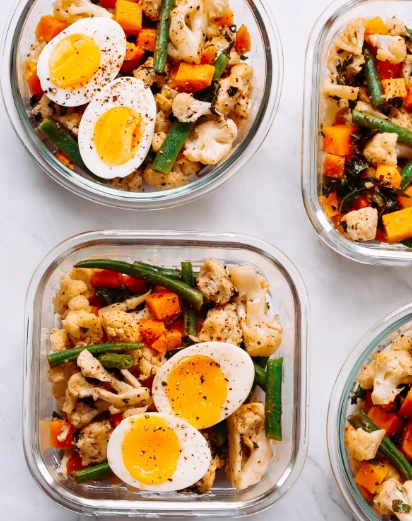
How to Start Meal Prepping: A Realistic 4-Step Framework
Forget the rigid 5-hour plans. Follow this flexible framework instead.
Step 1: The 10-Minute Planning Session
Grab a notepad. Look at your calendar for the upcoming week. How many lunches do you actually need? (Maybe you have a work lunch one day). How many dinners will you be home for? Now, pick one or two recipes to batch. Choose recipes that share ingredients to minimize waste and cost. A template I love: one soup/stew, one bowl formula, and a prepped protein.
Step 2: Strategic Shopping
Stick to your list. The perimeter of the grocery store is your friend—produce, meat, dairy. For pantry staples, buying in bulk (like rice, beans, spices) saves money in the long run. Don't forget the containers! I made the mistake of using old takeout containers once. Leaky soy sauce all over my bag. Invest in a few good glass containers with locking lids.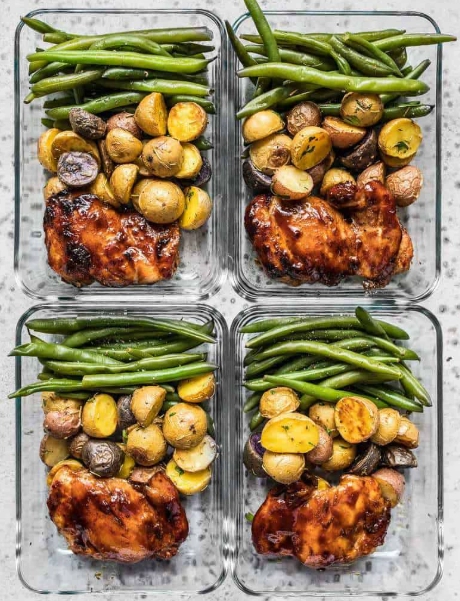
Step 3: The Power Hour (Not a Whole Day)
This is the core. Put on some music or a podcast. Use your oven efficiently—it should always be on. While one sheet pan of roasted veggies is in, you can be sautéing protein on the stove and chopping salad greens. Cook grains in broth instead of water for instant flavor. This parallel processing is the key to speed.
Pro Tip: Season aggressively. Food tastes blander when cold. Don't be shy with herbs, spices, acid (lemon juice, vinegar), and salt during cooking. It makes a world of difference upon reheating.
Step 4: Smart Assembly & Storage
Let food cool completely before sealing containers to prevent condensation (which leads to sogginess). Portion meals based on how you'll eat them. I use a mix: some fully assembled lunches, and some containers of separate components for more flexible dinners.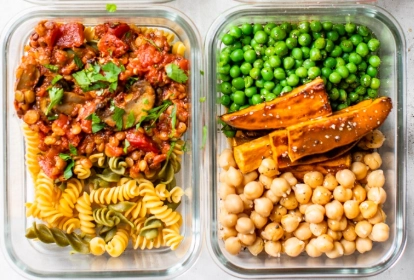
Here’s a quick guide to how different foods hold up:
| Food Type | Best Prep Method | Fridge Life | Freezer Friendly? |
|---|---|---|---|
| Cooked Chicken Breast | Roast, bake, or poach | 3-4 days | Excellent |
| Ground Meat (Turkey/Beef) | Brown with spices | 3-4 days | Very Good |
| Roasted Vegetables | High-heat roast | 4-5 days | Good (texture changes) |
| Leafy Greens/Salads | Wash, dry THOROUGHLY | 3-4 days | No |
| Cooked Grains (Rice, Quinoa) | Cook in broth | 5-6 days | Very Good |
| Soups & Stews | Simmer | 4-5 days | Excellent |
3 Foolproof Meal Prep Recipes for Absolute Beginners
These are designed for maximum flavor with minimal active effort.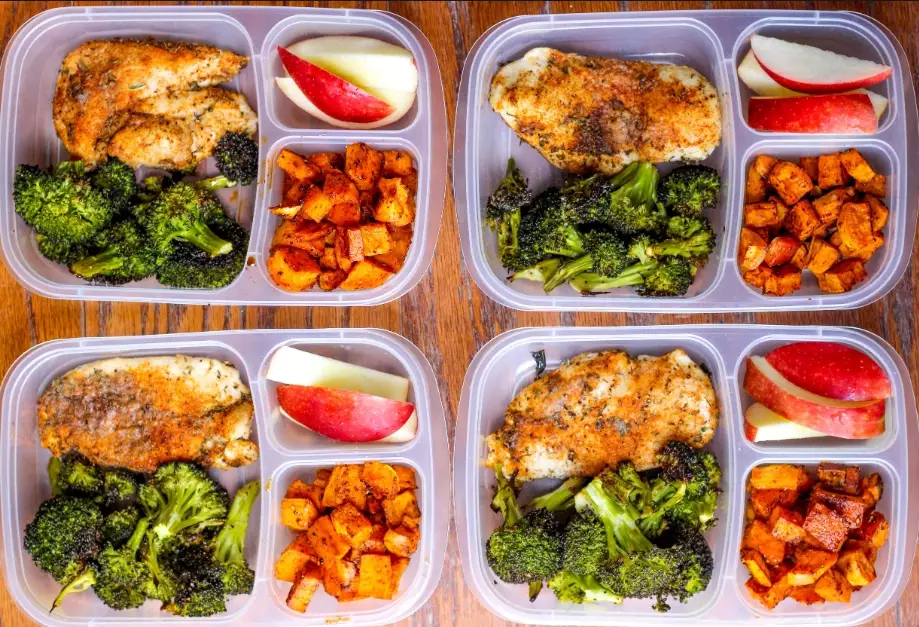
1. The "No-Recipe" Protein & Veggie Bowl
Formula: Grain + Protein + Veg + Sauce = Lunch.
- Base: 2 cups cooked brown rice or quinoa.
- Protein: 1 lb chicken thighs, seasoned with paprika, garlic powder, salt, pepper, baked at 400°F for 25 mins.
- Veg: 1 large broccoli crown and 2 bell peppers, chopped, tossed in oil, salt, and pepper, roasted on a sheet pan at 400°F for 20 mins.
- Sauce: Store-bought pesto, tahini sauce, or a simple mix of Greek yogurt, lemon juice, and dill.
- Assembly: Divide grains among 4 containers. Top with sliced chicken and roasted veggies. Store sauce separately. Add fresh greens when serving if you like.
2. Lazy Lentil Soup
This is my cold-weather staple. It's cheap, filling, and tastes better every day.
- Sauté 1 diced onion, 2 carrots, and 2 celery stalks in a large pot.
- Add 4 cloves minced garlic, 1 tbsp tomato paste, 1 tsp cumin, 1/2 tsp smoked paprika. Cook for 1 minute.
- Add 1 cup brown or green lentils (rinsed), 6 cups vegetable or chicken broth, and a bay leaf.
- Bring to a boil, then simmer for 35-40 minutes until lentils are tender.
- Season with salt, pepper, and a splash of red wine vinegar or lemon juice at the end. Portion into bowls. Freezes perfectly.
3. Mason Jar Salads That Don't Get Sad
The trick is the order. You build from the bottom up.
- Layer 1 (Bottom): Dressing. 2-3 tablespoons of your favorite vinaigrette.
- Layer 2: Hard, non-porous veggies. Cherry tomatoes, cucumbers, shredded carrots, chickpeas.
- Layer 3: Protein and/or cheese. Chopped grilled chicken, hard-boiled egg, tuna, feta cubes.
- Layer 4 (Top): Greens. A big handful of spinach, arugula, or romaine. Press down gently.
- To eat: Dump into a bowl or shake the jar vigorously. The dressing coats everything perfectly from the bottom up.
Storage, Reheating, and Keeping Things Interesting
Glass containers are worth every penny. They reheat evenly, don't stain, and last forever. For reheating, add a splash of water to grains and proteins before microwaving to prevent drying out. For soups, reheat on the stove if possible—it just tastes better.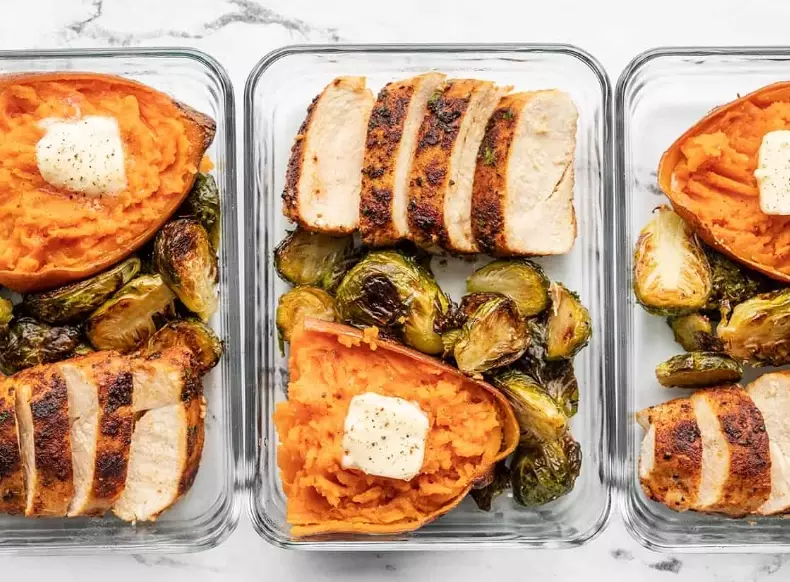
Boredom is the killer of meal prep habits. Combat it with "accessories." Keep a variety of sauces (sriracha, yogurt sauce, salsa), crunchy toppings (nuts, seeds, crispy onions), and fresh herbs (cilantro, parsley, basil) on hand. A sprinkle of fresh herbs or a squeeze of lime before eating can completely transform a prepped meal.
Your Top Meal Prep Questions, Answered
How do I keep my meal prep meals from getting soggy?
The key is to store components separately. Keep wet ingredients like sauces, dressings, and juicy vegetables (think tomatoes) in small containers or at the very bottom of a jar salad. Assemble your meal just before eating. For salads, the mason jar method is perfect—dressing at the bottom, creating a barrier with hearty veggies.
What are the best containers for meal prep?
I've tried them all. Invest in good-quality, BPA-free glass containers with tight-sealing, snap-on lids. Brands like Pyrex or IKEA's 365+ series are workhorses. They don't stain from tomato sauce, are microwave and dishwasher safe, and will last for years. Avoid the cheap, flimsy plastic ones—they warp, leak, and need constant replacing.
How long do meal prep meals last in the fridge?
Most cooked meals are safe and taste best within 3-4 days. That's why I suggest prepping for about half the week (e.g., Sunday for Mon-Wed) and maybe doing a mini-prep Wednesday night for Thu-Fri. Cooked grains and roasted vegetables hold up well for 5 days. Cooked chicken, fish, and ground meats are best eaten within 3 days. Always use your senses: if it smells off or looks slimy, toss it. When in doubt, throw it out.
I get bored eating the same thing. How can I add variety?
This is where component prepping shines. Don't make 5 identical chicken-and-broccoli boxes. Cook a big batch of a neutral base like quinoa or shredded chicken. Then, throughout the week, create different meals. Monday: Chicken quinoa bowl with pesto. Tuesday: Chicken quinoa soup (add broth and frozen veggies). Wednesday: Chicken salad sandwich (mix chicken with Greek yogurt and celery). Same core ingredient, three totally different meals. Sauces and global spice blends (taco seasoning, curry powder, Italian herbs) are your best friends for creating variety.
The real secret to meal prep isn't perfection. It's progress. It's the peace of mind that comes from knowing dinner is handled on a Tuesday when your meeting runs late. It's the $40 you didn't spend on delivery. It's feeling nourished because you ate the veggies you prepped instead of the chips from the vending machine.
Start with one thing. Roast a tray of veggies. Cook an extra cup of rice. See how it feels. You might just find that this "chore" becomes your secret weapon for a calmer, healthier week.
Reader Comments