Quick Guide to Lunch Success
Ever stare at the office microwave, wondering what to eat? I used to do that every day. Buying lunch seemed easier, but my wallet and health suffered. Then I started making easy lunch meals for work. It changed everything. Now, I save time, money, and actually enjoy my midday break. Let me share how you can too.
Why Easy Lunch Meals Matter
Think about it. Lunch at work doesn't have to be a chore. When you prep easy meals, you control what you eat. No more hidden sugars or excessive sodium from takeout. I remember a phase where I ate cafeteria sandwiches daily—I felt sluggish by 3 PM. Switching to homemade lunches gave me more energy and saved over $50 a week.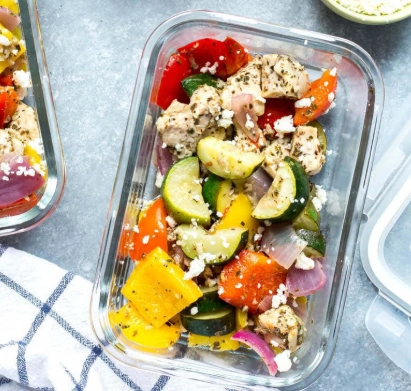
Plus, it's efficient. You avoid long lines and can eat at your desk if needed. But the key is simplicity. Don't go for fancy recipes that require hours. Stick to basics that pack well and taste good even after a morning in your bag.
Top 5 Easy Lunch Meal Ideas
Here are my favorites, tested over years of office life. They're quick to make, and most don't even need reheating.
1. Mason Jar Salads
Layer dressing at the bottom, then add sturdy veggies like cucumbers or bell peppers, followed by proteins like chickpeas or grilled chicken, and top with greens. This keeps everything crisp. I make three jars on Sunday, and they last until Wednesday. A pro tip: use quinoa instead of lettuce for a heartier base.
2. Wraps and Sandwiches
Whole wheat tortillas or bread work best. Fill them with hummus, sliced turkey, spinach, and a sprinkle of feta. Wrap tightly in foil or parchment paper. I've found that adding a thin layer of avocado prevents sogginess—but pack it separately if you're worried about browning.
3. Leftover Makeovers
Last night's dinner is today's lunch. Turn roasted vegetables into a grain bowl, or shred leftover chicken for a wrap. It's the ultimate time-saver. One week, I repurposed a big batch of chili into burrito bowls—just add rice and cheese.
4. Grain Bowls
Cook a big pot of brown rice or farro on Sunday. Throughout the week, top with roasted veggies, beans, and a sauce like tahini or salsa. These bowls are versatile and filling. For a twist, try a Mediterranean bowl with olives, feta, and lemon dressing.
5. Soup in a Thermos
Perfect for cold days. Make a large pot of lentil or vegetable soup, and store it in a thermos to keep it hot. Pair with a slice of bread. I invested in a good thermos years ago, and it's been a game-changer for winter lunches.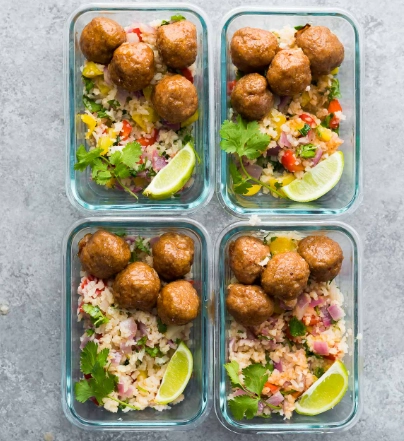
To help you compare, here's a quick table of these ideas:
| Meal Idea | Prep Time | Best For | Tip |
|---|---|---|---|
| Mason Jar Salads | 15 min | No microwave needed | Layer wet ingredients at bottom |
| Wraps and Sandwiches | 10 min | Quick assembly | Use sturdy wraps to prevent tearing |
| Leftover Makeovers | 5 min | Time-saving | Store leftovers in portioned containers |
| Grain Bowls | 20 min | Customizable | Batch cook grains for the week |
| Soup in a Thermos | 30 min | Cold weather | Invest in a quality insulated thermos |
How to Meal Prep for the Week
Meal prepping sounds daunting, but it's just about planning. Here's my Sunday routine, refined over years of trial and error.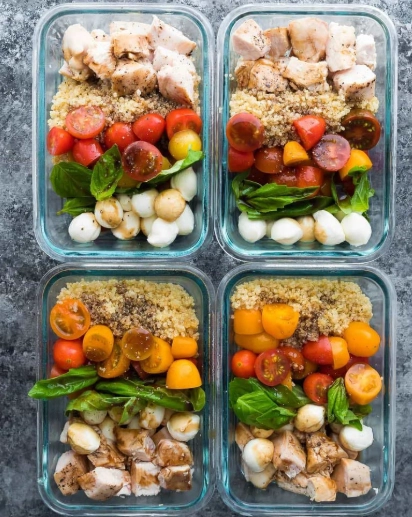
Step 1: Plan Your Meals
Pick 2-3 recipes for the week. I aim for variety—maybe a grain bowl, a soup, and some wraps. Write down ingredients to avoid last-minute shopping. Resources like the USDA's MyPlate can guide balanced choices, but keep it simple.
Step 2: Shop Smart
Hit the grocery store with a list. Buy in bulk for staples like rice or beans. Fresh veggies like carrots and bell peppers last longer, so prioritize those. I often skip pre-cut produce—it's more expensive and less fresh.
Step 3: Batch Cook
Spend 1-2 hours cooking. Roast vegetables, cook grains, and prepare proteins like chicken or tofu. Use multiple oven racks to save time. Let everything cool before storing to prevent condensation.
Step 4: Portion and Pack
Divide meals into containers. Glass containers are best for reheating, but BPA-free plastic works too. Label with dates if you're prepping for more than three days. I stack them in the fridge for easy grab-and-go.
A common pitfall? Over-prepping. Start with two days' worth if you're new. You'll learn what you actually eat.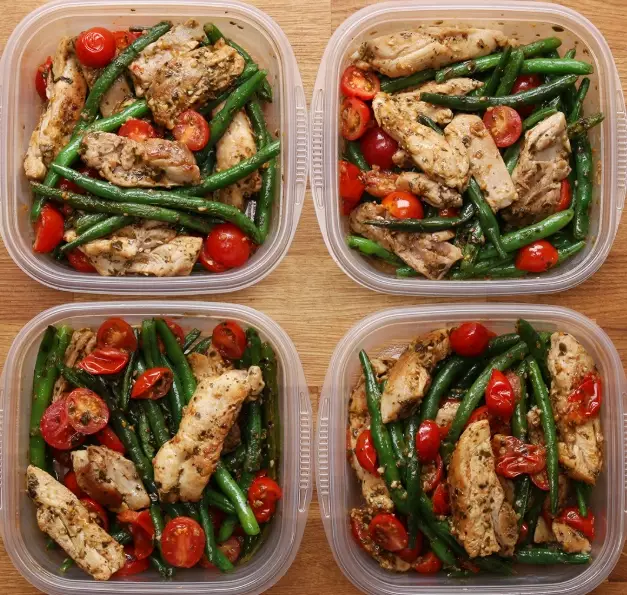
Common Mistakes to Avoid
I've made plenty of errors, so learn from my experience.
Mistake 1: Packing Soggy Foods
Bread turns mushy with wet ingredients. Pack dressings, sauces, or juicy veggies separately. Small containers or reusable pouches work well.
Mistake 2: Ignoring Seasoning
Food tastes bland after sitting. Bring a small shaker of salt, pepper, or herbs. A squeeze of lemon can brighten up a salad.
Mistake 3: Using Too Many Containers
It's messy and hard to clean. Opt for bento-style boxes with compartments. I switched to a three-compartment container, and it simplified my routine.
Mistake 4: Not Considering Temperature
If you lack a fridge, avoid dairy or mayo-based dishes. Use ice packs or insulated bags. A frozen water bottle can double as a cooler.
Remember, lunch should be enjoyable, not a hassle. Keep it simple, and you'll stick with it.
Reader Comments