Let's cut to the chase. A cookie pan cake is exactly what it sounds like: an entire batch of chocolate chip cookie dough, spread into a hot skillet, and baked (or pan-fried) into one glorious, giant, shareable cookie. It's not a pancake, despite the name. It's a hybrid monster with the crispy, buttery edges of a skillet cookie and a dense, chewy center that's more like a blondie or a underbaked cookie dough dream. It's the dessert you make when you can't be bothered with scooping individual cookies and waiting for multiple trays to bake. One pan, one mess, infinite satisfaction.
I've been baking these for a decade, first as a desperate college student with only one oven-safe pan, and now as someone who just appreciates genius-level simplicity. I've seen every mistake, from gummy centers to scorched bottoms. This guide is about getting it right the first time.
What's Inside This Guide?
What Exactly Is a Cookie Pan Cake?
Think of it as deconstructing a cookie. Instead of portioning dough into discrete mounds that bake individually, you smash it all together. The heat from the pan creates an instant crust on the bottom and sides, while the thick mass of dough in the middle cooks more slowly, retaining moisture. The result is a textural gradient—crispy, caramelized, almost toffee-like on the outside, transitioning to a soft, rich, and dense center.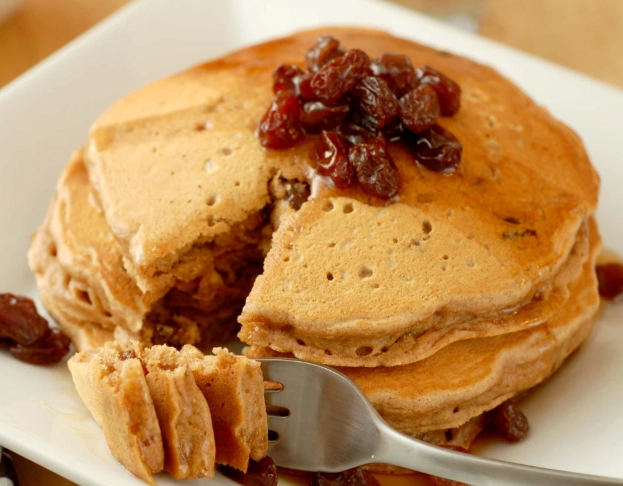
It's the solution for anyone who fights over the "corner piece" of a brownie. Here, every slice has a perfect ratio of edge to center.
Why This Skillet Trick Works So Well
The magic is in the pan. A well-seasoned cast iron skillet is the undisputed champion for this job, and here's why:
Superior Heat Retention: Cast iron gets hot and stays hot evenly. This consistent, radiant heat is what creates that unbeatable, crispy-yet-not-burnt bottom crust. A thin aluminum pan will give you hotspots and a pale, soft underside.
The Maillard Reaction on Steroids: That complex, nutty, browned flavor you love in seared steak? That's the Maillard reaction. The direct, intense contact between the dough and the hot iron supercharges this process along the entire bottom surface, creating a depth of flavor individual cookies can't match.
It's a Presentation Powerhouse. You serve it right in the skillet. It looks rustic, impressive, and inviting. Plop a scoop of vanilla ice cream on top while it's still warm, and watch it melt into every nook. It's theater.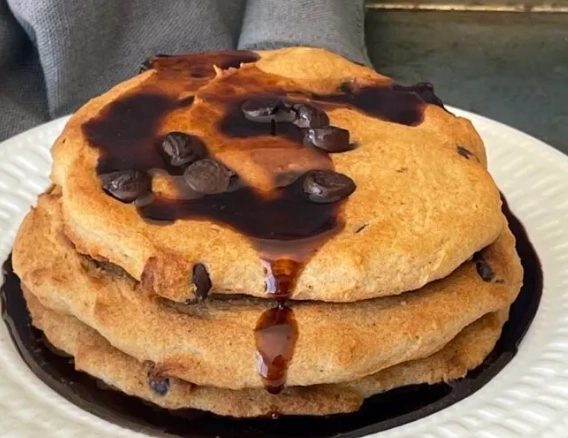
The Master Recipe & Step-by-Step Walkthrough
This is my go-to base, optimized for the skillet. It has a slightly higher brown sugar ratio for chewiness and a touch of cornstarch to keep the center tender without being raw.
My #1 Rule: Your ingredients, especially the butter and eggs, must be at true room temperature. Not microwave-warmed, not cool. Leave them out for a good hour. This ensures proper emulsification, which is the foundation of your texture. Cold butter won't cream properly, leading to a greasy, flat cake.
| Ingredient | Quantity | Why It's Here |
|---|---|---|
| Unsalted Butter | 1 cup (2 sticks) | The flavor base. Unsalted lets you control salt. |
| Dark Brown Sugar | 1 cup, packed | Moisture and molasses for chew & caramel notes. |
| Granulated Sugar | 1/2 cup | Adds crispness and spread. |
| Large Eggs | 2 | Binds the structure. Room temp is non-negotiable. |
| Pure Vanilla Extract | 2 tsp | Use the real stuff. Imitation will taste hollow. |
| All-Purpose Flour | 2 1/4 cups | The backbone. Spoon and level to measure. |
| Cornstarch | 2 tsp | The secret weapon for a soft, tender crumb. |
| Baking Soda | 1 tsp | Leavening for lift and spread. |
| Fine Sea Salt | 3/4 tsp | Enhances all flavors. Don't skip. |
| Semi-Sweet Chocolate Chips | 2 cups | Or chunks. High quality matters here. |
The Process, Demystified
1. Preheat Your Pan, Not Just Your Oven. This is critical. Place your 10-inch cast iron skillet in the oven and preheat everything to 350°F (175°C). A hot pan is what gives you that instant crust.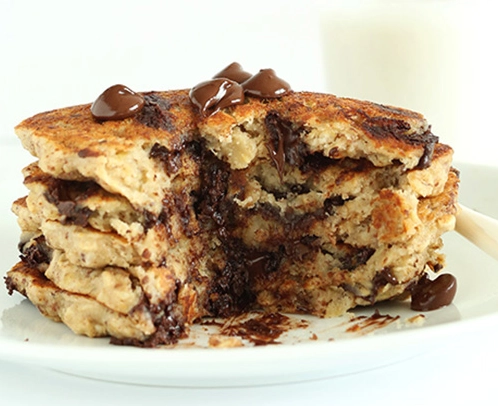
2. Cream the Butter & Sugars. In a large bowl, beat the room-temperature butter with both sugars for a full 3-4 minutes until it's light, fluffy, and almost pale. Most people under-cream. This step incorporates air, which is your primary leavening agent since we're not making individual cookies that can spread wildly.
3. Add Eggs & Vanilla. Beat them in one at a time, fully incorporating each before adding the next. Scrape the bowl down. The mixture might look slightly curdled—that's okay if your ingredients are truly room temp.
4. Whisk Dry, Then Combine. In another bowl, whisk the flour, cornstarch, baking soda, and salt. Add this to the wet ingredients in two batches, mixing on low speed until just combined. Overmixing develops gluten, leading to toughness.
5. Fold in the Chips. Use a spatula. Save a small handful to sprinkle on top later for visual appeal.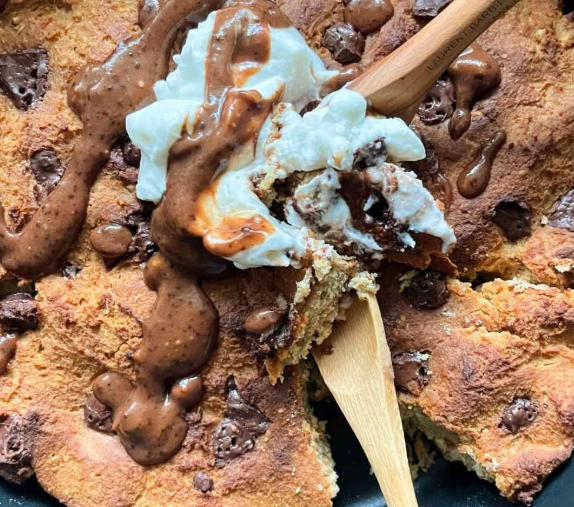
6. The Hot Pan Transfer. Carefully remove the hot skillet from the oven. Drop a small pat of butter in and swirl to coat the bottom and sides. This adds flavor and ensures release. Press the dough evenly into the hot skillet. The sizzle is a good sign. Top with reserved chips.
7. Bake & Judge Doneness. Bake for 22-28 minutes. The top should be golden brown, and the edges will look set and crisp. The center will look soft, even slightly underdone. It will firm up as it cools in the residual heat of the cast iron. This is key—overbaking leads to a dry, crumbly cake. A toothpick inserted near the center should have moist crumbs, not wet batter.
8. Cool & Serve. Let it cool in the skillet for at least 30 minutes. It will continue to set. Serve warm with ice cream, or let it cool completely for clean slices.
Pro Tips You Won't Find Elsewhere
After ten years, here's what I've learned the hard way.
The Brown Sugar Hack: For an even deeper, more caramelized flavor and a chewier texture, replace half the granulated sugar with an additional 1/4 cup of dark brown sugar. It makes a noticeable difference.
Chill Your Dough? Maybe. Most cookie recipes demand chilling. For a skillet cake, it's optional but strategic. If you chill the dough for 30 minutes before pressing it into the hot pan, it will spread less and result in a slightly thicker, more uniform cake. No chilling gives you a thinner, crispier result. I prefer no chill for maximum edge-to-center contrast.
Salting After Baking. Take a pinch of flaky sea salt and sprinkle it over the top the moment it comes out of the oven. The heat makes it stick, and it creates little bursts of salinity that cut through the sweetness perfectly.
The Center Test: Don't rely on time alone. Gently press the center with your fingertip. It should feel firm with a slight give, like a memory foam pillow, not liquidy and not springy-hard.
Beyond Chocolate Chips: Flavor Mix-In Ideas
The formula is endlessly adaptable. Here are a few winning combinations, using the master recipe as your base.
- S'mores Skillet: Use milk chocolate chips. Fold in 1 cup of crushed graham crackers and 1/2 cup of mini marshmallows into the batter. After baking, scatter more marshmallows on top and broil for 60 seconds until toasted.
- Peanut Butter Cup: Replace 1/4 cup of butter with 1/4 cup of smooth peanut butter. Fold in 1 cup of chopped peanut butter cups and 1/2 cup of roasted peanuts.
- White Chocolate Cranberry Pecan: Use white chocolate chips instead of semi-sweet. Fold in 3/4 cup of dried cranberries and 3/4 cup of chopped toasted pecans. Add a teaspoon of orange zest to the butter-sugar mix for brightness.
- Double Chocolate Sea Salt: Replace 1/4 cup of flour with 1/4 cup of unsweetened cocoa powder (Dutch-processed). Use dark chocolate chunks. Finish with flaky salt.
Sheet Pan vs. Cast Iron: The Texture Showdown
You can bake this dough in a standard 9x13 sheet pan or a quarter sheet pan. The result is different, and it's not just about shape.
Cast Iron Skillet (10-12 inch):
- Texture: Maximum contrast. Thick center, extreme crispy edges and bottom.
- Bake Time: 22-28 mins at 350°F
- Best For: A dramatic, shareable, gooey-centered dessert. The "wow" factor.
Quarter Sheet Pan (9x13):
- Texture: More uniform. Thinner overall, so it's crispier throughout, like a giant, soft cookie bar.
- Bake Time: 18-22 mins at 350°F
- Best For: Feeding a crowd, cleaner portioning, a less rich treat. It's more of a "cookie slab."
My personal take? The skillet version has more soul. The sheet pan version is more practical for a bake sale or kids' party.
Your Cookie Pan Cake Questions, Answered
The beauty of the cookie pan cake is in its forgiving nature and spectacular results. It turns a simple craving into an event. Grab your skillet, trust the process, and get ready for the easiest, most impressive dessert in your repertoire.
Reader Comments