Let's be honest. Lunch can be a real drag. You're staring at the fridge, willing it to produce something exciting that isn't just yesterday's dinner reheated. Or you're at the mercy of overpriced takeout that leaves you feeling sluggish and broke. The struggle is real. But what if I told you that breaking the lunch rut is easier than you think? It's not about finding one magical recipe. It's about having a system, a set of lunch meal ideas that are flexible, satisfying, and don't require you to be a culinary genius.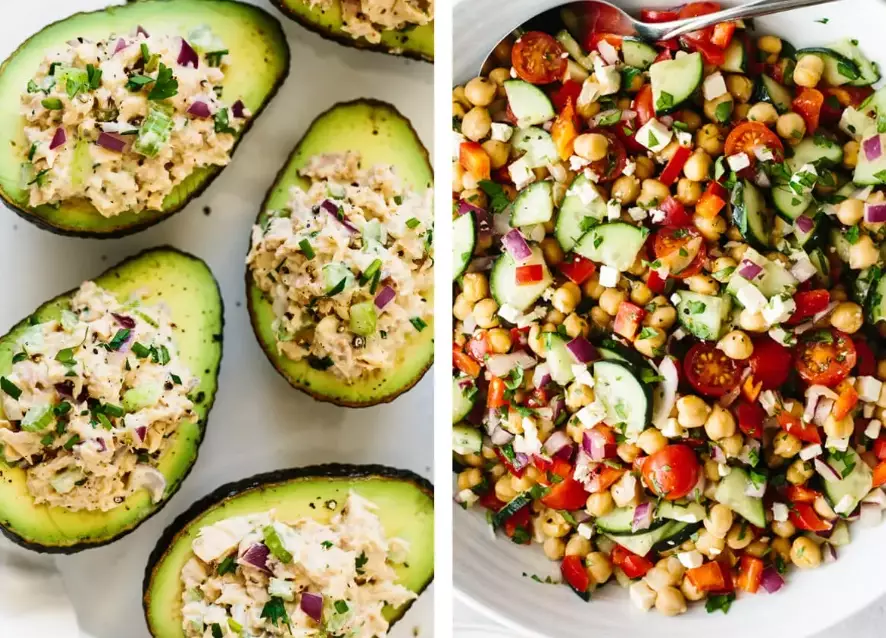
What's Inside This Guide?
- The Problem with Most Lunch Meal Ideas
- The Expert's Strategy: Building Lunch Around Core Components
- A Week of Lunch Meal Ideas (With Recipes)
- Lunch Meal Ideas for Specific Diets and Preferences
- How to Make Your Lunch Meal Ideas More Exciting (And Avoid the Boring Trap)
- FAQs: Answering Your Top Lunch Meal Idea Questions
The Problem with Most Lunch Meal Ideas
Most lunch advice falls into two equally frustrating traps. First, the "gourmet" trap. These are beautiful, Pinterest-worthy creations that require obscure ingredients, three hours of prep time you don't have on a Tuesday, and a level of skill that makes you want to order pizza instead. Think: "Avocado rose on a bed of microgreens with a pomegranate reduction." Stunning, yes. Practical for a Wednesday? Absolutely not.
The second trap is the "leftover" trap. This isn't bad advice per se. But it assumes you have perfect leftovers. Ever tried to make a sandwich out of half a roasted chicken and some stir-fried veggies? It's awkward. This approach leaves you with odd bits and pieces that go to waste, or forces you into another cooking session to use them up.
Here's the subtle mistake most people make: they think in terms of dishes, not components. They search for "lunch meal ideas" and get a list of 30 distinct recipes. This is overwhelming and inefficient. The real key is to think about proteins, vegetables, and grains as separate, interchangeable parts. Master that, and you master lunch.
The Expert's Strategy: Building Lunch Around Core Components
After a decade of cooking for myself and a family, I've found the only sustainable lunch system is this component-based thinking. Forget recipes for a second. Instead, focus on preparing 3-4 core elements that can be mixed and matched. This is the non-consensus view most blogs won't tell you.
Let's break down what that actually looks like in practice.
A Week of Lunch Meal Ideas (With Recipes)
Here's a concrete week of lunch ideas. Each day highlights a different strategy, from using leftovers smartly to quick assembly.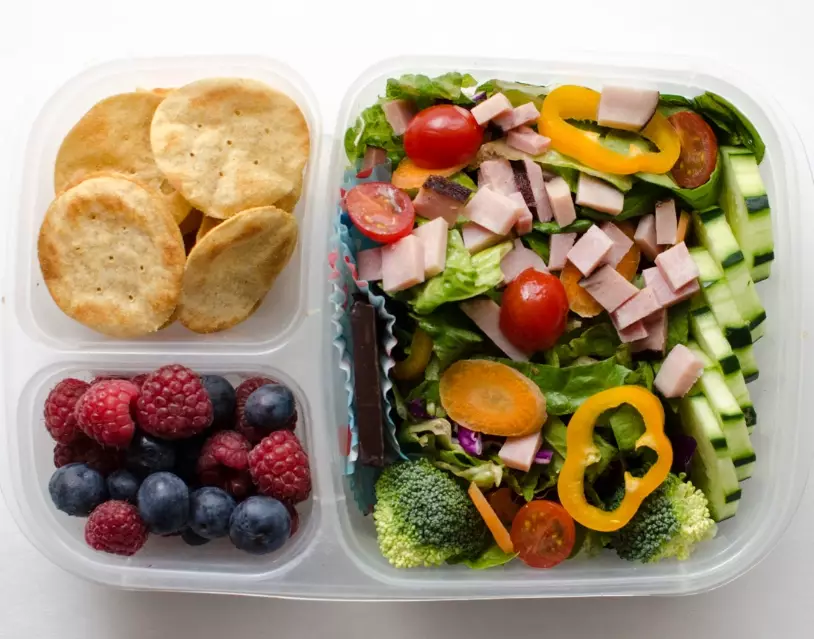
Monday: The Roast Chicken That Keeps Giving
Sunday night: roast a whole chicken. Season it simply with salt, pepper, and olive oil. This is your foundational protein. Let's assume it's a 4-pound chicken.
Monday's lunch is the obvious: chicken salad sandwiches. But here's where most people stop. They use breast meat only. Big mistake. The dark meat (thighs, legs) is actually better for salad. It's more flavorful and stays moister when mixed with mayonnaise. Shred all the chicken, mix it with some Greek yogurt, chopped celery, red onion, and a squeeze of lemon. It'll keep better in the fridge, and you've used the whole bird efficiently.
Tuesday: Transform That Chicken Salad
Take a portion of that chicken salad (about a cup). Now, here's a trick: drain off any excess liquid from the salad. Get a large tortilla. Spread the chicken salad down the center. Add a handful of arugula (it adds a peppery bite) and some sliced cucumber. Roll it tight. You have a chicken salad wrap that feels entirely different from Monday's sandwich.
Wednesday: The Grain Bowl That Actually Works
This is where the component system shines. On Tuesday night, cook a big pot of quinoa or rice. For lunch, grab a container. Fill it half full with your grains. Then add a scoop of black beans (protein), some roasted sweet potato (vegetable), a handful of corn (another vegetable), and a dollop of salsa. No cooking required. Just assembly.
Thursday: The Leftover Remix (That Doesn't Taste Like Leftovers)
If you have any remaining chicken, chop it finely. Sauté some garlic and ginger in a pan. Add the chicken, a bag of frozen stir-fry vegetables, and a splash of soy sauce. Serve it over the remaining rice. This takes 10 minutes. If the chicken is gone, this is where a can of chickpeas becomes your best friend. Rinse and drain them. Mash them roughly with a fork. Mix with a bit of tahini, lemon juice, and smoked paprika (if you have it). Spread on toast, top with sliced tomato and cucumber. A completely different meal.
Friday: The Effortless Lunch
It's Friday. You're tired. Keep it dead simple. This is where a good quality store-bought soup can be your secret weapon. Pair it with a piece of crusty bread and a simple side salad. The goal is satisfaction with minimal effort.
Lunch Meal Ideas for Specific Diets and Preferences
Maybe you're vegetarian, gluten-free, or feeding kids who think anything green is suspect. The component system doesn't care. Let's look at how to adapt.
For Vegetarians and Vegans
The protein component simply changes. Instead of focusing on one large protein, think about a combination of smaller ones that together create a satisfying meal. My go-to is what I call the "protein trio" for bowls: a can of rinsed black beans, a handful of roasted chickpeas (they get crunchy and add texture), and a generous scoop of cottage cheese or crumbled feta. Each provides a different type of protein and texture, making the meal feel substantial. Lentils are another powerhouse. A big batch of lentil soup can be blended into a creamy soup for one day, and the next day, the whole lentils can be used as a base for a salad with some chopped veggies and a vinaigrette.
For Gluten-Free Diets
This is actually easier than people think. The mistake is trying to find direct replacements for gluten-containing foods like bread and pasta. Instead, double down on naturally gluten-free components. Quinoa, rice, potatoes, and corn are all excellent bases. Roast a tray of root vegetables (sweet potatoes, beets, carrots) at the beginning of the week. They become your foundation. The variety comes from your toppings and sauces.
For Kids (or The Picky Eater)
This is all about presentation and choice. Don't make one meal. Set out a "lunch bar" with components they can choose from. Think: a base (pasta, a wrap, crackers), a protein (cheese cubes, ham, hummus), and a variety of veggies (carrot sticks, cucumber slices, cherry tomatoes). Let them build their own plate. The sense of control works wonders. Another trick I've found: anything can be a "dipper." Hummus, yogurt-based dips, even guacamole. Serve with a side of something to dip (veggies, pita bread, pretzels), and suddenly, it's fun.
How to Make Your Lunch Meal Ideas More Exciting (And Avoid the Boring Trap)
Boredom is the lunch killer. Here are a few strategies to keep things interesting without requiring a trip to a specialty grocery store.
First, invest in a few high-quality condiments. This is the single best piece of advice I can give. A good mustard, a flavorful hot sauce, a jar of roasted red peppers in oil, a tube of harissa paste. These are flavor bombs that can transform the same chicken and rice into a completely different meal. A drizzle of that pepper oil over the rice, a swipe of harissa mixed into some Greek yogurt as a sauce for the chicken... suddenly it's a Mediterranean bowl.
Second, texture is key. A common mistake is having everything the same texture: soft. Make sure you have something crunchy (like those roasted chickpeas from the vegan section, or some toasted nuts), something creamy (a dollop of yogurt or mashed avocado), and something fresh (herbs, raw vegetables). This contrast makes every bite interesting.
Finally, embrace the power of the humble leftover, but remix it. Don't just reheat last night's dinner. Deconstruct it. That leftover stir-fry? Chop the vegetables finer, shred the protein. Now you have a filling for an omelet, or a topping for a baked potato. That roasted chicken? Shred it and mix it with some barbecue sauce for a pulled chicken sandwich. The goal is to make it feel new, not like a punishment.
Reader Comments