What You'll Learn
Let’s get straight to it. Cooking and shredding chicken sounds simple, but if you’ve ever ended up with dry, rubbery strands that ruin your tacos or salad, you know it’s trickier than it looks. I’ve been there—years ago, I boiled chicken breasts for a party, only to serve something that resembled shredded cardboard. Not fun. Since then, I’ve tested every method out there, from slow cookers to stand mixers, and I’m here to share what actually works. Whether you’re meal prepping for the week or whipping up a quick dinner, this guide will help you nail tender, flavorful shredded chicken every time.
Why Properly Cooked and Shredded Chicken Matters
Shredded chicken isn’t just about tearing meat apart. It’s about texture and moisture. Get it right, and it elevates dishes like chicken tacos, enchiladas, or chicken salad. Get it wrong, and you’re stuck with a bland, chewy mess. The key is in the cooking process—overcooking is the biggest enemy. According to the USDA, chicken should reach an internal temperature of 165°F for safety, but hitting that sweet spot without going over requires attention. I’ve found that most home cooks rely too much on boiling, which can leach out flavor and moisture if not done carefully. Instead, methods like baking or slow cooking with broth can lock in juiciness, making shredding easier and the end result more versatile.
Choosing the Right Chicken Cuts for Shredding
Not all chicken is created equal for shredding. Here’s a quick breakdown:
- Chicken Thighs: My go-to for shredding. They’re fattier and more forgiving, staying juicy even if slightly overcooked. Bone-in, skin-on thighs are best for flavor, but boneless work too.
- Chicken Breasts: Leaner and prone to drying out. If you use breasts, opt for bone-in or cook them with liquid to prevent toughness. I avoid skinless breasts for shredding unless I’m watching calories closely.
- Whole Chicken: Great for batch cooking—you get both white and dark meat, plus bones for broth. Roast or slow-cook a whole bird, then shred the meat for multiple meals.
Personal tip: I often buy a mix of thighs and breasts to balance flavor and health. Thighs add richness, while breasts keep things light. Just adjust cooking times accordingly.
Step-by-Step Cooking Methods for Shredding
Each method has its pros and cons. I’ve ranked them based on flavor, moisture retention, and ease.
Boiling Chicken for Shredding
Boiling is fast, but it’s easy to mess up. The trick is to not overdo it. Bring a pot of seasoned water or broth to a simmer—not a rolling boil—add chicken, and cook until it hits 165°F internally, about 15-20 minutes for breasts or 25-30 minutes for thighs. Use a thermometer; guessing leads to dryness. I add aromatics like garlic, onion, and bay leaves to the water for extra flavor. Once done, let it rest in the liquid for 10 minutes before shredding. This method works well for chicken salad or quick soups, but I find it can be bland if you skip the seasoning.
Baking Chicken for Shredding
Baking is my favorite for consistent results. Preheat your oven to 375°F. Place chicken in a baking dish with a cup of chicken broth or salsa—this creates steam and keeps it moist. Cover with foil and bake for 30-40 minutes for breasts, 40-50 minutes for thighs, until the internal temperature reaches 165°F. The liquid infuses flavor, and the meat shreds easily with forks. I’ve used this for meal prep dozens of times; it’s hands-off and reliable. One nuance: if you’re using bone-in pieces, bake them skin-side up for crispy skin, but remove the skin before shredding to avoid greasiness.
Slow Cooking Chicken for Shredding
Slow cookers are fantastic for hands-off cooking. Add chicken, a cup of liquid (broth, salsa, or even BBQ sauce), and cook on low for 6-8 hours or high for 3-4 hours. The long, slow heat breaks down connective tissue, making the meat fall-apart tender. I’ve made pulled chicken for sandwiches this way, and it’s always a hit. The downside? It requires planning ahead. Also, avoid adding too much liquid, or the chicken can become soggy. A half-cup to a cup is usually enough.
| Method | Pros | Cons | Best For |
|---|---|---|---|
| Boiling | Quick, easy, minimal cleanup | Can be bland, risk of dryness | Salads, quick meals |
| Baking | Flavorful, juicy, hands-off | Longer time, uses oven | Meal prep, tacos, casseroles |
| Slow Cooking | Very tender, infuses flavor | Requires planning, can be mushy if overdone | Soups, stews, pulled chicken |
How to Shred Chicken: Tools and Techniques
Once your chicken is cooked, shredding is the next step. Here are the most effective ways:
- Two Forks: The classic method. Hold the chicken steady with one fork and use the other to pull the meat apart. It’s tedious but gives you control over shred size. I use this for small batches or when I want chunky shreds for salads.
- Stand Mixer with Paddle Attachment: My secret weapon for large batches. Place warm chicken in the mixer bowl and run on low speed for 30-60 seconds. It shreds evenly and quickly, mimicking restaurant-quality texture. Be careful not to overmix, or it can become too fine.
- Hand Mixer or Food Processor: A hand mixer works similarly to a stand mixer but with less control. For a food processor, pulse for 2-3 seconds only—any longer, and you’ll have chicken paste. I rarely use this because it’s easy to overprocess.
Pro tip: Shred the chicken while it’s still warm. Cold chicken is tougher to shred and can result in uneven pieces. If it’s cooled, briefly reheat it in the microwave or add a splash of broth to loosen it up.
Common Mistakes and How to Avoid Them
I’ve seen these errors time and again, both in my kitchen and others’. Let’s fix them:
Overcooking: This is the number one cause of dry chicken. Use a meat thermometer religiously. Pull the chicken off heat as soon as it hits 165°F—it will continue to cook slightly as it rests. For boiling, set a timer; for baking, check at the minimum time.
Shredding Too Early or Too Late: Shred when the chicken is warm but not hot enough to burn your hands. If you wait until it’s cold, the fibers tighten, making shredding harder and resulting in stringy meat. I aim to shred within 10-15 minutes of cooking.
Not Seasoning Enough: Bland chicken is a letdown. Season the cooking liquid or rub the chicken with spices before cooking. Even a simple mix of salt, pepper, and paprika makes a difference. I often add a bay leaf or thyme to the pot for depth.
Using the Wrong Tools: Forks are fine for small amounts, but for meal prep, invest in a stand mixer. It saves time and effort. I learned this the hard way after shredding 5 pounds of chicken by hand—my wrists ached for days.
Recipes and Uses for Shredded Chicken
Shredded chicken is incredibly versatile. Here are some ideas to get you started:
- Chicken Tacos: Mix shredded chicken with taco seasoning and a bit of lime juice. Serve with tortillas, salsa, and avocado. I prefer using baked chicken for this—it holds up better to toppings.
- Chicken Salad: Combine shredded chicken with mayo, celery, onions, and herbs. Use a mix of thighs and breasts for balanced texture. Add grapes or apples for sweetness.
- Chicken Soup: Add shredded chicken to broth with vegetables and noodles. Slow-cooked chicken works best here because it’s already tender.
- Meal Prep: Portion shredded chicken into containers for lunches. It lasts 3-4 days in the fridge or months in the freezer. I often make a big batch on Sundays for quick dinners.
One of my favorite hacks: freeze shredded chicken in muffin tins with broth, then pop out the portions for easy soup starters. It’s a game-changer for busy weeks.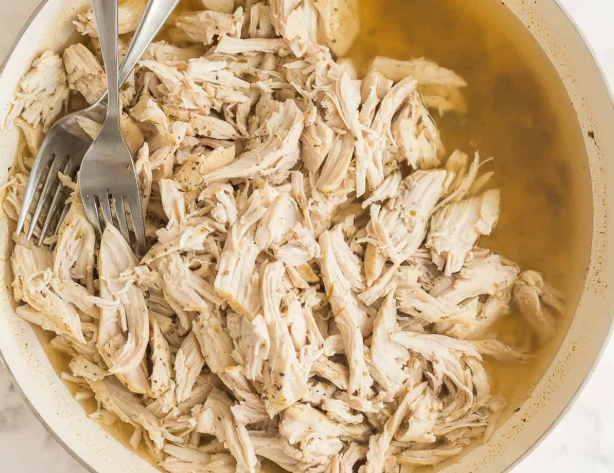
Reader Comments