Your Quick Guide
Let's be honest. Most pasta salads are a letdown. You know the ones – soggy noodles swimming in a pool of oily, vinegary dressing, with a few sad chunks of vegetable that taste like they've given up on life. They sit there on the picnic table, next to the potato chips, and everyone politely takes a spoonful just to be nice. I used to think that was just how it was. A necessary, but disappointing, side dish.
Then I had a dill pasta salad that changed my mind completely. It wasn't an afterthought. It was the star. Creamy, bright, packed with fresh herbs and a satisfying crunch. People went back for seconds, thirds, asking for the recipe. That's the power of getting it right. And the secret weapon? Fresh dill. It transforms the whole thing from a pantry-dump dish into something you're actually excited to eat.
This isn't about following a rigid recipe to the letter. It's about understanding why a pasta salad with dill works so well, and giving you the tools and confidence to make your own perfect version every single time. Whether you're feeding a crowd at a summer BBQ, need a make-ahead lunch for the week, or just want something delicious that doesn't heat up the kitchen, you're in the right place.
Why Dill Makes All the Difference
Dill is one of those herbs that people either love or are weirdly suspicious of. Its flavor is unique – a bright, grassy, slightly anise-like freshness that cuts through richness like a laser. In a creamy pasta salad, that's exactly what you need. It prevents the dish from feeling heavy or cloying. Every bite is balanced.
Think about it. Mayo and sour cream are rich. Pasta is hearty. You need something to lift all that up. Lemon juice helps, but fresh dill is the game-changer. It adds a layer of complexity that dried dill weed (which tastes more like hay, in my opinion) just can't touch. Using fresh herbs is non-negotiable for the best dill pasta salad. Trust me on this one.
Dill 101: Dill is part of the celery family. You use the feathery leaves (called "dill weed") for recipes like this pasta salad, and the seeds for pickling. When buying fresh dill, look for bright green, perky fronds, not yellowing or wilted ones. Give it a sniff – it should smell powerfully fresh and grassy.
The Core Recipe: A No-Fail Blueprint
Okay, let's get to the good stuff. This is my go-to, crowd-pleasing creamy dill pasta salad recipe. It's more of a template. Once you get this down, you can swap ingredients in and out based on what you have.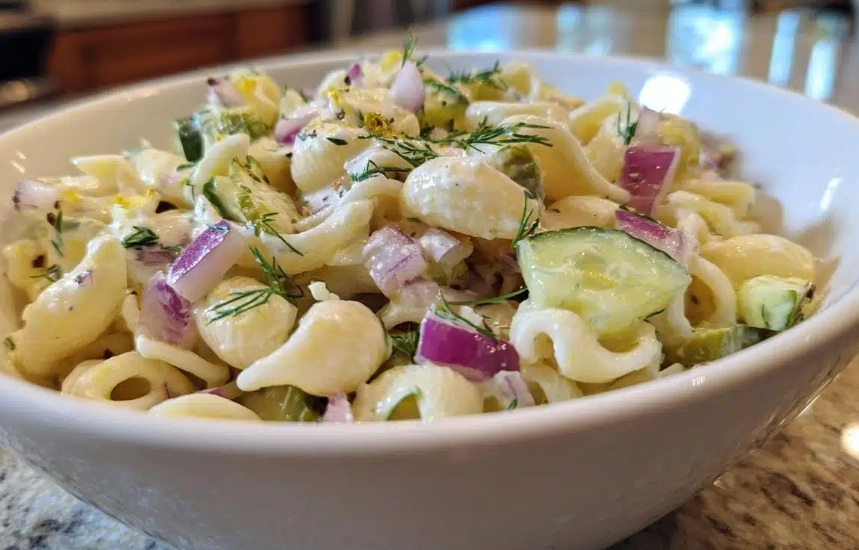
The Ingredients You'll Need
The Pasta: 1 pound (about 450g) of short pasta. Cavatappi (the corkscrew ones) are my top pick – the ridges and hollow center hold the dressing perfectly. Fusilli, rotini, or farfalle (bowties) are also great. Avoid long pasta like spaghetti or linguine. It just doesn't work the same.
The Veggies & Crunch:
- 1 English cucumber, diced (peel it if the skin is thick/waxy)
- 1 pint cherry or grape tomatoes, halved
- 1/2 a red onion, finely diced (soak the diced pieces in cold water for 10 minutes to take the raw edge off – a game-changing trick!)
- 1 cup of something crunchy: I love chopped celery or radishes.
The Creamy Dill Dressing (The Heart of It All):
- 3/4 cup full-fat mayonnaise (the flavor base matters here)
- 1/2 cup sour cream or plain Greek yogurt (yogurt makes it tangier)
- 1/4 cup chopped fresh dill, packed (more if you're a dill fiend!)
- 2 tablespoons fresh lemon juice
- 1 tablespoon Dijon mustard
- 1 garlic clove, minced very fine or pressed
- 1 teaspoon salt (plus more for pasta water)
- 1/2 teaspoon freshly ground black pepper
Putting It All Together: The Method
It's simple, but a few steps make it perfect.
- Cook the pasta. Big pot, lots of salted water. Cook it until it's just al dente – maybe a minute less than the package says. Mushy pasta is the death of a good salad. Drain it, rinse it briefly under cold water to stop the cooking, and let it drain really well. I even spread it on a baking sheet for a few minutes. Wet pasta = watery dressing. Nobody wants that.
- Make the dressing. Whisk everything in a big bowl. Taste it. Seriously, dip a spoon in. Does it need more salt? More lemon? More dill? Adjust it now. This is your chance.
- Combine. Add the well-drained pasta and all your chopped veggies to the bowl with the dressing. Gently fold everything together until it's all coated. Be gentle with the tomatoes so they don't get crushed.
Patience is a virtue. Here's the hardest part: cover it and stick it in the fridge for at least an hour, preferably two or three. This isn't just to get it cold. This is magic time. The pasta soaks up the dressing, the flavors mingle and deepen, and everything comes together. Eating it right away is good. Eating it after a chill is transcendent.
That's it. Your foundational, absolutely delicious easy dill pasta salad recipe is done. But why stop there?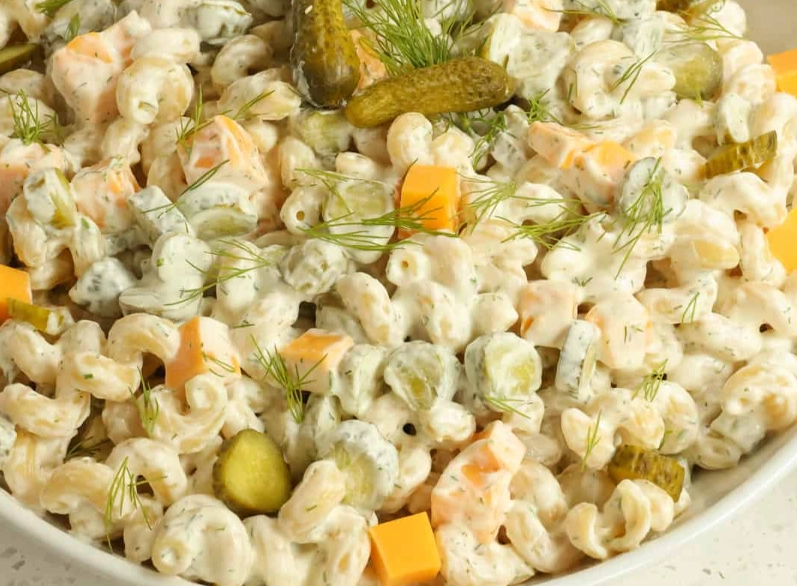
Leveling Up: Pro Tips & Creative Twists
Once you've mastered the base, the world is your oyster. Or, more accurately, your pasta salad. Here are some ideas I've tried (and some I haven't loved, so you can avoid my mistakes).
Protein Power-Ups
Turn this side into a main dish.
- Grilled Chicken: Shredded or cubed leftover grilled chicken breast is a classic addition.
- Chickpeas or White Beans: A can of rinsed chickpeas adds plant-based protein and a nice texture. It makes the salad more substantial.
- Flaked Salmon: This is a next-level move. Add some flaked, cooked salmon and maybe some capers. It feels fancy but is so easy.
Veggie & Cheese Swaps
Play with your food.
- Swap cucumber for blanched, chopped asparagus (in season) or sugar snap peas.
- Add a handful of baby spinach or arugula just before serving for a green boost.
- For cheese lovers: crumbled feta is a salty, tangy dream with dill. Cubed cheddar or mozzarella pearls also work.
Dressing Variations
Feeling adventurous?
- Lemon-Herb Vinaigrette: For a lighter, non-creamy version, whisk together 1/2 cup olive oil, 1/4 cup lemon juice, 2 tbsp chopped dill, 1 tbsp chopped chives, salt, and pepper. Toss with the pasta and veggies.
- Dill & Pickle Juice: Add a tablespoon of brine from your favorite pickles to the creamy dressing. It amplifies the tang in the best way.
I once tried adding curry powder to the dressing, thinking it would be an interesting twist with the dill. It wasn't awful, but it kind of fought with the fresh herb flavor. Stick with complementary flavors.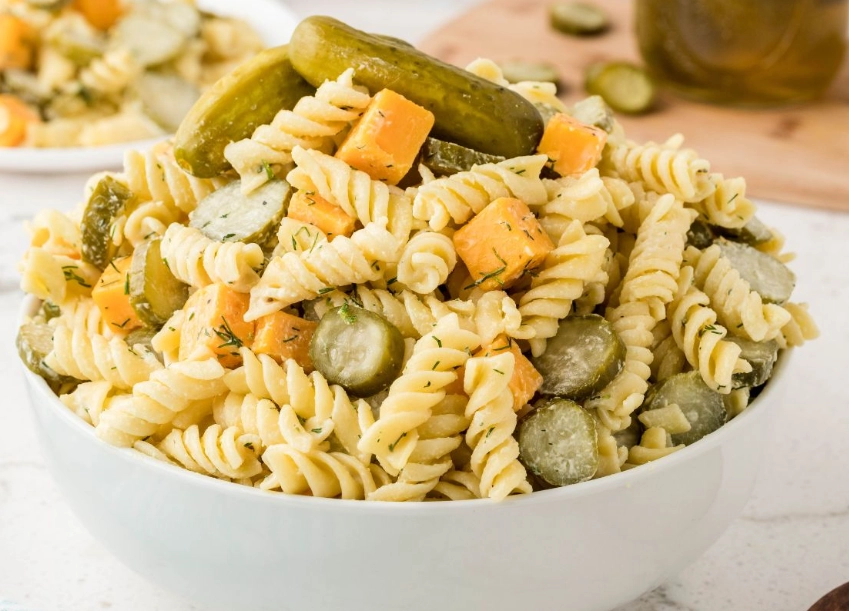
The Dill Deep Dive: Fresh vs. Dried & How to Store It
This matters. A lot. Using fresh dill is the single biggest factor in a great pasta salad with dill. But what if your store is out? Or you have leftovers?
| Type of Dill | Flavor Profile | Best Use In Pasta Salad | Conversion (if you must) |
|---|---|---|---|
| Fresh Dill Fronds | Bright, grassy, slightly sweet, aromatic. | THE gold standard. Chopped and added to dressing and as garnish. | 1 tablespoon fresh = 1 teaspoon dried (but flavor is inferior). |
| Dried Dill Weed | Muted, hay-like, dusty. Loses the bright top notes. | Emergency use only. Rehydrate in a bit of lemon juice first. | N/A |
| Dill Seed | Strong, bitter, caraway/celery seed-like. Used for pickling. | Not recommended for creamy pasta salads. | Do not substitute for fresh dill. |
To keep fresh dill happy, treat it like flowers. Trim the stems, place it in a glass with an inch of water, loosely cover the fronds with a plastic bag, and refrigerate. It'll last over a week this way. You can also chop it and freeze it in an ice cube tray with water or oil, but it will lose its crisp texture – better for cooked dishes than your perfect dill pasta salad.
For the most authoritative info on handling and storing fresh herbs, the University of California's Division of Agriculture and Natural Resources has a great, science-backed Postharvest Technology Center website with fact sheets. It's a fantastic resource beyond just blog tips.
Answering Your Dill Pasta Salad Questions (FAQs)
I've gotten a ton of questions over the years, and I've seen what people search for. Let's tackle the big ones.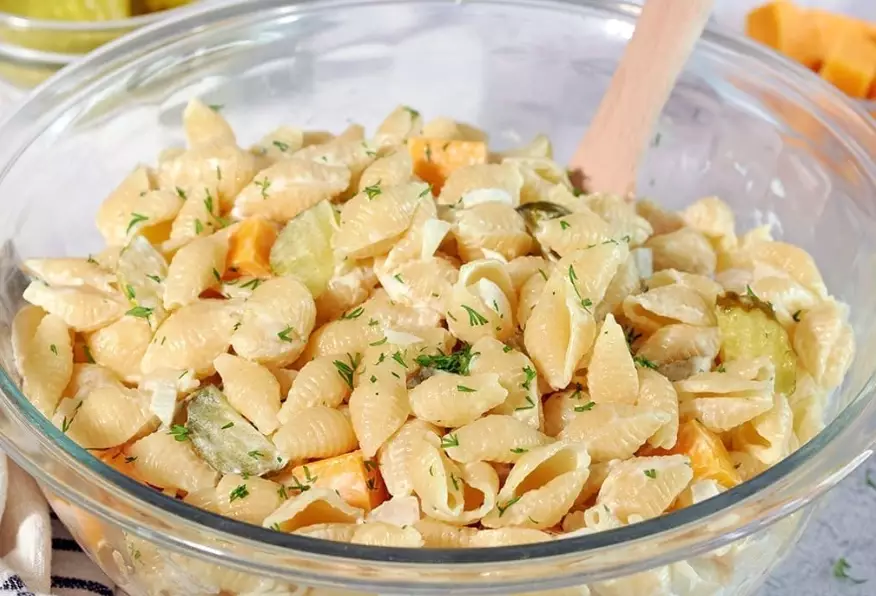
Absolutely. In fact, you should. Making it a day ahead is ideal. The flavors get so much better. Just hold back on any super delicate greens (like arugula) or extra fresh herb garnish until you're ready to serve.
In a sealed container, a creamy dill pasta salad will be at its best for 3-4 days. The pasta may continue to absorb dressing, so if it looks a little dry on day 3, a tiny squeeze of lemon or a dollop of yogurt can revive it. The veggies will slowly lose their crispness, so don't expect day-4 salad to be as perky as day-1.
It happens. If it's too thin (maybe your yogurt was runny), whisk in a bit more mayo or let the whole salad sit – the pasta will absorb some liquid. If it's too thick (like a paste), thin it out with a teaspoon of milk, buttermilk, or more lemon juice until it's a pourable consistency.
Short, sturdy shapes with nooks and crannies. My top three:
- Cavatappi: The hollow center is a dressing trap. Perfection.
- Fusilli/Rotini: Those tight spirals hold onto every bit of flavor.
- Farfalle: The pinched middle and ruffles are great, though they can be a bit more delicate.
Avoid shells (they can get gummy inside) and long shapes.
Sure. Use whole wheat or legume-based pasta. Swap the full-fat mayo for a lighter mayo or use all Greek yogurt instead of sour cream. Load up on the veggies. But remember, a little richness from good ingredients is part of what makes it satisfying. Balance is key.
Sometimes people ask if they can use miracle whip instead of mayo. You can, but it will taste sweeter and have a distinct tang. It's a different flavor profile. I'm not a fan for this particular salad, but it's your kitchen.
Beyond the Bowl: Serving & Pairing Ideas
This salad is incredibly versatile. It's not just a summer picnic thing.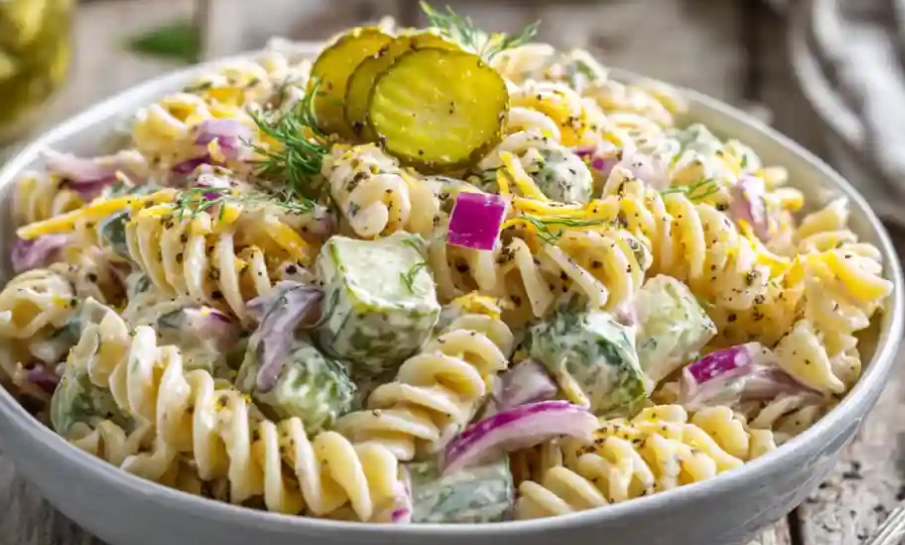
As a Side Dish: It's the perfect partner for grilled anything – burgers, hot dogs, chicken, steak, shrimp. It also shines alongside simple roasted chicken or a quiche for a brunch spread.
As a Main Course: Bulk it up with one of the proteins mentioned earlier (chicken, chickpeas, salmon). Serve it over a bed of greens for a deconstructed salad situation.
As a Packed Lunch: This is where it truly excels. Portion it into containers on Sunday, and you have a ready-to-go, no-reheat lunch for Monday through Wednesday. It's filling, flavorful, and doesn't get soggy in the same way a green salad does.
What about wine? A crisp Sauvignon Blanc or Pinot Grigio pairs beautifully with the herbal, creamy notes. For a non-alcoholic option, sparkling water with lemon or a tart iced tea are my go-tos.
Wrapping It Up: Your New Go-To Dish
So there you have it. The complete, no-nonsense guide to making a dill pasta salad that people will actually ask you about. It's not rocket science, but paying attention to a few key things – cooking the pasta right, using fresh dill, letting it chill – turns a simple idea into something special.
Start with the core recipe. Get comfortable with it. Then start tweaking. Add the veggies you love, try a different pasta shape, experiment with adding beans or cheese. Make it yours. The beauty of this dish is in its flexibility. It's forgiving, it travels well, and it consistently delivers.
I keep coming back to this creamy dill pasta salad because it solves so many problems. What to bring to a potluck? Check. What to make for easy lunches? Check. What to serve when you have people over and don't want to be stuck in the kitchen? Double check. It's become a staple in my house, and I have a feeling it's about to become one in yours too.
Now, go grab some fresh dill and get cooking. Your next favorite dish is waiting.
Reader Comments