I used to think potato and onion soup was boring. A bland, beige pool of nostalgia with no real character. Then I spent a winter in a tiny Alpine cabin with a sack of potatoes, a net of onions, and not much else. Forced to get creative, I stumbled onto a method that turns these two humble ingredients into something truly spectacular: velvety, deeply savory, and complex enough to serve at a dinner party. The secret isn't a fancy ingredient; it's a shift in technique that most recipes get wrong. This isn't just a recipe; it's a blueprint for the most comforting, reliable soup you'll ever make.
What's Inside This Guide
Why This Simple Soup Actually Works So Well
Let's be honest. When you search for a potato onion soup recipe, you're probably not looking for a culinary project. You want warmth. You want something forgiving that uses pantry staples. You want comfort in a bowl without a trip to the store. This soup delivers on all fronts, but its genius lies in the chemistry.
Potatoes bring starch and body. When they break down during cooking, they release starch that naturally thickens the broth, creating a creamy texture without a single drop of cream (though you can add it). Onions, when cooked slowly and properly, lose their sharp bite and transform into a sweet, umami-rich base. It's a perfect partnership. According to the USDA's Economic Research Service, potatoes and onions are among the most affordable and consistently available vegetables year-round, making this a truly accessible dish.
Most recipes rush the onions. They tell you to sauté for "5 minutes until translucent." That's the first mistake. For flavor that goes from "okay" to "wow," you need patience.
How to Make the Best Potato and Onion Soup: A Step-by-Step Guide
Forget everything you think you know about making this soup. We're not just boiling vegetables. We're building layers of flavor.
The Non-Negotiable Foundation: The Onions
You'll need about 3 large yellow onions. Don't use sweet onions like Vidalias here—their high water content can make the soup taste flat. Yellow onions have the right balance of pungency and sugar for caramelizing.
Thinly slice them. I mean it, get them as even as possible. A mandoline helps, but a sharp knife and focus work just fine. Melt 3 tablespoons of butter and 1 tablespoon of olive oil in your heaviest pot over medium-low heat. Add the onions and a big pinch of salt. The salt draws out moisture.
Now, here's the part where you put your phone away. Stir them occasionally. You're not frying them, you're coaxing them. This takes a solid 30 to 40 minutes. They'll go from raw, to sweating, to soft, to golden, and finally to a deep, sticky, mahogany brown. This is fond, the flavor gold stuck to the bottom of the pot. Don't rush it. This step is what separates a good soup from a great one.
Building the Body: Potatoes and Broth
While the onions are working their magic, peel and cube 2 pounds of russet potatoes. Russets are key—their high starch content is what gives the soup its signature creamy texture. Waxy potatoes like red or Yukon Gold will hold their shape better but won't thicken the soup as effectively.
Once your onions are perfectly caramelized, add the potato cubes and stir them around for a minute. They'll soak up some of that oniony goodness. Then, pour in 6 cups of a good-quality, low-sodium chicken or vegetable broth. I prefer chicken broth for its richer flavor, but vegetable broth makes a fantastic vegetarian version.
Bring it to a simmer, then reduce the heat to maintain a gentle bubble. Partially cover the pot and let it cook for 20-25 minutes, until the potatoes are completely fall-apart tender.
The Final Transformation: Blending and Seasoning
This is where the magic happens. Turn off the heat. You have two options for blending: an immersion blender right in the pot (easiest and least messy) or a standard blender. If using a standard blender, work in batches, never fill it more than halfway, and hold the lid down with a kitchen towel—the steam can blow the lid off. Blend until perfectly smooth.
Now, taste. It will need seasoning. Start with salt and black pepper. Then, think about acidity—a splash of white wine vinegar or fresh lemon juice (about a teaspoon) will lift all the flavors dramatically. For extra richness, stir in a 1/2 cup of heavy cream, half-and-half, or a dollop of sour cream.
Expert Tips & Tricks You Won't Find Elsewhere
After making this soup dozens of times, here are the subtle tweaks that make a big difference.
- Bloom Your Spices: If you're adding dried herbs like thyme or a bay leaf, add them to the pot with the onions for the last 60 seconds of caramelization. The heat "blooms" their oils, releasing more flavor than if you just toss them in the broth.
- The Garlic Debate: Most recipes say to add minced garlic with the onions. Don't. Garlic burns easily and turns bitter during the long caramelization. Add it in the last 60 seconds before the potatoes, or roast a whole head separately and squeeze the soft cloves into the soup before blending.
- Texture Control: Want a little texture? Before blending, remove a cup of the potato and onion mixture with a slotted spoon, set it aside, and then blend the rest. Stir the reserved chunks back in at the end.
- Storage & Reheating Secret: This soup thickens dramatically in the fridge. When reheating, do it slowly over low heat and whisk in a little extra broth or milk to bring it back to the perfect consistency.

5 Flavor Twists to Keep It Interesting
The basic recipe is a flawless canvas. Here are my favorite ways to paint on it.
| Variation | How-To | Best Served With |
|---|---|---|
| Smoky Paprika & Chorizo | Add 1 tsp smoked paprika with the onions. Top finished soup with crispy fried Spanish chorizo cubes. | Crusty bread, manchego cheese. |
| Leek & Potato | Replace half the onions with 2 large cleaned and sliced leeks (white and light green parts only). | A swirl of crème fraîche, fresh chives. |
| Cheddar & Ale | Replace 1 cup of broth with a malty brown ale. Stir in 1 cup of sharp shredded cheddar after blending. | Pretzel rolls, extra cheddar on top. |
| Thai-Inspired Coconut | Use vegetable broth. Add 1 tbsp red curry paste with the onions. Finish with 1 can of coconut milk instead of cream. | Lime wedge, cilantro, chopped peanuts. |
| French Onion Style | Use all onions, no potatoes. Use beef broth. Ladle into bowls, top with a toasted baguette slice and gruyère, broil until bubbly. | A green salad with a sharp vinaigrette. |
See? It's not just one soup. It's a whole family of soups waiting to happen.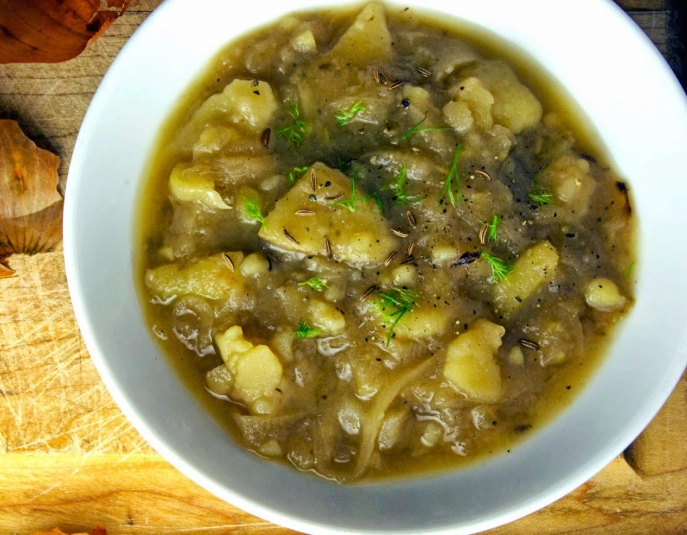
Your Potato & Onion Soup Problems, Solved
My soup turned out too thin and watery. What did I do wrong?
This usually means the potatoes didn't have enough starch or weren't cooked long enough. Next time, stick with russets and make sure they are completely tender before blending. For a quick fix, you can simmer the blended soup uncovered for 10-15 minutes to reduce and thicken it. A tablespoon of instant mashed potato flakes stirred in is a surprisingly effective emergency thickener.
Can I make this soup ahead of time for meal prep?
It's one of the best make-ahead dishes. It keeps beautifully in the fridge for 4-5 days and freezes well for up to 3 months. Cool it completely before storing. Remember, it thickens when cold, so you'll need to loosen it with a little broth or milk when reheating. I often double the batch and freeze portions in individual containers for instant lunches.
I'm trying to cut down on dairy. How can I make a creamy potato onion soup without cream?
The great news is this soup is naturally creamy from the blended potatoes. You don't need any cream at all. For extra richness without dairy, try blending in a quarter cup of raw cashews (soaked in hot water for 20 minutes first) or a spoonful of white miso paste. The miso adds a deep, savory complexity that's fantastic.
My soup tastes bland even after I added salt. What's missing?
Salt is crucial, but it's not the only player. You're likely missing acidity, the flavor component that makes everything else "pop." Stir in a teaspoon of fresh lemon juice, white wine vinegar, or apple cider vinegar at the very end. Taste again—it should brighten the entire bowl. Also, ensure you caramelized the onions properly; undercooked onions lack the necessary sweetness and depth.
What's the best way to reheat this soup without it separating or getting a weird texture?
Low and slow is the rule. Reheat it in a saucepan over medium-low heat, stirring frequently. If it's very thick from the fridge, whisk in a splash of broth, milk, or water as it heats. Avoid the microwave on high power, as it can heat unevenly and cause the starch to break down, leading to a grainy texture. If using a microwave, use a medium power setting and stir every 60 seconds.
So there you have it. More than just a recipe, it's a lesson in patience and the power of two simple ingredients. Give the onions their time, trust the potatoes to do their job, and you'll end up with a pot of pure, uncomplicated comfort that feels anything but basic. Now, go raid your pantry. Dinner is waiting.
Reader Comments