Your Quick Guide to White Wine Sangria
I remember the first time I tried making white wine sangria for a summer barbecue. I grabbed a cheap bottle of sweet wine, tossed in some random fruit, and ended up with a drink that tasted like sugary fruit punch with a hint of alcohol. My friends were polite, but I knew it was a miss. Since then, I’ve spent years experimenting, talking to bartenders, and learning the subtle tricks that turn a good sangria into a great one. This guide is everything I wish I’d known back then—no fluff, just actionable advice to help you nail it every time.
White wine sangria is more than just a drink; it’s a social lubricant, a centerpiece for gatherings, and a way to impress without breaking a sweat. But here’s the thing: most recipes online give you the basics without digging into the why. Why does the wine choice matter? Why do some sangrias get watery? I’ll cover that and more, so you can avoid the pitfalls and create something memorable.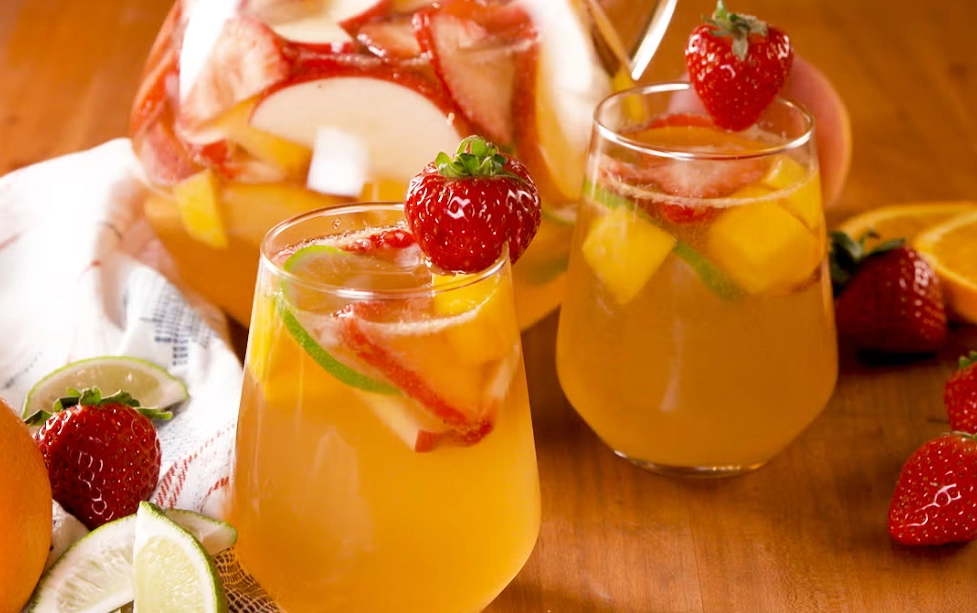
What is White Wine Sangria?
At its core, white wine sangria is a Spanish-inspired cocktail made with white wine, fresh fruit, a sweetener, and often a splash of liquor like brandy or triple sec. It’s served chilled, usually over ice, and perfect for warm weather. Unlike red wine sangria, which can be heavy, the white version is light, crisp, and endlessly customizable.
But let’s clear up a misconception: sangria isn’t just about dumping fruit into wine. The magic happens when the ingredients meld together over time. The fruit infuses the wine with flavor, the sweetener balances acidity, and the liquor adds depth. Get it right, and you have a drink that’s greater than the sum of its parts.
I’ve seen people use it as a punch for weddings, a pitcher drink for picnics, or even a make-ahead option for busy hosts. It’s versatile, and that’s why it’s so popular.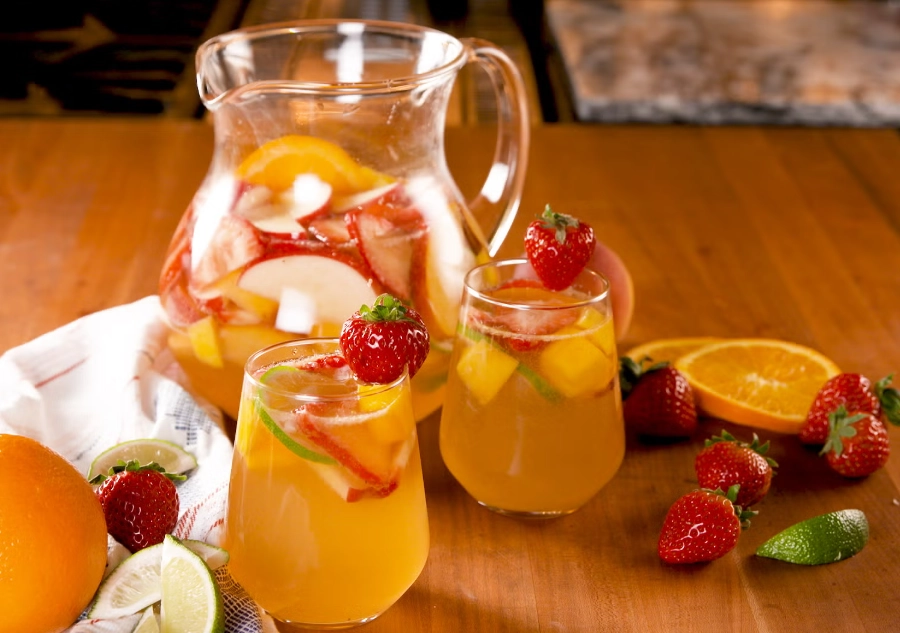
How to Make the Perfect White Wine Sangria: A Step-by-Step Guide
This isn’t just another recipe—it’s a blueprint. Follow these steps, and you’ll get consistent results. I’ve broken it down to make it foolproof, even if you’re new to mixing drinks.
Choosing the Right White Wine
This is where most folks go wrong. Don’t use a super sweet wine like Moscato unless you want a dessert drink. Instead, opt for a dry or off-dry white wine with good acidity. Here’s a quick comparison based on my trials:
| Wine Type | Best For | Why It Works |
|---|---|---|
| Sauvignon Blanc | Bright, citrusy sangria | High acidity cuts through sweetness, adds crispness |
| Pinot Grigio | Light, refreshing batches | Neutral flavor lets fruit shine, widely available |
| Albariño | Authentic Spanish style | Mineral notes complement fruit, less common but worth it |
| Chenin Blanc | Versatile, slightly sweet | Balances tartness, good for beginners |
Personal tip: I lean toward Sauvignon Blanc from New Zealand—it’s zesty and holds up well. Avoid oaky wines like Chardonnay; they can overpower the fruit. And no, you don’t need expensive wine. A mid-range bottle around $15 works perfectly. According to Wine Enthusiast, wines with crisp profiles enhance sangria without dominating it.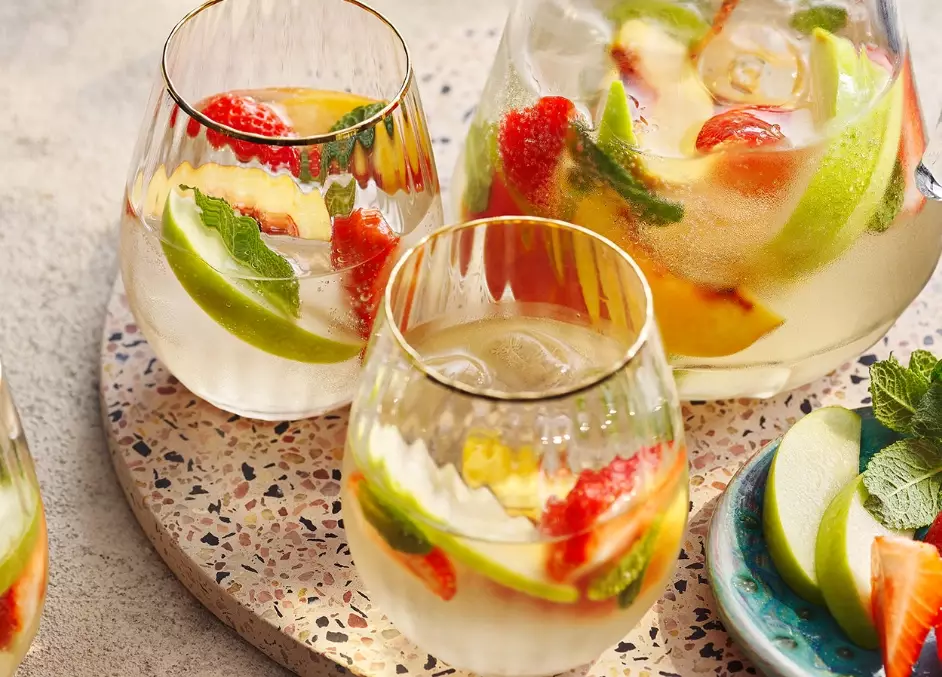
Essential Ingredients and Their Roles
Here’s what you’ll need for a standard batch serving 6-8 people:
- 1 bottle (750 ml) of dry white wine – The base. Go for something you’d drink on its own.
- 1/2 cup of brandy or orange liqueur (like Cointreau) – Adds warmth and complexity. Skip it if you want a lighter drink, but I find it makes a difference.
- 1/4 cup of sweetener – Simple syrup (equal parts sugar and water, dissolved) is best. Honey or agave work too, but they can mute flavors if overused.
- 2 cups of fresh fruit – Citrus is key. Oranges, lemons, limes. Add berries or peaches for sweetness. Chop them into bite-sized pieces—not too big, not too small.
- 1 cup of sparkling water or lemon-lime soda – Added just before serving for fizz. Use soda for sweetness, sparkling water for a drier finish.
- Ice – For serving. Don’t add it to the pitcher ahead of time, or you’ll dilute the drink.
I once made the mistake of using canned fruit—it turned mushy and made the sangria cloudy. Fresh is always better.
Step-by-Step Instructions
- Prep the fruit: Wash and slice it. For citrus, I remove some of the peel to reduce bitterness, but leave a bit for aroma. Toss everything into a large pitcher.
- Add the sweetener and liquor: Pour in the brandy and simple syrup. Stir gently to combine. Let it sit for 10 minutes so the fruit starts releasing juices.
- Pour in the wine: Add the white wine. Stir again. Now, here’s a non-consensus point: don’t refrigerate it immediately. Let it sit at room temperature for 30 minutes to an hour. This helps the flavors meld faster. Then cover and refrigerate for at least 4 hours, ideally overnight. The longer it sits, the better it gets—but don’t exceed 24 hours or the fruit can break down.
- Serve: Right before serving, add the sparkling water or soda. Give it a stir, then pour over ice into glasses. Include some fruit pieces in each glass for presentation.
That’s it. Simple, but the details matter. For example, if you’re making this for a party, prep it the night before. The wait is worth it.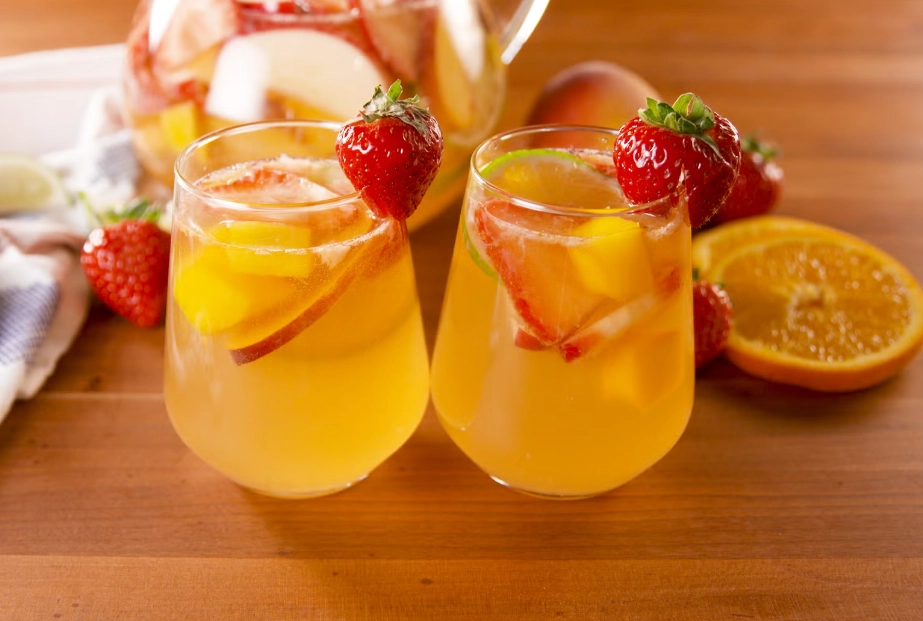
Common Mistakes to Avoid (Expert Tips)
After years of trial and error, I’ve seen the same blunders repeated. Here’s how to steer clear:
Over-sweetening: It’s tempting to add more sugar, but sangria should be balanced. Taste before adding extra sweetener—the fruit and liquor already contribute sweetness. Start with 1/4 cup and adjust after chilling.
Using low-quality wine: If the wine tastes bad alone, it’ll taste worse in sangria. Stick to decent bottles. A tip from a bartender friend: avoid wines labeled “cooking wine”—they’re often salted or flavored.
Adding ice too early: This dilutes the drink and makes it watery. Always add ice at serving time. If you need to keep it cold, use frozen fruit instead of ice cubes. I freeze grapes or berries—they chill without watering things down.
Ignoring acidity: Sangria needs a bright kick. If your wine is low in acid, add a squeeze of fresh lime juice before serving. It wakes up the flavors.
Skipping the rest time: Impatience ruins sangria. That room-temperature rest I mentioned? It’s crucial. It jumpstarts the infusion process. Without it, your sangria might taste disjointed.
I learned these the hard way. At one gathering, I added ice to the pitcher to keep it cool, and by the end, it tasted like flavored water. Not ideal.
Variations and Creative Twists
Once you’ve mastered the basic recipe, play around. Here are some favorites I’ve collected:
- Tropical White Sangria: Use Pinot Grigio, add mango, pineapple, and coconut water instead of sparkling water. A splash of rum instead of brandy. Perfect for beach vibes.
- Rosé Sangria Hybrid: Mix half white wine, half rosé. Add strawberries and peaches. It’s pink, pretty, and slightly sweeter.
- Herbal Twist: Muddle a few mint or basil leaves in the pitcher before adding wine. It adds a fresh, aromatic layer. I tried this with Sauvignon Blanc and loved it.
- Spiced Version: Add a cinnamon stick or a few slices of ginger during the infusion. Remove before serving. Great for fall gatherings.
Don’t be afraid to experiment. The best sangria I ever made was with a cheap Albariño and overripe peaches—it was a happy accident.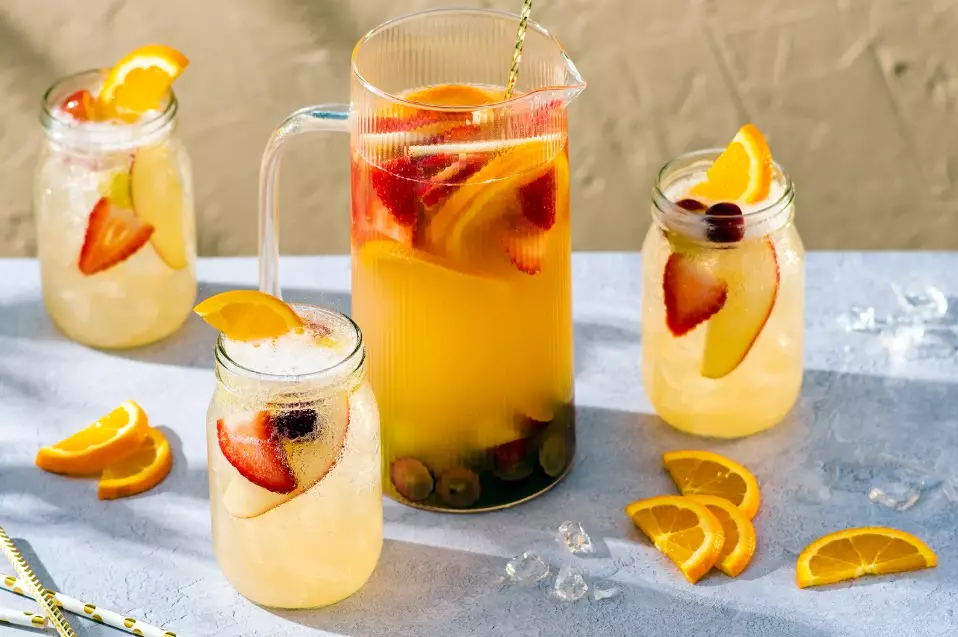
Serving and Presentation Ideas
Presentation elevates the experience. Here’s how to serve white wine sangria like a pro:
Glassware: Use clear glasses or mason jars to show off the colorful fruit. Stemless wine glasses work well too.
Garnishes: Add a fresh herb sprig (mint or rosemary) or a citrus wheel on the rim. It looks Instagram-worthy and adds aroma.
Batching for Crowds: For a party of 20, scale up: use 3 bottles of wine, 1.5 cups brandy, 3/4 cup sweetener, and 6 cups fruit. Mix in a large punch bowl. Keep the sparkling water separate until serving to maintain fizz.
Food Pairings: Sangria pairs beautifully with light fare. Think tapas, grilled shrimp, cheese boards, or fresh salads. I served it with garlic shrimp at a last-minute dinner, and it was a hit.
Avoid leaving the pitcher in direct sunlight—it can warm up and alter the taste. Set it on a bed of ice in a cooler if outdoors.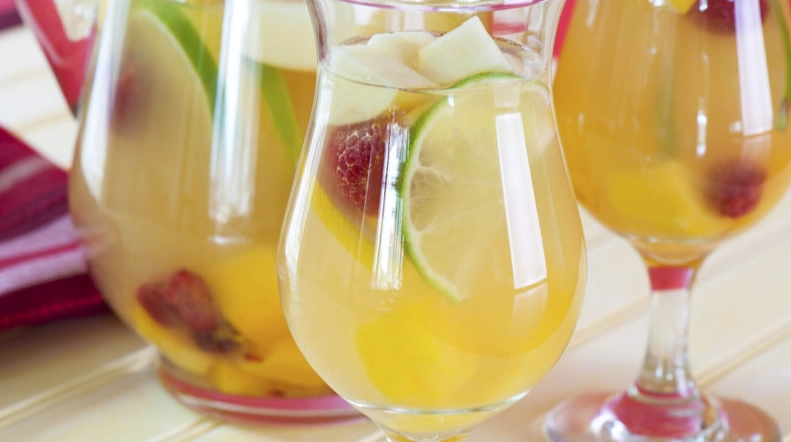
FAQ: Your White Wine Sangria Questions Answered
White wine sangria is more than a recipe—it’s a flexible foundation for creativity. Start with the basics, avoid the common pitfalls, and soon you’ll be tweaking it to suit your taste. Whether it’s a lazy Sunday or a big celebration, this drink has your back. Give it a try, and don’t stress over perfection. The best batches often come from a little experimentation and a lot of enjoyment.
Reader Comments