Let's be honest. Roasting squash in the oven works, but it takes forever. You heat up the whole kitchen, wait 40 minutes, and sometimes you still don't get those crispy, caramelized edges you're dreaming of. That's why I switched to the air fryer. It cuts the time in half and delivers results that are consistently better—crispy on the outside, tender and sweet on the inside, every single time.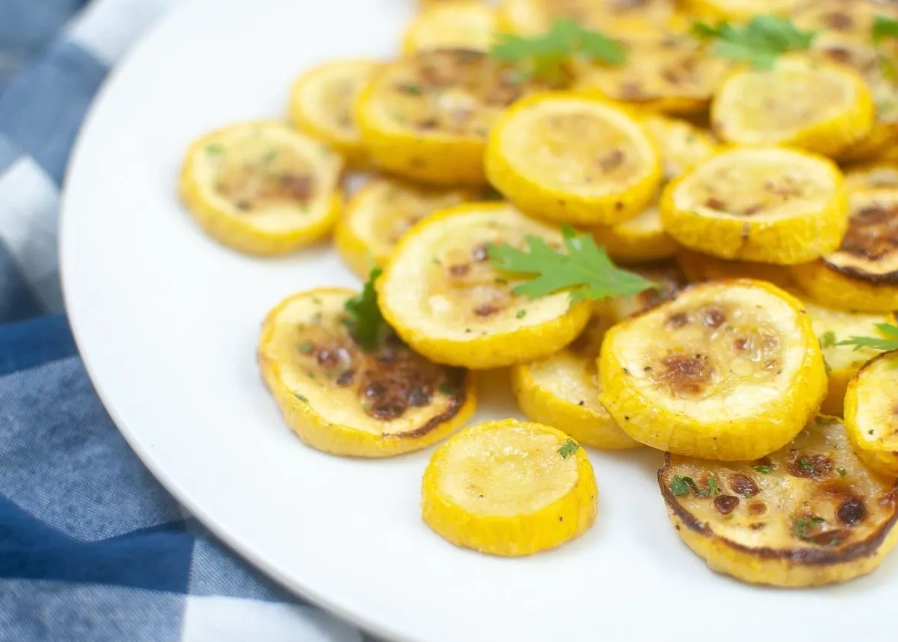
This isn't just about tossing some squash cubes in the basket. After testing dozens of batches (and yes, a few failures), I've nailed down the specifics that most recipes gloss over. The type of squash, how you cut it, the tiny amount of a secret ingredient for max crispiness—it all matters.
What's Inside This Guide?
Why an Air Fryer is a Game-Changer for Squash
An oven relies on radiant heat that surrounds the food. An air fryer is more aggressive. It's a compact convection oven on steroids, blasting super-hot air directly onto the food's surface at a high speed. This does two crucial things for squash:
1. It removes surface moisture incredibly fast. That's the key to browning and crisping. In an oven, squash can steam in its own juices before it browns. The air fryer's fierce airflow evaporates that moisture almost instantly, letting the Maillard reaction (that's the fancy term for browning) kick in right away.
2. It cooks food faster and more evenly. Because the hot air is circulating rapidly in a small chamber, every piece of squash gets equal attention. No more flipping sheet pans or rotating racks. You just give the basket one good shake halfway through.
The result? Squash that's genuinely crispy, not just soft and warm. It's a texture upgrade that makes it addictive.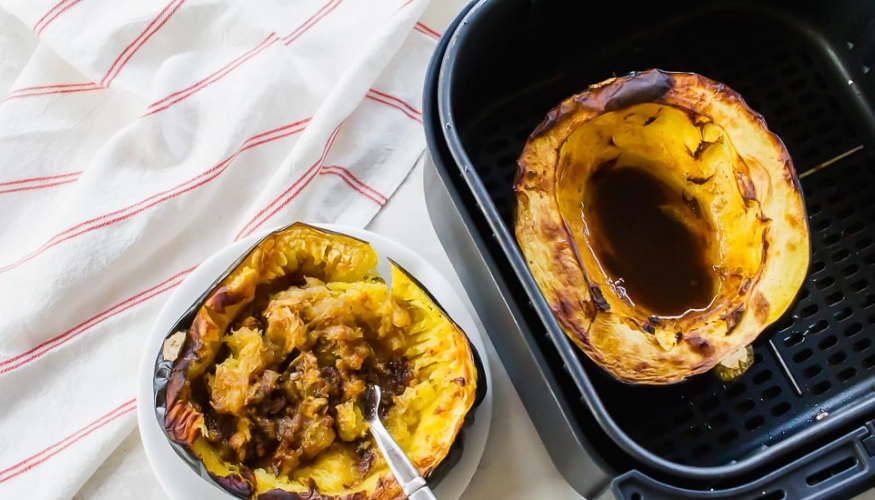
How to Prep Squash for the Air Fryer (The Right Way)
Most mistakes happen before you even turn the machine on. Here’s the step-by-step most people get wrong.
1. Picking Your Squash
Not all squash are created equal in the air fryer.
- Butternut Squash: The gold standard. Dense, sweet, and holds its shape. Peel it well—the skin is too tough.
- Acorn Squash: Tender skin you can eat. Just slice it into half-moons or stuff the halves. Less dense than butternut, so it cooks faster.
- Delicata Squash: The air fryer's best friend. Edible skin, no peeling needed. Cooks quickly and gets wonderfully crisp.
- Spaghetti Squash: A different beast. Cook it whole or halved to make "noodles," not crispy cubes.
- Zucchini & Yellow Squash: High water content. You need a different approach (higher temp, shorter time, and maybe a sprinkle of cornstarch) to avoid sogginess.
2. Cutting & Sizing is Everything
This is the non-negotiable rule: uniform size. If your pieces are different sizes, the small ones will burn while the big ones are still hard.
Aim for 3/4-inch to 1-inch cubes or slices. Any bigger, and the inside won't cook through before the outside gets too dark. Any smaller, and they might dry out or fly around the basket.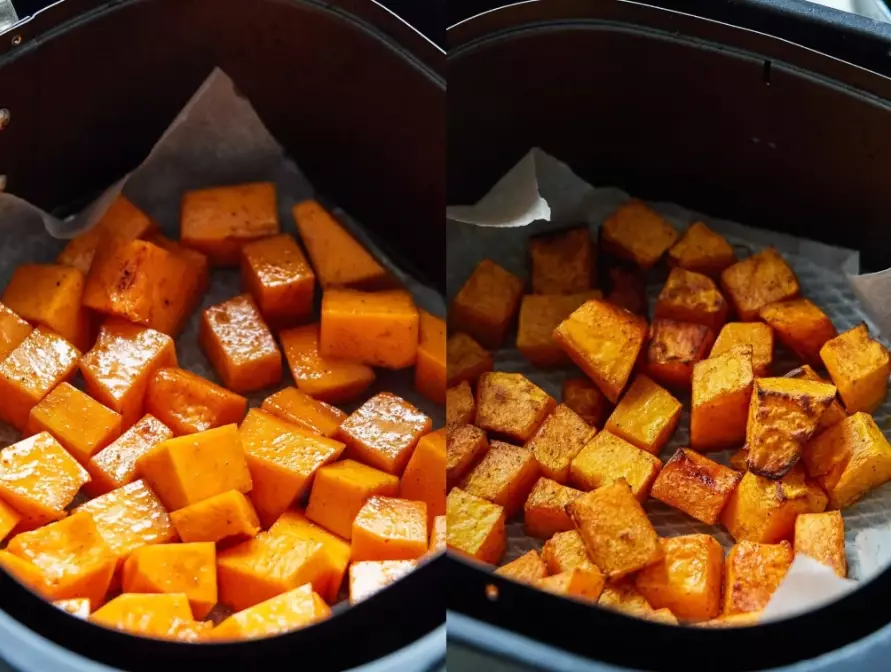
Pro Tip I Learned the Hard Way: Don't just eyeball it. Take 30 seconds to sort your cut pieces on the cutting board. Pull out any obvious giants or tiny bits and adjust them. It guarantees even cooking.
3. The Crucial Step Everyone Skips: Drying
Wet squash is the enemy of crispiness. After cutting, pat the pieces thoroughly with paper towels or a clean kitchen towel. You're trying to remove surface moisture, not just blot.
4. Seasoning & The "Crispiness Booster"
Toss your dry squash in a bowl with oil, salt, and your chosen seasonings. Use enough oil to coat lightly but not pool—about 1-2 tablespoons for a medium squash. Avocado or olive oil work great.
Here's the secret weapon no one talks about: a light dusting of cornstarch or arrowroot powder. Just half a teaspoon tossed with the oiled squash makes a huge difference. It creates an ultra-thin, crackly exterior that gets phenomenally crisp. It's my go-to for butternut and acorn squash.
The Best Air Fryer Time & Temperature for Every Squash
One temperature does not fit all. This table is based on my own testing with a standard 5.8-quart basket air fryer.
| Squash Type | Cut/Form | Temperature | Time | Key Notes |
|---|---|---|---|---|
| Butternut Squash | 1-inch cubes | 400°F (200°C) | 12-15 mins | Shake at 8 mins. High temp for browning. |
| Acorn Squash | 1/2-inch half-moons | 380°F (193°C) | 10-12 mins | More delicate. Slightly lower temp. |
| Delicata Squash | 1/2-inch half-moons | 400°F (200°C) | 10-12 mins | Gets perfectly crisp. No peeling! |
| Spaghetti Squash | Halved (seeds scooped) | 375°F (190°C) | 25-35 mins | Cook cut-side down until fork-tender. |
| Zucchini/Yellow Squash | 1/2-inch half-moons | 390°F (199°C) | 8-10 mins | DO NOT overcrowd. Pat VERY dry. |
Why 400°F for most? You need that high heat to drive off moisture quickly and initiate browning. Lower temperatures (like 350°F) will just steam the squash, leaving it soft and pale.
The Shake: Non-negotiable. Pause at the halfway mark, pull out the basket, and give it a vigorous shake or use tongs to flip pieces. This ensures all sides get exposed to the hot air.
Avoid This Mistake: Don't just set it and forget it. All air fryers have slight variations in heating. Start checking a few minutes before the lower end of the time range. Your squash is done when it's deeply golden brown on the edges and pierces easily with a fork.
5 Flavor Ideas Beyond Salt & Pepper
Once you master the basic crispy squash, the flavor world is yours. Toss with these mixes after coating with oil.
- Garlic Parmesan: Minced garlic (or garlic powder), grated Parmesan, dried oregano. Add Parmesan in the last 2 minutes to avoid burning.
- Maple Bacon: A drizzle of maple syrup (after cooking) and crumbled cooked bacon. The sweet and salty combo is unreal.
- Smoky Paprika: Smoked paprika, garlic powder, onion powder, a pinch of cumin. Simple and deeply savory.
- Herbes de Provence: This dried herb blend (thyme, rosemary, savory) with a little lemon zest after cooking feels fancy with minimal effort.
- Spicy Honey: Toss with chili powder or cayenne before cooking. Drizzle with honey right out of the air fryer.
My personal favorite? The garlic parmesan on butternut squash. It disappears from the plate in minutes.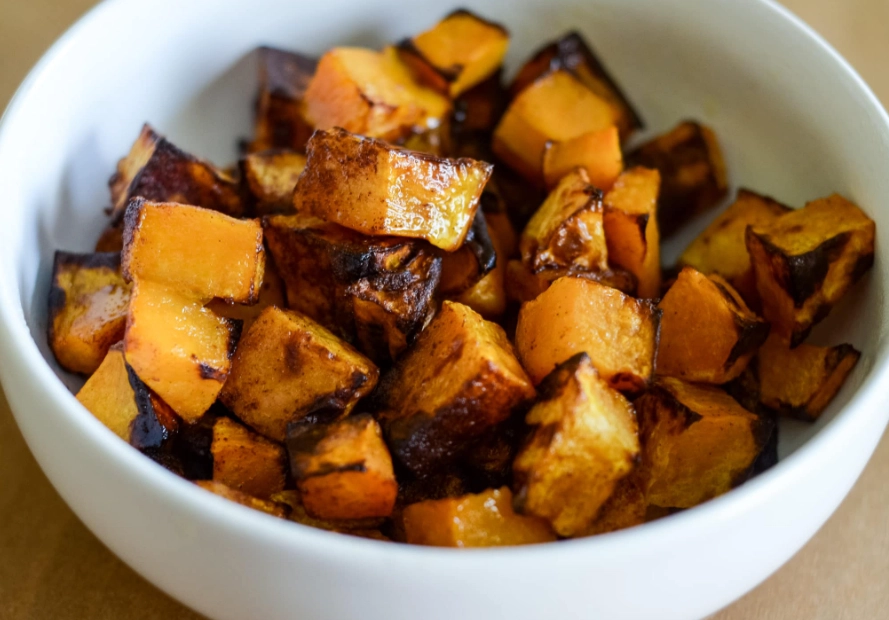
Fixing Common Air Fryer Squash Problems
For small squash like delicata or acorn, yes. Pierce the skin several times with a knife to let steam escape. Cook at 375°F for 25-35 minutes, turning halfway, until it gives when squeezed. For large butternut squash, it's not practical—it won't cook evenly and takes up the whole basket. Cubing is always more efficient.
Three likely culprits: 1) You didn't dry it well enough after cutting. 2) You overcrowded the basket. The pieces need space for air to circulate; if they're piled on top of each other, they'll steam. Cook in batches if necessary. 3) You're using a squash with very high water content (like zucchini) at too low a temperature. Crank the heat and don't skip the cornstarch trick.
Your pieces are too small, or your temperature is too high for that variety. Refer to the table above. If you're following that and it's still happening, your air fryer might run hot—a common issue. Try reducing the temperature by 15-20°F and adding a couple of minutes to the cook time. Also, ensure your pieces are a consistent, adequate size (closer to 1 inch).
You can cut and dry the squash a day ahead. Store it in an airtight container in the fridge with a paper towel to absorb moisture. Do not toss it with oil and seasonings until right before cooking. The oil can make the squash soggy as it sits. The cornstarch trick also works best when added just before cooking.
Absolutely. Squash itself is packed with vitamins (notably Vitamin A), fiber, and antioxidants. Air frying uses significantly less oil than deep frying and even less than some oven-roasting methods to achieve a similar crispy texture. According to nutritional data from sources like the USDA FoodData Central, cooking methods like air frying can help retain more nutrients compared to boiling. You control the oil and salt, making it a healthy side dish or main component.
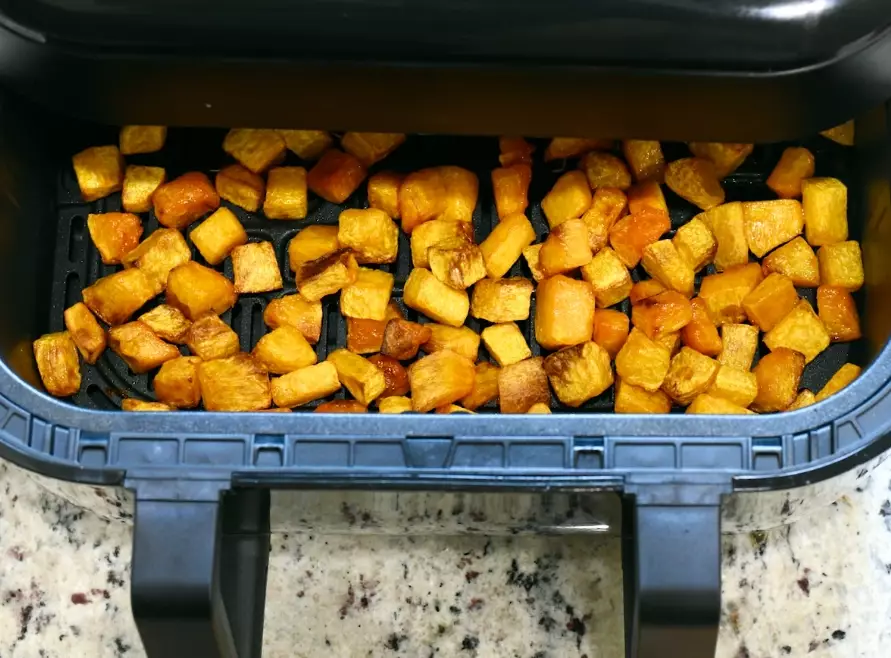 The first time I made air fryer squash, I was skeptical. Now, my oven feels neglected for this task. It's faster, the results are more reliable, and the cleanup is easier (especially if you use a parchment liner). Start with a batch of simple butternut squash cubes at 400°F. Once you taste that perfect caramelized crispness, you'll understand why this method is a keeper.
Got a squash variety or flavor combo you love? That's the beauty of it—once you know the core technique, you can adapt it to almost anything.
Reader Comments