Let's be honest. You grab a rotisserie chicken from the store with the best intentions. It's a lifesaver on a busy night. But after one meal of chicken, maybe with a side of microwaved veggies, the magic fades. You're left staring at a carcass, wondering if you should just make soup again. I've been there. For years, I saw that chicken as a single meal, not the incredible culinary shortcut it truly is.
The real game-changer wasn't finding more recipes—it was changing my mindset. A store-bought rotisserie chicken isn't just dinner; it's 4-6 cups of pre-cooked, flavorful protein ready to be transformed. This guide is about unlocking that potential with healthy rotisserie chicken recipes that are anything but boring.
What You'll Find Inside
How to Choose a Truly Healthy Rotisserie Chicken
Not all birds are created equal. Walk into any major grocery store, and you'll see a wall of chickens, all golden brown. The difference is in the details, and those details matter for your health goals.
My biggest mistake early on? Assuming "rotisserie" automatically meant "healthy." I ignored the label. Then I checked the sodium on my favorite brand—it was through the roof. One serving had nearly 40% of the daily recommended limit. If you're using the whole chicken across multiple meals, that adds up fast.
Here’s your quick checklist at the store:
- Scan the Sodium: Aim for brands with less than 400mg of sodium per 3-ounce serving. Some "no-salt-added" or "low-sodium" options exist, though they're less common.
- Avoid the Glaze Trap: Skip the honey-bbq, lemon-pepper, or savory herb if they list sugar or corn syrup in the first few ingredients. Stick to the classic roasted. The flavor is cleaner and more versatile.
- Check for Additives: A short ingredient list is best: chicken, water, salt, spices. Be wary of long lists with preservatives like sodium phosphate or carrageenan.
- Size Matters (for plans): A standard chicken yields about 4 cups of meat. If you're planning multiple meals for a family, consider getting two. The cost per pound is still a steal.
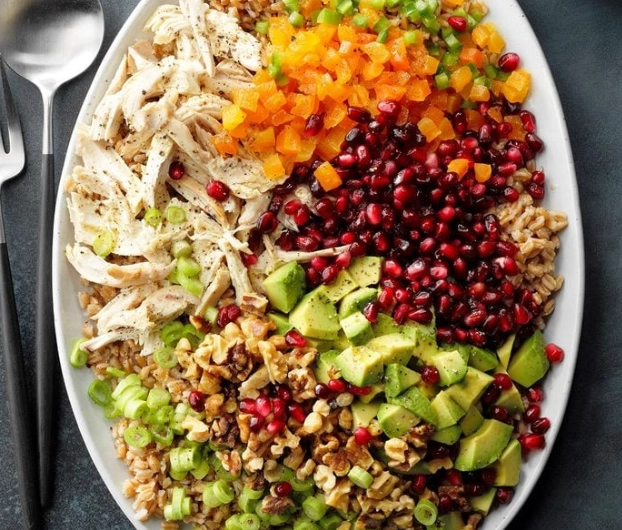
Three Core Healthy Rotisserie Chicken Recipes
These aren't just recipes; they're templates. Each one is designed to be flexible based on what's in your fridge.
1. The 15-Minute Power Bowl
This is my weekday lunch savior. The formula is foolproof: greens + grain + chicken + crunch + dressing. No cooking required if you use pre-cooked grains or quinoa.
Base Formula: Start with a big handful of spinach or kale. Add 1/2 cup of cooked quinoa or brown rice. Top with 1 cup of shredded rotisserie chicken.
The Magic Build: Here’s where you personalize. Raid your fridge for any of these: - Crunch: Sliced almonds, sunflower seeds, chopped cucumber, bell peppers. - Creamy/Fat: 1/4 avocado, a sprinkle of feta or goat cheese. - Sweet/Tangy: A handful of berries, pomegranate arils, or dried cranberries (no sugar added). - Dressing: Whisk together 2 tbsp olive oil, 1 tbsp lemon juice, a teaspoon of Dijon mustard, and herbs.
It feels restaurant-fresh but takes minutes. The variety keeps it interesting all week.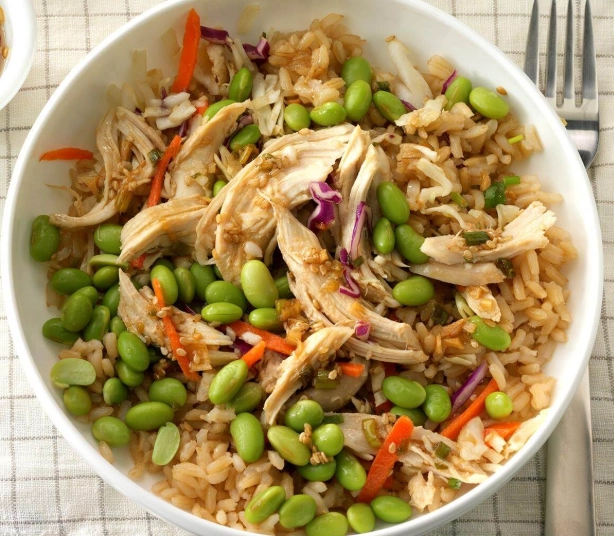
2. Lighter Chicken & Veggie Enchilada Bake
Comfort food doesn't have to be heavy. This recipe ditches the tedious rolling of individual enchiladas for a simple, layered casserole that cuts down on cheese and amps up veggies.
You'll need: - 3 cups shredded chicken - 1 can (15 oz) black beans, rinsed - 1.5 cups corn kernels (frozen works) - 2 bell peppers, diced - 1 cup of your favorite salsa (check for low sugar) - 8-10 corn tortillas, cut into strips - 1.5 cups enchilada sauce - 1 cup shredded pepper jack or Monterey Jack cheese
Layer it in a baking dish: sauce, tortilla strips, chicken/bean/veggie mix, salsa, repeat. Top with cheese. Bake at 375°F (190°C) for 25 minutes until bubbly. The corn tortillas and bean-veggie blend add fiber, making it more filling with less cheese. Serve with a dollop of Greek yogurt instead of sour cream.
3. "Clean Out the Fridge" Chicken Soup
This is where the carcass pays off. Making your own broth is the secret to deeply flavorful, healthy soup, and it's mostly hands-off time.
Broth Method: Put the carcass (bones, skin, all those gelatin-rich bits) in a slow cooker or large pot. Cover with water. Add a rough-chopped onion, two carrots, two celery stalks, a bay leaf, and a tablespoon of apple cider vinegar (helps draw minerals from the bones). Simmer on low for 8-12 hours. Strain. You now have gold.
For the soup: Sauté any remaining veggies you have—chopped carrots, celery, onions, kale stems, zucchini. Pour in your homemade broth. Add 2 cups of shredded chicken at the very end just to warm through. Season with salt, pepper, and fresh herbs. The flavor is incomparable to canned soup, and you control the sodium completely.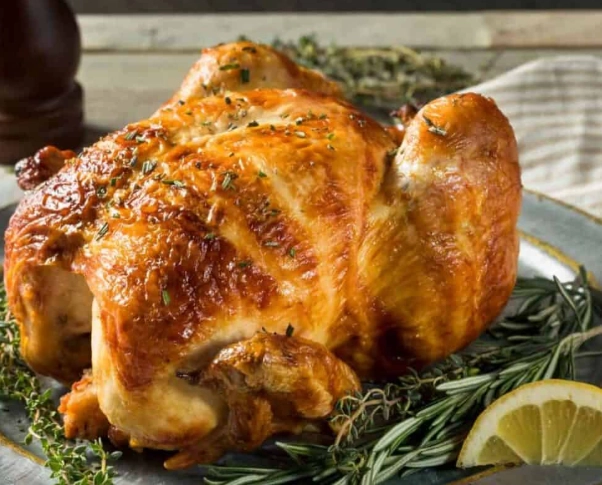
Become a Rotisserie Chicken Meal Prep Master
One chicken, three distinct meals. Here’s a realistic plan that actually works, preventing "chicken fatigue."
>Assemble grain, chopped veggies, and dressing in separate containers. Add chicken and greens day-of.>Make the full casserole and refrigerate before baking, or prep taco toppings (salsa, slaw, avocado).>Make broth after Night 1; freeze for next week.| Meal # | Recipe Idea | Chicken Used | Prep Ahead Tip |
|---|---|---|---|
| Night 1 | Classic Dinner: Chicken with roasted sweet potatoes & broccoli. | Breast meat (sliced) | Chop veggies in advance; toss with oil & season; roast on a sheet pan. |
| Lunch Day 2/3 | Power Bowls (see above) | 1.5 cups mixed dark & white meat | |
| Night 3 | Enchilada Bake or Chicken Tacos | Remaining shredded meat (~2 cups) | |
| Future | Homemade Chicken Soup | Carcass for broth, any leftover meat |
This system works because the textures and cuisines change. You're not just eating shredded chicken every day.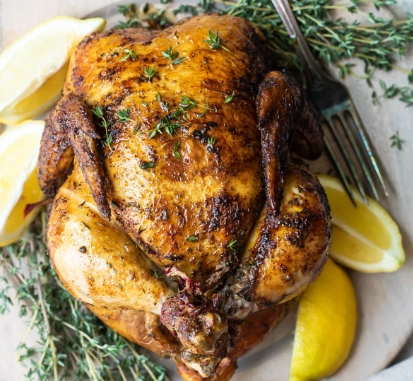
Expert Tips for Maximum Flavor & Nutrition
After years of testing, here are the nuances most recipes won't tell you.
Revive Dry Meat: The breast meat can dry out. Don't just microwave it. Toss shredded chicken with a splash of broth, a drizzle of olive oil, or a spoonful of salsa before reheating. It rehydrates and re-seasones it instantly.
Skin is a Tool, Not a Treat: Don't just eat the crispy skin as a snack (tempting, I know). Chop it finely and use it as a flavor-packed "breadcrumb" topping for salads or soups. A little goes a long way, adding crunch and savoriness without overdoing it.
The Hidden Vegetable Boost: When making your soup broth, after straining, pick the softened carrots, celery, and onion out of the strainer. Puree them with a bit of the broth and stir back into the soup. It thickens it beautifully, adds nutrients, and makes the soup feel creamier without any dairy.
Freeze in Portions: If you won't use all the meat in 3-4 days, freeze it in 1 or 2-cup portions in zip-top bags, pressed flat. It thaws quickly and is ready for any recipe.
Reader Comments