Let's cut to the chase. The "best" way to cook chicken for shredding isn't one single method. It depends on your schedule, your tools, and what you mean by "best." Is it the most hands-off? The fastest? The one that yields the most succulent meat? After years of testing for meal prep, tacos, soups, and salads, I've found that while a slow cooker gives you incredibly forgiving, juicy results, a pressure cooker is a close second for speed. But if you only have an oven or a pot, you can still get fantastic shredded chicken by avoiding one major pitfall almost everyone makes.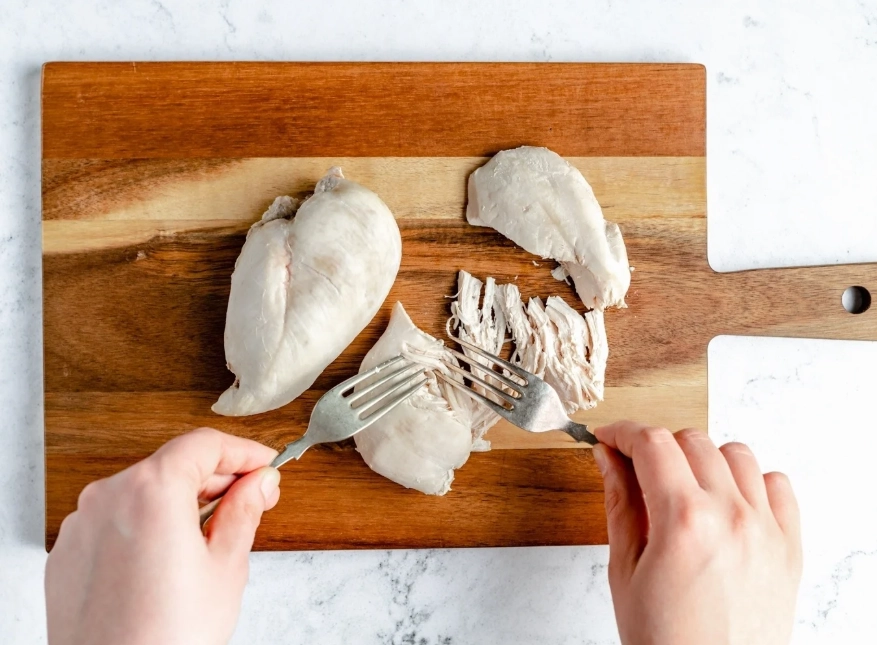
What's Inside This Guide
- Why Getting Shredded Chicken Right is Harder Than It Looks
- The Great Shredded Chicken Method Showdown
- Mastering the Slow Cooker (The Set-and-Forget Champion)
- The Pressure Cooker Speed Run (Instant Pot & Others)
- Oven & Stovetop: The No-Special-Equipment Options
- The Shredding Process Itself: Tools and a Game-Changer Tip
- Your Shredded Chicken Questions, Answered
Why Getting Shredded Chicken Right is Harder Than It Looks
You've probably had dry, stringy, tasteless shredded chicken. It's a common letdown. The goal is the opposite: tender, moist strands that hold flavor and don't disintegrate into dust. The core challenge is that shredding exposes so much surface area. If the meat is even slightly overcooked or cooked without moisture, it dries out instantly when you pull it apart.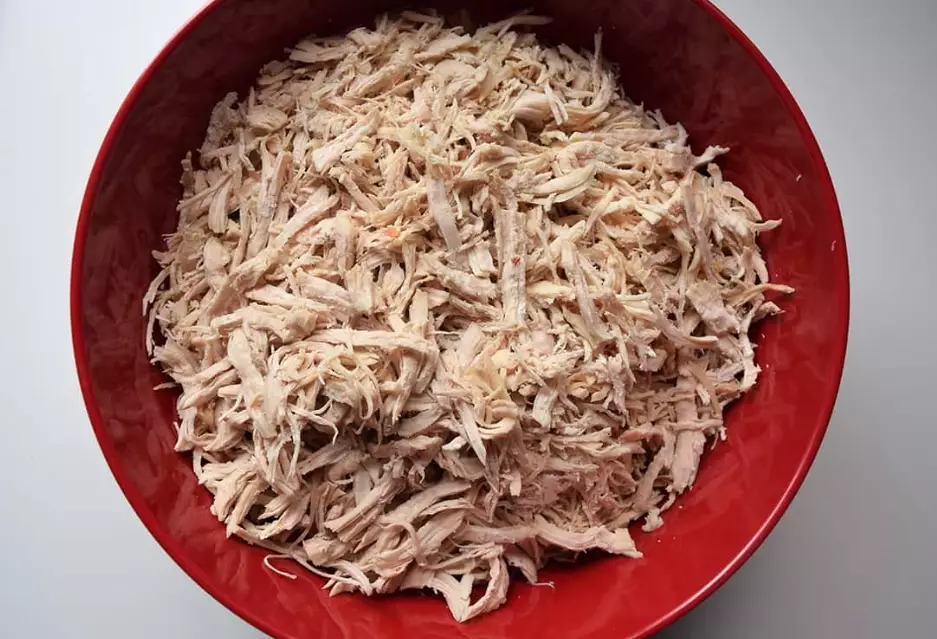
Most recipes get the basics wrong from the start. They tell you to use boneless, skinless chicken breasts. For shredding, that's often a mistake. Breasts are lean and have little margin for error. I strongly recommend starting with bone-in, skin-on chicken thighs or a whole chicken. The bones and skin act as a built-in buffer against overcooking, and the dark meat from thighs stays juicier and more flavorful. It's also cheaper. If you insist on breasts, you must be militant about temperature.
The Non-Consensus View: The biggest subtle mistake isn't the cooking time—it's the starting temperature of the chicken and the liquid. Placing cold, hard chicken straight from the fridge into a hot slow cooker or pot significantly increases the time it spends in the "danger zone" (40°F - 140°F) where bacteria can grow. It also leads to uneven cooking. Letting the chicken sit out for 20-30 minutes to take the chill off makes a noticeable difference in texture and safety.
The Great Shredded Chicken Method Showdown
Here’s a quick comparison to help you decide which path to take. This isn't just about time; it's about effort, texture, and flavor infusion.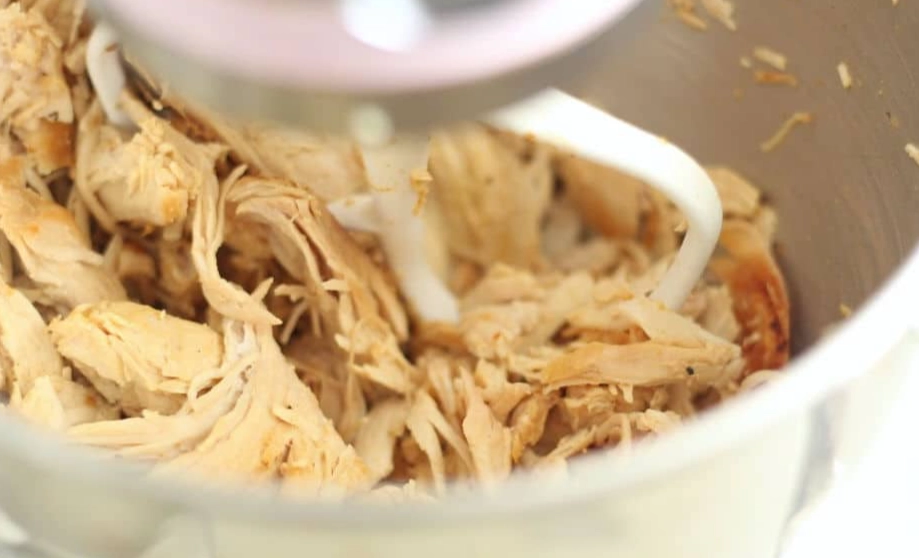
| Method | Hands-On Time | Total Time | Best For | Key Watch-Out |
|---|---|---|---|---|
| Slow Cooker | 10 mins | 4-8 hours | Ultra-juicy, hands-off cooking, deep flavor | Can over-reduce & dry if cooked too long on High. |
| Pressure Cooker | 10 mins | 25-35 mins | Speed without sacrificing moisture | Easy to overcook; natural release is crucial. |
| Oven (Braising) | 15 mins | 1 - 1.5 hours | Rich, concentrated flavors, crispy skin option | Requires monitoring liquid levels. |
| Stovetop (Poaching/Simmering) | 5 mins | 20-30 mins | Fastest active method, clean flavor | Very easy to overcook into rubbery texture. |
Mastering the Slow Cooker (The Set-and-Forget Champion)
For consistently juicy results with zero babysitting, the slow cooker is king. The low, steady heat breaks down connective tissue without squeezing out all the juices. Here’s exactly how I do it.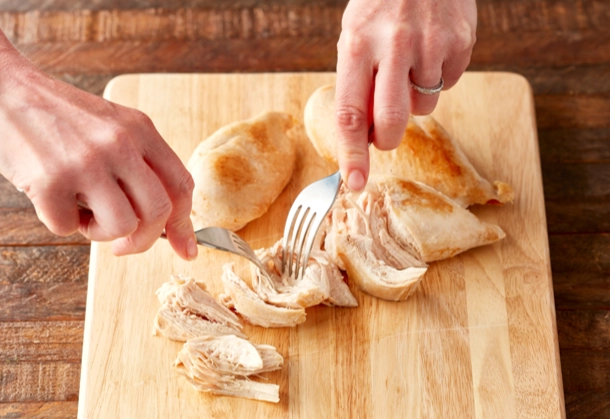
My Go-To Slow Cooker Process:
I use a mix of thighs and drumsticks for cost and flavor. Place 2-3 lbs of bone-in chicken in the pot. Don't add water to cover it—that's poaching and will wash out flavor. Instead, add just enough liquid to come about 1/3 of the way up the chicken. This could be:
- Broth (chicken or vegetable)
- A 50/50 mix of broth and salsa
- Broth with a splash of apple cider vinegar or lemon juice (the acid helps tenderize)
Season aggressively. Salt, pepper, garlic powder, onion powder, paprika. Don't be shy. The slow cooker mutes flavors. Throw in a quartered onion and a few smashed garlic cloves.
Cook on LOW for 6-7 hours or HIGH for 3-4 hours. On low is almost always better. The chicken is done when it pulls away from the bone effortlessly. A meat thermometer should read 195°F-205°F for dark meat—yes, higher than the standard 165°F safety temp. This higher temperature is the secret for shreddable tenderness.
Remove the chicken, let it cool slightly, then shred, discarding skin and bones. Critical step: Skim the fat off the cooking liquid in the pot. Some of that flavorful liquid (the "pot liquor") is gold. Mix a few tablespoons back into the shredded meat to keep it moist. Don't skip this.
The Pressure Cooker Speed Run (Instant Pot & Others)
If you need shredded chicken in under an hour from start to finish, this is your method. The pressurized steam forces moisture into the meat quickly.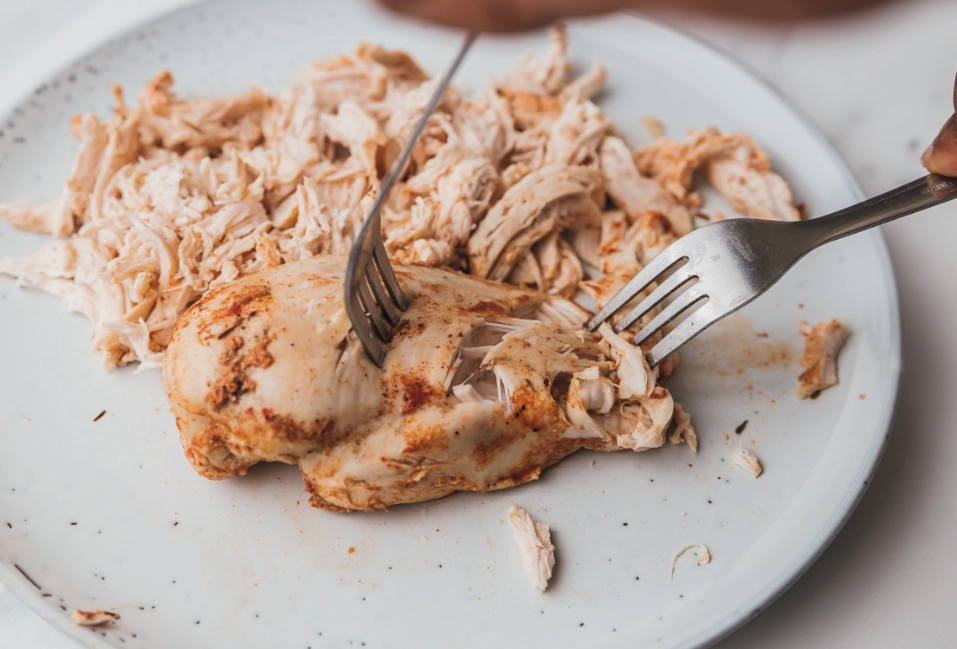
How to Cook Chicken for Shredding in an Instant Pot
Use 1 cup of liquid (broth, water with bouillon) for a 6-quart pot. Place a trivet in the bottom and stack your chicken on it. This keeps it out of the direct liquid, essentially steaming it, which results in a cleaner flavor perfect for recipes where you'll add sauce later.
Timing is everything:
- Boneless, skinless breasts (1 lb): High pressure for 6-8 minutes.
- Bone-in thighs (2-3 lbs): High pressure for 10-12 minutes.
Here’s the pro tip most miss: Let the pressure release naturally for at least 10 minutes before doing a quick release. A full, immediate quick release causes the meat to seize up and become tougher. That natural release time is part of the cooking process.
Once done, shred as usual. The liquid left in the pot is a concentrated broth—save it for soup or to moisten the chicken.
Oven & Stovetop: The No-Special-Equipment Options
No slow cooker or Instant Pot? No problem. You can get excellent results with basic kitchen gear.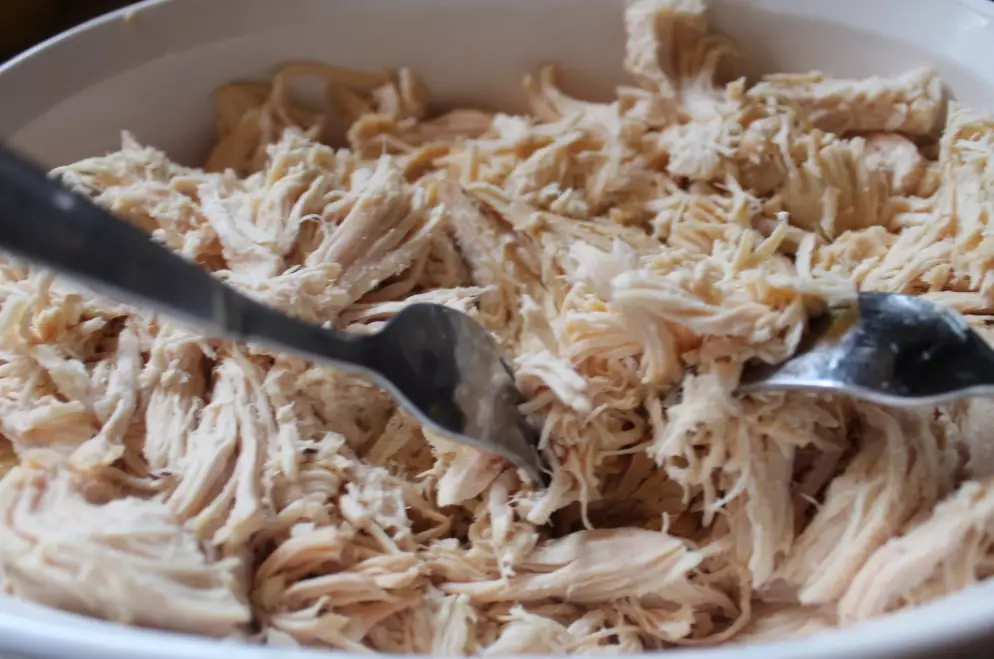
Oven-Braised Shredded Chicken
This method develops incredible flavor. Preheat your oven to 325°F (163°C). In a Dutch oven or oven-safe pot with a lid, brown your chicken pieces in a bit of oil on the stovetop. Remove the chicken, sauté some onions and garlic in the same pot, then add back the chicken with about 1-2 cups of liquid (wine, broth, tomatoes). Bring to a simmer, cover, and transfer to the oven.
Braise for 45 minutes to 1.5 hours, depending on the cut, until fork-tender. The controlled, ambient heat of the oven is gentler than the stovetop and yields a similar result to the slow cooker, just faster.
Stovetop Poaching/Simmering
This is the fastest but most hands-on method. It's best for boneless breasts or thighs when you need chicken for a salad or sandwich quickly.
Place chicken in a pot and add cold broth or water just to cover. Bring to a very gentle simmer—a few bubbles breaking the surface, not a rolling boil. The moment it simmers, turn the heat to low, cover, and cook for 10-15 minutes. Do not let it boil. Boiling = tough chicken. Remove from heat and let it sit in the hot liquid, covered, for another 10-15 minutes. This carryover cooking finishes the job gently. Check for doneness (165°F), then shred.
The Shredding Process Itself: Tools and a Game-Changer Tip
You've cooked perfect chicken. Now don't ruin it with a tedious shredding job.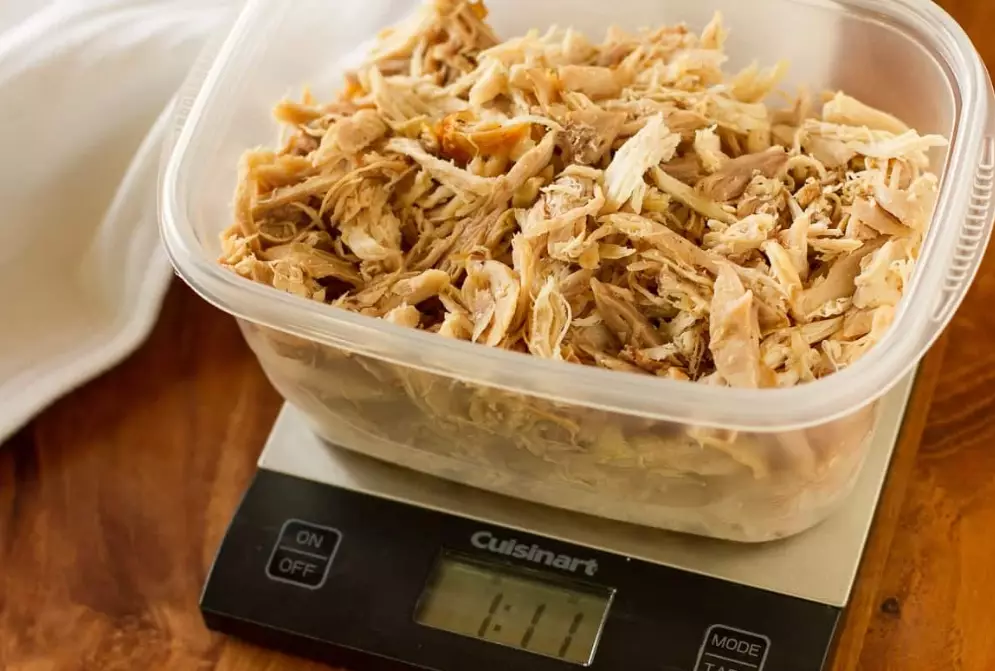
Tools Ranked:
- Two Forks: The classic. Time-consuming and uneven. Fine for small batches.
- Hand Mixer (Stand Mixer): The absolute game-changer. Place slightly cooled chicken in your stand mixer bowl (like a KitchenAid) or use a hand mixer with the paddle attachment. Mix on low speed for 20-30 seconds. It shreds perfectly, evenly, and in seconds. This is my #1 recommendation for bulk meal prep.
- Food Processor (Pulse): Can work but easily over-processes into mush. Use with extreme caution.
Let the chicken cool for 10-15 minutes before shredding. It handles better and won't burn your fingers. Always shred directly into or onto a surface that can catch the juices, and mix those juices back in.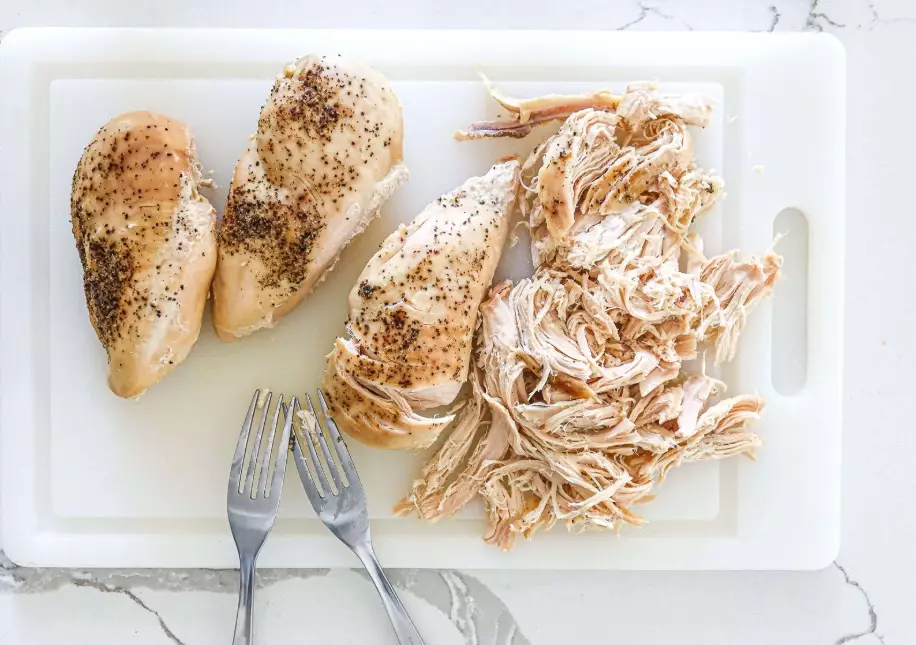
Reader Comments