Let's be honest. Most articles about healthy meal prep make it look like a part-time job for Instagram influencers with unlimited counter space. The reality for most of us is different. You're busy, maybe you're cooking for one or two, and the last thing you want on Sunday is to spend four hours in the kitchen only to face a fridge full of identical, sad-looking chicken and broccoli containers by Wednesday.
I've been prepping meals for over a decade, first as a broke student, then as a busy professional, and now while juggling a family. I've made every mistake—from soggy salads to freezer-burned mystery meals. Good meal prep isn't about perfection; it's about creating a practical system that makes eating well the default, easy choice. It saves you money, reduces daily decision fatigue, and yes, can help with weight management by putting you in control of your ingredients. This guide cuts through the fluff and gives you the real-deal recipes and strategies that stick.
Your Quick-Start Guide to Meal Prep
The One Planning Mistake Everyone Makes
You pick three elaborate new recipes, buy 30 unique ingredients, and end up exhausted. The fix? Batch cooking components, not just complete meals. Think of your fridge like a healthy meal assembly line.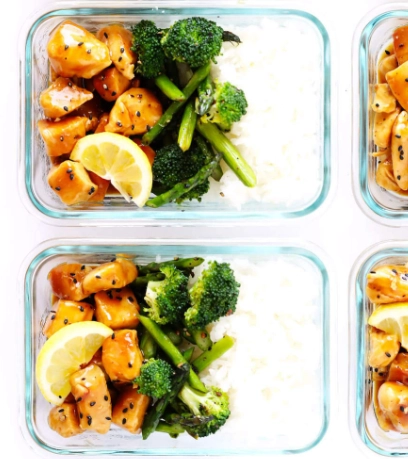
Instead of making 5 identical lunches, cook these core components:
- A Protein: 1-2 large batches (e.g., shredded lemon-herb chicken, baked tofu cubes, seasoned ground turkey).
- A Complex Carb: 1-2 kinds (e.g., a big pot of quinoa, roasted sweet potato cubes, brown rice).
- Roasted Veggies: 2-3 sheet pans worth (broccoli, bell peppers, zucchini—tossed in oil, salt, and pepper).
- A Fresh Element: Washed and chopped greens, cherry tomatoes, cucumbers.
- A Flavor Booster: A simple sauce or dressing (more on this below).
This "modular" approach gives you infinite combinations. Monday: Chicken, quinoa, broccoli with pesto. Tuesday: Tofu, sweet potato, peppers with a peanut sauce. It prevents taste bud fatigue, which is the number one reason people quit meal prep.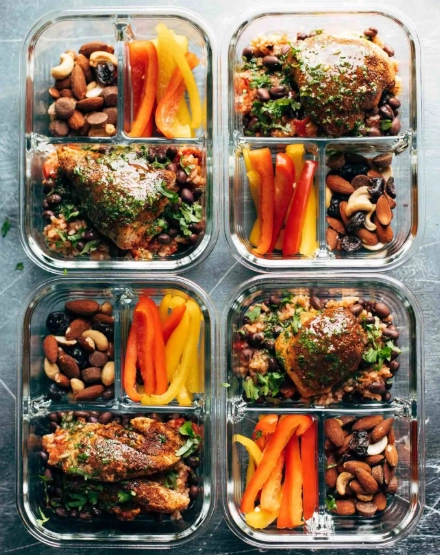
Kitchen Tools You Actually Need (Forget the Fancy Gadgets)
You don't need a $200 food processor. Start with these:
- A Large Baking Sheet (or two): For roasting veggies and proteins efficiently. Lining it with parchment paper saves cleaning time.
- A Good Chef's Knife and Cutting Board: A sharp knife is a game-changer for safety and speed. Spend your money here.
- Large Mixing Bowls: For tossing veggies in oil and seasoning.
- Containers That Work For You: Glass is great for reheating and longevity, but BPA-free plastic is fine if you're on a budget. Get a variety of sizes—small for sauces/dressings, medium for snacks, large for main meals. The brand doesn't matter; the seal does.
- A Large Pot or Dutch Oven: For soups, stews, and cooking grains in bulk.
That's it. A rice cooker or instant pot is nice but not essential. I used just a pot and a baking sheet for years.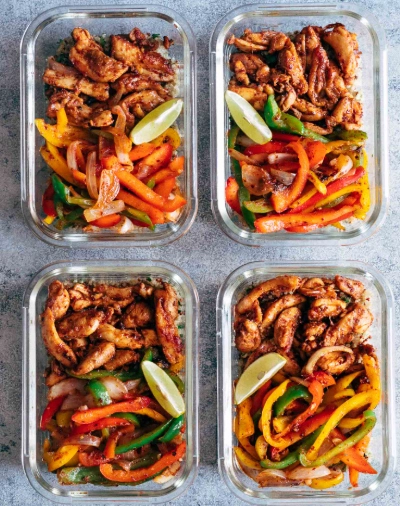
3 Foundational Recipes for Your First Week
These are designed to be simple, forgiving, and yield versatile components. Prep time for all three together is about 90 minutes.
1. The "Never Dry" Lemon-Herb Shredded Chicken
Why it works: Cooking chicken breasts whole in a moist environment (like a skillet with a bit of broth) keeps them juicy and perfect for shredding. Baking them dry often leads to cardboard texture.
Ingredients: 2 lbs boneless, skinless chicken breasts, 1 cup low-sodium chicken broth, juice of 1 lemon, 2 tbsp olive oil, 3 cloves garlic (minced), 1 tsp dried oregano, 1 tsp dried thyme, salt & pepper.
Method: Season chicken. In a large skillet, heat oil over medium-high. Sear chicken 2-3 mins per side until golden. Add broth, lemon juice, garlic, and herbs. Bring to a simmer, reduce heat to low, cover, and cook for 15-20 minutes until cooked through. Let cool slightly in the liquid, then shred with two forks. The liquid becomes a flavor-packed juice to keep the meat moist.
Use it in: Salads, grain bowls, wraps, soups, or with a side of roasted veggies.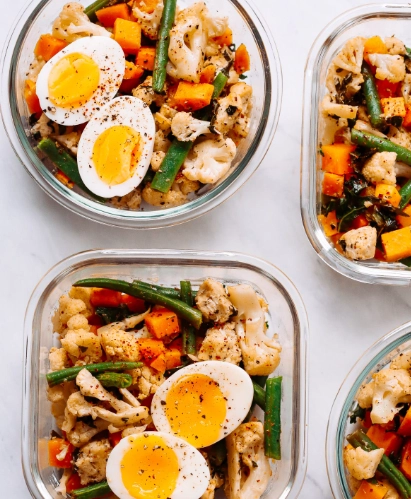
2. Hands-Off Roasted Rainbow Vegetables
The key: Don't crowd the pan. Crowding steams the veggies. Use two sheets if needed.
Ingredients: 1 head of broccoli (florets), 2 bell peppers (sliced), 1 red onion (sliced), 1 zucchini (cubed), 3 tbsp olive oil, 2 tsp garlic powder, 1 tsp smoked paprika, salt & pepper.
Method: Preheat oven to 425°F (220°C). Toss each type of veggie separately in a bowl with a portion of the oil and spices. Spread in a single layer on parchment-lined baking sheets. Roast for 20-25 minutes, flipping halfway, until edges are caramelized. Let cool before storing.
3. The 5-Minute "Goes On Everything" Sauce
The secret weapon: A good sauce transforms basic components. This yogurt-based one is creamy, tangy, and protein-rich.
Ingredients: 1 cup plain Greek yogurt, 1/4 cup tahini or olive oil, juice of 1/2 lemon, 1 small clove garlic (grated), 2 tbsp water, salt & pepper.
Method: Whisk everything together until smooth. Add more water for a drizzling consistency. Store in a small jar for up to 5 days.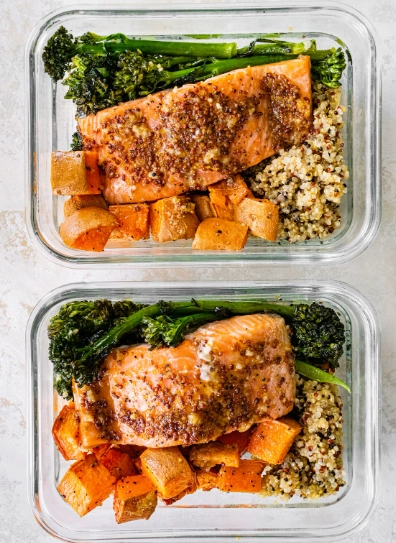
How to Store Food So It Doesn't Get Soggy or Gross
Proper storage is non-negotiable. Follow this simple guide to maximize freshness and safety.
| Food Component | Best Container | Fridge Life | Freezer Life | Reheating Tip |
|---|---|---|---|---|
| Cooked Grains (rice, quinoa) | Airtight container | 4-5 days | 2-3 months | Sprinkle with 1 tbsp water before microwaving to re-steam. |
| Roasted Vegetables | Airtight container, paper towel on top | 4-5 days | Not recommended (gets mushy) | Reheat in a toaster oven or air fryer to re-crisp. |
| Cooked Proteins (chicken, fish, tofu) | Airtight container | 3-4 days | 2-3 months | Thaw overnight in fridge. Reheat gently to avoid drying out. |
| Leafy Greens / Salads | Container with tight lid, no dressing | 3-4 days (washed & spun dry) | No | Eat cold. |
| Soups & Stews | Glass jars or containers (leave space) | 3-4 days | 4-6 months | Reheat on stove or microwave until boiling. |
According to the USDA's Food Safety guidelines, refrigerated cooked food should be consumed within 3-4 days for optimal safety. When in doubt, use your senses—if it looks or smells off, toss it.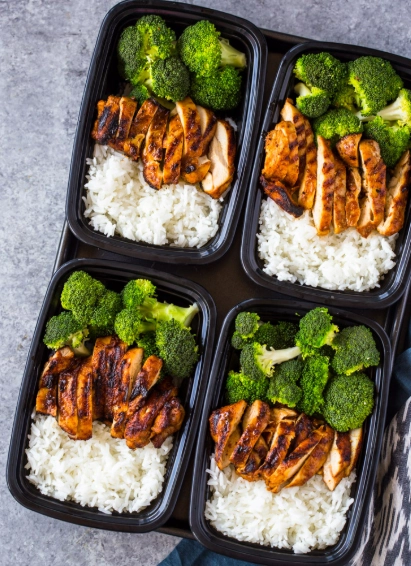
Beyond the Basics: Pro Strategies for Variety
Once you've mastered the component method, here's how to keep it interesting long-term.
Theme Your Weeks
This simplifies shopping and decision-making.
- Mediterranean Week: Batch cook chickpeas, make a big Greek salad, prep tzatziki sauce, roast some lamb or chicken with oregano.
- Asian-Inspired Week: Make a big batch of stir-fry sauce (soy, ginger, garlic, a touch of honey), bake teriyaki salmon or tofu, steam a large portion of jasmine rice, chop stir-fry veggies (keep them raw for quick cooking).
- Soup & Salad Week: Make one large, hearty soup (like lentil or chicken vegetable) and one big grain-based salad (like a quinoa tabbouleh). Alternate between them for lunches.
The "Two-Hour Power Prep"
Can't commit to a full Sunday? Try this condensed version. Pick one protein, one carb, two veggies, and one sauce. Focus on hands-off cooking methods—use the oven for roasting and the stovetop for a one-pot grain. You'll have the core of your meals ready in under two hours.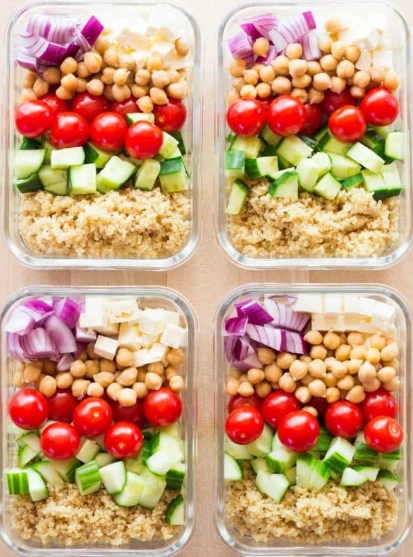
Your Meal Prep Questions, Answered
I get bored eating the same meal all week. How do I avoid this?
This is the modular component system's superpower. You're not making five identical meals. You're making a mix-and-match kit. On Sunday night, assemble two different bowls. On Monday night, use the same components to make a wrap or a salad with a different sauce. The base ingredients are the same, but the final dish feels different. Also, keep a couple of "emergency" items in the pantry—a can of beans, some frozen veggies—to swap in mid-week.
What are the best healthy meal prep recipes for weight loss that actually taste good?
Focus on volume and flavor, not deprivation. Recipes with lots of non-starchy veggies, lean protein, and fiber will keep you full. The roasted veggie recipe above is perfect. Also, try a big batch of turkey chili (load it with beans, tomatoes, and peppers) or mason jar salads with layers of dressing on the bottom, then protein, then crunchy veggies, and greens on top. The mistake is making bland, tiny portions. Make satisfying, flavorful food you look forward to eating.
How do I meal prep for one person without wasting food?
This is a real challenge. First, embrace your freezer. Portion soups, cooked grains, and proteins into single-serving containers and freeze them. That's your "personal frozen dinner" collection. Second, choose recipes with overlapping ingredients. If a recipe calls for half a bell pepper, plan another meal that uses the other half. Finally, some ingredients, like fresh herbs, are hard for one. Buy the dried version, or if you buy fresh, plan to use it all in one prep session (e.g., make a big pesto and freeze it in ice cube trays).
Is it safe to reheat meal prep chicken or rice multiple times?
The official advice from food safety authorities like the UK's NHS and the USDA is to reheat food only once. Reheating multiple times increases the risk of foodborne illness as bacteria can multiply each time the food cools into the "danger zone" (40°F - 140°F). The best practice: reheat only the portion you plan to eat immediately until it's piping hot all the way through. Don't reheat the whole batch, take some out, and put the rest back in the fridge.
The goal isn't to create a picture-perfect fridge. It's to give yourself a fighting chance on a Tuesday evening when you're tired and hungry. Start with one recipe, one component. Even pre-washing and chopping your veggies for the week is a win. Build the habit slowly. You'll find that the time you "lose" on a Sunday afternoon, you gain back tenfold in calm, money saved, and better health during the week. It's the ultimate act of self-care for busy people.
Reader Comments