Let's be honest. The bacon, egg, and cheese sandwich is a breakfast icon for a reason. It's salty, savory, cheesy, and deeply satisfying. But there's a massive gap between a greasy, soggy disappointment and a transcendent breakfast experience that makes you look forward to waking up. I've spent more mornings than I can count perfecting this. It's not just about throwing ingredients together; it's a tiny symphony of textures and timing.
What's Inside
Why This Sandwich is a Timeless Classic
Its genius lies in simplicity and balance. You have the crispy, umami-rich bacon, the soft and creamy eggs, and the gooey, salty cheese, all held together by a carb vessel that soaks up the flavors. It's a complete meal in your hand. But here's the thing most recipes don't tell you: the order of operations matters more than you think. Cooking the components separately and assembling with intent is the single biggest upgrade you can make.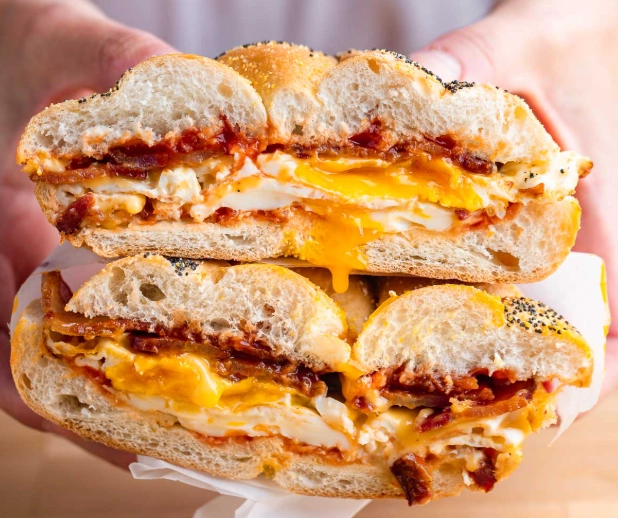
Deconstructing Perfection: The Core Components
The Bread: Your Foundation
Skip the flimsy white bread if you can. It turns to mush. Go for something with structure: a sturdy English muffin (the nooks and crannies trap goodness), a soft but substantial brioche bun (for sweetness), or a hearty artisan roll. Toasting is non-negotiable. It creates a barrier against sogginess. I lightly butter the insides and toast them in the same pan I cooked the bacon in. Game changer.
The Bacon: The Flavor Anchor
Thick-cut bacon is worth the extra dollar. It stays meatier and provides a better chew. Don't crowd the pan. Cook it over medium heat until it's crispy, but not shattering. Reserve that glorious rendered fat. That's liquid gold for cooking your eggs. A common mistake? Pouring the fat out. You're throwing away flavor.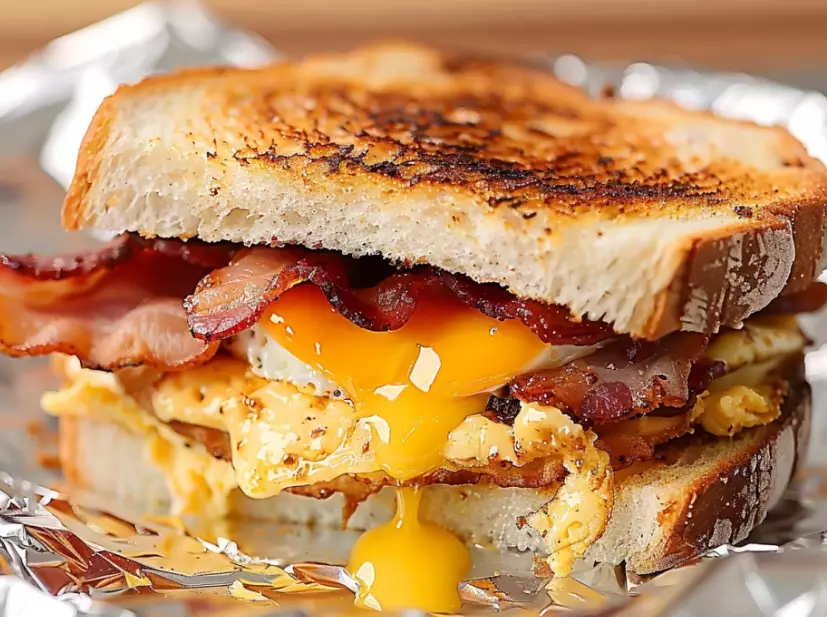
The Eggs: The Heart of the Matter
Scrambled or fried? For a sandwich, I'm team softly scrambled, almost like a creamy fold. The key is low and slow. Whisk your eggs with a splash of milk or cream, pour them into the warm bacon fat over low heat, and gently push them around until just set. They'll continue cooking from residual heat. This gives you a tender, cohesive layer that won't squirt out the sides. If you must fry, go for an over-medium egg so the yolk is thick and saucy, not runny enough to create a mess.
The Cheese Decision Matrix
Not all cheese melts the same. Here’s the breakdown:
American Cheese: The classic for a reason. It melts into an ultra-creamy, cohesive sauce. Don't let food snobs tell you otherwise. It’s engineered for this job. Use a good brand like Boar's Head.
Cheddar: Sharp flavor, but it can get greasy and separate. Grate it finely and use a mix of cheddar and a slice of American for the best of both worlds—flavor and melt.
Pepper Jack: My personal favorite for a kick. Adds a nice spice that cuts through the richness.
Provolone or Gouda: Excellent for a mellower, smokier note. They melt well but stay a bit more structured.
Step-by-Step Mastery: Building the Ultimate Sandwich
This isn't just a recipe; it's a method. Timing is everything.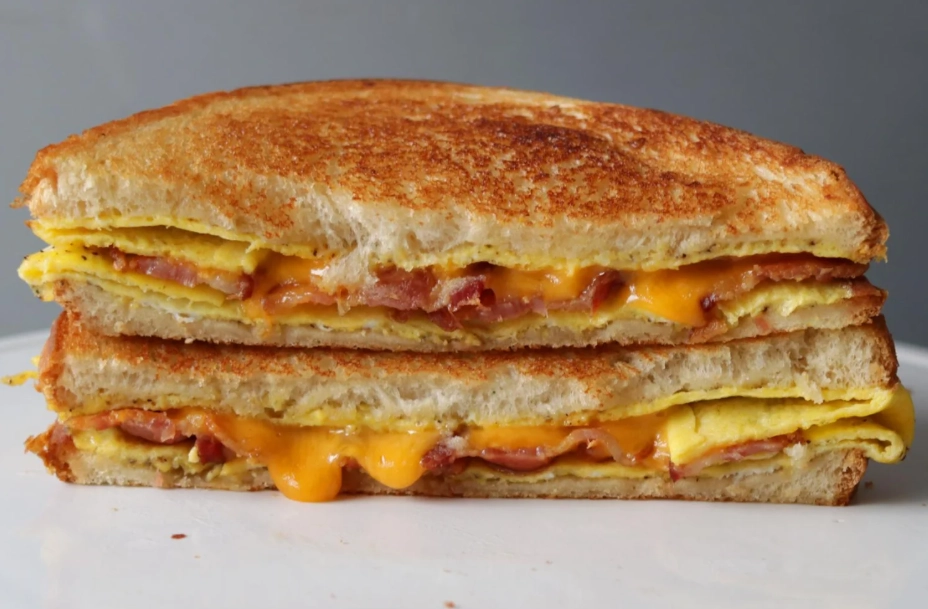
1. Prep & Toast: Get your bread ready. Butter the insides. Have your cheese sliced and eggs whisked. Start toasting your bread in a dry pan or toaster.
2. Cook the Bacon: In a cold skillet, lay out your bacon strips. Turn heat to medium. Cook until crispy, flipping occasionally. Transfer to a paper towel-lined plate. Pour off excess fat if there's a huge amount, but leave a good tablespoon or two in the pan.
3. Scramble the Eggs: Reduce heat to low. Pour in your eggs. Let them sit for 10 seconds, then gently push with a spatula. Keep pushing gently until they are just set but still glossy. Immediately slide them onto a plate—they'll be perfect.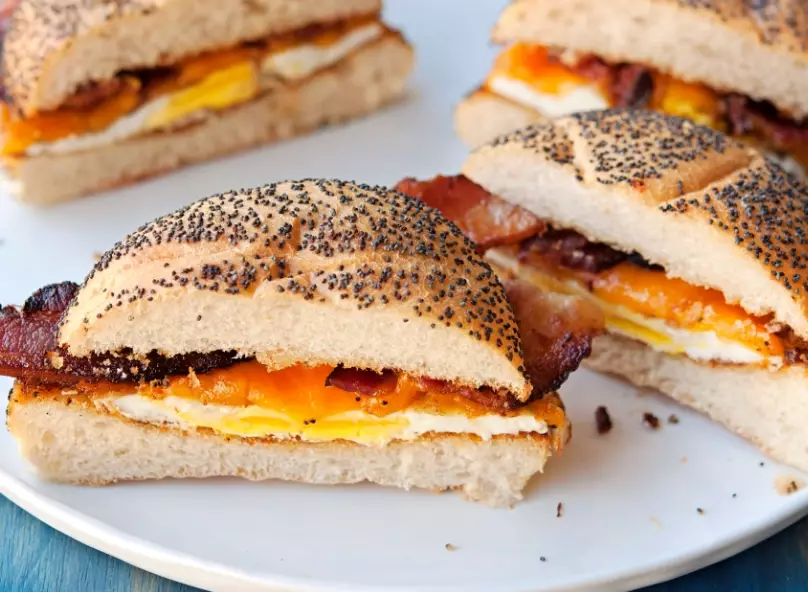
4. The Assembly Line (Hot!): Place your toasted bread on a cutting board. On the bottom half, layer the cheese slice. Then add the hot scrambled eggs. The heat from the eggs will start melting the cheese. Next, add the bacon. Top with the second piece of bread.
5. The Final Press (Optional but Recommended): Wrap the whole sandwich tightly in parchment paper or foil. Let it sit for 1-2 minutes. This allows the steam to gently melt everything together into one cohesive unit. It also makes it easier to eat.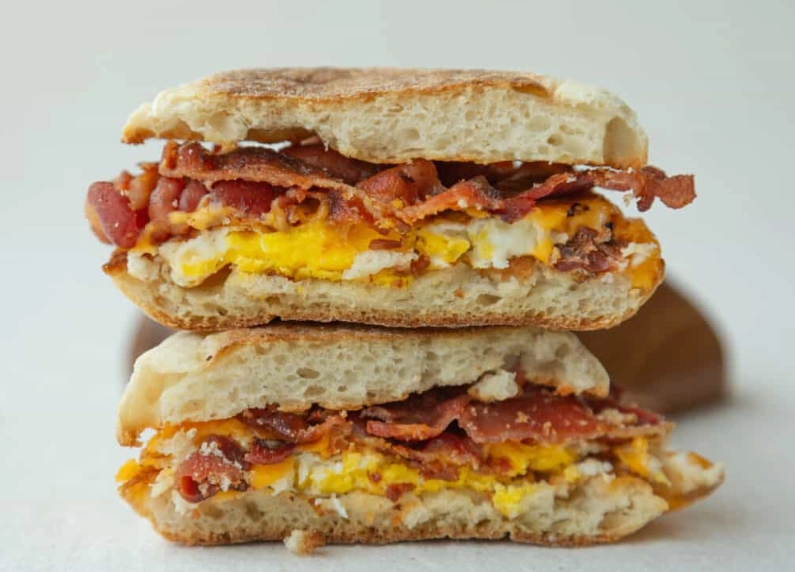
The "Layered Melt" Trick: For maximum cheese integration, don't just put cheese on one side. Use half a slice on the bottom bun (under the eggs) and the other half on the top bun (over the bacon). The eggs and bacon become glued between two layers of melting cheese.
Next-Level Variations to Keep It Exciting
The classic is king, but sometimes you want to riff.
The "Everything Bagel": Use an everything bagel as your base. Add a schmear of cream cheese to the bottom half before assembling. The tang and the seeds add incredible complexity.
The "Green Goddess": Add a layer of smashed avocado or a handful of fresh spinach or arugula wilted in the bacon pan for 10 seconds. It adds freshness and color.
The "Breakfast Burger": Swap the bread for a toasted potato bun. Add a thin, crispy hash brown patty inside. It’s decadent and turns the sandwich into a full diner-style plate.
Make-Ahead & Freeze: This is a lifesaver. Assemble sandwiches with cooled components (fully cook everything). Wrap individually in foil, then place in a freezer bag. To reheat, remove foil, wrap in a paper towel, and microwave for 1:30-2 minutes, or bake in a toaster oven at 350°F until hot through. The texture isn't *quite* as perfect as fresh, but it's 90% there on a busy morning.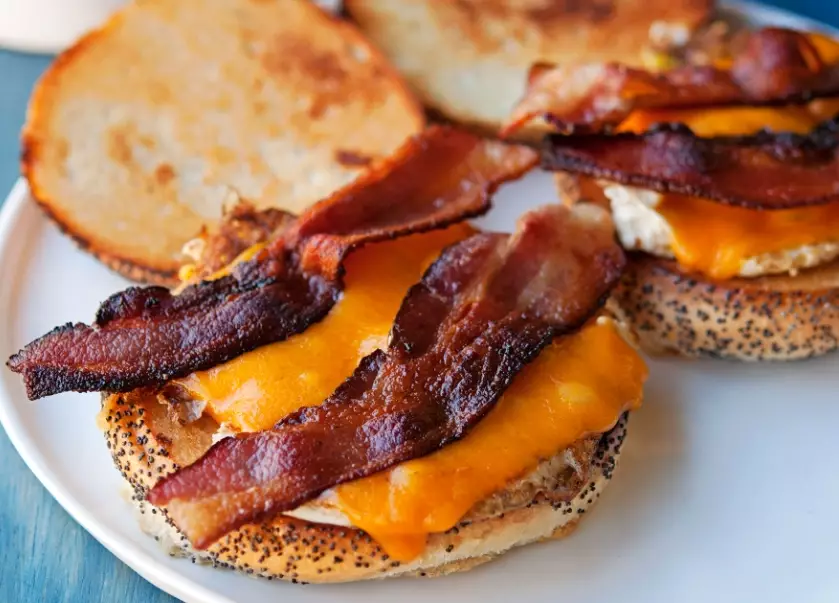
Reader Comments