Let's be honest. The idea of cooking a healthy meal from scratch after a long workday can feel impossible. You're tired, hungry, and the temptation to just order takeout is real. I've been there more times than I can count. That's where meal prep ideas come in—not as a rigid, joyless chore, but as a flexible system to give you back your time and sanity. Done right, it means you always have something good to eat, you save money, and you make healthier choices without having to think about it. This isn't about spending your entire Sunday in the kitchen. It's about smart strategies that work for real life.
In This Article
How to Start Your Meal Prep Journey (Without Burning Out)
The biggest mistake I see? People try to do too much, too perfectly, right away. They buy a stack of identical containers and vow to prep 21 flawless meals. By Wednesday, they're exhausted and never want to see a Tupperware again.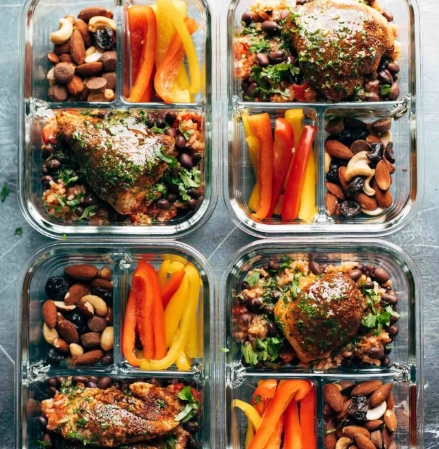
Start small. Really small.
For your first week, don't prep full meals. Just prep components. Here's what that looks like:
- Cook one protein in bulk: A sheet pan of baked chicken thighs, a pot of black beans, or a batch of baked tofu.
- Roast a big tray of vegetables: Broccoli, bell peppers, sweet potatoes, and onions all roast beautifully together with just oil, salt, and pepper.
- Make a big pot of a complex carb: Quinoa, brown rice, or farro.
Now, throughout the week, you can mix and match. Chicken + quinoa + roasted veggies for a bowl. Black beans + rice + veggies for a burrito. Toss it all in a pan with an egg for a quick hash. You've created options without locking yourself into a single repetitive meal.
My First Rule: Your meal prep session should not take more than 2 hours. If it does, you're overcomplicating it. Set a timer. This forces you to focus on simple, efficient tasks.
Three Efficient Meal Prep Strategies to Match Your Lifestyle
Not everyone has a free Sunday afternoon. Your meal prep ideas need to fit your actual schedule. Pick one of these approaches.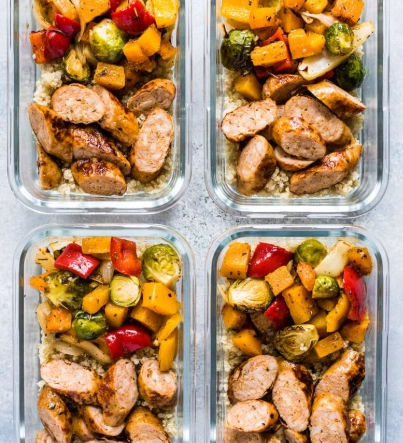
The Sunday Power Hour
This is the classic. Dedicate 60-90 minutes on a weekend day to knock out the bulk of your cooking. The key is parallel processing—using your oven, stove, and counter space all at once.
While the oven preheats, chop your veggies. While the veggies roast, cook your grain on the stovetop. While the grain cooks, season and sear your protein in a pan. You're not waiting for one thing to finish before starting the next.
The Two-Day Split
Better for those with unpredictable weekends. Split the work.
- Day 1 (Prep Day): Do all the chopping, marinating, and measuring. Store pre-chopped veggies in bags, mix your marinade and put it in a bag with your protein, measure out your grains and spices. This is the non-cooking work that takes time.
- Day 2 (Cook Day): Now, assembly is fast. Just roast, boil, and assemble. Cooking day might only take 30 minutes because everything is ready to go.
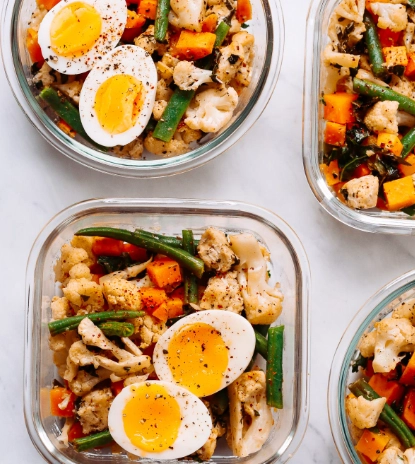
The "Prep-As-You-Cook" Method
My personal favorite for avoiding the "big prep day" fatigue. When you cook dinner on Tuesday night, intentionally make 3-4 extra servings. Immediately portion those extras into lunch containers. You've just prepped tomorrow's lunch (and maybe another dinner) with zero extra dedicated time. Do this 2-3 times a week, and you're consistently stocked.
| Strategy | Best For | Weekly Time Commitment | Flexibility |
|---|---|---|---|
| Sunday Power Hour | Planners, families, those who like structure | 1.5 - 2.5 hours | Lower (meals are set) |
| Two-Day Split | Busy weekends, people who dislike long kitchen sessions | 45 mins + 45 mins | Medium |
| Prep-As-You-Cook | Spontaneous cooks, small households, avoiding burnout | ~20 mins extra per cooking session | High |
Common Meal Prep Mistakes & Expert Fixes
After helping dozens of friends start meal prepping, I've seen the same pitfalls over and over. Here's how to avoid them.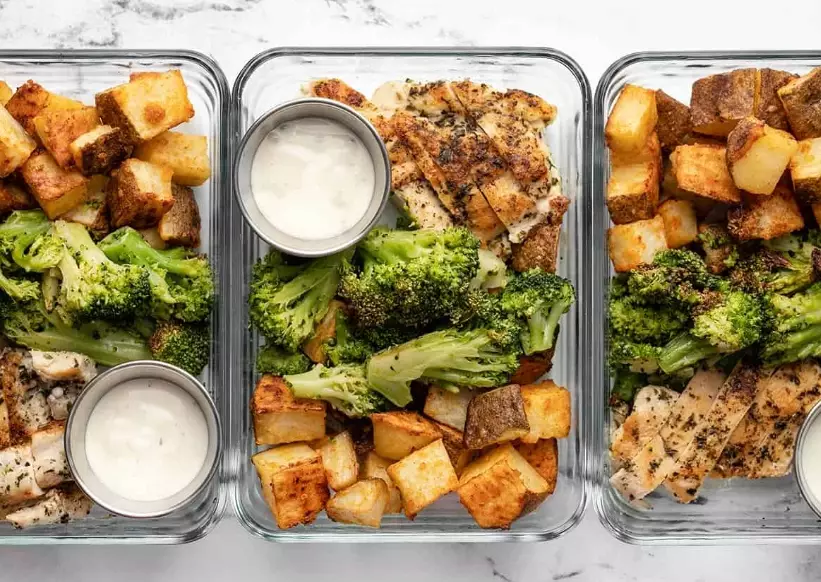
Mistake 1: Not Considering Texture. You prep a bunch of steamed veggies and cooked chicken on Sunday. By Thursday, it's a sad, soggy mess. The fix? Undercook slightly. Vegetables should be tender-crisp when you pack them. They'll finish softening when you reheat. Keep crunchy elements (like nuts, seeds, or fresh herbs) separate in tiny bags to add last minute.
Mistake 2: Skipping the Flavor Layer. This is the #1 reason people get bored. You need a quick, high-impact flavor element that's added just before eating. Think: a zesty lemon-tahini sauce, a spicy salsa verde, a dollop of pesto, a sprinkle of furikake, or a quick vinaigrette. Prep a jar of sauce on Sunday, and your same chicken and broccoli tastes completely different on Tuesday.
Mistake 3: Ignoring Safe Food Storage. This isn't just about taste—it's about safety. The USDA recommends refrigerating cooked food within two hours of cooking. Your prepped meals should go straight from the cooking vessel into shallow containers and into the fridge. Never leave them to cool on the counter for hours. Most cooked meals are safe in the fridge for 3-4 days. For longer storage, freeze immediately.
A Realistic Sample Meal Prep Plan & Recipes
Let's make this concrete. Here's a sample plan using the "Sunday Power Hour" strategy, designed for 4 lunches and 3 dinners for two people. Total active time: about 1 hour 45 minutes.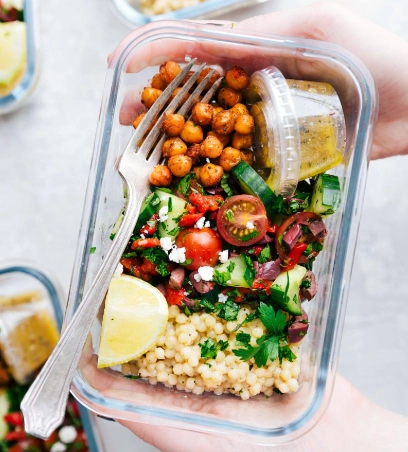
The Component Prep (Sunday):
- Protein 1: Season 4 chicken breasts with salt, pepper, and paprika. Bake at 400°F (200°C) for 20-25 minutes. Let cool, then slice.
- Protein 2: While chicken bakes, drain and rinse 2 cans of chickpeas. Toss with olive oil, cumin, and smoked paprika. Roast on a separate tray for 20-25 minutes until crispy.
- Veggies: Chop 2 heads of broccoli and 3 bell peppers. Toss with oil, salt, and pepper. Roast on a large tray (alongside the chickpeas) for 20 minutes.
- Grain: Cook 2 cups of dry quinoa according to package directions (makes about 4 cups cooked).
- Sauce: Whisk together 1/2 cup Greek yogurt, juice of 1 lemon, 2 minced garlic cloves, 2 tbsp chopped dill, salt, and pepper. This is your flavor bomb.
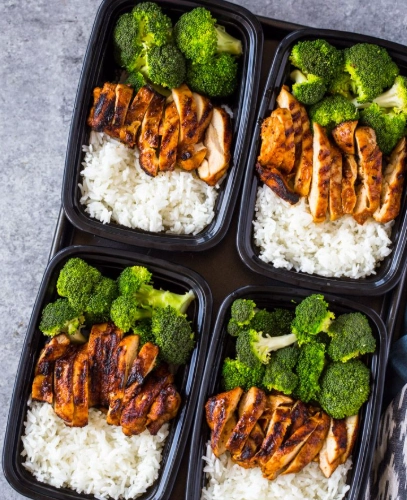
Assembly Ideas for the Week:
- Lunch Bowl 1 & 2: Quinoa + sliced chicken + roasted veggies. Pack lemon-dill sauce on the side.
- Lunch Bowl 3 & 4: Quinoa + roasted chickpeas + roasted veggies. Same sauce, different protein.
- Dinner 1 (Monday): Use chicken, veggies, and quinoa to make quick fajitas with tortillas and avocado.
- Dinner 2 (Wednesday): Sauté leftover roasted chickpeas and veggies with a can of diced tomatoes and spinach for a fast stew.
- Dinner 3 (Friday): Toss everything left with mixed greens for a massive dinner salad.
See? No meal is exactly the same, but the core work was done once.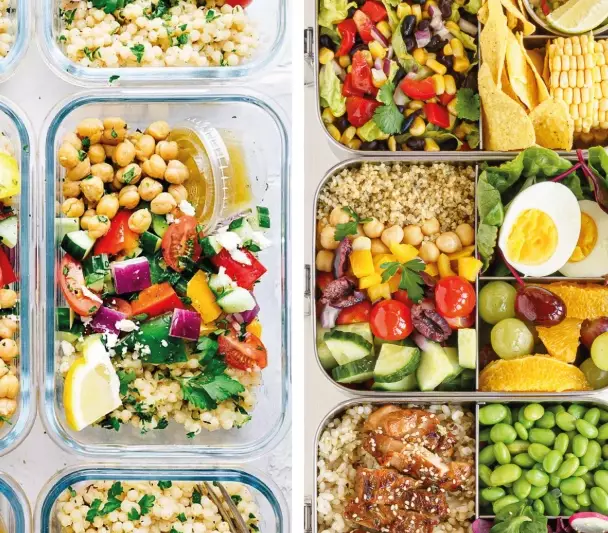
Your Meal Prep Questions, Answered
Does meal prep actually save money?
It can, significantly, but only if you shop with a plan. The savings come from reducing food waste (using all the veggies you buy) and eliminating impulse takeout purchases. A common trap is buying specialty ingredients for a single fancy prep recipe. Stick to versatile, whole foods you'll use up. My grocery bill dropped by about 30% when I started prepping consistently because I stopped throwing out wilted spinach and ordering $25 delivery salads.
I get bored eating the same thing. How can meal prep work for me?
This is the component-based strategy's superpower. You're not prepping "Monday's Lunch." You're prepping building blocks. On Sunday, you have chicken, rice, and beans. Monday's lunch is a burrito bowl. Tuesday, you add curry powder and coconut milk to the same chicken and rice for a quick curry. Wednesday, the beans and rice become a soup with added broth and kale. The base is the same, but the final dish changes dramatically with spices, sauces, and a couple of fresh add-ins.
What are the best containers for meal prep?
Avoid cheap, flimsy plastic that stains and warps. I've moved to a mix of glass containers with snap-lock lids (they microwave safely and don't hold smells) and a set of dedicated "sauce/dressing" containers—think tiny 2-ounce containers with tight lids. The separation of wet and dry components is a game-changer for texture. Bento-style boxes with compartments are great for keeping things from getting soggy.
How do you reheat prepped meals without making them rubbery?
The microwave is the enemy of perfectly cooked chicken. For proteins and grains, sprinkle a teaspoon of water over them before covering loosely with a damp paper towel. This creates steam. Reheat in 30-second bursts, stirring in between. For roasted veggies, a toaster oven or air fryer will give you back that crisp edge far better than a microwave ever could. If you have access to one at work, it's worth the investment.
Is meal prep only for people trying to lose weight or build muscle?
Not at all. That's a fitness industry stereotype. Meal prep is for anyone who values their time and wants to eat well without daily stress. Parents use it to ensure kids have healthy lunches. Busy professionals use it to avoid the 1 PM fast-food run. People with dietary restrictions use it to guarantee they have safe food available. It's a tool for efficiency and peace of mind, not just a diet tactic.
The best meal prep ideas are the ones you'll actually stick with. Don't get bogged down in Instagram-perfect photos of identical boxes. Start with one component. See how it feels. Adjust. The goal isn't perfection; it's making your life in the kitchen a little easier, a little healthier, and a lot less stressful.
Reader Comments