You know the feeling. It's noon, you're starving, and the only options are a sad desk salad or an overpriced takeout sandwich that leaves you sluggish by 3 PM. If you're trying to eat more plants, the midday meal struggle is real. That's where vegetarian lunch meal prep comes in. It's not about spending your whole Sunday in the kitchen. It's a smart system to ensure you have delicious, satisfying food ready to go, saving you time, money, and countless decisions during the week. I've been prepping plant-based lunches for over a decade, and I've learned it's less about fancy recipes and more about a few core strategies. Let's ditch the lunchtime panic for good.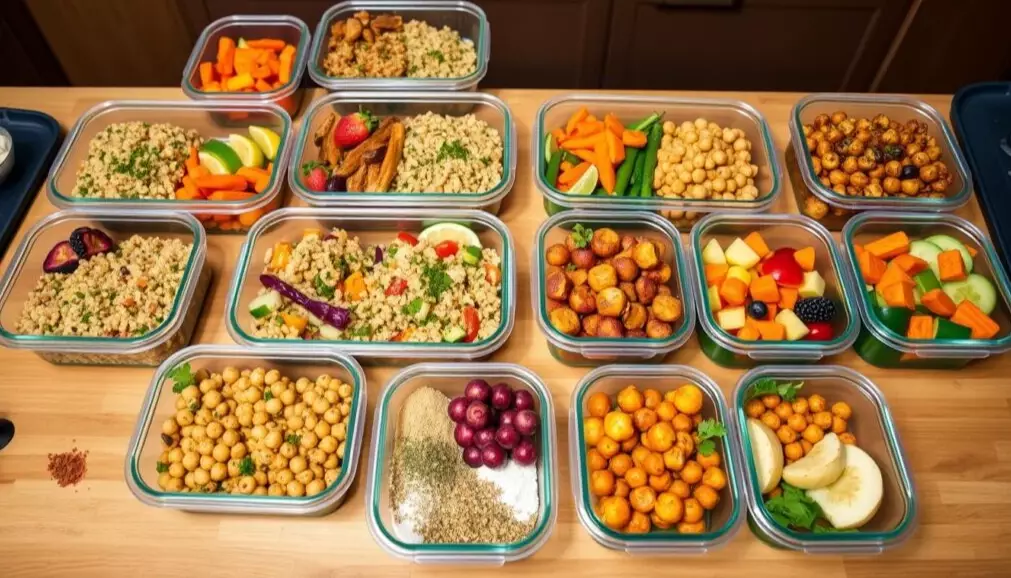
Your Quick Guide to Veggie Lunch Prep
What Makes Vegetarian Meal Prep Different?
Most generic meal prep advice focuses on chicken, rice, and broccoli. For a vegetarian lunch, the priorities shift. You're not just reheating one container of food. You're often building meals from components to keep textures interesting. The goal is to combine protein, complex carbs, healthy fats, and lots of veggies in a way that stays fresh and appetizing for 4-5 days.
One mistake I see beginners make is prepping one giant batch of a wet dish, like a curry or soup, and eating it all week. By Wednesday, you're bored. The secret is component-based prepping. Cook your grains, roast your veggies, prepare your proteins and sauces separately. Then, mix and match. This approach prevents sogginess and gives you the illusion of variety without extra work.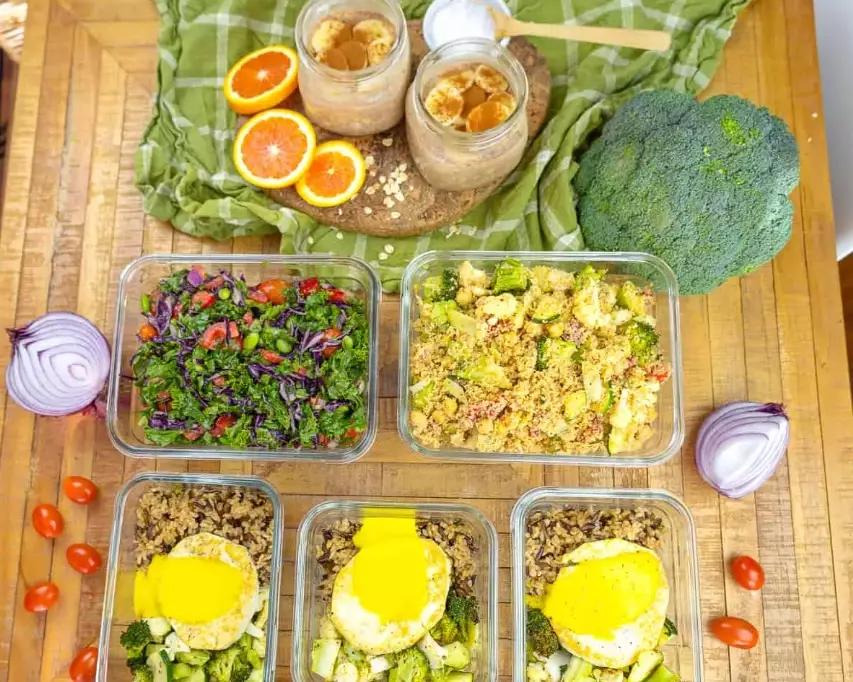
Pro Tip from a Seasoned Prepper: Don't underestimate the power of acid. A squeeze of lemon juice or a dash of vinegar added just before eating can resurrect even the most tired-looking prepped vegetables. It brightens flavors in a way that reheating never can.
A No-Stress Weekly Meal Prep Plan
Here’s a practical, balanced plan designed for variety and ease. This isn't about gourmet cooking; it's about reliable, tasty fuel. We'll prep three core dishes that can be combined into at least five distinct lunches.
| Meal Component | Recipe Idea & Key Ingredients | Prep Notes & Yield | How It Serves You All Week |
|---|---|---|---|
| Foundation Grain | Lemon-Herb Quinoa: 2 cups dry quinoa, veggie broth, lemon zest, chopped parsley. | Rinse quinoa, cook in broth. Fluff with fork, stir in zest and parsley. Yields ~6 cups. | Base for grain bowls, filler for wraps, side salad booster. |
| Roasted Veggie Mix | Mediterranean Roast: 2 bell peppers, 1 zucchini, 1 red onion, 1 can chickpeas (drained), olive oil, oregano, garlic powder. | Chop veggies into 1-inch pieces. Toss everything with oil and spices. Roast at 400°F (200°C) for 25-30 mins. Yields 4-5 servings. | Warm component for bowls, cold topping for salads, filling for pitas. |
| Protein-Packed Star | Spiced Lentil & Walnut "Meat": 1.5 cups cooked brown/green lentils, 1 cup walnuts, 2 tbsp soy sauce, 1 tbsp tomato paste, smoked paprika, cumin. | Pulse walnuts in food processor until coarse. Add lentils and other ingredients, pulse to combine but keep texture. Sauté in a pan for 5 mins to meld flavors. Yields ~3 cups. | Hearty taco filling, protein for grain bowls, sandwich spread when mixed with a little mayo or yogurt. |
| Essential Sauce | Creamy Tahini-Dill Dressing: 1/4 cup tahini, juice of 1 lemon, 2 tbsp water, 1 garlic clove, handful fresh dill, salt. | Blend all ingredients until smooth. Add water to reach desired consistency. Stores for 1 week. | Dressing for bowls and salads, sauce for wraps, dip for raw veggies on the side. |
With just these four elements in your fridge, look at the lunches you can create:
- Monday - Mediterranean Bowl: Quinoa base, roasted veggie mix, a scoop of lentil-walnut mix, drizzle of tahini sauce. Add a handful of spinach.
- Tuesday - Veggie Wrap: Whole wheat tortilla spread with sauce, filled with the lentil mix and roasted veggies. Pack separately, assemble at lunch to prevent sogginess.
- Wednesday - "Everything" Salad: Mixed greens with a bit of quinoa, roasted chickpeas from the veggie mix, and walnuts from the protein. Dressing on the side.
- Thursday - Lunch Plate: A little of everything—quinoa, roasted veggies, lentil mix—arranged on a plate with some cherry tomatoes and cucumber slices.
- Friday - Pita Pocket: Whole wheat pita stuffed with warmed lentil mix and roasted veggies, extra sauce for dipping.
Smart Prep Strategies (Not Just Recipes)
The recipes are the easy part. The strategy is what makes it sustainable.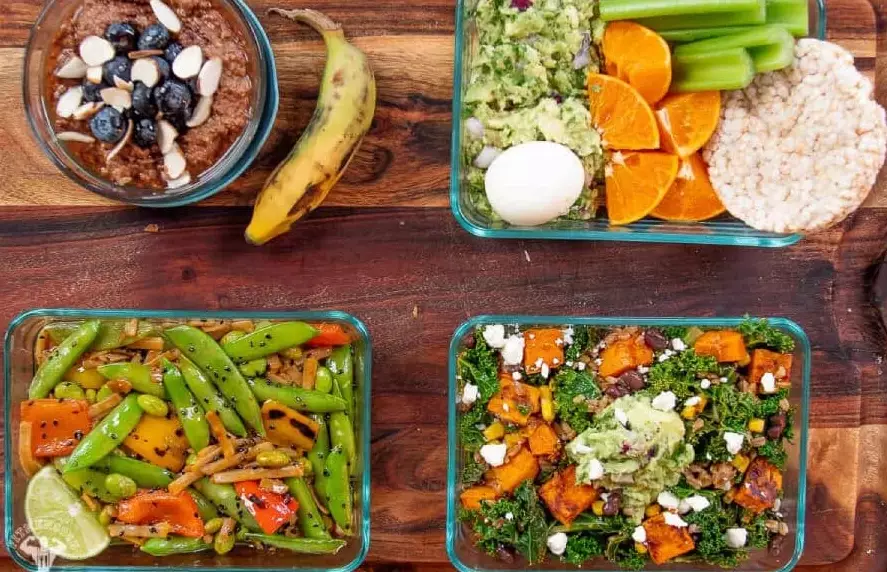
How to Batch Cook Without Getting Burnt Out
Don't try to cook everything in sequence. Use your oven and stove simultaneously. While the veggies roast, the quinoa simmers on the stove. While those cook, you can whiz up the lentil mix in the food processor and blend the sauce. Total active time? Maybe 45 minutes. Total kitchen time? About 90 minutes, most of it hands-off.
Invest in good containers. I prefer a set of glass containers with compartments. They keep components separate, are microwave-safe, and don't retain stains or smells like plastic. The USDA recommends consuming cooked leftovers within 3 to 4 days, so plan your Friday lunch to use up the last bits, perhaps in a simple soup made from the remaining components.
The Component Mindset: Your Key to Flexibility
Think of your fridge as a lunch assembly line. You have:
- Cooked Grains/Starches: Quinoa, brown rice, farro, roasted sweet potato cubes.
- Proteins: Marinated baked tofu, the lentil-walnut mix, hard-boiled eggs (if ovo-vegetarian), a can of beans you rinsed on Wednesday.
- Prepped Veggies: Roasted batch, washed and chopped raw veggies (bell peppers, carrots, snap peas) in water-filled jars to stay crisp.
- Flavor Boosters: Sauces, dressings, pickles, nuts, seeds, cheese (if lacto-vegetarian).
This method completely eliminates the "I'm tired of this" feeling. It gives you control.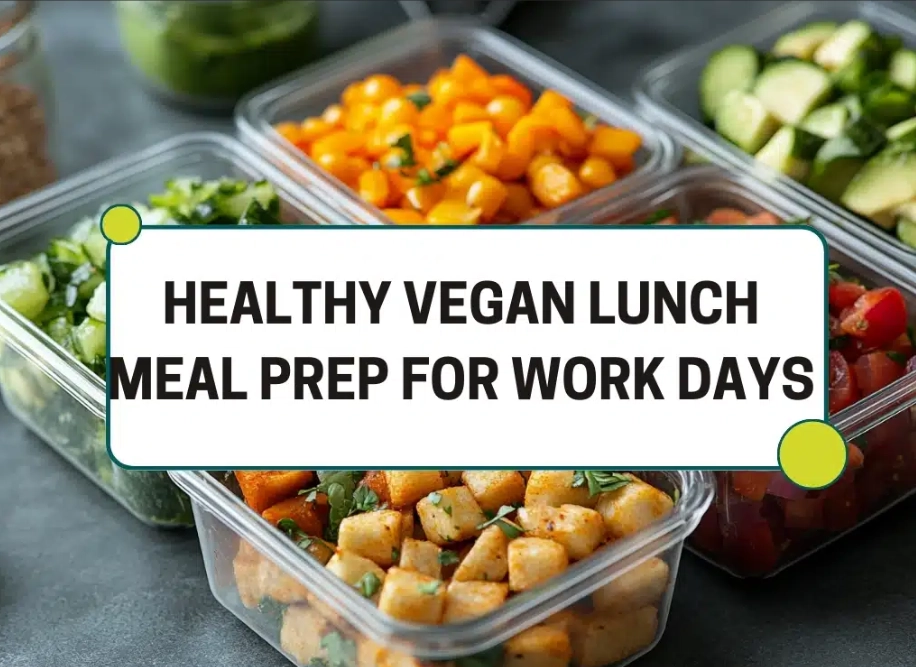
Your Sunday Step-by-Step Guide
Let's walk through a realistic Sunday session using the weekly plan above.
Step 1: Plan & Shop (Saturday): Check your pantry. Write a list for the missing ingredients. Stick to it. This prevents food waste and impulse buys.
Step 2: The Prep Session (Sunday, 90 mins):
1. Preheat oven to 400°F (200°C). Start chopping veggies for the roast.
2. Rinse quinoa, start it cooking according to package directions (usually 1 part quinoa to 2 parts liquid, simmer 15 mins).
3. Toss veggies and chickpeas with oil and spices, spread on a baking sheet, and into the oven. Set timer.
4. While quinoa simmers and veggies roast, make the tahini dressing in a blender. Set aside.
5. Make the spiced lentil-walnut mix in the food processor and sauté it. It's done in under 10 minutes.
6. Check on quinoa and veggies. Both should be finishing up.
7. Fluff quinoa, stir in herbs. Take veggies out of the oven.
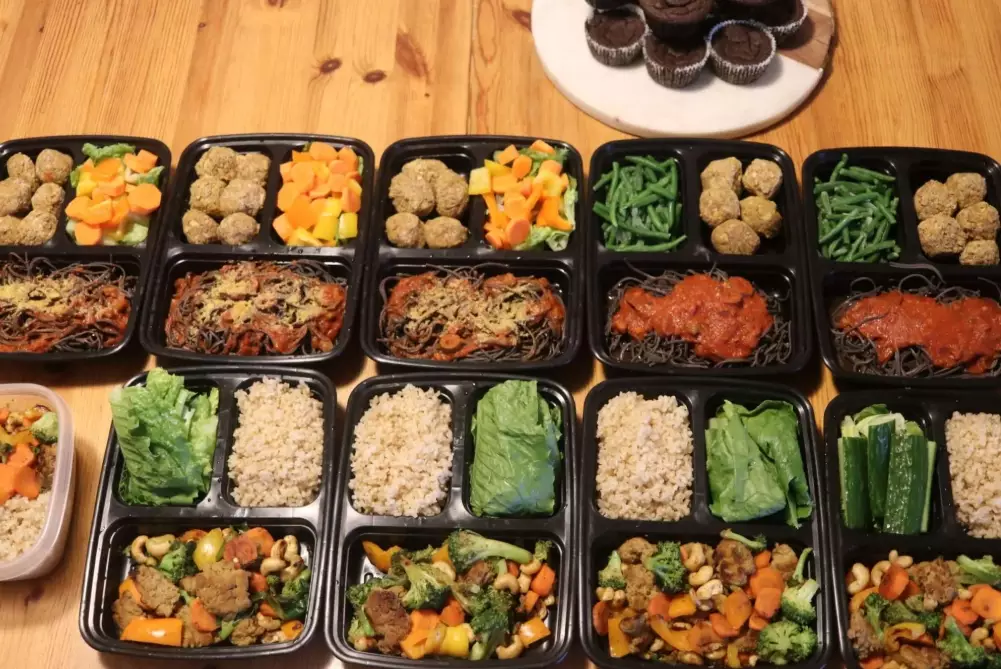
8. Assembly Line: Let everything cool slightly. Then, portion into your containers. I keep grains, roasted veggies, and protein in separate large containers, not pre-portioned into daily boxes. This gives me daily flexibility.
Step 3: The Daily Grab: Each morning, I take 5 minutes to assemble that day's combo into a lunch container. This final step ensures maximum freshness.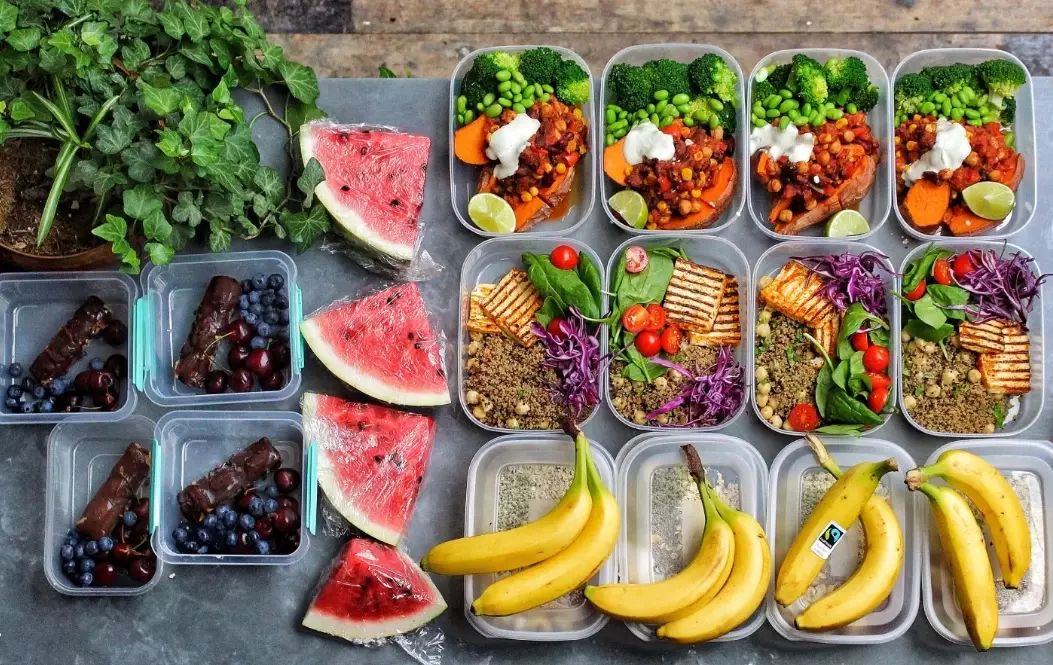
Solving Your Biggest Meal Prep Problems
 I'm on a tight budget. Is vegetarian meal prep expensive?
The real win with vegetarian lunch meal prep isn't just the food in your fridge. It's the mental space you reclaim. No more 11 AM hunger-anxiety, no more wasted money on mediocre lunches, no more sacrificing your health goals because you're pressed for time. Start with one component next weekend. See how it feels. You might just find that a little planning is the most delicious habit you ever build.
Reader Comments