Let's be honest. The midday slump hits, you're starving, and the easiest option is that greasy takeout or the vending machine snack. That's where your weight loss goals go to die. I've been there. For years, I thought eating healthy for lunch meant sad salads or expensive, bland ready-meals. Then I discovered lunch meal prep. It wasn't just a time-saver; it completely changed my relationship with food and made weight loss feel effortless, not like a punishment.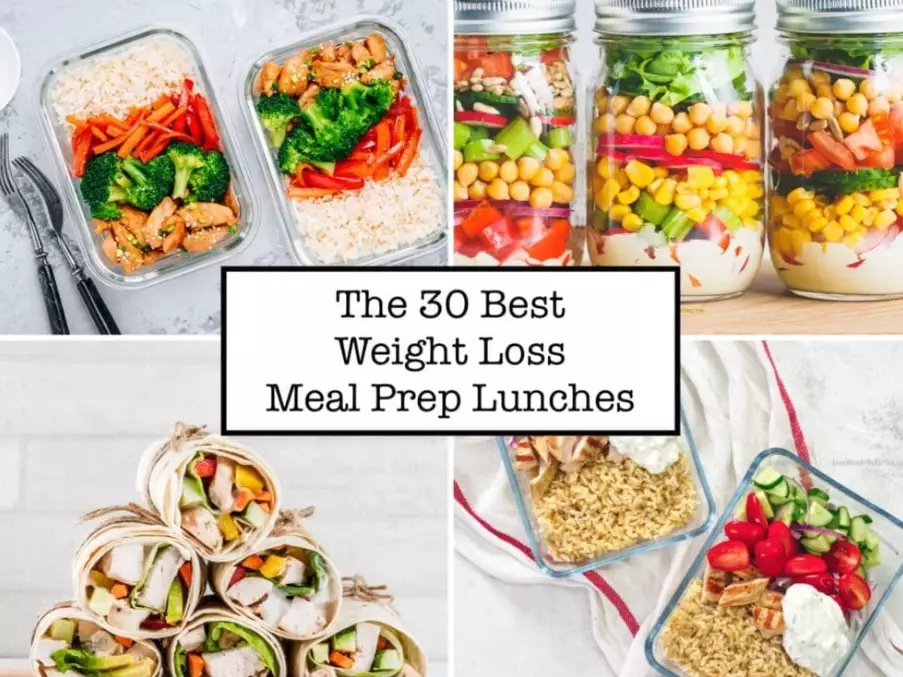
The secret isn't willpower. It's a system. Preparing your lunches in advance removes the daily decision fatigue and ensures you have a delicious, portion-controlled meal ready to go. This guide isn't about complicated chef techniques. It's a practical, step-by-step blueprint for busy people who want real results.
What's Inside This Guide
Why Lunch Meal Prep Works for Weight Loss
Think of it as nutritional automation. When you prep, you control the ingredients, the portions, and the calories. According to a study published in the International Journal of Behavioral Nutrition and Physical Activity, planning meals is consistently linked with a healthier diet and lower obesity risk. You're not guessing. You're executing a plan.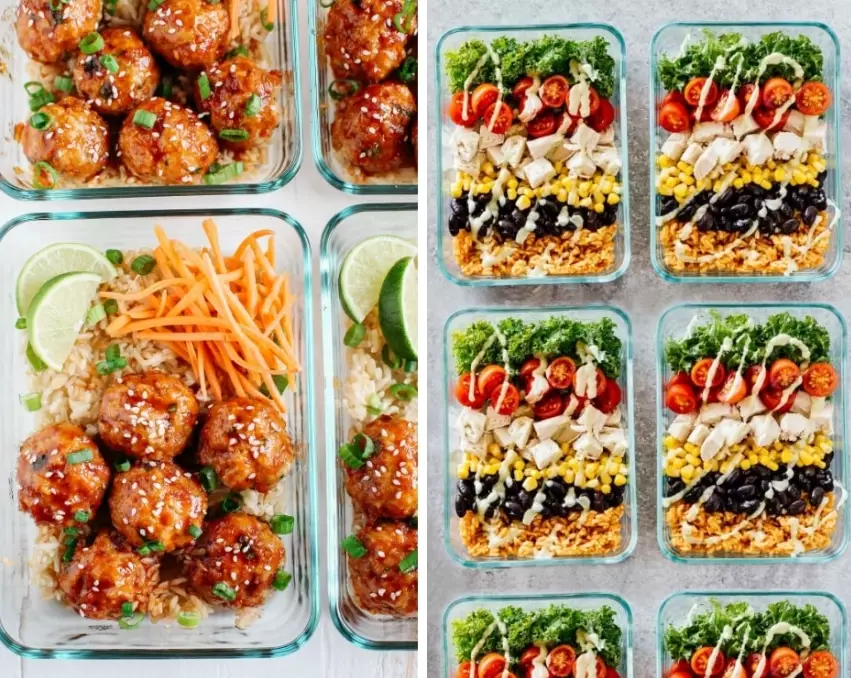
Here's the breakdown:
- Portion Control is Built-In: You use your containers as a guide. No more mindlessly eating from a large bag or serving yourself a "little extra."
- You Dodge the Temptation Trap: When a healthy lunch is sitting in the fridge, the pull of fast food weakens. It's a simple barrier that works.
- It Saves Money (Seriously): Buying ingredients in bulk and cooking at home is almost always cheaper than daily takeout. That's extra cash for, well, anything else.
- Reduces Stress: The mental load of "what's for lunch?" is gone. It's one less thing to worry about during a busy workday.
The Non-Consensus View: Most guides tell you to cook every single component from scratch. That's a recipe for burnout. I advocate for a hybrid approach. Use a high-quality, low-sugar store-bought rotisserie chicken or pre-cooked lentils. Spend your energy on the flavorful elements—the dressings, the spice blends, the roasting of vegetables. This makes the process sustainable long-term.
Your No-Stress Weekly Meal Prep Plan
This isn't about eating the same thing every day. It's about building a flexible framework. Below is a sample plan that balances protein, complex carbs, and healthy fats to keep you full and energized. Mix and match based on the recipes in the next section.
| Day | Main Protein | Complex Carb | Veggies & Healthy Fats | Approx. Calories |
|---|---|---|---|---|
| Monday | Lemon Herb Chicken | Quinoa | Roasted Broccoli, 1/4 Avocado | 420-450 |
| Tuesday | Lemon Herb Chicken | Quinoa | Mixed Greens, Cherry Tomatoes, Light Vinaigrette | 400-430 |
| Wednesday | Spicy Black Bean Burgers (x2) | Sweet Potato "Bun" | Spinach, Sliced Cucumber, 1 tbsp Greek Yogurt Sauce | 380-410 |
| Thursday | Spicy Black Bean Burgers (crumbled) | --- | Large Taco Salad with Romaine, Bell Peppers, Salsa | 370-400 |
| Friday | Marinated Baked Tofu | Brown Rice Noodles | Stir-fried Bell Peppers, Snap Peas, 1 tbsp Crushed Peanuts | 430-460 |
See the pattern? You cook the chicken and bean burgers once, but they're repurposed in different ways. The tofu is a quick Friday option. This prevents boredom.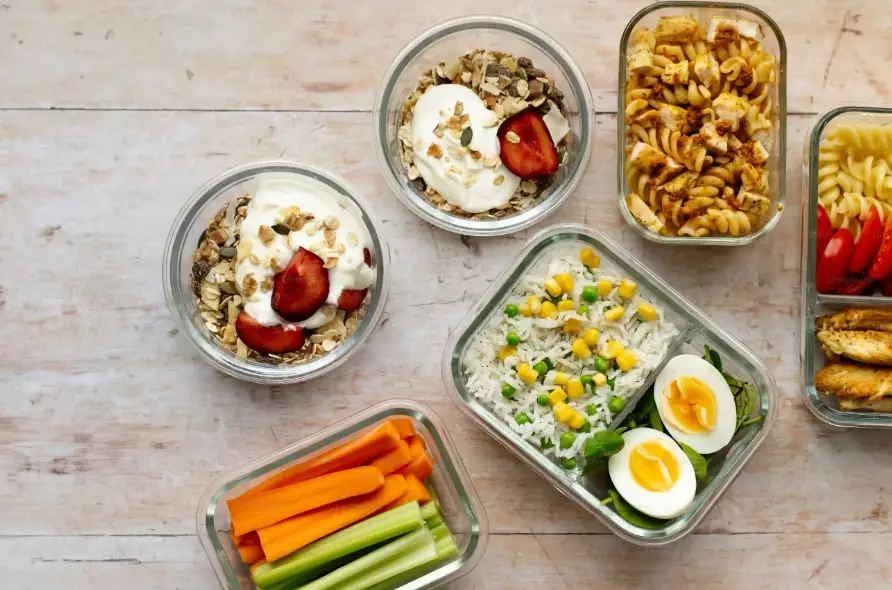
Top 3 Weight Loss Lunch Recipes (With Macros)
These are my workhorses. They're flavorful, hold up well in the fridge for 4 days, and are packed with nutrients.
1. The "Never Boring" Lemon Herb Chicken & Quinoa Bowl
This is the ultimate base recipe. The chicken is juicy and versatile, and the quinoa adds protein and fiber.
Ingredients (for 4 servings): 1.5 lbs boneless, skinless chicken breasts, 1/3 cup fresh lemon juice, 2 tbsp olive oil, 3 cloves garlic (minced), 1 tbsp dried oregano, 1 cup uncooked quinoa, 2 cups low-sodium chicken broth, 1 large head of broccoli (cut into florets).
Method: Whisk lemon juice, oil, garlic, and oregano. Pound chicken to even thickness, marinate for 20+ mins. Bake at 400°F (200°C) for 18-22 mins. Cook quinoa in broth. Toss broccoli in a bit of oil, salt, and pepper, roast alongside chicken for last 15 mins. Divide into containers.
Calories
Protein
Carbs
Fat
2. Spicy Black Bean & Sweet Potato "Burgers" (No Bun Needed)
A fantastic vegetarian option that's super filling. They don't fall apart, I promise.
Ingredients (makes 6 patties): 2 cans black beans (rinsed), 1 medium sweet potato (cooked & mashed), 1/2 cup rolled oats, 1 egg, 1/2 red onion (diced), 1 tsp cumin, 1/2 tsp smoked paprika, 1/4 tsp cayenne.
Method: Mash beans roughly, leaving some whole. Mix all ingredients. Form into 6 patties. Pan-fry in a non-stick skillet with a light spray of oil for 4-5 mins per side, until crispy. Let cool. Store with parchment paper between them.
Calories
Protein
Carbs
Fat
3. 5-Ingredient Marinated Baked Tofu with Peanut Sauce
This converts tofu skeptics. The key is pressing the tofu well to get a firm, chewy texture.
Ingredients: 1 block extra-firm tofu, 1/4 cup low-sodium soy sauce, 2 tbsp rice vinegar, 1 tbsp maple syrup, 1 tsp grated ginger. For sauce: 2 tbsp powdered peanut butter (like PB2), 1 tbsp warm water, squeeze of lime.
Method: Press tofu for 30 mins. Cut into cubes. Whisk marinade, coat tofu, let sit 15 mins. Bake at 400°F (200°C) for 25-30 mins, flipping once. Mix peanut sauce. Pack with raw or stir-fried veggies.
Calories
Protein
Carbs
Fat
The Sunday Prep: Your 90-Minute Game Plan
Don't just wander into the kitchen. Attack it with a strategy.
- Shop Smart (Saturday): Write your list based on the recipes. Stick to it.
- The Setup (Sunday, Minute 0): Preheat oven. Take out all containers, cutting boards, knives. Put on some music.
- Parallel Processing (Minutes 1-60): This is the pro move. While the oven heats, chop all your veggies (broccoli, onions, peppers). Get the quinoa cooking on the stove. Mix the bean burger ingredients. Once the oven is hot, the chicken and roasting veggies go in. While they bake, form and pan-fry the bean burgers. Multi-tasking is key.
- The Assembly Line (Minutes 60-85): Let the chicken rest for 5 mins, then slice. Now, line up your containers. Start with the carb base (quinoa, sweet potato slices), add your protein, then pile on the veggies. Keep dressings and sauces in small separate containers or compartments.
- The Cleanup & Store (Minutes 85-90): Load the dishwasher. Wipe counters. Place 3-4 lunches in the fridge, and the rest (for Thursday/Friday) in the freezer on Wednesday night to thaw.
The 3 Biggest Meal Prep Mistakes (And How to Avoid Them)
I've made these so you don't have to.
Mistake 1: Under-seasoning Everything
Bland food is the fastest way to abandon your plan. Don't be afraid of salt, herbs, spices, citrus, and vinegar. They add negligible calories but massive flavor. Resources like the Harvard T.H. Chan School of Public Health's nutrition site emphasize using herbs and spices to reduce reliance on salt and unhealthy fats.
Mistake 2: Ignoring Texture
Mushy lunches are depressing. Build in crunch. Pack nuts, seeds, or crispy chickpeas separately. Add fresh greens like spinach to a container of warm ingredients just before eating—they'll wilt perfectly, not turn to slime.
Mistake 3: Forgetting the "Emergency" Option
Life happens. Always have a backup. Keep a few cans of low-sodium tuna, some frozen edamame, and a bag of pre-washed salad greens on hand. A 5-minute "throw-together" meal is better than a derailing takeout order.
Your Lunch Prep Questions, Answered
 I get bored easily. How can I meal prep without eating the same thing all week?
Reader Comments