You wake up late, scramble to get ready, and end up grabbing a sugary pastry or skipping breakfast altogether. Sound familiar? Meal prep breakfast burritos changed that for me. In this guide, I'll show you exactly how to make healthy, freezer-friendly burritos that save time and keep you fueled. No fluff, just actionable steps from a decade of trial and error.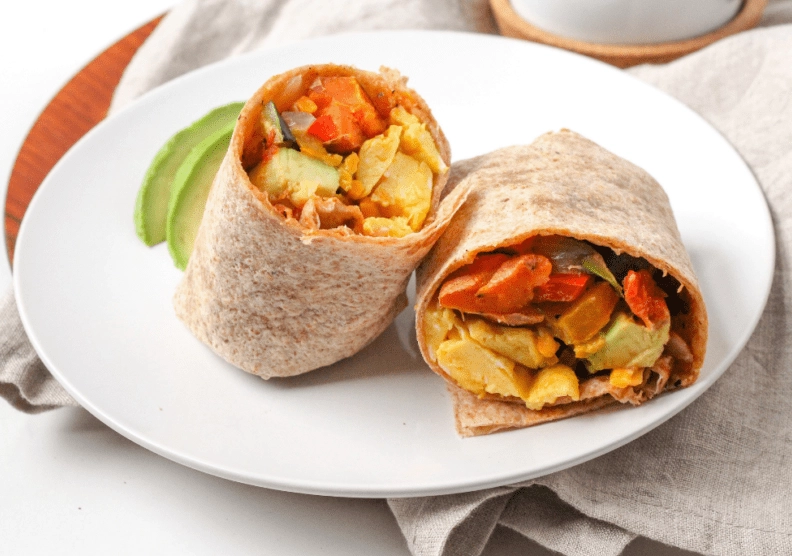
What You'll Find Inside
Why Meal Prep Breakfast Burritos Are a Game-Changer
Let's cut to the chase. Most people think meal prep is for lunches or dinners, but breakfast is where it shines. A healthy breakfast burrito, prepped in advance, gives you a balanced meal with protein, fiber, and healthy fats in minutes. I used to spend 15 minutes every morning cooking eggs, but now I grab a burrito from the freezer, microwave it, and I'm out the door.
The real benefit? Consistency. When you have something ready, you're less likely to opt for unhealthy choices. According to a study by the Harvard T.H. Chan School of Public Health, starting the day with protein-rich foods can help regulate appetite. Burritos pack that in a portable form.
But here's a subtle point everyone misses: meal prep breakfast burritos aren't just about saving time. They're about reducing decision fatigue. You make one smart choice on Sunday, and it pays off all week.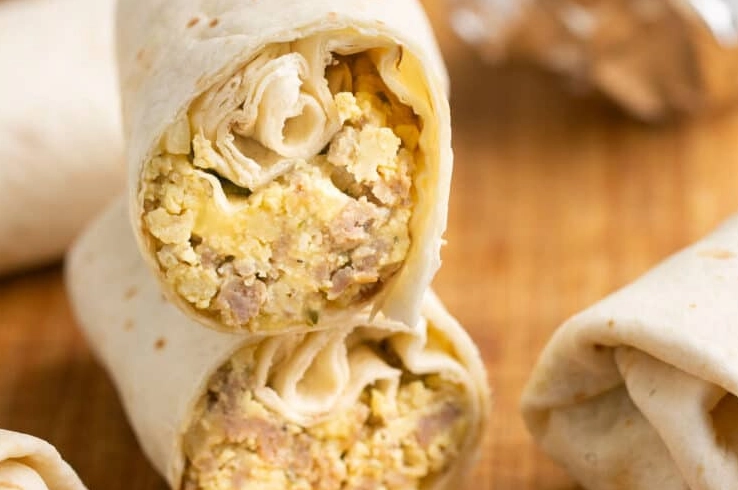
How to Make Healthy Breakfast Burritos: Step-by-Step Recipe
This isn't just another recipe list. I'll walk you through my go-to method, including ingredient specifics and why each step matters. I've made hundreds of these, and I've learned what works and what falls apart.
Ingredients You'll Need (For 8 Burritos)
Here's the base recipe. Feel free to tweak it later.
| Ingredient | Quantity | Why It's Included | Healthy Swap Option |
|---|---|---|---|
| Whole wheat tortillas (8-inch) | 8 | Fiber-rich base; holds up better than white flour | Lettuce wraps or gluten-free tortillas |
| Eggs | 10 large | High-quality protein; scramble well for filling | Tofu scramble (for vegan) |
| Black beans (canned, low-sodium) | 1 can (15 oz) | Adds fiber and plant-based protein | Pinto beans or lentils |
| Bell peppers (diced) | 2 medium | Vitamins and crunch; I prefer red for sweetness | Spinach or mushrooms |
| Onion (diced) | 1 medium | Flavor base; sauté until soft | Shallots or omit for low-FODMAP |
| Avocado (mashed) | 2 ripe | Healthy fats; adds creaminess | Greek yogurt (plain, non-fat) |
| Shredded cheese (cheddar or Monterey Jack) | 1 cup | Calcium and flavor; use sparingly for lower calories | Nutritional yeast or omit |
| Olive oil | 1 tbsp | For cooking; heart-healthy fat | Coconut oil or spray |
| Spices: cumin, chili powder, salt, pepper | To taste | Enhance flavor without calories | Fresh herbs like cilantro |
I always rinse the black beans to reduce sodium. It's a small step, but it matters for heart health.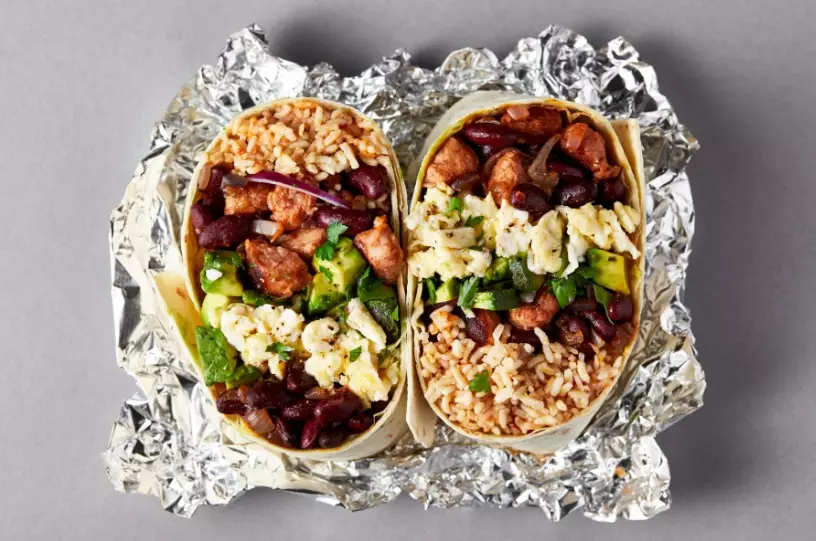
Cooking Instructions: The Right Way to Assemble
Many recipes tell you to just mix everything and roll. That leads to soggy burritos. Here's my method.
First, cook the veggies. Heat olive oil in a large skillet over medium heat. Add diced onion and bell peppers. Sauté for 5-7 minutes until soft. Don't rush this; caramelizing them slightly adds depth.
While that's happening, scramble the eggs in a separate bowl. Whisk them with a pinch of salt and pepper. Pour into the skillet with the veggies once they're done. Cook gently, stirring occasionally, until just set. Overcooked eggs get rubbery after freezing.
Turn off the heat. Stir in the rinsed black beans and half the cheese. Let this mixture cool completely. This is crucial. If you roll warm filling, steam will make the tortillas soggy and cause freezer burn.
Lay out the tortillas. Spread a thin layer of mashed avocado on each—about a tablespoon. It acts as a moisture barrier. Then, add the cooled egg mixture, dividing evenly. Sprinkle remaining cheese on top.
Roll them tightly: fold in the sides, then roll from the bottom up. Wrap each burrito in parchment paper, then foil. Label with the date. I use a Sharpie directly on the foil.
Pro tip from my mistakes: I once skipped the cooling step and ended up with icy, mushy burritos. Now, I spread the filling on a baking sheet to cool faster. It saves 15 minutes.
Nutritional Breakdown Per Burrito (Approximate)
This isn't just guesswork. I calculated this using the USDA FoodData Central database for accuracy.
| Nutrient | Amount | % Daily Value (Based on 2000 calories) |
|---|---|---|
| Calories | 320 | 16% |
| Protein | 18g | 36% |
| Carbohydrates | 25g | 9% |
| Fiber | 6g | 24% |
| Fat | 16g | 25% |
| Sodium | 380mg | 17% |
These numbers assume low-sodium ingredients. You can reduce sodium further by using no-salt-added beans.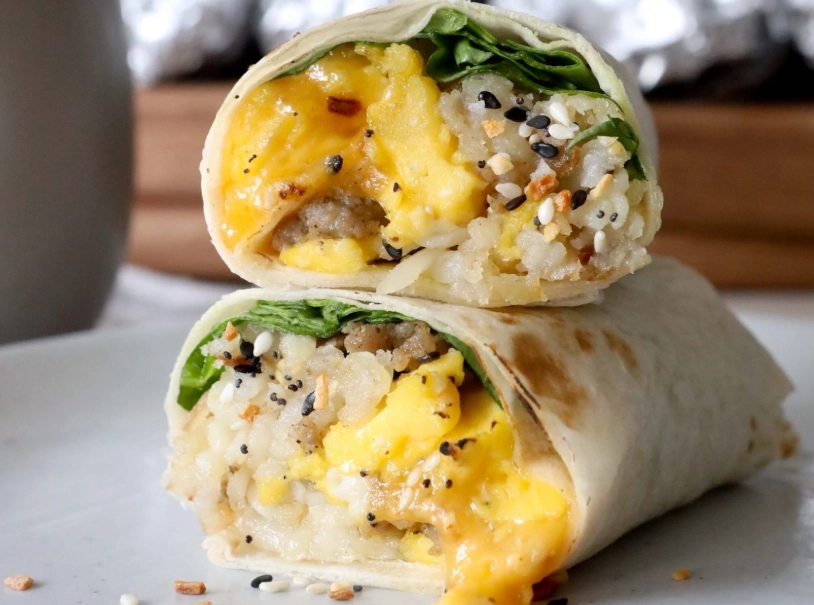
Meal Prep and Storage: Freezing Tips for Longevity
Freezing is where most people fail. They toss burritos in a bag and hope for the best. Here's how to do it right.
After wrapping in parchment and foil, place burritos in a single layer on a baking sheet. Freeze for 2 hours. This "flash freezing" prevents them from sticking together. Then, transfer to a freezer-safe bag or container. They'll last up to 3 months at 0°F (-18°C).
For reheating, don't just microwave from frozen. That gives you a hot outside and cold center. Instead, remove the foil but keep the parchment. Microwave on 50% power for 2 minutes, then flip and heat on high for 30-60 seconds. If you have time, use an oven or toaster oven at 350°F (175°C) for 20 minutes—crispier result.
I tested this: microwaving directly from frozen gave uneven heat, while the two-step method worked perfectly. It's worth the extra minute.
Common Mistakes and How to Avoid Them
After years of meal prepping, I've seen these errors repeatedly. Let's fix them.
Overfilling the burrito. It's tempting to pack in more filling, but it causes tears and leaks. Use about ½ cup of filling per burrito. If you have extra, save it for salads.
Using watery vegetables. Tomatoes or zucchini release moisture when frozen, making everything soggy. Stick to bell peppers, onions, or spinach (squeezed dry).
Skipping the avocado barrier. That thin layer of avocado or Greek yogurt prevents the tortilla from getting soggy from the egg mixture. It's a game-changer.
Not labeling. You think you'll remember, but after a month, you won't. Always label with contents and date. I learned this after thawing a mystery burrito that turned out to be months old.
Customizing Your Burritos: Ingredient Swaps for Dietary Needs
This base recipe is flexible. Here are swaps based on different diets.
For a vegetarian version, you're already good—eggs and beans provide protein. For vegan, replace eggs with a tofu scramble. Crumble firm tofu, sauté with turmeric and nutritional yeast for an eggy flavor. Use vegan cheese or omit it.
Low-carb or keto? Swap tortillas for large lettuce leaves like romaine or collard greens. They won't freeze as well, so prep fresh or freeze filling separately.
Gluten-free? Use certified gluten-free tortillas. I've found that corn tortillas are too small, so look for larger almond flour or cassava flour options.
Dairy-free? Skip the cheese or use a plant-based alternative. Avocado adds enough creaminess.
Experiment. My friend adds sweet potatoes for extra fiber, but cook them first to avoid hardness.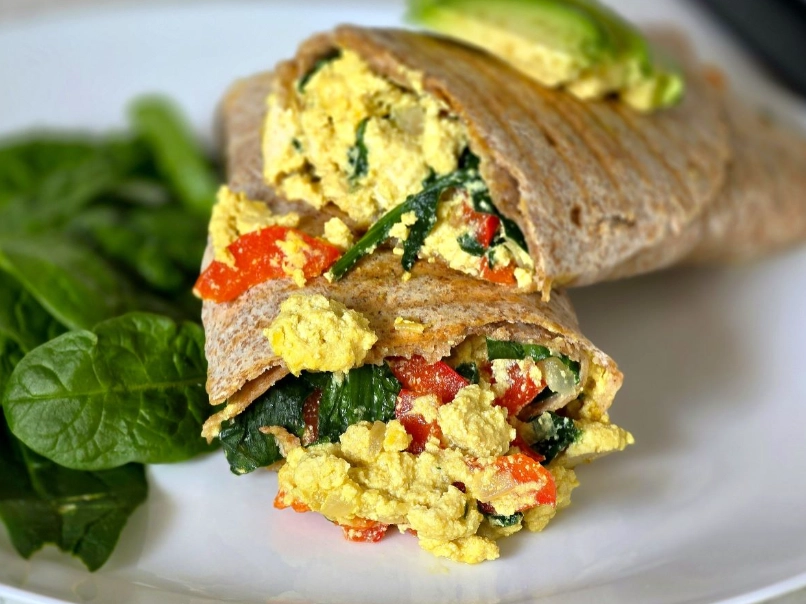
Your Questions Answered (FAQ)
 Start small. Make a batch of 4 burritos this weekend. See how they fit into your routine. Tweak the ingredients to your taste. Meal prep should simplify your life, not add stress.
If you try this, let me know how it goes. I'm always tweaking my own recipe based on reader feedback. Happy prepping!
Reader Comments