Let's cut to the chase. Successful weight loss meal prep isn't just about finding a few "healthy" recipes online. It's the marriage of strategic nutrition and practical execution. The best recipes are the ones you'll actually make and enjoy repeatedly, without feeling deprived. After years of trial and error (and coaching clients), I've found the magic lies in meals that are high in protein and fiber, moderate in healthy fats, and—this is crucial—flavorful enough to prevent boredom. Because let's be honest, who wants to eat bland chicken breast for the fifth day in a row?
The goal here is to give you a toolkit, not just a list. We'll cover foundational recipes, the logic behind them, and the common pitfalls that derail most people's efforts.
What's Inside This Guide?
The Core Principles of Weight Loss Meal Prep
Before we get to the recipes, understand the framework. Every meal should aim to check these boxes:
Protein is King (and Queen): It boosts satiety, preserves muscle mass during weight loss, and has a high thermic effect (your body burns calories digesting it). Target at least 30-40 grams per main meal. Think chicken thigh, lean ground turkey, tofu, tempeh, fish, eggs, Greek yogurt.
Fiber is Your Best Friend: It slows digestion, stabilizes blood sugar, and keeps you full. Load up on non-starchy vegetables (broccoli, peppers, spinach, zucchini) and include complex carbs like quinoa, sweet potato, or legumes.
Healthy Fats for Flavor & Function: Don't fear fat. It's essential for hormone function and absorbing vitamins. Use olive oil for roasting, add avocado to salads, include a handful of nuts or seeds. Just measure it—a tablespoon of oil is 120 calories.
The Flavor Factor: This is the most overlooked principle. If your food tastes bland, you'll quit. Invest in a good arsenal of spices, herbs, citrus, vinegar, and low-sodium sauces (like tamari, salsa, harissa).
4 Foundational Recipe Blueprints for Meal Prep Success
These aren't just single recipes; they're templates you can swap ingredients in and out of based on what's on sale or what you're craving. I'll give you a specific, tested example for each.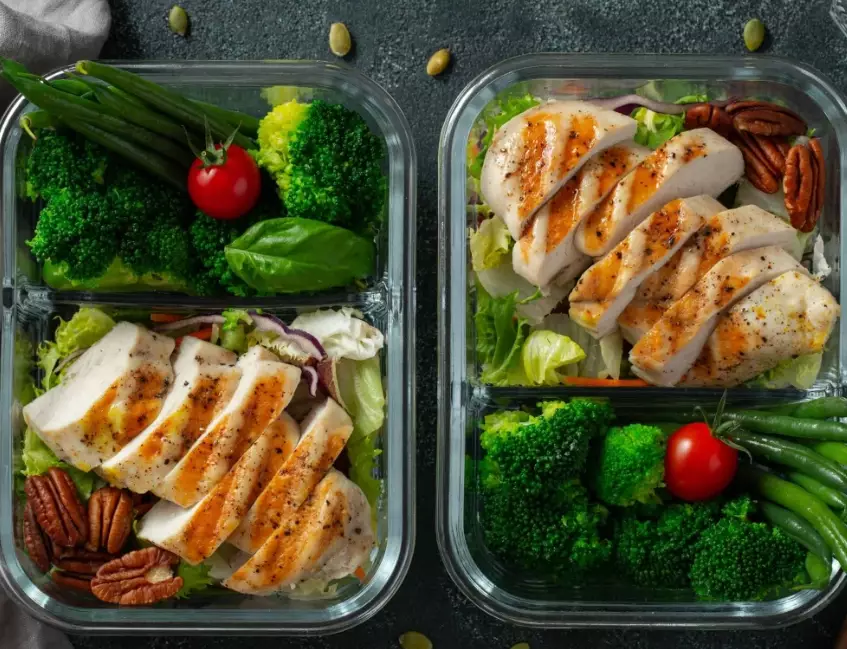
Blueprint 1: The Protein + Roasted Veg + Smart Carb Bowl
Specific Recipe: Lemon-Herb Chicken Thighs with Rainbow Vegetables & Quinoa
Why it works for weight loss: Chicken thighs are more forgiving and flavorful than breasts, preventing dryness upon reheating. The variety of colorful veggies provides different nutrients and fiber. Quinoa is a complete protein and reheats beautifully.
Batch Prep (4 servings):
- Protein: 1.5 lbs boneless, skinless chicken thighs. Marinate in juice of 2 lemons, 3 tbsp olive oil, 3 cloves minced garlic, 1 tbsp dried oregano, salt, and pepper for 30+ mins. Bake at 400°F (200°C) for 20-25 mins.
- Veggies: Chop 2 bell peppers (any color), 1 large red onion, 1 zucchini, and 1 head of broccoli into bite-sized pieces. Toss with 1 tbsp oil, salt, pepper, and garlic powder. Roast on a sheet pan at 400°F (200°C) for 20-25 mins.
- Carb: Cook 1 cup dry quinoa according to package directions (yields about 3 cups cooked).
- Assembly: Divide quinoa among 4 containers. Top with roasted veggies and sliced chicken thigh. Squeeze fresh lemon wedge before eating.
| Nutrient | Per Serving (Approx.) | Why It Matters |
|---|---|---|
| Calories | 480-520 | Substantial enough for a main meal, creating a calorie deficit without hunger. |
| Protein | ~38g | Exceeds the 30g threshold for optimal satiety and muscle support. |
| Fiber | ~8g | From quinoa and vegetables, aids digestion and fullness. |
| Healthy Fats | ~18g | Primarily from olive oil, supports nutrient absorption. |
Blueprint 2: The Hearty, Freezer-Friendly Soup or Stew
Soups are the ultimate secret weapon. They're hydrating, incredibly filling due to the volume, and perfect for portioning and freezing. The key is to keep them broth-based, not cream-based.
Specific Recipe: Spicy Turkey & Black Bean Chili
Brown 1 lb lean ground turkey with one diced onion. Add 3 minced garlic cloves, 1 tbsp chili powder, 2 tsp cumin, 1 tsp smoked paprika. Stir in 2 cans (15 oz each) of black beans (drained/rinsed), 1 can (28 oz) of crushed tomatoes, and 2 cups of low-sodium chicken broth. Simmer for 25 mins. Divide into 4-6 portions. Top with fresh cilantro and a dollop of plain Greek yogurt (instead of sour cream) when serving. The protein from turkey and beans, plus the fiber, makes this a powerhouse.
Blueprint 3: The No-Cook Assembly Lunch
For days you can't stand the thought of turning on the oven. This relies on pre-cooked or convenient ingredients.
Specific Recipe: Mason Jar Greek Salad with Grilled Chicken Strips
In each jar: Start with 2 tbsp of Greek vinaigrette (olive oil, red wine vinegar, oregano, garlic) at the bottom. Then layer: cherry tomatoes, diced cucumber, thinly sliced red onion, kalamata olives, and diced bell pepper. Fill the rest with chopped romaine lettuce. Seal. Store a portion of pre-grilled chicken breast strips (buy them pre-cooked or grill a batch yourself) separately. At lunch, dump the jar into a bowl, top with chicken, and toss. The dressing stays at the bottom, keeping the greens crisp for days.
Blueprint 4: The Make-Ahead Power Breakfast
Skipping breakfast or grabbing a muffin sets you back. Prepare this once, eat all week.
Specific Recipe: Veggie-Packed Egg Muffins
Whisk 10 eggs with 1/2 cup milk (or unsweetened almond milk), salt, and pepper. Stir in 1 cup chopped spinach, 1/2 cup diced mushrooms, 1/4 cup diced onion (sautéed lightly first to remove moisture), and 1/2 cup crumbled feta cheese. Pour into a greased 12-cup muffin tin. Bake at 350°F (175°C) for 18-22 minutes until set. Cool and store. Grab two for a quick, 200-calorie, 14g protein breakfast. Reheat for 30 seconds.
How to Build a Weekly Meal Prep Plan (A Realistic Example)
Here’s what a practical Sunday prep for one person might look like, assuming you eat 3 meals a day. This balances cooking effort with variety.
Sunday Afternoon (90-120 minutes total):
- Oven First: While it preheats, chop all your vegetables for the Lemon-Herb Chicken bowl. Get them roasting.
- Stovetop Simultaneously: Start the quinoa cooking. In another pot, start browning the turkey for the chili.
- While Things Bubble: Marinate and then bake the chicken thighs. Whisk together the egg muffin mixture and get it in the oven after the chicken comes out.
- Assembly Line: Let everything cool slightly. Then portion out: 4 containers of the chicken bowl, 4 containers of chili, and the egg muffins in a large container. Wash and chop lettuce/veggies for 2-3 mason jar salads, store components separately in the fridge.
Your Week Looks Like:
Breakfast: Egg muffins + piece of fruit.
Lunch: Rotate between the chicken bowl and the mason jar salad (add chicken).
Dinner: The chili or the other lunch option you didn't have.
You've covered 90% of your meals with one focused session.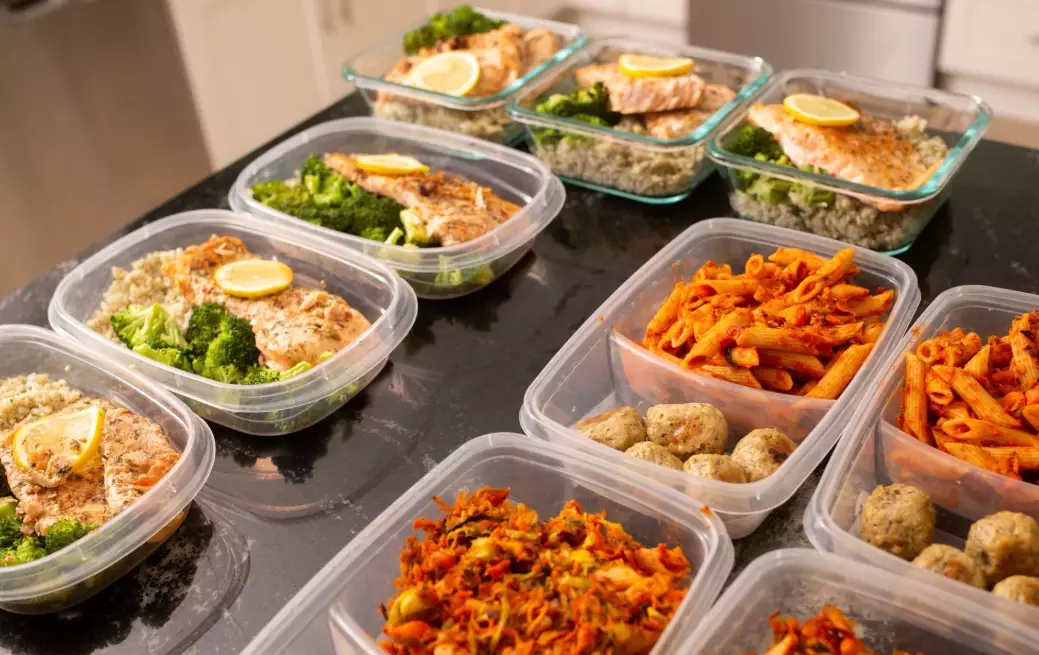
The 3 Most Common Meal Prep Mistakes (And How to Fix Them)
I see these constantly, and they lead to wasted food and abandoned plans.
1. Prepping Only One Meal. Making 5 identical chicken and broccoli lunches is a recipe for burnout by Wednesday. Fix: Use the blueprint method above to create 2 different core recipes (like a bowl and a soup) that yield multiple servings each. This gives you optionality.
2. Ignoring Texture and Temperature. Mushy food is demoralizing. Fix: Keep crispy elements (like nuts, seeds, or roasted chickpeas) separate in small bags. Add them just before eating. Don't dress salads until you're ready. Consider which meals freeze well (soups, chilis) vs. which are best eaten within 3-4 days (salads with greens).
3. Underestimating Snacks. Hunger between meals can lead to poor choices. Fix: Prep healthy snacks as part of your session. Portion out Greek yogurt, wash and cut celery/carrot sticks, make a batch of hard-boiled eggs, or pre-slice an apple and pack it with a tablespoon of almond butter.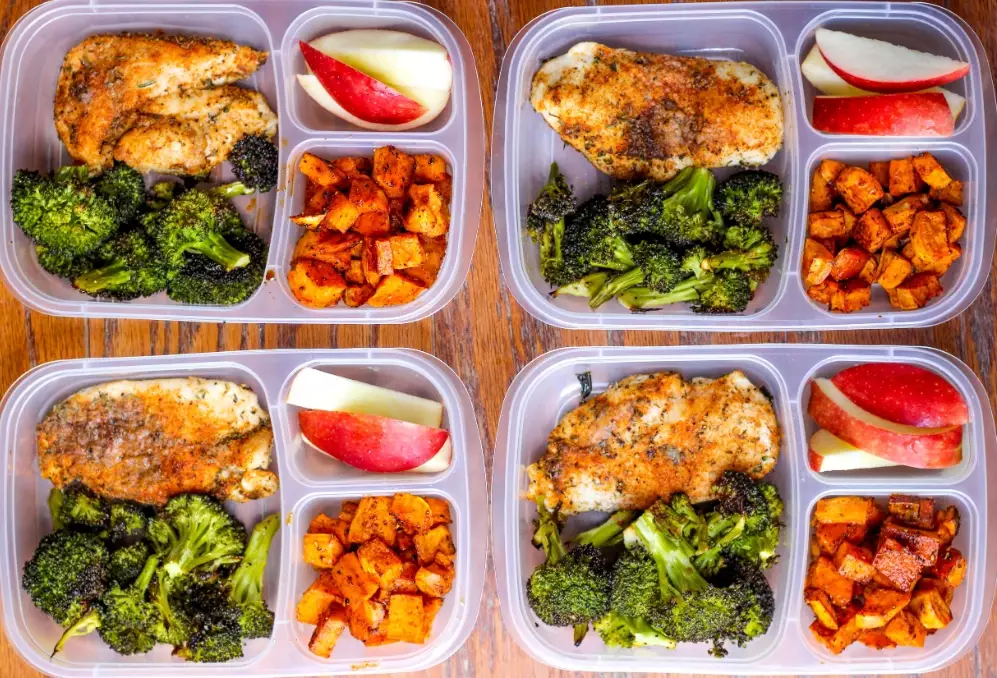
Your Meal Prep Questions, Answered
 How do I calculate the right portion sizes for my weight loss goals?
Reader Comments