Let's be honest. Packing a school lunch that's healthy, that your kid will actually eat, and that doesn't take 20 minutes every chaotic morning feels like solving a puzzle with missing pieces. You end up defaulting to the same sandwich or throwing in a pre-packaged snack you're not thrilled about. I've been there. My daughter went through a phase where she'd only eat white foods—plain pasta, bread, yogurt. It was maddening.
But here's the secret I learned after years of trial, error, and uneaten lunches: meal prep isn't about spending your entire Sunday in the kitchen. It's about smart, small-batch strategies that turn lunch packing from a daily chore into a 2-minute grab-and-go. This guide ditches the perfect Pinterest boards (we all know those grapes arranged like a caterpillar never survive the bus ride) and gives you the real, actionable plan.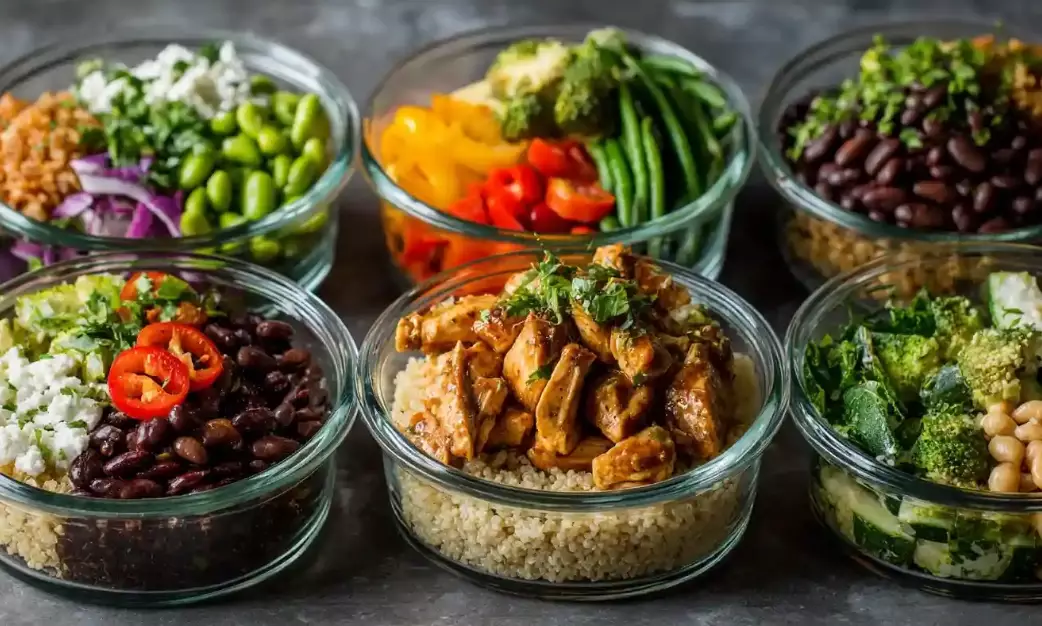
Your Quick Lunch Prep Roadmap
- The Mindset Shift: What Most Parents Get Wrong About Meal Prep
- The 4 Foundational Components of a Winning Lunchbox
- 5 Batch-Cooking-Friendly Lunch Ideas (That Aren't Sandwiches)
- The "Sunday Assembly Line" System: A 60-Minute Plan
- The Gear That Actually Makes a Difference
- How to Get Your Kids Involved (Without the Fight)
- Your Top Lunch Prep Questions, Answered
The Mindset Shift: What Most Parents Get Wrong About Meal Prep
The biggest mistake? Thinking you need to cook five complete, different lunches on Sunday. That's a recipe for burnout. Instead, think in terms of components.
Cook one or two main proteins, chop a bunch of veggies, cook a grain, and make a dip. Mix and match these components throughout the week. Tuesday's lunch might be shredded chicken with rice and cucumbers, while Thursday's uses the same chicken in a whole-wheat wrap with bell peppers.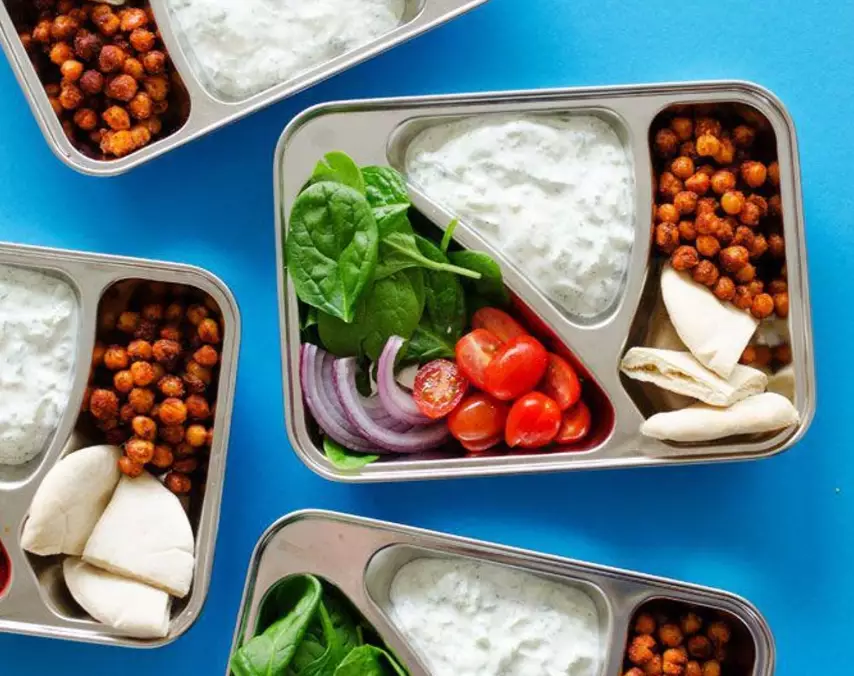
The 4 Foundational Components of a Winning Lunchbox
Every lunch should try to hit these four categories. You don't need all four every day, but aiming for this balance covers nutrition and keeps things interesting.
| Component | Goal | Easy Prep Examples |
|---|---|---|
| Main Protein | Keeps them full, supports growth. | Diced baked chicken breast, hard-boiled eggs, black beans, edamame, turkey meatballs, chickpea salad. |
| Fruit & Veggie | Vitamins, fiber, and color. | Pre-cut carrot sticks, cucumber rounds, bell pepper strips, apple slices (toss in lemon water), berries, orange segments. |
| Whole Grain or Starch | Sustained energy. | Quinoa, whole-wheat pasta, mini whole-grain muffins, sweet potato cubes, whole-grain crackers. |
| Healthy Fat & Fun | Brain health and enjoyment. | Cheese cubes, avocado slices (pack with pit), hummus, yogurt, a few dark chocolate chips, a homemade oatmeal cookie. |
See how you can swap items within each column? This framework eliminates the "what on earth do I pack?" panic.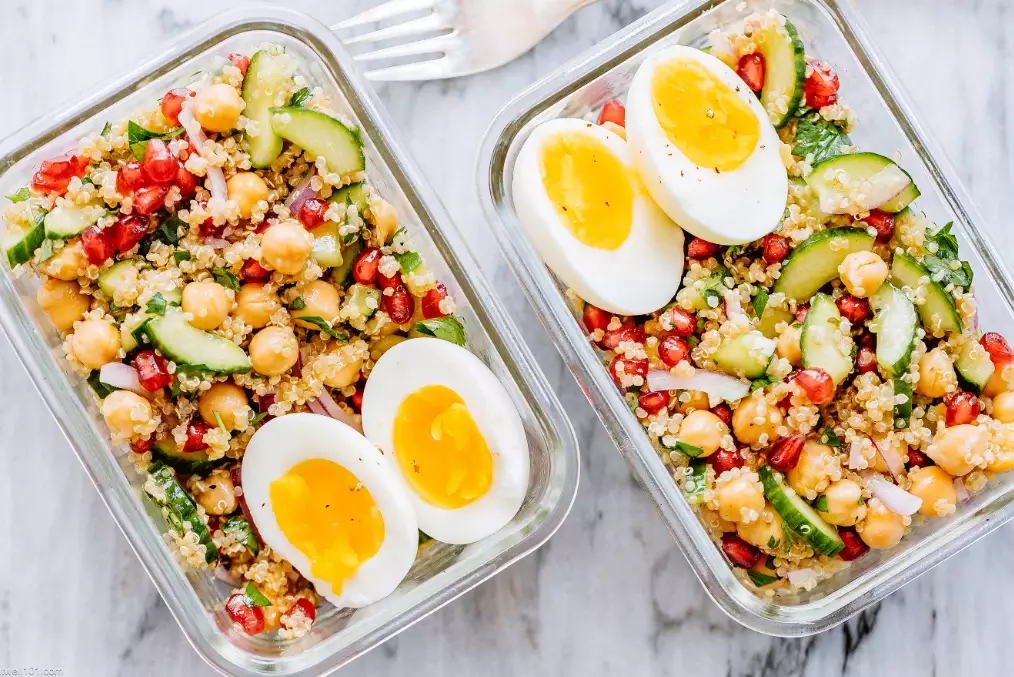
5 Batch-Cooking-Friendly Lunch Ideas (That Aren't Sandwiches)
Here are my family's workhorse recipes. Each makes 3-4 servings and holds up well in the fridge.
1. The "Everything" Mini Frittatas
Whisk 8 eggs with a splash of milk. Pour into a greased muffin tin. Let your kid choose mix-ins from small bowls: diced ham, shredded cheese, spinach, diced tomatoes. Bake at 375°F (190°C) for 15-18 mins. Pack 2-3 with some fruit. They eat cold or room temp.
2. DIY Bento Box Components
This is the ultimate no-cook prep. On Sunday, fill small containers in the fridge: cheese cubes, turkey pepperoni slices, whole-grain crackers, cherry tomatoes, steamed broccoli florets. Each morning, grab a bento box and scoop some from each container. It feels like a snack plate, and kids love the control.
3. Hidden Veggie Pasta Salad
Cook whole-wheat rotini. Blitz a cup of steamed cauliflower or butternut squash into a smooth puree. Mix the puree with plain Greek yogurt, a little mayo, and dried dill for a creamy, veggie-packed sauce. Toss with pasta, diced chicken, and peas. The sauce hides the veggies beautifully.
4. No-Leak "Rainbow" Wraps
The trick to a wrap that doesn't get soggy? Layer smartly. Spread a thin layer of cream cheese or hummus on a whole-wheat tortilla. Add a lettuce leaf (creates a moisture barrier). Then add sliced turkey, shredded carrots, and a thin slice of cheese. Roll tightly, wrap in parchment paper, and slice in half. The lettuce keeps the tortilla dry.
5. Thermos-Friendly Soups & Pastas
For cold days, a thermos is gold. On Sunday, make a big pot of minestrone, chicken noodle soup, or mac and cheese. In the morning, bring the soup to a boil and immediately pour it into a pre-heated thermos. (Fill it with boiling water for a minute first, then empty it). This keeps food hot until lunch. A common fail is putting warm food in a cold thermos.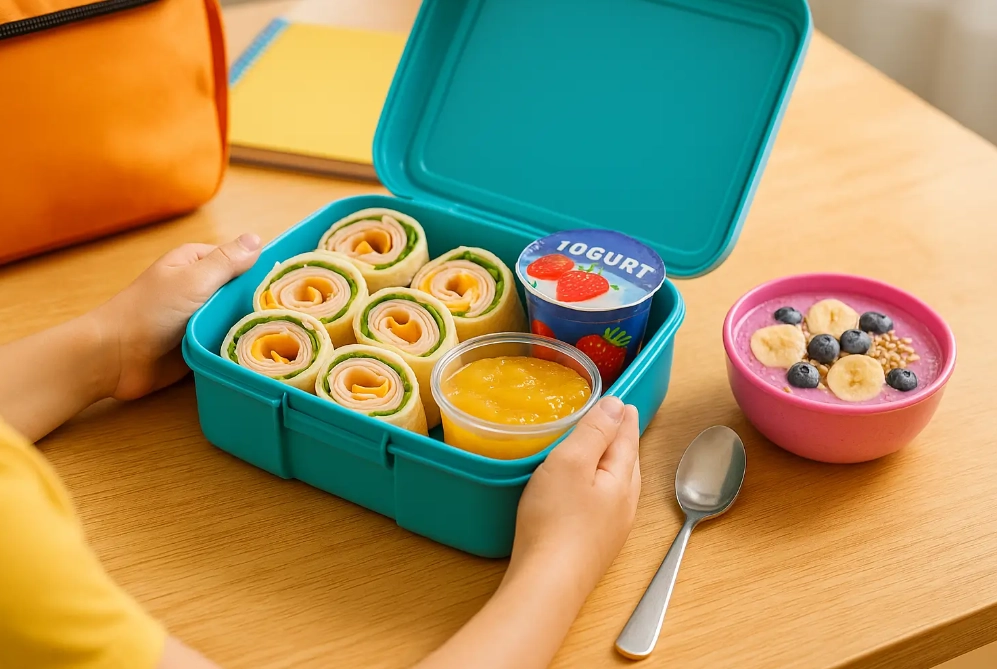
The "Sunday Assembly Line" System: A 60-Minute Plan
Here's exactly what my Sunday prep looks like. It's not rigid—adapt it.
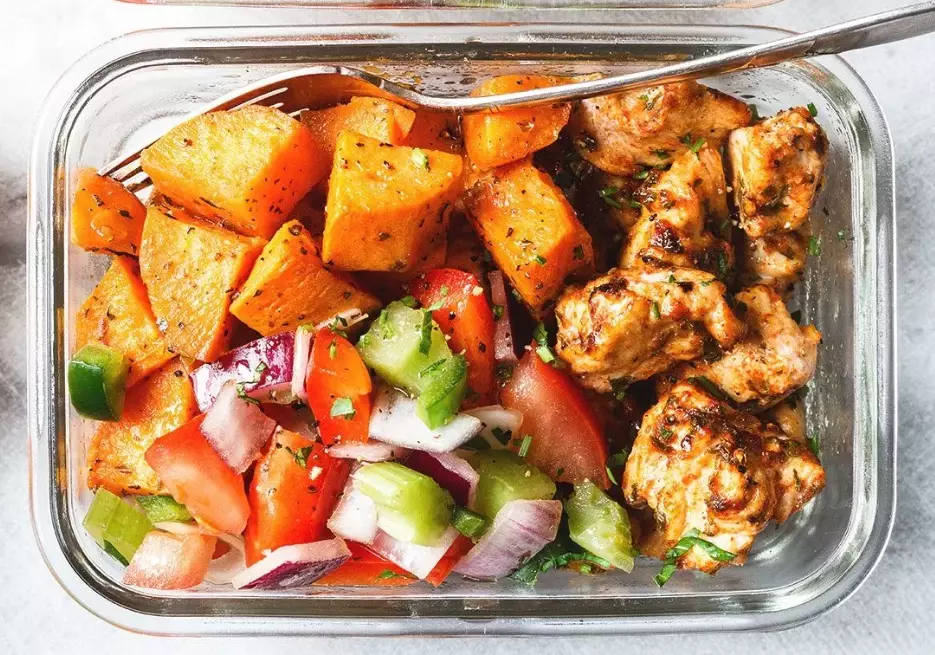
Minutes 0-15: Oven Start. Preheat oven. Toss chopped sweet potatoes and chicken tenders in olive oil and seasonings. Throw them on a sheet pan together. Bake. While that's cooking, put eggs on to boil.
Minutes 15-30: Chop Station. Wash and cut celery, carrots, and bell peppers. Store in airtight containers with a damp paper towel on top to keep crisp. Slice strawberries or melon.
Minutes 30-45: Cook Grains & Assemble. Cook a pot of quinoa or pasta. Peel the boiled eggs. Shred the baked chicken once it's cool enough.
Minutes 45-60: Portion & Store. This is key. Don't store everything in big containers. Portion proteins and grains into small, lunchbox-sized containers or compartments of a bento box system. Now you have a fridge full of grab-and-go elements.
The Gear That Actually Makes a Difference
You don't need much. Invest in three things:
A good bento-style lunchbox with separate compartments. The Yumbox or OmieBox are popular for a reason—they keep foods separate without needing ten little containers. The visual appeal also encourages eating.
Small, leak-proof containers for dips. I like the 2-ounce size for hummus, yogurt, or salad dressing.
A quality thermos. The Thermos FUNtainer or Stanley kids' bottle are workhorses. The pre-heating step I mentioned earlier is non-negotiable for heat retention.
Skip the fancy vegetable cutters. They're fun twice, then they live in the drawer.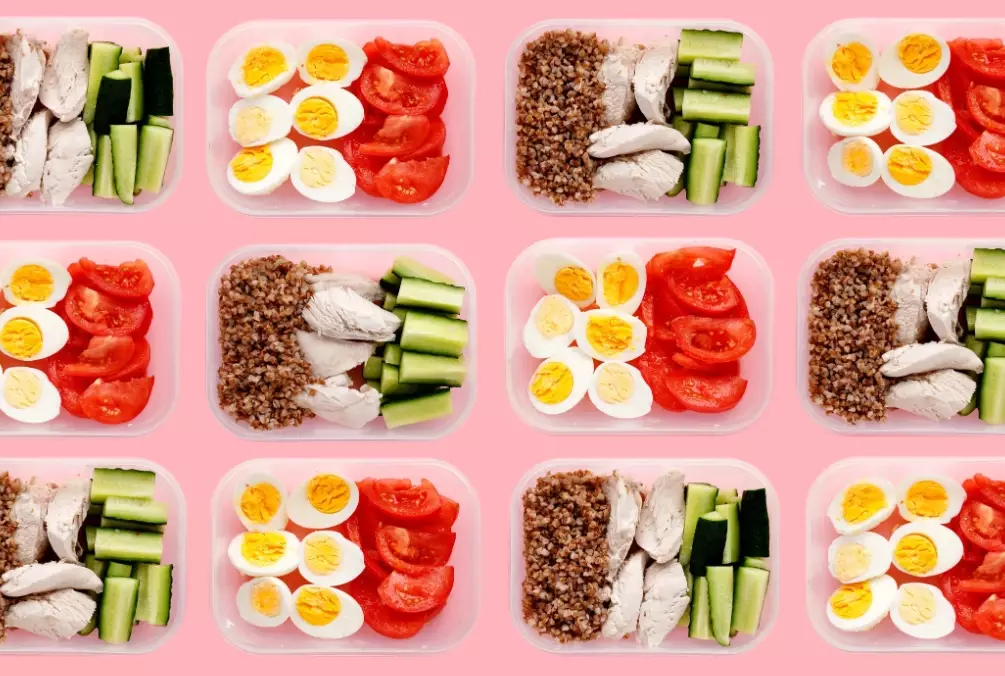
How to Get Your Kids Involved (Without the Fight)
Involvement leads to ownership, which leads to eating. Give them limited, age-appropriate choices.
For a 5-year-old: "Should we pack blueberries or apple slices this week?"
For a 10-year-old: "Here are three dip options. Pick one for your veggies."
Let them assemble their own bento boxes from the prepped components on Sunday night. They're more likely to eat what they built.
Your Top Lunch Prep Questions, Answered
 What are some good protein options for a lunchbox without refrigeration?
 Where can I find more reliable nutrition guidelines for portion sizes?
Reader Comments