What You’ll Find Here
Let's be honest. The phrase "healthy lunch prep" can sound about as exciting as watching paint dry. It conjures up images of sad, soggy salads and bland chicken eaten mournfully at your desk. I've been there. For years, my "prep" involved scrambling at 7 AM to throw something together, which usually meant an overpriced, underwhelming sandwich from the cafe downstairs. Not exactly a recipe for feeling great by 3 PM.
Then I hit a wall. My energy was constantly crashing, my wallet was feeling the strain, and I knew I had to make a change. I started experimenting with healthy food prep lunch ideas out of sheer desperation. And you know what? It wasn't the chore I thought it would be. It became a quiet, almost meditative Sunday ritual that saved my weekdays. My bank account thanked me, my energy levels stabilized, and I stopped dreading lunch.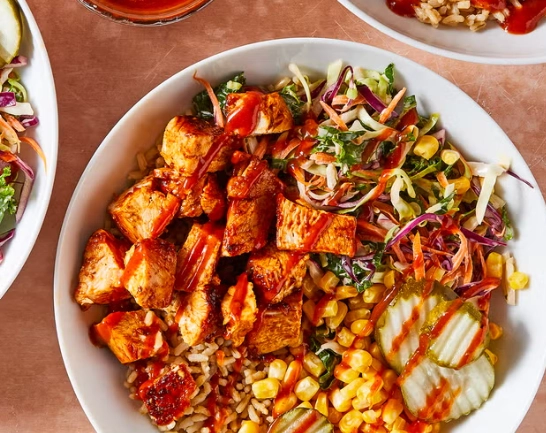
This isn't about becoming a gourmet chef or spending your entire weekend in the kitchen. It's about smart, simple systems. This guide is everything I wish I'd known when I started—the practical tips, the forgiving recipes, and the mindset shifts that make sticking with it possible. We're going to move beyond the basic "grilled chicken and broccoli" and explore a world of flavorful, satisfying, and genuinely easy healthy lunch prep ideas.
Why Bother? The Real Benefits of Prepping Your Lunch
Sure, saving money is the obvious one. The USDA's data on food spending consistently shows that eating out is a major budget drain. But the benefits run much deeper.
When you prep, you're in control. You control the portions, the sodium, the sugar, and the quality of ingredients. That means no more 3 PM sugar crashes from a hidden-heavy dressing or a bread roll the size of your head. You're also making a conscious choice for your health. The Harvard Healthy Eating Plate model is a fantastic, evidence-based guide for what a balanced meal should look like—and it's far easier to follow that model when you're the one assembling your plate.
For me, the biggest win was mental. The decision fatigue of "what's for lunch?" was gone. That one less decision every morning freed up mental space. The container was just there, ready to go. It’s a small thing, but on a hectic workday, small things add up.
Getting Started: Your No-Stress Prep Foundation
Before we dive into the recipes, let's talk setup. Failure often happens at the preparation stage, not the cooking stage. You don't need a kitchen stocked like a TV show, but a few key items make all the difference.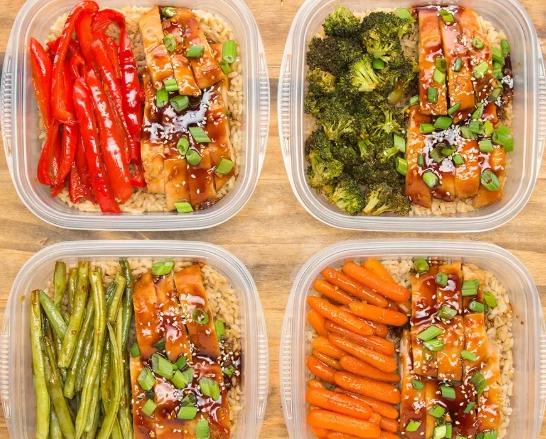
The Essential Gear (You Probably Already Have Most of It)
A good set of containers is non-negotiable. I'm not talking about a mismatched pile of old takeout boxes (though we've all been there). Invest in a few good-quality, leak-proof, compartmentalized containers. Glass is great for reheating and doesn't stain, but BPA-free plastic is lighter. Get a variety of sizes—some for main dishes, smaller ones for dips and dressings.
Other heroes: a sharp chef's knife (dull knives are dangerous and make prep miserable), a large cutting board, a big bowl for tossing salads or grains, a baking sheet for roasting veggies, and maybe a slow cooker or Instant Pot if you're into set-it-and-forget-it meals. A mandoline slicer can be a game-changer for thin, uniform veggie cuts, but it's not essential. Start with what you have.
The Mindset: Batch Cooking vs. Component Prepping
This was my breakthrough. I used to try to make five identical, complete meals every Sunday. By Wednesday, I was bored, and by Thursday, the texture of everything had gone a bit... off.
Enter component prepping. Instead of fully assembling 5 identical meals, you prep the building blocks. Cook a big batch of a grain (quinoa, brown rice, farro). Roast two or three trays of different vegetables (sweet potatoes, broccoli, bell peppers). Grill or bake a protein source (chicken thighs, tofu, chickpeas). Make a flavorful sauce or two. Store each component separately. Then, each morning, you can mix and match to build your lunch. It keeps things fresher and gives you daily choice. It’s the ultimate flexible system for healthy make-ahead lunches.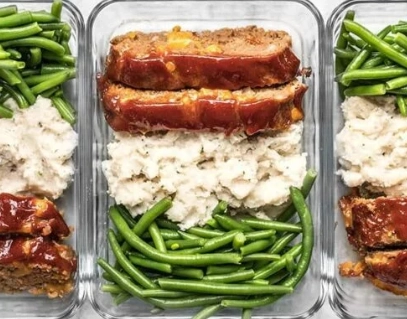
Which method is best? Here's a quick comparison:
| Method | What It Is | Best For | Potential Downside |
|---|---|---|---|
| Full Meal Assembly | Preparing and packaging complete, identical meals for the week. | Beginners who need ultimate simplicity, very predictable schedules. | Can lead to boredom, textures may suffer later in the week. |
| Component/Block Prepping | Preparing separate batches of grains, proteins, veggies, and sauces to mix & match daily. | People who crave variety, families with different tastes, avoiding food fatigue. | Requires a tiny bit of daily assembly thought. |
| Freezer Meals | Preparing complete meals designed to be frozen and reheated later. | Planning far ahead, saving time during busy weeks, soups/stews. | Requires freezer space, not all foods freeze well texturally. |
The Ideas: Your Go-To List of Healthy Lunch Prep Recipes
Okay, let's get to the good stuff. Here are some categories and specific healthy food prep lunch ideas that have earned a permanent spot in my rotation. These are all designed to hold up well for 3-4 days in the fridge.
Salads That Don't Get Soggy (Really!)
The key is keeping the wet stuff away from the dry stuff until you're ready to eat. Use your container's compartments or small separate jars for dressing. Sturdier greens like kale, chopped romaine, or shredded cabbage hold up much better than delicate spinach or spring mix.
My Favorite: The "Never-Soggy" Mason Jar Salad. Layer ingredients in a wide-mouth jar in this order: dressing at the bottom, then hard veggies (cherry tomatoes, cucumbers, carrots), then proteins/cheese (chickpeas, grilled chicken, feta), then grains (quinoa), then nuts/seeds, with your greens packed tightly at the very top. When ready to eat, dump it all into a bowl. The dressing coats everything perfectly from the bottom up. Genius.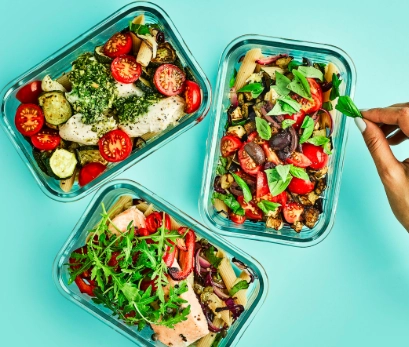
Hearty Grain Bowls & Nourish Bowls
This is where component prepping shines. Think of a formula: Base + Protein + Veggies + Sauce + Crunch.
- Base: Brown rice, quinoa, farro, couscous, or even roasted sweet potato cubes.
- Protein: Lemon-herb chicken, teriyaki tofu, black beans, seasoned ground turkey, hard-boiled eggs.
- Veggies: A mix of roasted (broccoli, peppers, zucchini) and raw (shredded carrot, snap peas).
- Sauce: Tahini-lemon, cilantro-lime yogurt, peanut sauce, simple vinaigrette.
- Crunch: Toasted almonds, sunflower seeds, crispy chickpeas.
One week, I'll prep Mediterranean bowls (quinoa, lemon chicken, cucumber, tomato, red onion, olives, tzatziki). The next, it might be Mexican-inspired (cilantro-lime rice, black beans, corn salsa, avocado, salsa verde). The combinations for easy lunch prep for work are endless.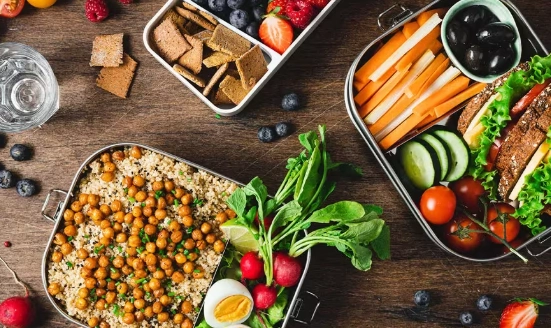
Wraps, Rolls & Handhelds
Sometimes you just want to eat with your hands. Whole-wheat tortillas, large lettuce leaves (butter lettuce works great), or collard greens make excellent wraps. The trick is to keep the wrap itself separate from very wet fillings. Prep the filling in a container and assemble the wrap in the morning, or pack the dry wrap separately and fill it at lunch.
A winner: Turkey & Hummus Veggie Wraps. Spread a whole-wheat tortilla with hummus, add sliced turkey, shredded carrots, spinach, and sliced bell peppers. Roll tightly. If you slice it in half, pack it standing up in your container so it doesn't get squished.
Soups, Stews & Hearty Lentil Dishes
Perfect for batch cooking and freezing. A big pot of lentil soup, chili (try a turkey and bean version), or vegetable stew can be portioned out and reheated easily. They often taste even better a day or two later. Pair with a whole-grain roll or a side salad. The MyPlate guidelines from the USDA are a helpful reminder to include those food groups—soups are an easy way to pack in vegetables and legumes.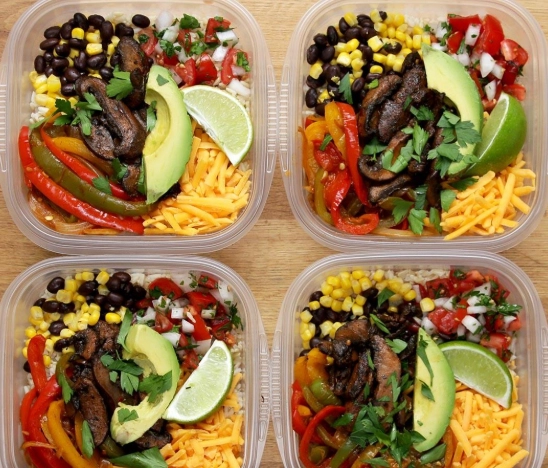
Answering Your Biggest Lunch Prep Questions
When I talk to people about this, the same questions come up again and again. Let's tackle them head-on.
Putting It All Together: A Sample Weekly Plan
Let's make this concrete. Here’s what a simple Sunday component prep session might look like, yielding mix-and-match healthy food prep lunch ideas for the week.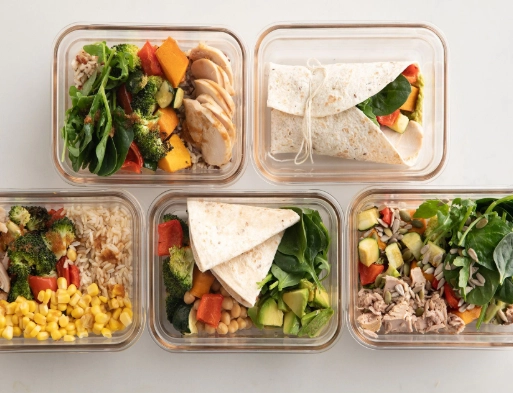
Sunday Afternoon (90 minutes):
- Roast Vegetables: Chop 2 sweet potatoes, 2 heads of broccoli, and 3 bell peppers. Toss with olive oil, salt, pepper, and paprika. Roast on sheet pans at 400°F (200°C) for 20-30 mins.
- Cook Protein: Season 4 chicken thighs with garlic powder, onion powder, and dried oregano. Bake at 375°F (190°C) for 30-35 mins. Let cool, then shred or chop. (Or, for a plant-based option, drain and press a block of tofu, cube it, toss in soy sauce and cornstarch, and bake until golden).
- Cook a Grain: Rinse 1.5 cups of quinoa and cook according to package directions (makes about 4.5 cups cooked).
- Make a Sauce: Whisk together 1 cup of plain Greek yogurt, the juice of 1 lime, a handful of chopped cilantro, salt, and a pinch of cumin.
- Prep Extras: Rinse a can of black beans. Wash and chop some romaine lettuce.
Your Weekday Assembly (5 minutes each morning):
- Monday: Grain bowl with quinoa, black beans, roasted peppers & sweet potato, cilantro-lime yogurt.
- Tuesday: Taco salad with romaine, shredded chicken, black beans, roasted peppers, avocado (add fresh), and yogurt sauce as dressing.
- Wednesday: Wrap with a tortilla, chicken, romaine, and roasted broccoli with the yogurt sauce.
- Thursday: Grain bowl with quinoa, chicken, roasted broccoli, extra yogurt sauce.
- Friday: "Clean-out-the-fridge" bowl with all remaining components mixed together.
See? Variety, minimal daily effort.
The Final Word: Be Kind to Yourself
The goal isn't perfection. Some weeks you'll nail it. Other weeks, life will happen, and you might only prep two lunches. That's still two lunches you didn't have to stress over or overspend on. Start small. Maybe just prep two days worth of lunches next week. Find one or two recipes that genuinely excite you.
The most sustainable healthy lunch prep ideas are the ones you actually enjoy eating and don't make you resent the time spent. It's a tool, not a test. Play with flavors, celebrate the small wins (like the first time you remember to pack a fork), and give yourself grace. A homemade lunch, however simple, is a quiet act of care for your future self. And that future self will be grateful when 12:30 PM rolls around.
Reader Comments