Quick Guide
- Why Bother? The Real Benefits of Breakfast Burrito Meal Prep
- The Core Components: Building Your Burrito Blueprint
- The Step-by-Step Process: Assembly Line to Freezer
- Reheating: The Moment of Truth
- Answering Your Burning Questions (FAQs)
- Mix It Up: Flavor Combinations to Try
- Final Thoughts: Is This For You?
Let's be honest. Mornings can be chaos. The snooze button is a powerful enemy, and the idea of cooking a decent breakfast often loses out to grabbing a granola bar or, worse, skipping it altogether. I've been there more times than I care to admit. But a few years ago, I stumbled upon a solution that genuinely changed my weekday routine: meal prep breakfast burritos.
It sounds almost too simple, right? Wrap some stuff in a tortilla, freeze it, and you're done. But the magic isn't just in the making—it's in the reclaiming of 15 precious morning minutes, the satisfaction of a hot, savory breakfast, and the smug knowledge that you're not spending $8 at a drive-thru. This isn't about complicated recipes; it's about a reliable system. A system for making a bunch of delicious make ahead breakfast burritos that actually taste good when you reheat them. Because let's face it, a soggy, sad burrito is worse than no burrito at all.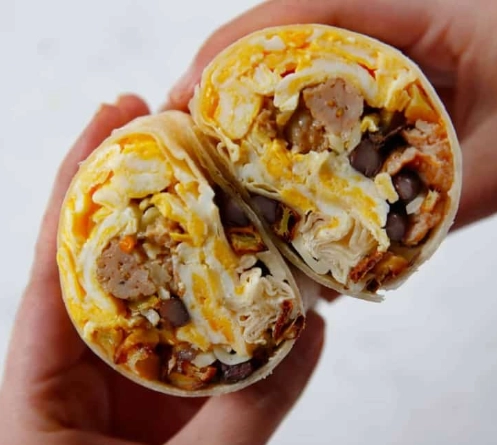
This guide is everything I've learned through trial and error (and yes, some error-induced, sad breakfasts). We're going deep, from the absolute basics to the pro tips that make all the difference. Whether you're feeding a family or just yourself, whether you're a carnivore, vegetarian, or watching your carbs, this method can work for you.
Why Bother? The Real Benefits of Breakfast Burrito Meal Prep
You might be thinking, "Is this really worth the effort on a Sunday?" From my experience, a resounding yes. Here’s the thing people don't always talk about: the mental load. Deciding what to eat for breakfast is a tiny decision, but it's one less thing your brain has to process before coffee. The benefits stack up quickly.
First, the obvious one: time. You trade an hour or two on a weekend for a whole week (or more!) of instant breakfasts. We're talking 2-3 minutes in the microwave versus 15-20 minutes of cooking and cleaning every single morning. The math is undeniable.
Then there's money. A homemade meal prep breakfast burrito costs a fraction of a café or fast-food version. You control the ingredients, so you can use affordable staples like eggs, potatoes, and beans, or splurge on premium cheese and sausage without the 300% markup.
Health and nutrition is a huge one. You know exactly what's inside. No hidden sugars, excessive sodium, or questionable oils. You can pack them with protein, fiber, and veggies to actually fuel your morning. I found I stopped hitting the 10:30 AM energy crash after switching to these from sugary cereals.
Finally, reducing food waste. Got a pepper that's starting to wrinkle? Some leftover roasted potatoes from dinner? A handful of spinach? They all have a perfect home in your next batch of freezer breakfast burritos. It's a fantastic way to use up bits and pieces.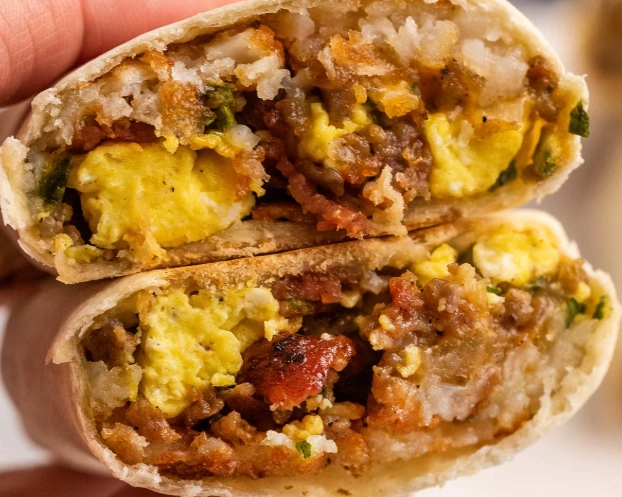
The Core Components: Building Your Burrito Blueprint
Think of your burrito like a layered structure. Getting the order and ratios right is what separates a cohesive, delicious package from a messy, fall-apart disaster. Here’s the breakdown from the inside out.
The Foundation: Tortillas Matter More Than You Think
This is your vessel, and choosing wrong can ruin everything. The standard large "burrito-size" flour tortilla (10-inch) is the most common choice. They're pliable and sturdy. But not all are created equal.
Look for tortillas with a simple ingredient list—just flour, water, oil, salt, maybe a preservative. The thicker, "homestyle" ones often hold up better to freezing and reheating without getting gummy. I made the mistake once of using ultra-thin, "healthy" tortillas, and they turned into a pasty mess upon reheating. Not recommended.
Corn tortillas are traditional but too small and prone to breaking for this application. Save those for tacos.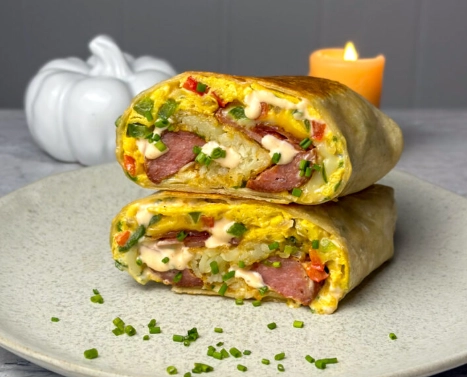
The Heart: Protein and Fillings
This is where you get creative and personalize your make ahead breakfast burritos. The key here is to cook your fillings thoroughly and, crucially, let them cool completely before assembling. Steam trapped in a warm filling is the primary cause of soggy, icy freezer burritos.
Here’s a quick-reference table for some of the most popular filling components, with cooking notes:
| Ingredient | Preparation Tips | Freezing/Reheating Note |
|---|---|---|
| Scrambled Eggs | Cook low and slow until just set, even slightly underdone. They'll finish cooking when reheated. Overcooked eggs become rubbery. | Holds up very well. The texture stays good. |
| Breakfast Sausage (or Bacon, Ham) | Cook until crispy for sausage/bacon, drain ALL excess fat. Chop ham into small pieces. | Excellent. Fat can cause sogginess, so draining is key. |
| Potatoes (Diced, Hash Browns) | Par-cook or fully cook until tender. Roasting or pan-frying gives better texture than boiling. | Great. Avoid raw potatoes as they won't cook through later. |
| Black Beans, Pinto Beans | Rinse canned beans well to remove starchy liquid. Can be mashed slightly to help binding. | Excellent. Adds moisture and fiber. |
| Bell Peppers, Onions, Mushrooms | Sauté until soft and all released moisture has evaporated. Let cool completely. | Good. Must be cooked and moisture-free. |
| Spinach, Kale | Wilt in a pan and squeeze out ALL excess water in a clean towel. Seriously, squeeze it hard. | Good only if thoroughly dried. A water bomb otherwise. |
My personal go-to combo? A classic: scrambled eggs with a bit of milk for fluffiness, spicy turkey sausage, sautéed onions and green peppers (cooked until they're almost dry), and a handful of crispy tater tots I baked off just for this. It’s familiar, satisfying, and never lets me down.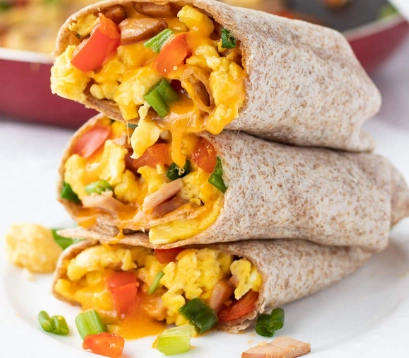
The Binders and Flavor Boosters: Cheese and Sauces
Cheese is non-negotiable for me. It adds creaminess and acts as a moisture barrier between the fillings and the tortilla. Shredded cheeses like cheddar, Monterey Jack, or a Mexican blend work perfectly. Avoid pre-shredded cheese with anti-caking agents if you can—they don't melt as smoothly. Block cheese you shred yourself is superior, but let's be real, the bagged stuff works in a pinch.
Now, sauces. This is a point of contention. Salsa, hot sauce, sour cream... they add moisture, which is the enemy of a good frozen burrito. If you add them before freezing, you risk a soggy wrapper.
The solution? Add wet condiments after reheating. Keep a bottle of hot sauce or a jar of salsa in the fridge. A dollop of cold sour cream or Greek yogurt on a hot burrito is divine. If you MUST have it inside, consider using a powder, like a sprinkle of taco seasoning or chili powder, for flavor without the liquid.
The Step-by-Step Process: Assembly Line to Freezer
Alright, you've got your cooled components ready. This is where the factory (a.k.a. your kitchen counter) comes online. Efficiency is your friend.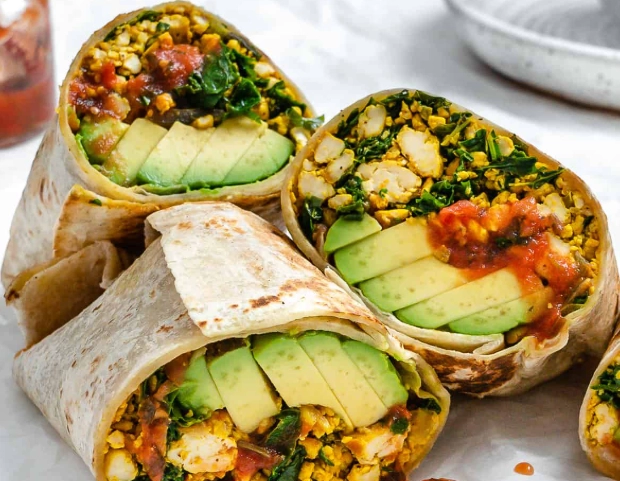
Step 1: Set up your station. Lay out tortillas, all your fillings in bowls, cheese, a spoon for each filling, and your wrapping materials. You'll need squares of parchment paper (about 10x10 inches) or aluminum foil. I strongly prefer parchment—it's non-stick and you can microwave in it. Foil can spark in the microwave, so you have to remove it while the burrito is still frozen, which is a pain.
Step 2: The layering order. This is crucial for structural integrity. Place your tortilla on the parchment square. Sprinkle a light layer of cheese first, right in the center. This creates a base that can melt and seal the bottom. Then add your heavier, drier ingredients (potatoes, meat, beans). Next, add the eggs and any delicate veggies. Top with another small sprinkle of cheese. The cheese layers act like glue.
Don't overfill! This is the number one mistake.
You should be able to fold the sides in without the contents bursting out. Aim for about ¾ to 1 cup of total filling per large tortilla.
Step 3: The fold. It's not just a roll. Fold the sides in over the filling first, then lift the bottom flap up and over the filling, tucking it in snugly as you start to roll forward tightly. You want a compact cylinder. If it feels loose, it will reheat unevenly.
Step 4: The wrap. Roll the burrito tightly in the parchment paper, like a candy wrapper. Twist the ends to secure it. Some people then wrap it in foil over the parchment for extra protection against freezer burn. I find parchment alone is fine if you're eating them within a month. For longer storage, a foil overwrap helps.
Step 5: Label and freeze. Use a marker to write the contents and date on the wrapper. Place them in a single layer on a baking sheet and "flash freeze" for 1-2 hours until solid. This prevents them from sticking together into a giant burrito brick. Then, transfer them to a large freezer bag or airtight container, sucking out as much air as possible.
Reheating: The Moment of Truth
You can do everything right up to this point and ruin it with bad reheating. The goal is a warm, evenly heated interior without a tough, leathery tortilla.
The Best Method (Microwave + Oven/Air Fryer Combo):
- Remove the burrito from its wrapper (if using foil, you must do this). Place it on a microwave-safe plate.
- Microwave on 50% power for 1.5 to 2 minutes. This gently thaws and warms the center without nuking the outside.
- Then, transfer it to a toaster oven, air fryer, or regular oven preheated to about 375°F (190°C). Bake for 8-12 minutes, flipping once, until the tortilla is crispy and golden brown. This step restores texture magic.
This two-step process is unbeatable for quality.
The Quick & Dirty Method (Microwave Only): If you're truly in a rush, leave the burrito in its parchment paper (not foil!). Microwave on high for 2 minutes, flip, then another 30-60 seconds. The tortilla will be soft, not crispy, but it'll be hot. Wrap it in a paper towel for the last 30 seconds to absorb excess steam and prevent sogginess.
From Frozen in the Oven/Air Fryer: This takes longer but gives a great result. Wrap in foil (to prevent burning) and bake at 375°F (190°C) for 25-30 minutes, then unwrap and bake for 5 more minutes to crisp up. In an air fryer, cook at 370°F (188°C) for 15-20 minutes, flipping halfway.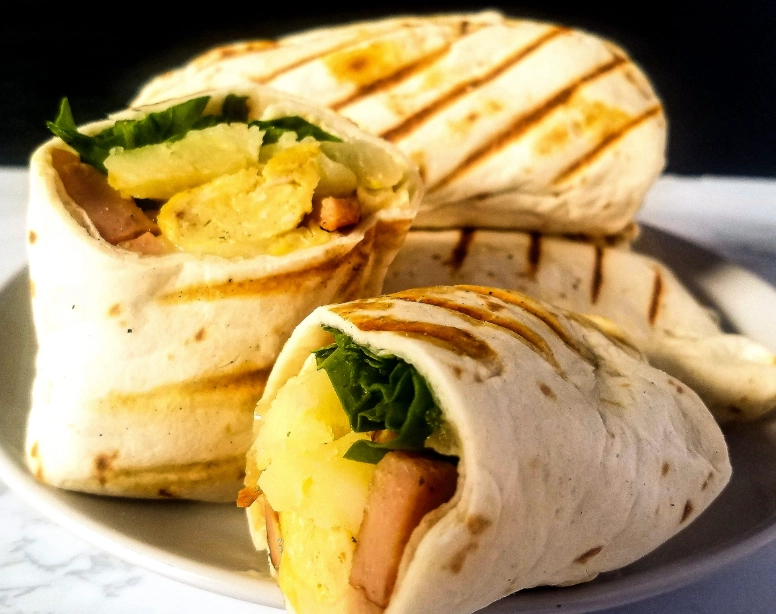
Answering Your Burning Questions (FAQs)
Over time, I've gotten a lot of questions from friends I've converted to the meal prep breakfast burrito lifestyle. Here are the big ones.
Mix It Up: Flavor Combinations to Try
Don't get stuck in a rut. The beauty of this meal prep breakfast burritos method is its versatility. Here are a few themed ideas to spark your creativity:
The "Southwest": Scrambled eggs, black beans, corn, diced green chiles, pepper jack cheese, and a sprinkle of cumin. Serve with salsa after reheating.
The "Everything Bagel": Scrambled eggs with cream cheese mixed in, smoked salmon pieces (add after reheating for best texture, or use pre-cooked), red onion, and capers. Maybe even sprinkle everything bagel seasoning on the tortilla before adding fillings.
The "Green Machine" (Vegetarian): Sautéed spinach & mushrooms, cannellini beans, crumbled feta cheese, and a sun-dried tomato spread (use sparingly).
The "Full English" (Kind Of): Scrambled eggs, baked beans (well-drained!), sautéed mushrooms, and a piece of cooked breakfast sausage. A quirky but delicious mash-up.
The point is to use what you like. The process remains the same. Cook, cool, assemble, wrap, freeze. It's a template for freedom, not a rigid recipe.
Final Thoughts: Is This For You?
If your mornings are rushed and you find yourself making less-than-ideal breakfast choices, then investing a couple of hours one weekend to master make ahead breakfast burritos is one of the best kitchen hacks you can adopt. It requires a bit of upfront planning and some discipline in the cooling and wrapping stages, but the payoff is enormous.
You're not just making food; you're buying peace of mind and setting yourself up for success every single morning. Start with a basic combination you know you love, master the wrap and reheat, and then start experimenting. Before you know it, you'll have a freezer stocked with your own custom, healthy, fast-food alternatives.
And really, what's better than that?
Reader Comments