Quick Navigation
- Why Bother? The Real Benefits of Prepping Your Lunches
- Your First Time? A No-Stress, Step-by-Step Guide
- Beyond the Basics: Strategies for Every Eater
- A Week of Ideas: Sample Meal Prep Lunch Plans
- The Nitty-Gritty: Storage, Reheating, and Food Safety
- Answering Your Biggest Meal Prep Lunch Questions
- Leveling Up: Pro Tips for the Committed Prepper
- Wrapping It Up: Your Lunch, Your Rules
Let's be honest for a second. How many times last week did you stare into the fridge at noon, feel nothing but dread, and then just order something overpriced and kinda greasy? Or maybe you cobbled together a sad desk lunch from random snacks. I've been there more times than I care to admit.
That feeling, that daily lunchtime scramble, is exactly why meal prep lunches aren't just some trendy Instagram hashtag. They're a practical lifeline. A way to take back control of your time, your health, and honestly, your wallet. It's not about being a perfect chef; it's about being a smart planner.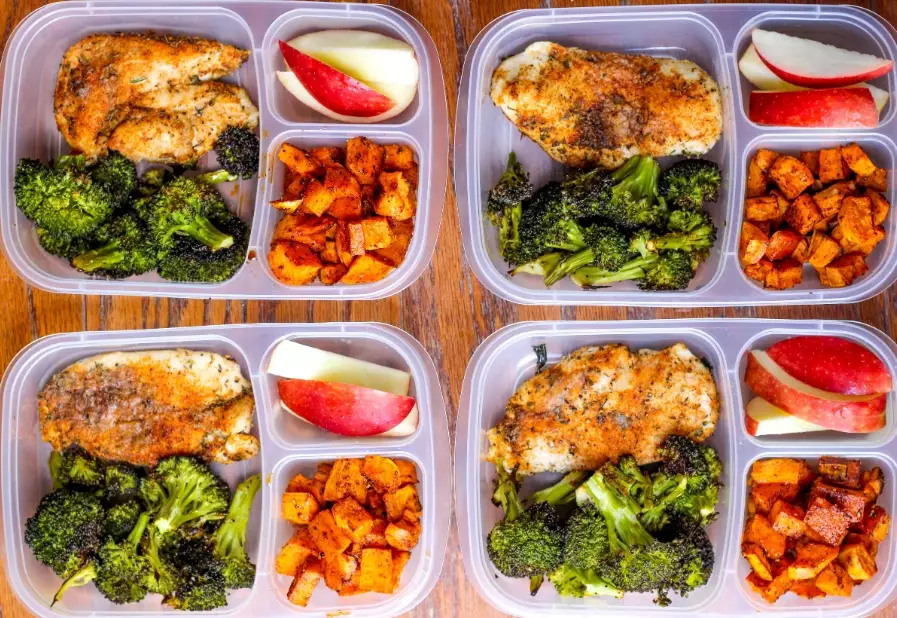
So what's the big deal? Why are so many people dedicating a couple of hours on a Sunday to this? The benefits stack up fast, and they go way beyond just having food ready.
Why Bother? The Real Benefits of Prepping Your Lunches
Sure, saving money is the obvious one. The math is stupidly simple. A $12 salad five days a week is $60. A thoughtfully prepped week of meal prep lunches might cost you $25-$30 in groceries. That's an extra $120-$140 in your pocket every month. That's a nice dinner out, or a couple of streaming subscriptions, or just peace of mind.
But it's the other stuff that really hooks you.
Time, Glorious Time. The mental energy you save is priceless. No more 12:05 p.m. panic. You just grab your container and go. That's five daily decisions you've already made, freeing up brain space for actual work or, you know, relaxing.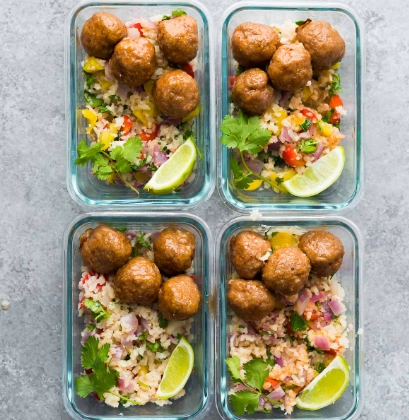
Health on Autopilot. When you prep, you control the ingredients. No hidden sugars, excessive sodium, or questionable oils. Want more veggies? Add them. Need more protein for your workouts? Pack it in. It's the easiest way to make sure you're actually fueling your body with what it needs, not just what's convenient.
Reduced Food Waste. This one surprised me. When you shop with a plan for specific lunch meal prep recipes, you buy what you need. That bunch of cilantro gets used up in your grain bowls. That bell pepper gets chopped and roasted. You're not staring at soggy spinach at the end of the week, feeling guilty.
Okay, you're maybe convinced it's a good idea. But the thought of actually doing it can be overwhelming. Where do you even start? Don't worry, we're going to break it down into totally non-intimidating steps.
Your First Time? A No-Stress, Step-by-Step Guide
If you try to do everything all at once, you'll burn out. The key is to start simple. Ridiculously simple.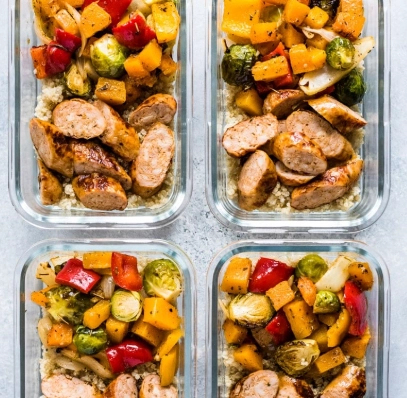
Step 1: The Mindset & Planning Phase (Do This First!)
Don't even touch a pan yet. Grab a notepad or your phone.
Pick Your Prep Day: Sunday afternoon is classic, but maybe Thursday night works better for you. Choose a 2-3 hour block where you can be in the kitchen relatively undisturbed.
Choose ONE Recipe to Master: I'm serious. Just one. This week, your mission is to nail a big batch of one great lunch. Maybe it's a hearty lentil soup. Maybe it's a simple baked chicken and roasted broccoli situation. Maybe it's a giant quinoa salad with chickpeas and a lemon-tahini dressing. Pick something that sounds good to you for multiple days.
Make a Precise Shopping List: Based on that one recipe, list every ingredient you need. Check your pantry first. This prevents the dreaded "three-store run."
Step 2: Gear Up (You Don't Need Fancy Stuff)
You need containers. That's the main thing. Forget the Instagram-perfect matching glass sets for now. Use what you have—Tupperware, old takeout containers (clean them well!), mason jars. Later, if you get into it, invest in a few good glass containers with compartments. They don't leak and reheat better.
Other essentials: A large sheet pan or two for roasting, a big pot or Dutch oven for soups/stews, a sharp knife, and a cutting board. That's really it to start.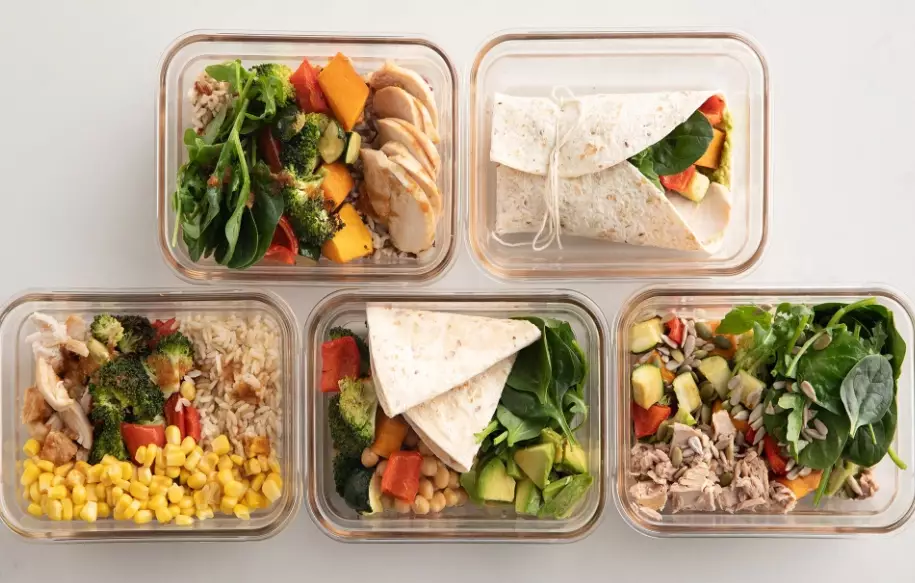
Step 3: The Cooking Flow
This is where the magic happens. The goal is efficiency, not culinary perfection.
- Preheat & Prep: Get your oven heating. Wash and chop all your veggies at once. This "mise en place" makes everything faster.
- Cook in Layers: Start with what takes the longest. Get your grains (rice, quinoa, farro) simmering. While that's going, get your protein (chicken, tofu, beans) cooking. While *that's* going, chop your fresh veggies or make your dressing.
- Assembly Line: When everything is cooked and cooled a bit, line up your containers. Portion out your grain, then protein, then veggies, then sauce/dressing in a little separate cup or drizzled on top if it won't make things soggy.
And that's it. You've just prepped lunches for most of the week. See? Not so scary.
Beyond the Basics: Strategies for Every Eater
Once you've got the single-recipe method down, you can level up. The real joy of a sustainable weekly meal prep practice is mixing and matching components. This is the "choose your own adventure" method and it prevents taste bud boredom.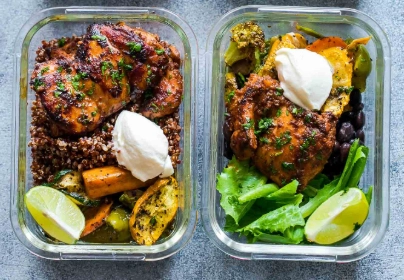
Instead of making one complete meal, you prep separate, versatile components that you can combine differently each day.
| Component Category | Prep Ideas (Cook 1-2 of these) | How to Mix & Match |
|---|---|---|
| Base/Grains | Brown rice, quinoa, farro, couscous, whole-wheat pasta, roasted sweet potato cubes. | Use as the foundation of your bowl or as a side. |
| Proteins | Shredded chicken, baked salmon, hard-boiled eggs, pan-seared tofu, black beans, lentils. | Your main source of staying power. Rotate for variety. |
| Veggies (Roasted/Raw) | Roasted broccoli, bell peppers, zucchini. Fresh spinach, cherry tomatoes, shredded carrots, cucumber. | Roasted veggies reheat well. Keep fresh veggies raw for crunch. |
| Flavor & Sauce | Pesto, lemon-tahini dressing, peanut sauce, salsa, yogurt-herb sauce, simple vinaigrette. | Store separately in small containers to avoid sogginess. This changes the whole meal! |
With this system, you can have a Mexican bowl (rice, black beans, peppers, salsa, avocado) on Monday and a Mediterranean bowl (quinoa, chicken, cucumber, tomato, lemon-tahini) on Tuesday with mostly the same prepped ingredients.
Catering to Specific Diets
For Keto/Low-Carb: Your base becomes cauliflower rice, zucchini noodles, or just a big bed of leafy greens. Focus on prepping generous portions of fats and proteins like salmon, chicken thighs, meatballs, avocados, and cheese. Roast low-carb veggies like broccoli, asparagus, and mushrooms in plenty of olive oil.
For Vegetarian/Vegan: Plant-based power is perfect for meal prep lunches. Batch-cook lentils, chickpeas, or a variety of beans. Tofu and tempeh marinate and bake beautifully. Don't forget hearty grains like farro and quinoa for substance. A great tip is to prep a big batch of a versatile sauce like a cashew-based "cheese" sauce or a creamy avocado dressing to keep things interesting.
For the Microwave-Averse (No Reheat Lunches): This is a big one for people without good office kitchen access. Focus on salads in jars (dressing at the bottom, then sturdy veggies, grains, protein, greens on top—shake to mix), hearty grain salads that taste good cold, wraps, or adult "lunchables" with crackers, cheese, sliced meat, hummus, and veggies.
A Week of Ideas: Sample Meal Prep Lunch Plans
Let's make this concrete. Here’s what a week of planned lunch meal prep could look like for two different styles.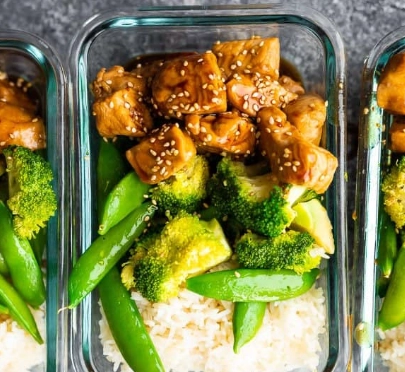
Plan A: The Comforting & Hearty Week
Complementary Prep: A batch of brown rice. A simple cabbage slaw with a lime vinaigrette (stays crunchy).
Assembly: Each day, pack a container of chili, a scoop of rice, and a side of slaw. Top with a little Greek yogurt or cheese.
Plan B: The Fresh & Vibrant Week
- Protein: Lemon-Herb Baked Chicken Breasts, sliced.
- Grain: Tri-color quinoa.
- Veggies: Roasted sweet potato cubes, raw snap peas and shredded red cabbage.
- Sauce: A vibrant cilantro-lime yogurt sauce.
See the flexibility? The second plan gives you more daily choice, which I personally prefer. It keeps lunch something to look forward to.
The Nitty-Gritty: Storage, Reheating, and Food Safety
This is the less glamorous but utterly critical part. Getting sick from your own cooking is the fastest way to quit meal prep.
The Golden Rule: Cool food quickly before putting it in the fridge. Don't pack steaming hot food into a container and seal it shut. Let it sit on the counter (covered loosely) for no more than an hour to bring the temperature down, then refrigerate.
How Long Does It Last? Most cooked meal prep lunches with meat, grains, and cooked veggies are safe and tasty for 3-4 days in the fridge. Soups and stews can often go 4-5 days. If you're prepping for Friday, consider making a second batch on Wednesday night, or utilize your freezer.
Freezing is Your Friend: Soups, chilis, sauces, and cooked meats freeze beautifully. Portion them out right after cooking for future "emergency" weeks when you can't prep. The USDA's Food Safety website is an excellent, authoritative resource for specific storage times and safe thawing practices.
Reheating for Victory: To avoid the dreaded dry, rubbery chicken, reheat gently. If using a microwave, add a splash of water or broth to the container and cover it loosely. Reheat in 1-minute increments, stirring in between. For things like roasted veggies, a toaster oven or air fryer can crisp them back up wonderfully.
Answering Your Biggest Meal Prep Lunch Questions
Leveling Up: Pro Tips for the Committed Prepper
Once you're in the groove, these tips can make your weekly meal prep even smoother and more enjoyable.
- Clean As You Go: This is non-negotiable for sanity. While your chicken bakes, wash the cutting board and knife. You'll be left with a manageable pile of dishes, not a catastrophic kitchen scene.
- Double (or Triple) Your Dinner: The easiest hack of all. When making dinner on Tuesday, intentionally make 2-3 extra servings. Portion them directly into lunch containers before you even sit down to eat. Boom—lunch is done.
- Invest in Quality Containers: I know I said start with what you have, but good glass containers with tight seals are a game-changer. They don't stain, don't warp in the microwave, and just feel nicer to eat from. It makes the experience better.
- Listen to Something Good: Put on a podcast, an audiobook, or a great playlist. It transforms the time from a chore into almost a relaxing ritual.
Wrapping It Up: Your Lunch, Your Rules
At the end of the day, mastering meal prep lunches is about giving yourself a gift. The gift of a calmer morning, a more productive midday, a healthier body, and a fatter wallet. It's one of the highest-return habits you can build.
It doesn't have to be perfect. Some weeks you'll nail it. Some weeks you'll just hard-boil a dozen eggs and call it a win. That's okay. The goal is progress, not perfection.
Start with one recipe this week. See how it feels. I bet you'll notice the difference by Wednesday—not just in your lunch, but in your whole day. You've got this.
And remember, the best resource is often your own experience. For ongoing inspiration and to understand the nutritional building blocks of a great meal, reputable sources like Harvard's Nutrition Source provide fantastic, evidence-based guidance on building a balanced plate, which is the ultimate blueprint for any successful lunch prep.
Reader Comments