Your Quick Guide
- Why Bother with Lunch Prep? (Beyond the Obvious)
- Your No-Stress Lunch Prep Game Plan
- 5 Foolproof Lunch Prep Recipes to Start With
- Storage & Reheating: Keeping Your Food Safe and Tasty
- Solving Common Lunch Prep Problems
- Advanced Hacks & Flavor Ideas
- Equipment That Actually Helps (No Fancy Gadgets Needed)
- Answering Your Lunch Prep Questions
Let's be honest. The idea of spending your entire Sunday afternoon chopping, cooking, and packing meals for the week can feel... overwhelming. I've been there. I'd see those perfect containers on social media and think, "Who has time for that?" My early attempts at lunch prep recipes were disasters—soggy salads, bland chicken, and by Wednesday, I was back to buying an overpriced sandwich from the deli downstairs.
But then I figured something out. Lunch prep doesn't have to be a military operation. It's not about creating five-star restaurant meals for every single day. It's about making your future self's life a little bit easier. It's about saving that mental energy you waste every morning staring into the fridge, and saving the money that seems to vanish when you eat out.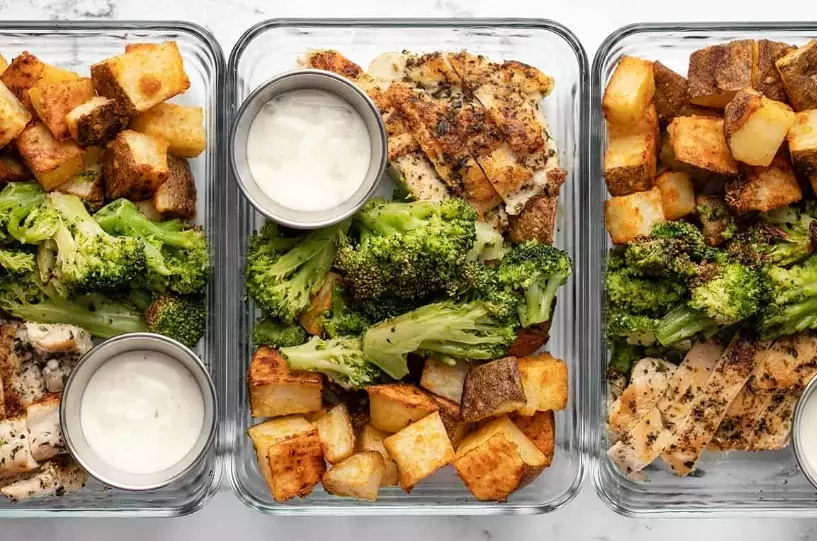
It's simpler than you think.
This guide isn't about perfection. It's about practicality. We're going to ditch the complicated, ten-step recipes and focus on lunch prep recipes that are easy, adaptable, and—most importantly—things you'll actually want to eat. Whether you're a total beginner or someone who's tried and given up, there's a method here for you.
The Core Idea: Good lunch prep is just smart cooking. You're making a slightly bigger portion of your dinner, or combining a few simple components in new ways. That's it. The goal is to remove the daily "lunch panic," not to become a professional chef.
Why Bother with Lunch Prep? (Beyond the Obvious)
Everyone talks about saving money and time, which are huge benefits. But for me, the real win was control. When you prep your lunch, you control exactly what goes into your body. No more hidden sugars, excessive sodium, or mystery oils from takeout. You can tailor your meals to your energy needs—maybe you need a lighter lunch to avoid the 3 PM slump, or something more substantial if you have a workout later.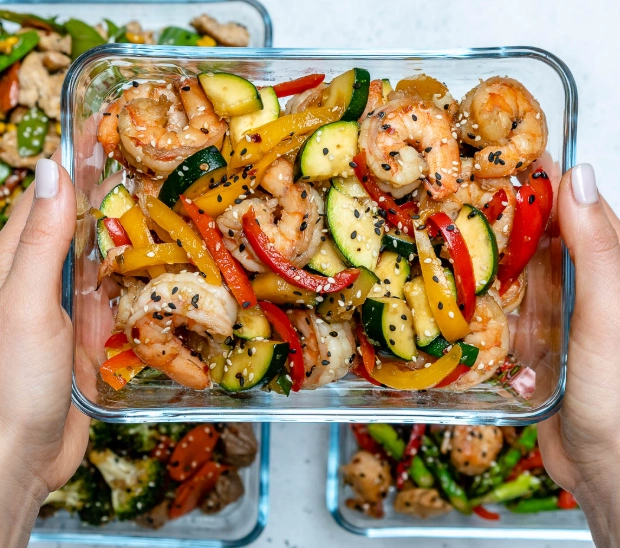
There's also a psychological benefit. Making the choice to eat a healthy, homemade lunch feels good. It's a small act of self-care in the middle of a busy day. The U.S. Department of Agriculture has resources on building a balanced plate (MyPlate), which is a fantastic, no-nonsense framework to keep in mind when assembling your meals. Are you getting a protein, a veggie, a smart carb, and a healthy fat? If yes, you're golden.
And let's not forget the financial hit. Buying lunch out just a few times a week can easily add up to $50 or more. That's money you could save or spend on something you truly enjoy.
My own turning point came when I calculated I was spending nearly $200 a month on mediocre lunches. I invested a fraction of that in some decent glass containers and suddenly, that lunch money became my weekend coffee-and-book fund. Small shift, big difference.
Your No-Stress Lunch Prep Game Plan
Don't try to prep seven different gourmet meals. That's a recipe for burnout. The most successful systems are based on components, not finished plates. Think of it like building with Lego blocks.
The Core Component Method
Instead of pre-making complete meals on Sunday, prep a batch of each of these categories. Then, mix and match throughout the week. This prevents boredom and gives you flexibility.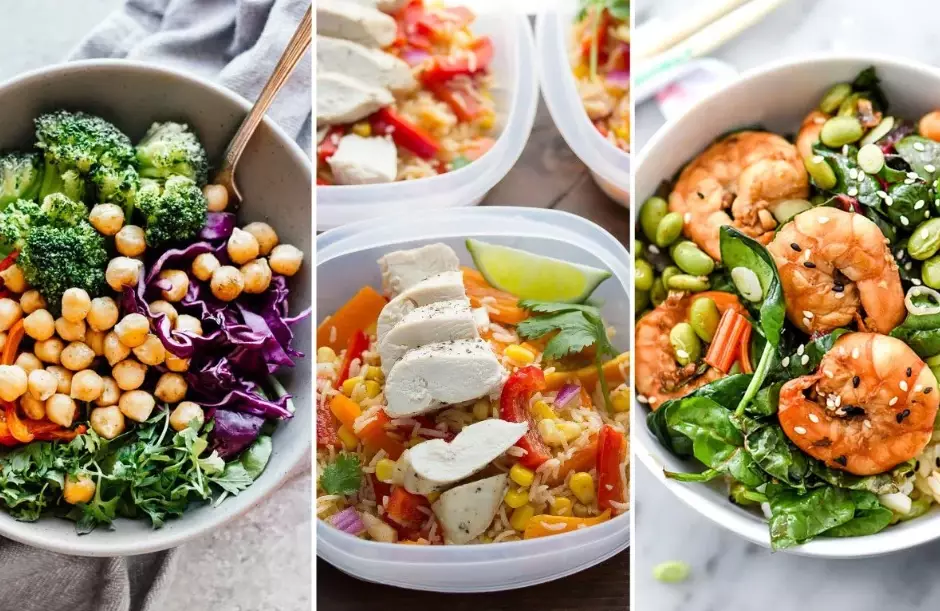
1. The Protein Foundation: This is your anchor. Cook 2-3 different proteins.
- Shredded Chicken: Throw chicken breasts or thighs in a slow cooker or instant pot with a little broth. Shred it, and it's ready for anything—salads, wraps, bowls.
- Roasted Chickpeas or Lentils: A fantastic plant-based option. Toss canned (and drained) chickpeas with olive oil and spices, roast until crispy.
- Hard-Boiled Eggs: The ultimate grab-and-go protein. Make half a dozen.
- Marinated Baked Tofu or Tempeh: Slice, marinate for 30 minutes in soy sauce/maple syrup/garlic, and bake. So good cold.
2. The Veggie Rainbow: Wash, chop, and store. Roasting a big tray is the easiest.
- Roastable: Bell peppers, broccoli, sweet potatoes, cauliflower, zucchini.
- Raw/Crunchy: Carrot sticks, cucumber slices, snap peas, radishes. Keep these in water in a sealed container to stay crisp.
- Leafy Greens: Wash and spin dry a whole head of lettuce or a bag of spinach. Use a paper towel in the container to absorb moisture.
3. The Smart Carb/Base: Choose 1-2.
- Quinoa or Brown Rice: Cook a big pot. Quinoa is my personal favorite because it's a complete protein and cooks fast.
- Whole-Wheat Pasta or Couscous: Cook al dente so it doesn't get mushy when reheated.
- Whole Wheat Tortillas or Wraps: For easy roll-ups.
4. The Flavor Boosters (The Secret Weapon): This is what makes your lunch prep recipes exciting.
- Sauces & Dressings: Make a big jar of a simple vinaigrette (3 parts oil, 1 part acid, mustard, herbs). A yogurt-based herb sauce or a simple peanut sauce works wonders.
- Toppings: Toasted nuts, seeds (sunflower, pumpkin), crumbled feta or goat cheese, avocado (add fresh each morning to prevent browning), pickled onions (so easy to make!).
Pro Tip: Portion your components into separate containers or compartments within a large container. Assemble your lunch the night before or even in the morning. This keeps textures perfect—no one wants a soggy wrap that sat for three days.
5 Foolproof Lunch Prep Recipes to Start With
Here are some concrete ideas. These are formulas more than rigid recipes—swap ingredients based on what you have.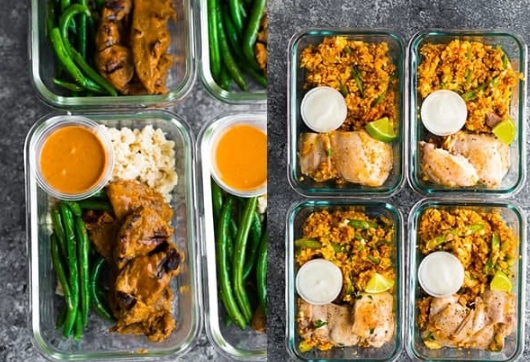
The No-Cook Mason Jar Salad
Layer in this order (bottom to top) to keep things crisp:
1. Dressing (2-3 tbsp).
2. Hard veggies (chopped cucumbers, carrots, cherry tomatoes).
3. Softer veggies or protein (chickpeas, shredded chicken, black beans).
4. Grains (quinoa, couscous).
5. Nuts/seeds/cheese.
6. Greens (spinach, arugula) packed at the very top.
Seal and refrigerate. When ready to eat, shake vigorously and pour into a bowl, or eat right from the jar. This is one of the most versatile lunch prep recipes out there.
The "Buddha Bowl" Formula
This is the component method in a bowl. In your container, add:
- 1 cup leafy greens or grains as a base.
- ½ to 1 cup of your prepped protein.
- 1-2 cups of assorted roasted/raw veggies.
- A generous sprinkle of your flavor boosters (seeds, cheese, avocado).
- Pack dressing on the side.
Hearty Soup or Stew
Make a big pot of soup on Sunday—lentil soup, minestrone, chicken tortilla soup. Portion into individual containers. Soups freeze incredibly well, so make a double batch and freeze half for a future "lazy" prep week. The Harvard T.H. Chan School of Public Health notes the great nutritional profile of lentils, making them a stellar base for a filling, fiber-rich soup.
Deconstructed Wrap or Pita
Instead of making wraps that get soggy, pack all the fillings separately: sliced turkey or hummus, chopped veggies, cheese, and a whole-wheat tortilla or pita pocket. Assemble right before eating. It takes 60 seconds and tastes fresh.
The "Leftovers, Reinvented" Lunch
This is the ultimate easy lunch prep. Made tacos for dinner? Set aside some of the seasoned meat, salsa, and cheese for a taco salad lunch. Made a stir-fry? Pack the extra with some extra rice. Intentionally cook 25% more at dinner, and you've automatically prepped lunch.
See? Not every lunch prep recipe requires starting from zero.
Storage & Reheating: Keeping Your Food Safe and Tasty
This is where many people go wrong. Good containers are a worthwhile investment. I prefer glass containers with locking lids—they don't stain, microwave safely, and are better for the environment.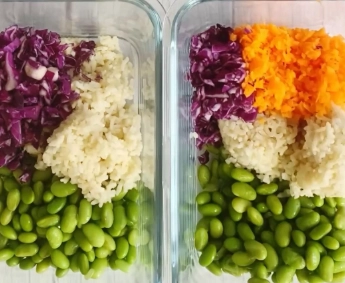
Food Safety is Non-Negotiable: The USDA's basic food safety guidelines are clear: refrigerate prepped food within two hours of cooking. Your prepped lunches should typically be eaten within 3-4 days. If in doubt, smell and look at it. When you're searching for new lunch prep recipes, always consider the ingredient's shelf life once cooked.
Reheating Tips:
- For grains: Sprinkle a few drops of water over rice or quinoa before microwaving to re-steam it and prevent dryness.
- For meats: Reheat on medium power for a longer time to heat evenly without turning them rubbery.
- For veggies: They often taste great cold! If you prefer them warm, reheat them separately or briefly to retain some crunch.
Solving Common Lunch Prep Problems
Let's tackle the hurdles head-on.
Problem: "I get bored by Wednesday."
Solution: This is why the component method is king. You can create different combinations daily. Monday: Chicken salad bowl. Tuesday: Chicken wrap. Wednesday: Chicken and veggie soup (using the shredded chicken and some broth). Same protein, totally different experience. Also, change up your sauces and spices radically from week to week.
Problem: "My food gets soggy/mushy."
Solution: Keep wet and dry components separate. Pack dressings, sauces, and juicy ingredients (like tomatoes) in tiny containers or at the bottom of a jar salad. Don't cut avocado until you're ready to eat. Use sturdy greens like kale or romaine for salads that will hold up.
Problem: "I don't have time to prep on Sunday."
Solution: Who says it has to be Sunday? Prep on whatever day you have an hour. You can also do a "mini-prep" on Wednesday night to get you through the rest of the week. Or, use your downtime while cooking dinner—pop an extra tray of veggies in the oven, or put on a pot of quinoa while you're already in the kitchen.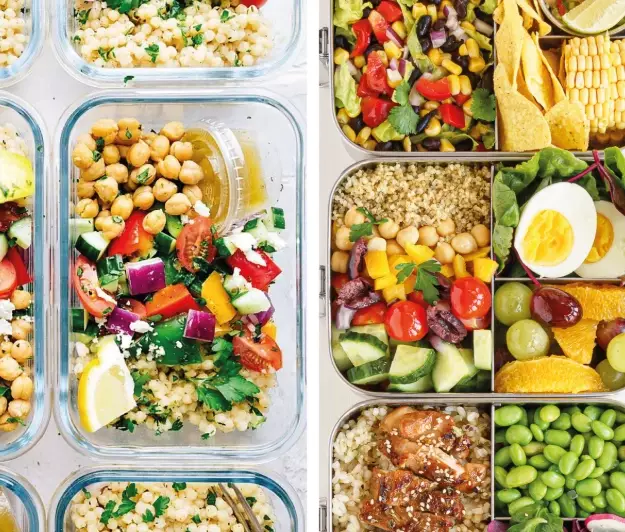
I used to think I needed a 3-hour block. Now, I do 45 minutes while listening to a podcast. It's become part of my routine, not a chore I dread.
Advanced Hacks & Flavor Ideas
Once you've got the basics down, these can elevate your lunch prep recipes.
The Freezer is Your Friend: Soups, stews, chili, cooked bean portions, and even marinated meats freeze beautifully. This is your "emergency stash" for weeks when life gets crazy.
Global Flavors to Prevent Burnout:
- Mediterranean Week: Chicken or chickpeas with lemon-oregano marinade, cucumber-tomato salad, tzatziki, feta, pita.
- Asian-Inspired Week: Teriyaki or ginger-soy baked tofu, steamed broccoli and snap peas, brown rice, sprinkle of sesame seeds.
- Mexican Fiesta Week: Taco-seasoned ground turkey or black beans, corn salsa, cilantro-lime rice, avocado.
Upgrade Your Basics: Cook your grains in broth instead of water for instant flavor. Add a bay leaf or a smashed garlic clove to the pot. Roast your veggies with different spice blends—smoked paprika, cumin, garlic powder, everything bagel seasoning.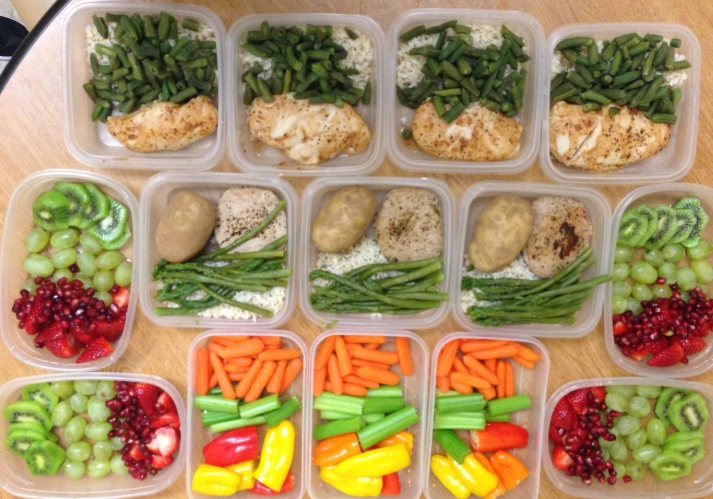
Equipment That Actually Helps (No Fancy Gadgets Needed)
You don't need a kitchen full of single-use appliances. Start with these basics:
| Item | Why It's Useful | A Note from Experience |
|---|---|---|
| Good Chef's Knife | Makes chopping vegetables faster, safer, and less of a chore. | A sharp knife is a game-changer. Dull knives are dangerous and make prep miserable. |
| Large Cutting Board | Gives you ample space to work. | I have one dedicated to onions/garlic and one for everything else to avoid flavor transfer. |
| Rimmed Baking Sheets (Sheet Pans) | For roasting large batches of vegetables or proteins all at once. | Parchment paper or silicone mats make cleanup a 10-second job. |
| Glass Containers with Lids | For storage, transport, and reheating. See-through so you know what's inside. | Invest in a few different sizes. The rectangular ones stack best in the fridge. |
| Large Mixing Bowls | For washing greens, mixing salads, tossing veggies with oil. | Stainless steel or glass are easiest to clean. |
That's truly all you need to start. A slow cooker or instant pot is nice for hands-off protein cooking, but a simple oven and stovetop work perfectly.
Answering Your Lunch Prep Questions
Let's get into some specifics people often wonder about when looking for lunch prep recipes.
Final Thought: The best lunch prep recipe is the one you will actually make and eat. Don't get caught up in what you "should" do. If you love peanut butter sandwiches, prep a week's worth of whole-wheat bread, natural peanut butter, and banana slices. That's a successful prep! It's about consistency over culinary perfection.
So, give it a shot this week. Pick just one or two of the component ideas from above. Cook a little extra dinner. See how it feels to open your fridge and have a good lunch waiting for you, without any last-minute stress. You might just find that mastering a few simple lunch prep recipes is one of the easiest and most rewarding habits you can build for your daily routine.
And remember, it's okay if some weeks you only manage to prep for two days. That's still two days you didn't have to scramble or overspend. It's all progress.
Reader Comments