Quick Navigation
- Why Bother? The Real Payoff of a Prepped Lunch
- The "No-Fail" System for Easy Weekly Prep
- 3 Go-To Easy Meal Prep Lunch Recipes (That Actually Taste Good)
- Tools That Actually Help (And Ones That Don't)
- Storing and Reheating: How to Avoid Soggy, Sad Lunches
- The Mental Game: Solving Common Meal Prep Problems
- Your Easy Meal Prep Lunches Questions, Answered
- Making It Stick: The Final Word
Let's be honest. The idea of spending your precious Sunday afternoon chopping, cooking, and packing feels about as appealing as a root canal. I used to think that too. I'd see those perfect glass containers lined up on Instagram and think, "Who has the time?" or "That looks like a ton of work." Then I'd end up spending $15 on a sad desk salad or eating crackers from the vending machine for the third day in a row.
It's a cycle. You want to eat better, save money, and not waste your lunch break waiting in line. But the hurdle of actually doing the prep feels too high. What if I told you the secret isn't more effort, but a different approach? The goal isn't a five-star culinary spread. The goal is a lunch you actually look forward to that took you less than 90 minutes to make for the whole week.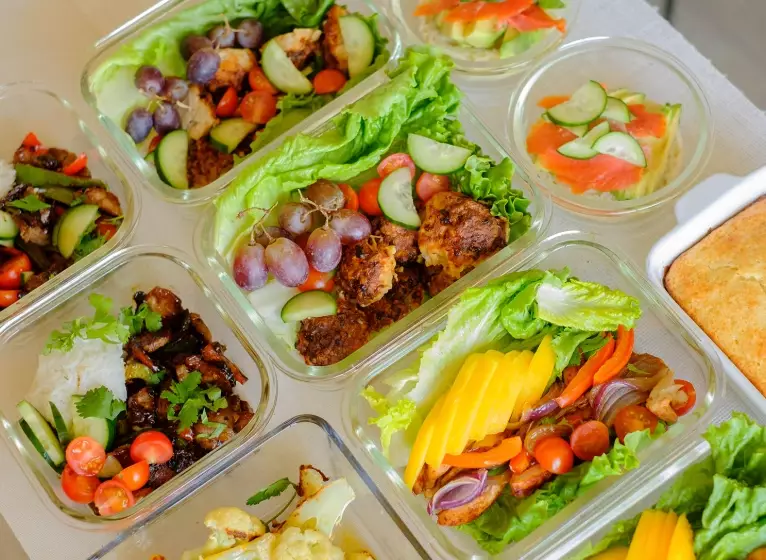
That's what easy meal prep lunches are all about. It's not about perfection; it's about practicality. This guide is going to skip the fancy stuff and give you the real, actionable system that works when you're tired, busy, and just want a decent lunch without the hassle.
Why Bother? The Real Payoff of a Prepped Lunch
Before we dive into the how, let's solidify the why. Because on Sunday at 4 PM, your motivation will waver. Knowing the concrete benefits helps push through.
First, the money. Do the math. A $12 takeout lunch, five days a week, is $240 a month. $2,880 a year. Your meal prep lunches, even with nice ingredients, will likely cost you $4-$6 per serving. The savings are insane. That's a vacation right there.
Then, the time. The 20-minute daily scramble to figure out lunch, the 10-minute walk to the cafe, the wait in line... that adds up to over 2.5 hours a week. A focused 90-minute prep session on the weekend gives you all that time back, plus peace of mind.
Finally, control. You control the salt, the oil, the portions, the ingredients. No more 3 PM sugar crash from that hidden dressing. You feel better, you work better. It's the simplest form of self-care I know.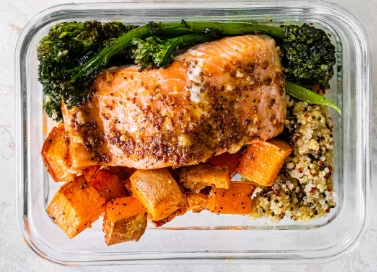
The "No-Fail" System for Easy Weekly Prep
This isn't a rigid plan. It's a flexible framework. Pick and choose what works for you this week.
Step 1: The 10-Minute Game Plan (The Most Important Step)
Don't just wander into the kitchen. Grab a notepad or your phone. Ask yourself:
- What protein do I want? (e.g., a tray of baked chicken thighs, a pot of lentils, a block of baked tofu).
- What carb/base will I use? (e.g., a big batch of quinoa, brown rice, or roasted sweet potatoes).
- What veggies can I roast/steam/eat raw? (e.g., two sheet pans of broccoli and bell peppers, a bag of pre-washed spinach).
- What's my "flavor hero"? (e.g., a zesty lemon-tahini dressing, a jar of pesto, a container of salsa). This is what prevents boredom.
Once you have these four categories, you have infinite combinations. That's the magic formula for truly easy meal prep lunches.
Step 2: Strategic Cooking & Assembly
This is where you leverage your tools. Your oven is your best friend.
Protein: Season your chicken, tofu, or salmon simply (salt, pepper, paprika, garlic powder). Throw it on a parchment-lined sheet pan. For plant-based, a can of chickpeas tossed in oil and spices and roasted until crispy is a game-changer. While that's in the oven for 20-25 minutes, start your grain in a rice cooker or pot.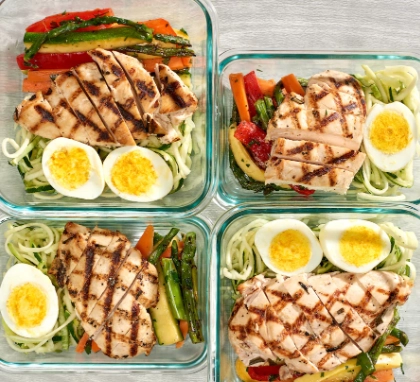
Veggies: Chop your hardy veggies (broccoli, cauliflower, carrots, Brussels sprouts). Toss them in oil, salt, and pepper on a separate sheet pan (or the same one if you're crowding it—it's fine, this isn't a cooking show). Roast everything at once. The high heat brings out sweetness you don't get from steaming.
Assembly: Let everything cool slightly. Now, build your containers. I use the compartment method: grain on one side, protein on another, veggies filling the rest. Keep your sauce/dressing in a separate small container until you're ready to eat. This is the #1 rule to avoid soggy lunches.
That's it. The active time is maybe 30 minutes. The rest is oven time, which is free time for you.
3 Go-To Easy Meal Prep Lunch Recipes (That Actually Taste Good)
Here are my workhorse recipes. They're simple, forgiving, and reheat well.
The Build-Your-Own Bowl Template
This is the ultimate flexible option. Prep the components, mix and match all week.
Components to Prep:
- Protein: 1.5 lbs of chicken breast (sliced, seasoned with taco seasoning, baked), OR 2 cans of black beans (rinsed and seasoned).
- Base: 3 cups of cooked brown rice or cauliflower rice.
- Veggies: 1 large bell pepper (sliced), 1 cup of corn (frozen, thawed), 1 large tomato (diced—pack separately).
- Flavor Heroes: A big container of salsa, a tub of guacamole (portion it out or add lime juice to prevent browning), and plain Greek yogurt or sour cream.
To Assemble: Each morning, grab a container. Add a scoop of rice, a scoop of protein, a handful of peppers and corn. Pack the tomato, salsa, guac, and yogurt in small separate containers. At lunch, dump and mix. It's fresh, crunchy, and never boring.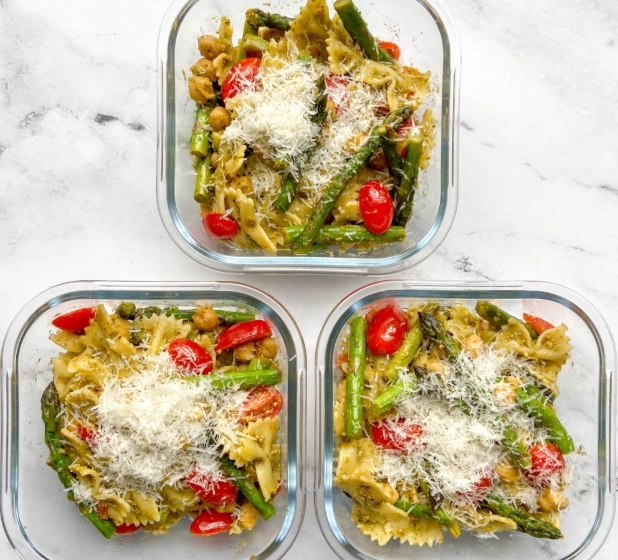
The "No-Cook" Mason Jar Salad
Perfect for when you can't face turning on the stove. The layering technique is key to keeping things crisp.
The Layering Order (from bottom to top):
- Dressing: 2 tablespoons of your favorite vinaigrette.
- Hard Veggies: Chopped cucumbers, cherry tomatoes, bell peppers, red onion.
- Softer Veggies/Beans: Chickpeas, black beans, or kidney beans.
- Grain/Protein (optional): Quinoa, chopped hard-boiled egg, or shredded chicken.
- Greens: Pack the jar full with spinach, romaine, or kale.
- Toppers (add day-of): Nuts, seeds, or croutons in a tiny bag on top.
When ready to eat, just shake the jar vigorously or dump it into a bowl. The dressing coats everything perfectly. It's one of the easiest meal prep lunches for hot days.
The Simple Soup & Sandwich Duo
Don't overlook the classics. Make a big pot of hearty soup on the weekend—it often tastes better by Wednesday.
Soup Idea: Lentil & Vegetable Sauté an onion, carrot, and celery. Add 1 cup of dried brown or green lentils, 6 cups of vegetable or chicken broth, a can of diced tomatoes, and dried thyme. Simmer for 35-40 minutes. Portion into microwave-safe jars.
Sandwich Prep: Instead of making soggy sandwiches ahead, prep the components. Grill or bake a few chicken breasts and slice them. Wash and dry lettuce leaves. Slice tomatoes and cheese. Store each in its own container. Each morning, assembly takes 2 minutes on your favorite bread or wrap. Pair with a jar of soup. Comfort food, sorted.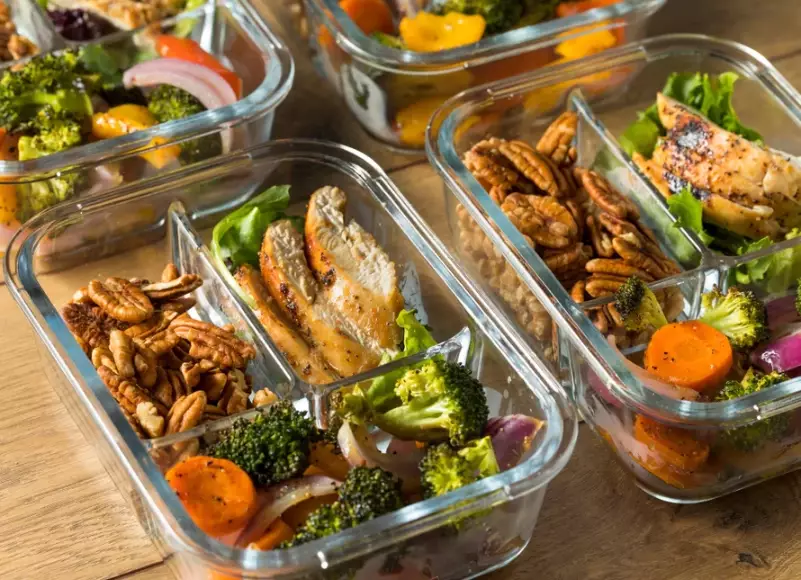
Tools That Actually Help (And Ones That Don't)
You don't need a kitchen full of gadgets. But a few key items make easy lunch prep exponentially simpler.
| Tool | Why It's Worth It | A Good, Affordable Option |
|---|---|---|
| Good Glass Containers | They don't stain, microwave safely, and last forever. The rectangular ones stack best in the fridge. Get ones with a separate compartment or a little sauce cup. | IKEA 365+ or Pyrex sets with plastic lids. |
| Parchment Paper | Zero cleanup for sheet pan cooking. This is non-negotiable for keeping it easy. | Any store brand—it's all the same. |
| A Sharp Chef's Knife | A dull knife is dangerous and makes prep a chore. A single 8-inch chef's knife is all you need. | Victorinox Fibrox Pro (the industry secret). |
| Large Sheet Pans (Half-Sheet) | More surface area means you can cook your protein and veggies at once. Don't use tiny baking sheets. | Restaurant supply stores have them cheap. |
| 1-2 Large Mixing Bowls | For tossing veggies in oil and seasoning. Bigger is better. | Stainless steel bowls from a restaurant supply store. |
Storing and Reheating: How to Avoid Soggy, Sad Lunches
This is where many easy meal prep plans fall apart. You open the container on Tuesday to a mushy, unappetizing mess.
The Golden Rule: Moisture Management. Wet things (dressed salads, saucy items) should be kept separate from dry things (crispy veggies, crackers, bread) until the last second. Use tiny containers, reusable silicone cups, or even just a small piece of cling film to separate components within your main container.
Reheating Tips: For grains and proteins, sprinkle a tiny bit of water over them before microwaving. It reintroduces steam and prevents them from drying out into little pebbles. Cover the container with a damp paper towel for even better results. For roasted veggies, they're often great cold! Don't feel you have to reheat everything.
According to the U.S. Food Safety guidelines, most cooked meal prep lunches will stay safe in the fridge for 3-4 days. That's why I often prep for just Monday-Wednesday, and do a quick Wednesday night refresh for Thursday-Friday. It feels less daunting.
The Mental Game: Solving Common Meal Prep Problems
Okay, the practical stuff is covered. But what about when your brain gets in the way?
Problem: "I get bored by Wednesday."
Solution: This is why the component system and the "flavor hero" are key. On Tuesday night, take five minutes to whip up a different sauce—maybe a peanut sauce or a yogurt-dill mix. Swapping the sauce makes the same chicken and broccoli taste completely new. Also, have a backup frozen meal or soup for that one day you just can't. It's not failure; it's strategy.
Problem: "My food tastes bland."
Solution: You're probably under-seasoning. Salt is not the enemy; it's a flavor enhancer. Don't just sprinkle salt on top at the end. Season your proteins and veggies before they go in the oven. And invest in a few good dried spices—smoked paprika, cumin, garlic powder, onion powder, Italian seasoning. They last forever and add huge flavor with zero effort. A squeeze of fresh lemon or lime juice before eating also works miracles.
Problem: "I don't have a big chunk of time on the weekend."
Solution: Who says you have to prep on Sunday? Maybe Wednesday night is your quiet night. Or, embrace the "mini-prep." Cook a double portion of your dinner on Monday and Tuesday, and pack the leftovers for the next day's lunch. That's still meal prep! The goal is having a plan, not following a specific schedule.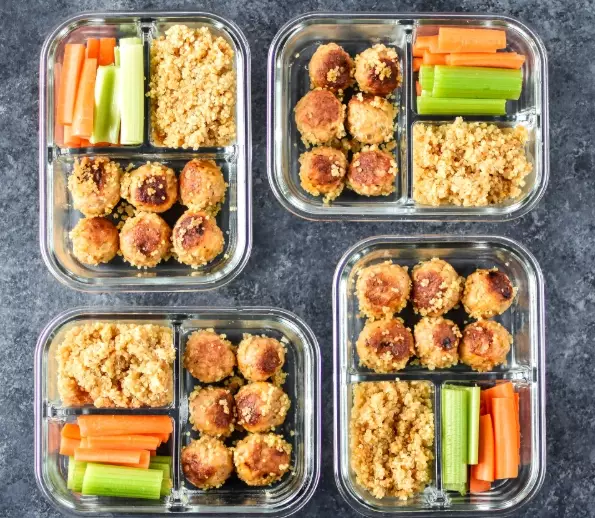
Your Easy Meal Prep Lunches Questions, Answered
Let's tackle some of the specific questions that pop up when you're trying to make this work.
How far in advance can I prep cooked chicken or fish?
Cooked chicken (breast or thigh) holds up beautifully for 3-4 days in the fridge. For fish like salmon or cod, I'd recommend a max of 3 days, as it can develop a stronger smell and drier texture. Always smell your food before you eat it—if it smells off, it probably is.
What are the best veggies for meal prep that won't get soggy?
Hardy, cruciferous veggies are your best friends: broccoli, cauliflower, Brussels sprouts, carrots, and green beans. Roast them! They retain texture better than steaming. For salads, keep dressing separate and avoid pre-cutting watery veggies like cucumbers and zucchini too far in advance. Bell peppers and cherry tomatoes are salad-safe for days.
Is it cheaper to meal prep lunches than to buy them?
Overwhelmingly, yes. Let's break down a simple chicken and rice bowl: Chicken ($5), rice ($0.50), broccoli ($2), sauce ($1). That's about $8.50 for four servings, or just over $2 per lunch. Even the most basic takeout salad is rarely under $10. The savings compound massively over weeks and months. Resources like the MyPlate Healthy Eating on a Budget guide confirm that planning ahead is the number one way to save on food costs.
My containers always leak in my bag. Help!
This is the worst. First, make sure the lid is completely snapped on all around. For extra security, I use a single large rubber band around the circumference of the container. It's low-tech but it works. Also, always transport your containers upright in a dedicated lunch bag or tote, not tossed sideways in a backpack with your laptop.
Making It Stick: The Final Word
The biggest secret to successful easy meal prep lunches isn't a recipe or a container. It's giving yourself permission to keep it stupidly simple. Your lunch doesn't need to be Instagram-worthy. It just needs to be edible, satisfying, and better than the alternative.
Start with one recipe. Just one. Make a big batch of that soup or those bowls. See how it feels. Celebrate the small win of having lunch ready on Monday morning. Then, maybe add another component the next week.
Remember, the resources and science back this up. Planning your meals is consistently linked to better diet quality and healthier weight management, as noted by nutrition research from sources like the Harvard T.H. Chan School of Public Health Nutrition Source. You're not just making lunch; you're building a sustainable, healthy habit.
It gets easier. The chopping gets faster. You learn what you like, you figure out what you don't. You'll find your own shortcuts and hacks. Before you know it, you'll have a repertoire of go-to easy meal prep lunches that work for your life, saving you time, money, and daily decision fatigue. And that's a win worth prepping for.
Reader Comments