Your Fry Reheating Cheat Sheet
- Why the Air Fryer is the Leftover Fry Hero (And the Microwave is the Villain)
- The Foolproof, Step-by-Step Method to Reheat French Fries
- Adjusting for Different Types of Fries (Not All Fries Are Created Equal)
- Pro Tips & Hacks From Someone Who's Done This a Hundred Times
- Answering Your Burning Questions (FAQs)
- The Science Bit & Why It Beats Every Other Method
Let's be honest. We've all been there. You order a giant pile of glorious, golden french fries, your eyes bigger than your stomach. A few hours later, you're staring at a sad, congealed mass in a cardboard container. They're limp. They're soggy. The very idea of eating them cold is depressing, and the microwave turns them into a rubbery, steamy mess.
For years, I considered leftover fries a lost cause. A culinary point of no return. I'd either force them down or, more often, just toss them. It felt wasteful, but the texture was just so off-putting.
Then I got an air fryer.
It wasn't even why I bought it. I wanted crispy chicken wings and roasted veggies. But one night, faced with yet another container of abandoned fast-food fries, I thought, "What's the worst that could happen?" I tossed them in the basket, set a random time and temperature, and hoped for the best.
The result wasn't just good. It was a revelation. The exterior regained a satisfying crunch. The inside stayed (or became) fluffy. It was like 80% of the way back to fresh. That moment changed everything for me and my leftover fries. Now, reheating french fries in the air fryer is my absolute, non-negotiable go-to method.
But here's the thing I learned through a lot of trial and error: you can't just dump them in and hit start. There's a bit of a method to the magic. This guide is everything I wish I knew when I started. We're going deep on why it works, the perfect step-by-step process, how to handle different types of fries, and the little tricks that make a huge difference.
Why the Air Fryer is the Leftover Fry Hero (And the Microwave is the Villain)
To understand how to reheat french fries in an air fryer properly, it helps to know why it works so well. It all comes down to moisture and heat delivery.
A microwave heats food by exciting water molecules. It's great for making things hot quickly, but it's a disaster for crispness. All that steam gets trapped inside the fry, making it soft and soggy from the inside out. It essentially re-steams them. No amount of wishful thinking will give you a crisp result from a microwave.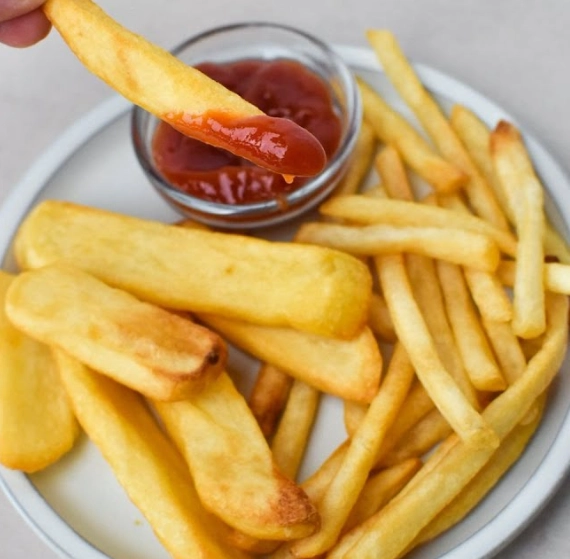
An air fryer, on the other hand, is a concentrated convection oven. A powerful fan circulates super-hot air all around the food. This does two crucial things for our sad, leftover fries:
- It rapidly evaporates surface moisture. That wet, soggy exterior dries out almost immediately, which is the first step to getting crisp.
- It heats the exterior quickly and evenly. The hot air re-crisps the existing outer layer and browns it further, without aggressively steaming the interior.
The goal isn't to "cook" the fry again—it's already cooked. The goal is to remove unwanted moisture from the surface and re-apply intense, dry heat to restore texture. That's the core principle of how to reheat fries in air fryer successfully.
The Foolproof, Step-by-Step Method to Reheat French Fries
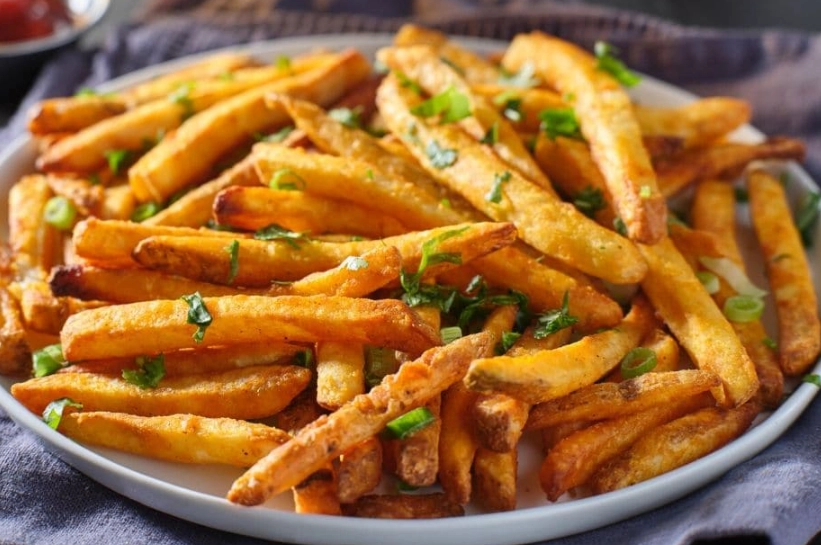
This is the baseline method that works for most standard, thin-cut fries (think McDonald's, Burger King, diner-style fries). Follow this, and you'll get great results 95% of the time.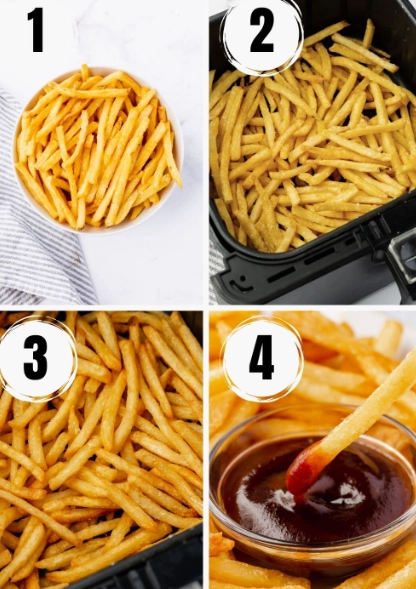
Step 1: Preheat is Non-Negotiable
I know, I know. It's tempting to skip this. You're hungry, you want fries now. But trust me, this is the single most common mistake people make. A cold air fryer basket throws your fries into a warm, then hot, environment. That gradual heating can lead to uneven results and more moisture retention.
Set your air fryer to 375°F (190°C) and let it run for 3-4 minutes. This gets the basket and the air inside screaming hot, so your fries start crisping the moment they hit the surface.
Just do it.
Step 2: Prep Your Fries – Don't Just Dump!
While the air fryer is preheating, take your fries out of the fridge. Let them sit on the counter for a minute. You don't want them stone-cold. Give them a quick look. Are they all stuck together in a big clump? Gently break them apart.
Here's a pro move: if they seem particularly greasy or damp, pat them very gently with a paper towel. You're not trying to dehydrate them, just blot excess surface oil or condensation. Don't go crazy.
Step 3: The Basket Layout – Space is Your Friend
This is critical. Do not, under any circumstances, pile the fries in a heap. You need a single layer with space between them. Crowding is the enemy of crispness. The hot air needs to circulate around each fry, hitting all surfaces. If they're piled on top of each other, they'll steam and become mushy where they touch.
If you have a lot of fries, reheat them in batches. It's worth the extra few minutes. I promise.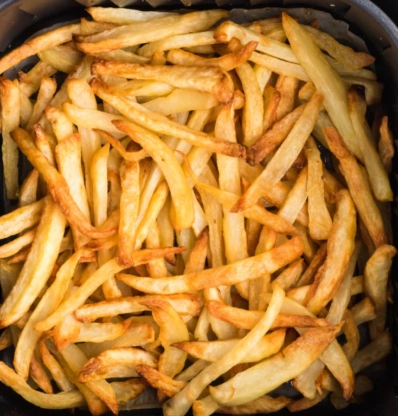
Step 4: Time and Temperature – The Golden Rule
For standard thin fries: 375°F (190°C) for 3-5 minutes.
Yes, it's that fast. The magic number is usually around the 4-minute mark for me. The high heat works quickly. Set a timer for 3 minutes, then check. Shake the basket or use tongs to flip/toss them. Check for crispness. Need more? Go in 1-minute increments. They can go from perfect to overdone and dry surprisingly fast, so don't wander off.
Step 5: The Immediate Serve
As soon as they're done, dump them onto a plate. Don't let them sit in the hot basket, as they can continue to cook and dry out from the residual heat. Hit them with a tiny pinch of salt if they need it (they often lose a bit of seasoning). Eat immediately. This is not a "let them rest" situation. Crispiness has a short half-life.
Adjusting for Different Types of Fries (Not All Fries Are Created Equal)
You can't use the same settings for a delicate shoestring fry and a massive, beer-battered wedge. Here’s a breakdown. Think of this as your cheat sheet.
| Type of French Fry | Recommended Temp | Recommended Time | Special Notes & Tips |
|---|---|---|---|
| Fast Food / Thin Cut (McDonald's, Wendy's) |
375°F (190°C) | 3-5 minutes | The standard. Watch closely after 3 mins. They reheat beautifully. |
| Steak Fries / Wedges (Thicker, potato-wedge style) |
360°F (182°C) | 5-8 minutes | Lower and slower. They're denser. You might need to shake/flip halfway. |
| Curly Fries / Waffle Fries | 370°F (188°C) | 4-6 minutes | Nooks and crannies hold heat. Be gentle when shaking to avoid breakage. |
| Homemade Oven Fries (Typically less oily) |
380°F (193°C) | 4-6 minutes | They can dry out faster. A very light spritz of oil can help. |
| Frozen Fries (Cooked & Leftover) (You cooked a bag, have leftovers) |
400°F (205°C) | 3-4 minutes | They were par-cooked, so you're just finishing. High heat works. |
| Sweet Potato Fries | 350°F (177°C) | 4-5 minutes | They burn easier. Lower temp is safer. Check early and often. |
Pro Tips & Hacks From Someone Who's Done This a Hundred Times
Okay, you've got the basics down. These are the next-level tricks that take your reheated fries from "good" to "how are these leftovers?"
- The Damp Paper Towel Trick (For Very Dry Fries): Did your fries sit in the fridge for two days and look a bit shriveled? Place a single, lightly dampened paper towel over the fries in the basket for the first 90 seconds of cooking. This introduces a tiny burst of steam that can help re-plump the interior slightly, then you remove it to let the exterior crisp. Use sparingly.
- To Oil or Not to Oil? Generally, no. Most restaurant fries have plenty of oil already in them. Adding more can make them greasy. The exception is homemade baked fries or fries that look extremely dry. In that case, a one-second spritz of avocado or canola oil over the top before heating can help conduct heat and promote browning.
- The Shake vs. The Toss: Most air fryer recipes say "shake the basket." For delicate, already-cooked fries, I find a gentle toss with silicone-tipped tongs is better. It gives you more control and prevents breakage, especially with curly or waffle fries.
- Reheating Loaded Fries (Cheese, Chili, etc.): This is a challenge. The toppings will melt/burn before the fries crisp. Your best bet is to reheat the plain fries first until almost perfect, then quickly add a small amount of fresh cheese on top and run the air fryer for just 30-60 seconds to melt it. Reheating pre-cheesed fries is usually a messy loss.
Answering Your Burning Questions (FAQs)
The Science Bit & Why It Beats Every Other Method
Let's quickly rank the common methods so you know why the air fryer is king.
- Air Fryer (The Champion): Fast, efficient dry heat. Restores crispness best. Winner.
- Conventional Oven: Can work well but takes much longer (10-15 mins with preheat). Often dries out fries more because of the longer exposure to heat. Uses more energy for a small batch.
- Toaster Oven: A decent second place, especially if it has a convection setting. Similar to a mini-oven but faster than a full-sized one.
- Skillet/Stovetop: Actually can produce good crispness if you use a little oil, but it's hands-on, can be uneven, and often makes them greasier.
- Microwave (The Last Resort): Only use if you have no other option and texture doesn't matter to you. It will make them hot and soft.
The physics are simple. Crispness requires moisture removal from the food's surface. The air fryer's rapid air circulation maximizes evaporation rate while applying direct radiant heat from the heating element. It's a one-two punch that other appliances can't replicate as efficiently for small, crispy items. Publications like Consumer Reports have noted the air fryer's superiority for reheating fried foods due to this concentrated convection effect.
So, the next time you have a container of fries staring back at you from the fridge, don't sigh in resignation. Grab your air fryer. In less than five minutes, you can have a plate of hot, satisfyingly crispy fries that defy their leftover status. It's a small kitchen victory that never gets old.
Give it a try tonight. You might just stop throwing those fries away for good.
Reader Comments