What’s Inside
- The Core Blueprint: Building Your Casserole from the Ground Up
- The Recipe: A Foolproof, Flexible Master Recipe
- Taking Your Casserole to the Next Level: Swaps, Hacks, and Healthy Twists
- The Art of the Make-Ahead Chicken Veggie Casserole
- Troubleshooting: Fixing Common Casserole Catastrophes
- Beyond the Basics: Creative Chicken Veggie Casserole Ideas
- Storing and Reheating Like a Pro
Let's be honest. Some days, the thought of putting together a whole dinner from scratch feels like climbing a mountain. You want something hearty, something that'll please pretty much everyone at the table, and something that won't have you chained to the stove for hours. That's where the humble, glorious chicken veggie casserole comes in.
It's the culinary equivalent of a warm hug. Tender chicken, colorful vegetables, a creamy or saucy binder, and a crispy, cheesy topping—all baked together in one dish. It's the definition of comfort food, but it doesn't have to be a guilty pleasure. Done right, a chicken and vegetable casserole is a brilliantly balanced meal.
But here's the thing. For something that seems so simple, there are a million ways to mess it up. A soggy bottom. Dry chicken. Bland flavor. A topping that's burnt in some spots and pale in others. I've made all those mistakes, trust me. I once added so much soup that my casserole turned into a chicken veggie soup with a breadcrumb crust. Not ideal.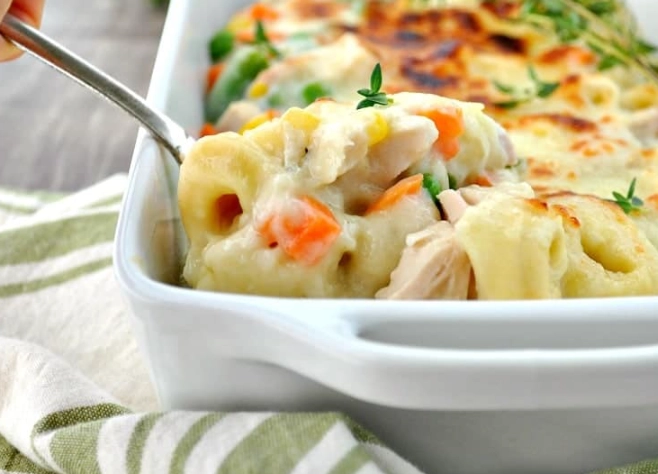
So whether you're a casserole newbie looking for a foolproof recipe or a seasoned pro wanting to mix things up, this is your one-stop shop. We're going beyond just a list of ingredients. We'll talk about the why behind the steps, how to customize it for your diet, how to make it ahead of time, and how to fix it if things go sideways. Let's get into it.
The Core Blueprint: Building Your Casserole from the Ground Up
Think of a great chicken veggie casserole as having four key layers. Get these right, and you're golden.
The Protein: Your Chicken Choices
You've got options here, and the best one depends on your time and goals.
- Rotisserie Chicken: The ultimate shortcut. It's cooked, flavorful, and shreds easily. This is my go-to for a 30-minute weeknight dinner. Just be mindful of the seasoning—some store-bought birds are very salty.
- Boneless, Skinless Thighs or Breasts: Cooking your own gives you control. Thighs are more forgiving and stay juicier during baking, which is a big plus. Breasts are leaner but can dry out if overcooked. I prefer to cube and quickly pan-sear them before adding to the casserole. It adds a ton of flavor.
- Leftover Chicken: Last night's roasted chicken or grilled breasts? Perfect. This is what the chicken veggie casserole was made for.

How much? Plan for about 1.5 to 2 cups of chopped or shredded cooked chicken for a standard 9x13 inch dish.
The Vegetable Medley: Color, Texture, and Flavor
This is where you can really make the dish your own. The goal is a mix that cooks evenly and offers different textures.
Prep Needed
Flavor/Texture Note
Best For...
Chop into bite-sized pieces
Holds shape, earthy flavor
Classic casseroles, needs brief blanching if you dislike raw crunch
Same as broccoli
Milder, soaks up sauce well
Low-carb versions, pairing with cheese sauce
Dice
Sweetness, color pop
Adding sweetness without sugar
Slice or half-moons, 1/2-inch thick
Can get watery
Summer casseroles, salt and drain slices first
Slice or quarter
Savory, umami boost
Adding meaty depth, sauté before adding
Rough chop (kale), whole (baby spinach)
Wilts dramatically, adds nutrients
Stirring in raw at the end of mixing—it wilts while baking
Thaw and drain
Ultra-convenient, consistent
The ultimate time-saver, no chopping needed
A pro tip? If you're using harder veggies like carrots or potatoes, give them a head start. Parboil them for 5-7 minutes so they're tender by the time the casserole is done. Nothing worse than a crunchy carrot in a soft bake.
The Binder: What Holds It All Together
This is the sauce. It's what turns separate ingredients into a cohesive dish.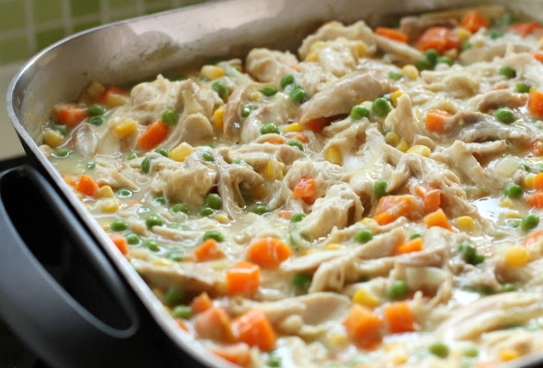
Homemade White Sauce (Béchamel): It sounds fancy, but it's just butter, flour, and milk. Melt 3 tbsp butter, whisk in 3 tbsp flour, cook for a minute, then slowly whisk in 2 cups of milk (or half milk, half chicken broth). Season well. This is your blank canvas—add cheese, mustard, herbs. The flavor is cleaner and you control the salt.
The "Lighter" Binders: For a healthier chicken veggie casserole, try plain Greek yogurt thinned with a bit of broth, or a puree of cottage cheese and a splash of lemon juice. They add creaminess and protein without the heaviness of a roux-based sauce.
The Topping: The Grand Finale
This is what gives you that satisfying contrast.
- Buttered Breadcrumbs or Panko: The classic. Toss 1 cup of breadcrumbs with 3-4 tbsp of melted butter and maybe some garlic powder. Panko gives an extra-crispy, airy crunch.
- Shredded Cheese: Often mixed with the breadcrumbs or layered on top of the sauce before baking. A mix of cheddar (for flavor) and mozzarella (for stretch) works wonders.
- Crushed Crackers or Potato Chips: A family favorite. Crush Ritz crackers or even plain potato chips for a salty, buttery, incredibly crunchy top. Don't knock it till you've tried it.
- Biscuit or Dumpling Dough: For a pot-pie style chicken and vegetable casserole, drop spoonfuls of biscuit dough on top before baking.
The Recipe: A Foolproof, Flexible Master Recipe
Alright, let's put it all together. This is my base recipe. It's forgiving. It works.
What You'll Need:
- For the Filling:
- 2 cups cooked, shredded chicken (rotisserie is perfect)
- 4 cups mixed vegetables (e.g., 2 cups broccoli florets, 1 cup diced bell pepper, 1 cup sliced mushrooms—sautéed)
- 1 can (10.5 oz) cream of chicken soup OR the homemade white sauce from above
- 1/2 cup milk or chicken broth
- 1 cup shredded cheddar cheese (divided)
- 1 tsp garlic powder
- 1/2 tsp onion powder
- Salt and black pepper to taste
- For the Topping:
- 1 cup panko breadcrumbs
- 3 tbsp butter, melted
- 1/4 cup grated Parmesan cheese
- 1 tbsp chopped fresh parsley (optional)
The Method:
- Heat your oven to 375°F (190°C). Grease a 9x13 inch baking dish. Don't skip the greasing.
- In a large bowl, mix the chicken, veggies, soup (or sauce), milk/broth, 1/2 cup of the cheddar cheese, and all the seasonings. Stir until everything is well coated. Taste it! Does it need more pepper? A pinch of salt? Adjust now.
- Pour this mixture into your prepared dish and spread it evenly.
- Sprinkle the remaining 1/2 cup of cheddar cheese over the top.
- In a small bowl, mix the panko, melted butter, Parmesan, and parsley. Sprinkle this evenly over the cheese layer.
- Bake, uncovered, for 25-30 minutes. You're looking for the filling to be bubbly around the edges and the topping to be a deep golden brown. If the top is browning too fast, loosely tent it with foil.
- Take it out and let it sit for 5-10 minutes before serving. This is crucial—it lets the sauce thicken up a bit so you get perfect slices, not a runny mess.
Taking Your Casserole to the Next Level: Swaps, Hacks, and Healthy Twists
Got the basics down? Let's play.
Flavor Bomb Add-Ins
A plain chicken veggie casserole is good. One with these is memorable.
- A tablespoon of Dijon mustard or whole grain mustard whisked into the sauce.
- A few dashes of hot sauce or a pinch of smoked paprika.
- A handful of sun-dried tomatoes (oil-packed, chopped).
- Fresh herbs like thyme, rosemary, or dill. Dried work too, but use half the amount.
- A squeeze of fresh lemon juice at the end to brighten everything up.
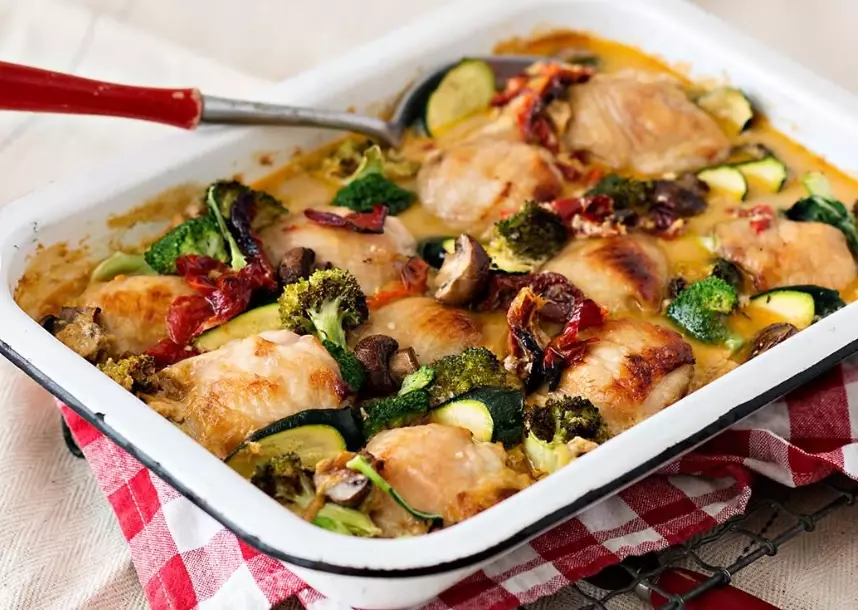
Diet-Friendly Customizations
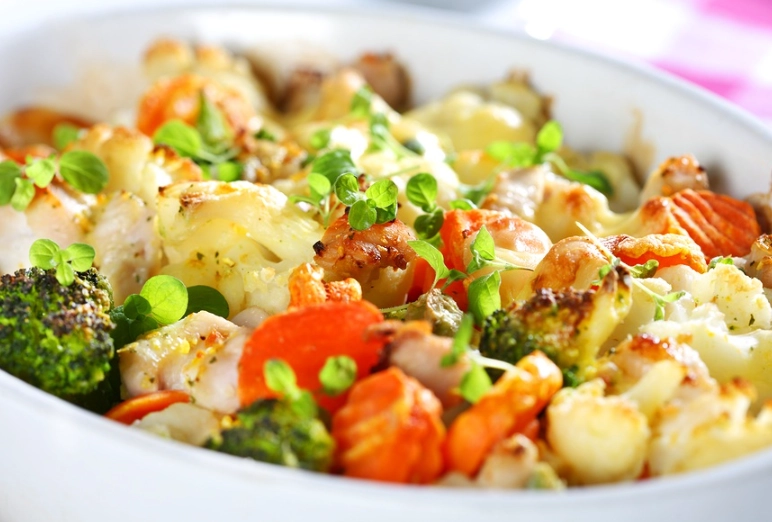
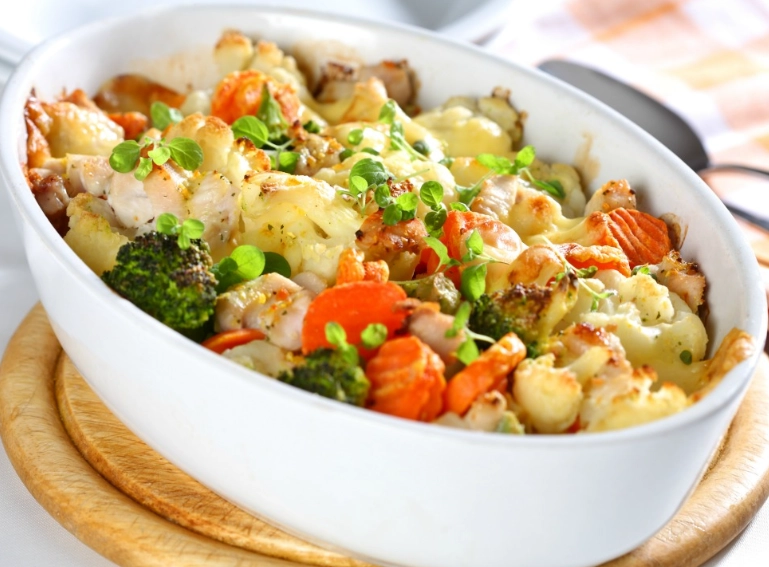
For Lower Carbs: Skip starchy veggies like corn and peas. Load up on broccoli, cauliflower, zucchini, and spinach. Use a sauce based on cream cheese and broth instead of a flour-thickened one. A cheesy cauliflower mash can even act as both binder and topping!
For Gluten-Free: Use cornstarch or a gluten-free flour blend to make your white sauce. Ensure your cream soup is a GF brand. For topping, use gluten-free breadcrumbs, crushed gluten-free crackers, or just extra cheese and nuts.
For Dairy-Free: Use a dairy-free cream soup alternative or a sauce made with olive oil, flour, and unsweetened plant-based milk (oat milk works great). Nutritional yeast can add a cheesy flavor to the topping instead of Parmesan.
For authoritative guidance on constructing balanced meals, resources like Harvard T.H. Chan School of Public Health's Healthy Eating Plate provide a great visual framework that aligns perfectly with the protein-veggie-grain balance of a good casserole.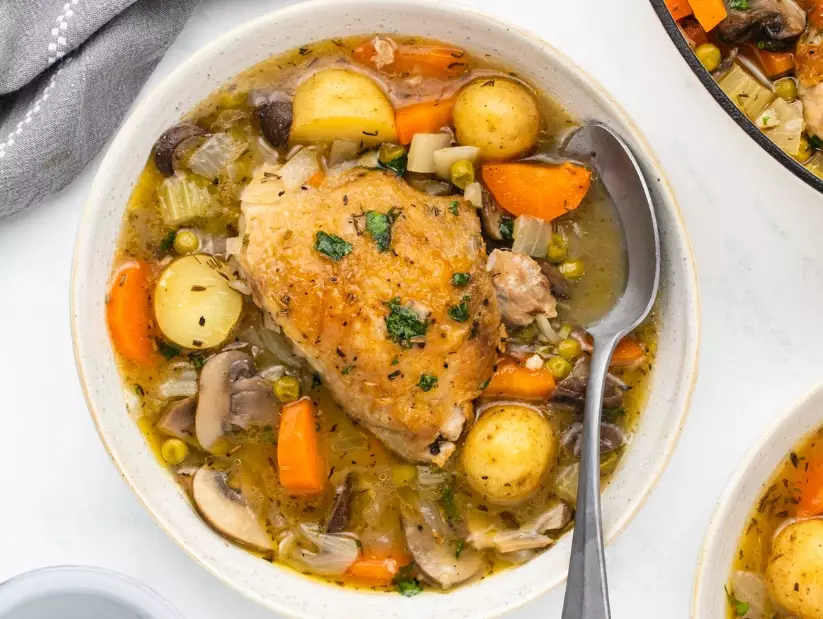
The Art of the Make-Ahead Chicken Veggie Casserole
This is where the casserole truly shines as a lifesaver.
Assemble and Refrigerate: You can put the whole thing together (minus the dry breadcrumb topping—store that separately in a bag) up to 24 hours in advance. Cover tightly and fridge it. When ready to bake, add the topping and pop it in the oven. You might need to add 5-10 minutes to the baking time since it's starting from cold.
Freeze for Later: For a true freezer meal, assemble in a freezer-safe dish (or even a disposable aluminum pan). Wrap it tightly in plastic wrap, then foil. Freeze for up to 3 months. Thaw in the fridge overnight before baking as directed. I always label mine with the date and contents—"Chicken Broccoli Casserole, add breadcrumbs"—because future you will be grateful.
Troubleshooting: Fixing Common Casserole Catastrophes
Beyond the Basics: Creative Chicken Veggie Casserole Ideas
Stuck in a rut? Try one of these themed spins.
Tex-Mex Fiesta: Use chicken seasoned with taco spices, black beans, corn, diced tomatoes with green chiles, and a sauce of salsa mixed with cream cheese. Top with crushed tortilla chips and Monterey Jack cheese.
Mediterranean Twist: Use chicken, artichoke hearts, spinach, sun-dried tomatoes, and kalamata olives. Bind with a mix of Greek yogurt, feta cheese, and lemon zest. Top with panko mixed with dried oregano.
Everything Bagel: This is a fun one. Use your standard chicken and veggie mix, but stir everything bagel seasoning into the sauce and the breadcrumb topping. Trust me on this.
Storing and Reheating Like a Pro
Leftovers are a feature, not a bug.
Let the baked casserole cool completely, then cover tightly or transfer to airtight containers. It'll keep in the fridge for 3-4 days. To reheat, the microwave is fine for a quick portion, but to restore some crispness to the topping, use an oven or toaster oven at 350°F until heated through. You can even reheat individual portions in a skillet with a lid for a few minutes—the bottom gets a little crispy, which is delicious.
For long-term food safety standards, always refer to guidelines from authorities like the USDA Food Safety and Inspection Service.
And there you have it.
From the simple weeknight dinner to the impressive potluck contribution, the chicken veggie casserole is a tool every home cook should have in their arsenal. It's adaptable, forgiving, and deeply satisfying. The next time you're staring into the fridge wondering what to make, remember: chicken + veggies + sauce + topping = a surefire win. Don't overthink it. Just start chopping, mixing, and baking. Your future self, sitting down to a hot, homemade meal with minimal cleanup, will thank you.
Now, go preheat that oven.
Reader Comments