Let's be honest. The idea of spending your Sunday afternoon chopping vegetables and portioning out chicken breasts doesn't exactly scream "fun." I used to think meal prep was for fitness fanatics with too much time on their hands. My fridge was a graveyard of good intentions—soggy lettuce, forgotten leftovers, and that mysterious container from two weeks ago. Sound familiar?
Then I hit a wall. Between work, life, and everything else, I was either spending a fortune on takeout or eating cereal for dinner. Again. Something had to give.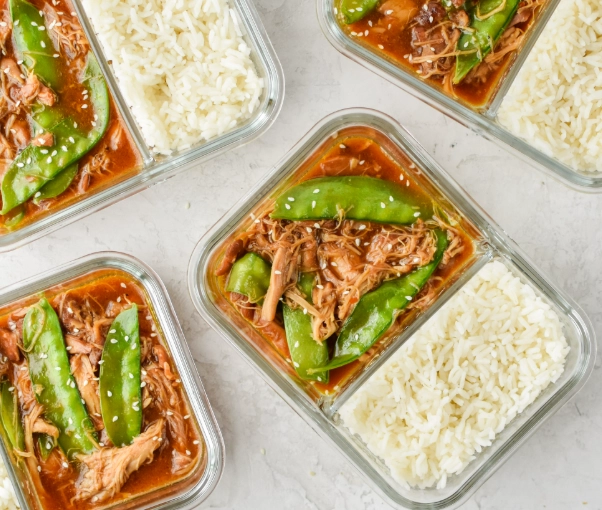
Your Quick Navigation
- Why Bother? The Tangible Benefits Beyond the Hype
- Your Blueprint: How to Plan Without Overwhelm
- The Step-by-Step Sunday (or Any Day) Process
- Recipes That Actually Work for Meal Prep
- Storing and Reheating: Keeping Food Fresh and Safe
- Answering Your Biggest Meal Prep Questions
- Making It Stick: The Long-Term Mindset
So, what is great meal prep really about? It's not a punishment. It's a simple system to take back control of your time, your health, and your wallet. It's the difference between staring into the abyss of an empty fridge at 7 PM and knowing you have a healthy, tasty meal ready in ten minutes.
The core of a great meal prep strategy is flexibility, not rigidity. It's about making your life easier, not creating another chore. Forget the all-or-nothing approach. If you prep three lunches, that's a win. If you just cook a big batch of quinoa and roast some veggies, that's a win too.
Why Bother? The Tangible Benefits Beyond the Hype
Everyone talks about saving time and money, but let's get specific. What does that actually look like in your real life?
First, the mental load. The daily question of "what's for dinner?" is a genuine source of stress. Deciding is often harder than doing. Great meal prep eliminates that decision fatigue. You've already decided. On Monday, you're having the chili. Done. That little bit of brain space you free up? Priceless.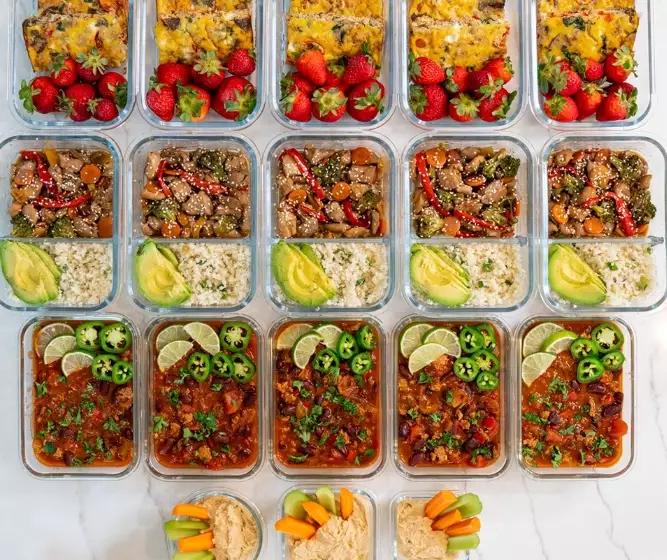
Money. Oh, the money. I started tracking it. The week before I began prepping, I spent $78 on lunches alone—coffee shop sandwiches, salads, the occasional "treat" that added up. The first week of prepping? My grocery bill for lunches and dinners increased by $45, but I spent zero on impulse lunch buys. That's a net saving of $33 in one week. Over a month, that's real cash.
Then there's health. This is the big one, and it's subtle. When a healthy choice is the easiest choice, you make it. Every time. You're not fighting willpower after a long day. The healthy prepped meal is right there, and the alternative is spending 40 minutes cooking or ordering delivery. The prepped meal wins.
But here's a negative I found: it can get boring. If you make five identical containers of plain chicken breast and broccoli, you will hate meal prep by Wednesday. This is where most people fail. A truly great meal prep plan builds in variety and flavor.
Your Blueprint: How to Plan Without Overwhelm
Planning is the make-or-break step. Jump in without a plan, and you'll end up with random ingredients that don't make a meal. The goal is a cohesive plan, not a novel.
Start small. Seriously. Don't try to prep breakfast, lunch, dinner, and snacks for a family of four on your first go. Aim for your biggest pain point. Is it weekday lunches? Start there. Is it the dreaded "witching hour" when everyone's hungry and you have no dinner plan? Prep two dinners.
Ask yourself: What do I actually like to eat? This seems obvious, but we often prep what we think we *should* eat, not what we crave. If you love Mexican flavors, build your week around those. Like comfort food? Find healthier ways to prep it.
I use a simple template. I look at my week's calendar. Tuesday night is late, so I need a dinner that reheats well. Thursday is crazy, so maybe that's a slow-cooker meal. I jot down 2-3 dinner ideas and 1-2 lunch ideas. Then, I build a grocery list directly from those recipes.
Batch cooking versus ingredient prep. This is a crucial distinction. Batch cooking is making full meals (like a stew or casserole). Ingredient prep is pre-chopping onions, cooking grains, marinating proteins. For a truly flexible and great meal prep system, I recommend 70% ingredient prep, 30% full meals. This lets you mix and match during the week.
The Essential Gear (You Don't Need Much)
You can spend hundreds on containers, but you don't need to. Here's what I actually use daily.
- Glass containers with locking lids: They don't stain, microwave safely, and last forever. I have a mix of sizes—small for snacks/sides, large for salads/entrees. The locking mechanism is key to avoiding leaks.
- A good chef's knife: One sharp knife will save you more time than any gadget. A dull knife is dangerous and makes prep a chore.
- Large sheet pans: For roasting vegetables. Lining them with parchment paper makes cleanup a 10-second job.
- A big pot or Dutch oven: For soups, stews, and boiling grains.
What about those fancy meal prep containers with dividers? Personally, I find them limiting. Sauces always run into other compartments. I prefer separate small containers for dressings and sauces.
The Step-by-Step Sunday (or Any Day) Process
Here's my typical flow. It takes 2-3 hours, but I'm not actively working the whole time.
1. The Setup (15 mins): Clear the counters. Put on some music or a podcast. Take out all the containers, knives, cutting boards. Get the groceries out. This mental shift is important—you're entering "prep mode."
2. The Oven First (Strategic): Preheat your oven. Oven tasks are mostly hands-off. While it heats, wash and chop your hardest vegetables—sweet potatoes, carrots, broccoli, cauliflower. Toss them in oil, salt, and pepper, and get them roasting. That's 30-40 minutes where you can do other things.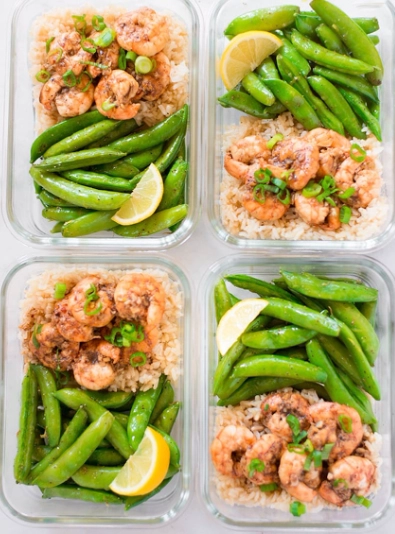
3. The Stovetop Symphony: While the veggies roast, start your grains. Quinoa, rice, farro—get them simmering. Then, move to the protein. Brown some ground turkey for a pasta sauce or chili. Sear some chicken thighs. The key is to use every burner and appliance efficiently.
4. The Assembly Line: Once components are cooked and cooled a bit, start assembling. This is where a great meal prep session comes together. I lay out my containers and fill them. For lunches: grain base, roasted veggies, protein. For dinners: I might leave components separate to be combined later.
Clean as you go. It's the only way. When the sheet pan comes out of the oven, wash it while it's still warm (easier to clean). Put ingredients away as you finish with them.
Recipes That Actually Work for Meal Prep
The holy grail of meal prep recipes has three qualities: 1) They reheat well. 2) They taste good days later. 3) They are simple to make in bulk.
Here are my go-to categories and specific ideas that have never let me down.
Lunch Champions
- Grain Bowls: Endlessly customizable. Base (quinoa, brown rice), protein (chickpeas, shredded chicken, tofu), lots of veggies, a killer sauce. Keep the sauce separate until you eat.
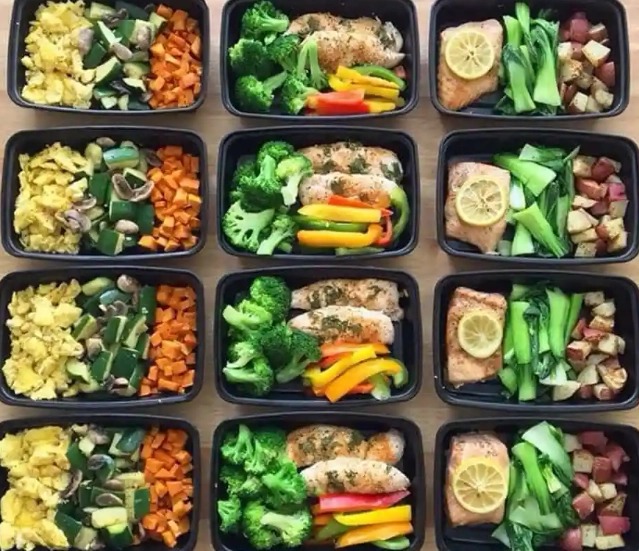
- Hearty Salads: Use sturdy greens like kale or shredded Brussels sprouts. Add roasted sweet potato, a grain, a protein, and a vinaigrette. They won't wilt.
- Soup/Stew: The ultimate great meal prep food. Make a huge pot, portion it out. It often tastes better a day or two later.
Dinner Heroes
- Marinated & Ready Proteins: On prep day, I'll put chicken breasts or fish fillets in a zip-top bag with a marinade. They sit in the fridge, and all I have to do on Tuesday is throw them in the oven or on a pan.
- Component-Based Meals: Prep taco "components"—seasoned ground meat, chopped toppings, salsa. On taco night, just heat and assemble. Same for pasta (sauce pre-made), stir-fry (veggies chopped, sauce mixed).
Here’s a sample of what a simple, varied prep week could look like:
| Meal Component | Prep Day Task | How It's Used During the Week |
|---|---|---|
| Chicken Thighs | Roast with spices | Lunch bowls, chopped into salads, dinner with sides |
| Quinoa | Cook 2 cups dry | Base for grain bowls, side for dinners, breakfast "porridge" |
| Roasted Veggies (Broccoli, Bell Peppers) | Chop & roast on sheet pans | Added to lunches, quick side dish, omelette filling |
| Black Beans | Cook from dry or use canned (rinse) | Bean bowls, added to salads, quick burritos |
| Lemon-Tahini Dressing | Whisk together in a jar | Dressing for grain bowls and salads, sauce for veggies |
See? With just those five components, you can mix and match into a dozen different meals. That's the power of a great meal prep system.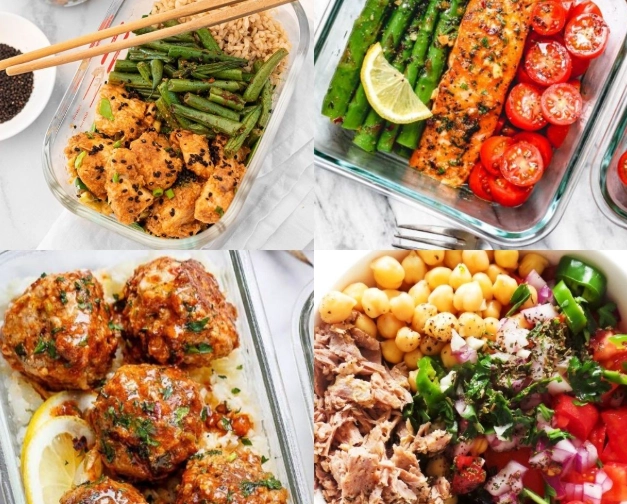
Storing and Reheating: Keeping Food Fresh and Safe
This is where people get tripped up. You did all that work, only to find soggy, weird-textured food later.
The Container Strategy: Use clear containers so you can see what's inside. Label them with the date if you're forgetful. Store dressings and wet sauces in separate small containers or jars. For things you'll eat in the first 3 days, the fridge is fine. For anything later, freeze it immediately. Soups, stews, and cooked meats freeze beautifully.
The Reheat Hack: For anything with a crispy element (like roasted veggies or chicken skin), reheat in a toaster oven or air fryer, not the microwave. The microwave is great for soups and saucy things. Add a splash of water to grains before reheating to prevent dryness.
According to the Academy of Nutrition and Dietetics, most cooked leftovers are safe in the fridge for 3-4 days. When in doubt, smell and look. If it's off, toss it. Don't risk it.
Answering Your Biggest Meal Prep Questions
How do I keep from getting bored?
This is the number one question. The answer: sauces and global flavors. That same batch of chicken and rice can be Mexican (with salsa, avocado, lime), Mediterranean (with tzatziki, olives, cucumber), or Asian (with a ginger-soy glaze, scallions). Prep a couple of different sauces on your prep day. They change everything.
My food tastes bland by Thursday. What gives?
Underseasoning. Be generous with salt, pepper, herbs, and spices during the initial cooking. Acid is your friend—a squeeze of fresh lemon or lime juice just before eating can revive a dish.
I'm only cooking for one. Isn't this wasteful?
Actually, it's the opposite! It prevents waste. Portion things out and freeze half immediately. A single person can benefit the most from having healthy, single-serving meals ready to go.
What if my family hates "leftovers"?
Reframe it. Don't call it leftovers. Call it "pre-made dinner." Use the component approach so they can build their own plates. The familiarity of taco night or pasta night, made faster with prepped components, is usually a win.
Help! I don't have a big block of time to prep!
No problem. Try "mini-prep." Wash and chop veggies while dinner is cooking on Wednesday night. Cook a double batch of tonight's dinner and pack the extra for lunch. Slow cookers and Instant Pots are great for "hands-off" prep while you do other things. For more science-backed strategies on efficient meal planning, resources from institutions like The Nutrition Source at Harvard can offer valuable insights.
Making It Stick: The Long-Term Mindset
Great meal prep isn't a one-week project. It's a habit. And habits form through consistency, not perfection.
Start by scheduling it. Put "meal prep" on your calendar for a 2-hour block. Treat it like an appointment. After a few weeks, it becomes routine.
Track what works and what doesn't. Keep a note on your phone. "Loved the chili, hated the soggy zucchini noodles. Try spiralizing fresh next time." This turns each session into a learning experience.
Finally, give yourself grace. The goal is to make your life better, not to become a meal prep robot. Some weeks you'll nail it. Some weeks you'll do a "bare minimum" prep of just hard-boiled eggs and chopped fruit. Both are wins. Both contribute to a healthier, less stressful relationship with food.
The true mark of a great meal prep routine is that it feels effortless. It's just something you do, like brushing your teeth. It quietly supports your health and sanity in the background. And when you open your fridge on a Wednesday to see healthy, delicious options staring back at you, you'll realize it was worth every minute of that Sunday afternoon.
So, what's your first step? Maybe it's just planning two lunches for next week. Or prepping a big batch of one thing you love. Don't overthink it. Just start. Your future, less-stressed, healthier, richer self will thank you.
Reader Comments