Quick Navigation
- Why Bother with Meal Prep Burritos? (Beyond the Obvious)
- The Foundation: What You Actually Need to Get Started
- The Step-by-Step Process: No More Soggy, Leaky Burritos
- Freezing vs. Refrigerating: A Strategic Choice
- The Art of the Perfect Reheat
- Answering Your Burrito Meal Prep Questions
- Putting It All Together: A Sample Game Plan
Let's be honest. The idea of cooking every single night, or even just figuring out lunch for tomorrow, can feel like a chore. You end up ordering something expensive, grabbing a sad sandwich, or just skipping a meal altogether. I've been there more times than I care to admit.
But what if you could have a freezer (or fridge) stocked with delicious, filling, and totally customizable meals ready to go in minutes? That's the magic of burrito meal prep. It's not just about making a few burritos. It's a system. A strategy for winning your week back from the tyranny of last-minute meal decisions.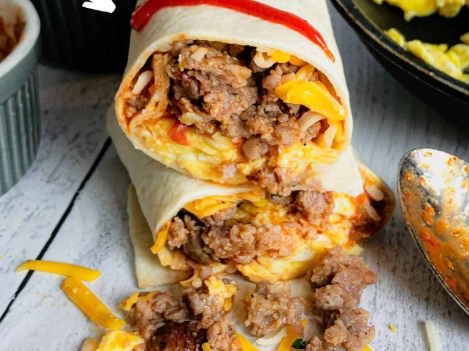
I started doing this years ago out of sheer desperation during a busy work period. My first batch was... a learning experience. Soggy tortillas, bland filling, and a sad, leaky mess when I tried to reheat it. But once I figured out the tricks—the little details everyone else seems to gloss over—it completely changed my routine. Now, a solid burrito meal prep session on a Sunday afternoon sets me up for success.
Why Bother with Meal Prep Burritos? (Beyond the Obvious)
Everyone talks about saving time and money, which is absolutely true. A homemade freezer burrito costs a fraction of a fast-food or café burrito. But the real benefits are sneakier.
First, portion control. When you assemble them yourself, you decide exactly what goes in. Less sour cream, more black beans, an extra handful of spinach—it's all up to you. Second, dietary control. Gluten-free? Use corn tortillas. Vegan? Load up on beans, sweet potatoes, and tofu scramble. Keto? Cauliflower rice and extra meat. You're the boss.
And then there's the psychological win. Knowing you have a good meal waiting for you eliminates that 5 PM "what's for dinner?" panic. It reduces decision fatigue. It just makes life feel a bit more manageable.
The Foundation: What You Actually Need to Get Started
You don't need fancy equipment. A few large bowls, a skillet or two, a baking sheet for roasting veggies, and your stovetop are the core. A rice cooker is helpful but not essential. The real key is mise en place—having all your components cooked, cooled, and ready to assemble before you even touch a tortilla.
Here’s a breakdown of the core components for any successful burrito meal prep:
The Protein Powerhouses
This is your flavor and satiety anchor. You want something that reheats well and isn't too wet.
- Shredded Chicken: The undisputed king. Cook a batch of chicken breasts or thighs in the oven, instant pot, or slow cooker with taco seasoning, then shred it. So versatile.
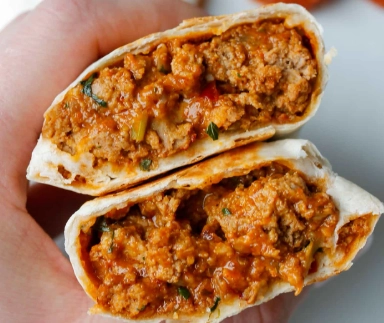
- Ground Beef or Turkey: Brown it up with onions, garlic, and your favorite spices. Make sure to drain the fat really well—excess grease is a soggy tortilla's worst enemy.
- Beans: Black beans and pinto beans are classics. For the best texture and flavor, I strongly recommend using canned beans (rinsed!) and sautéing them for 5 minutes with some cumin and garlic powder. It makes a world of difference compared to dumping them in cold.
- Pork Carnitas or Shredded Beef: A weekend project, but so worth it for a special batch. The rich flavor holds up brilliantly in the freezer.
The Filler & Texture Crew
These elements add bulk, absorb moisture, and make the burrito satisfying.
- Rice: White, brown, or cilantro-lime rice. Cook it a bit on the drier side (slightly less water than usual). Wet, sticky rice turns to glue when frozen. Let it cool completely—steam trapped in a warm burrito will create ice crystals and sogginess.
- Roasted Veggies: Bell peppers, onions, corn, sweet potatoes. Roasting caramelizes their sugars and drives off water, concentrating flavor and preventing mushiness. This step is non-negotiable for good veggie texture.
- Cauliflower Rice: A fantastic low-carb option. Sauté it until all the moisture has evaporated. Seriously, cook it until it seems almost too dry.
The Flavor Bomb Accessories
Use these strategically. Some are fine to add before freezing, others are best added fresh after reheating.
| Add BEFORE Freezing | Add FRESH After Reheating | Why the Difference? |
|---|---|---|
| Cooked beans | Lettuce, fresh spinach | Leafy greens wilt into a slimy mess when frozen and reheated. |
| Shredded cheese (cheddar, Monterey Jack) | Diced tomatoes, pico de gallo | Fresh tomatoes release too much water and get mealy. |
| Cooked, roasted veggies | Sour cream, Greek yogurt | Dairy sauces can separate and get grainy when frozen/thawed. |
| Cooked rice/grains | Guacamole, avocado slices | Avocado oxidizes (turns brown) and the texture becomes unpleasant. |
| Sauces like enchilada sauce (sparingly!) | Fresh cilantro, lime juice | Fresh herbs lose their vibrancy; citrus flavor fades. |
See that table? That's the cheat sheet I wish I had when I started. It prevents 90% of meal prep burrito disasters.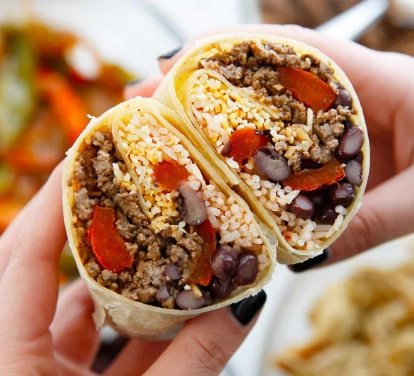
The Step-by-Step Process: No More Soggy, Leaky Burritos
Alright, you've got your components cooled and ready. Now for the assembly line. This is where the rhythm sets in.
The Golden Rule of Assembly
Warm your tortillas. I don't mean hot, just pliable. A 30-second zap in the microwave between damp paper towels, or 10 seconds per side in a dry skillet. A cold tortilla will crack when you try to roll it.
- Lay the Foundation: Place your warm tortilla on a flat surface. Spoon your rice (or cauliflower rice) down the center, but leave a 2-inch border at the top and bottom. The rice acts as a moisture barrier for the tortilla.
- Layer Smartly: Add your protein next, then your roasted veggies and beans. Sprinkle on cheese if you're using it now.
- The Sauce Dilemma: If you want sauce inside, use a very light hand. A tablespoon of salsa or enchilada sauce max. More than that, and you're risking a soggy wrap. I often skip internal sauce and just dip the reheated burrito later.
- The Tight Roll Technique: Fold the sides in over the filling, then lift the bottom flap up and over, tucking it tightly as you roll forward. You want a snug, cylindrical package. Don't overstuff! This is the number one cause of bursting. If you can't close it, you have too much filling.
- The Final Seal: For burritos you plan to freeze, wrap them tightly in parchment paper first, then in aluminum foil or place them in a freezer bag. The parchment prevents the burrito from sticking to the foil, and you can reheat it right in the parchment packet. For fridge burritos (to be eaten within 3-4 days), foil or a reusable container is fine.
It feels fiddly at first, but by burrito number three, you'll have a system.
Freezing vs. Refrigerating: A Strategic Choice
Not all meal prep burritos are destined for the deep freeze. Your choice depends on your schedule.
For the Refrigerator (Eat within 3-4 days): This is your "short game." You can be a bit more liberal with ingredients like a smear of guac or a dollop of sour cream inside. The texture will hold up better since ice crystals don't have time to form. Perfect for weekly lunches.
For the Freezer (Lasts 2-3 months for best quality): This is your "long game" and emergency meal stash. Here, you must be strict with the "before freezing" rules from the table above. The goal is ingredients that freeze and reheat with minimal textural loss. Label the packages with the contents and date. Trust me, a month from now, you won't remember if it's chicken or beef.
The Art of the Perfect Reheat
This is the final, critical step. Nail this, and your burrito meal prep is a triumph. Mess it up, and you get a soggy, cold-in-the-middle, rubbery disappointment.
From the Fridge: The easiest. Remove foil, wrap in a slightly damp paper towel, and microwave for 1.5-2 minutes, flipping halfway. The damp towel steams the tortilla back to life.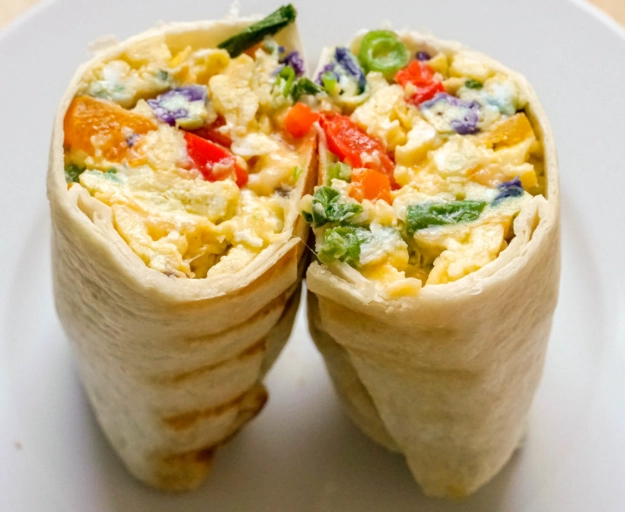
From the Freezer (The Best Methods):
- Oven/Toaster Oven (My Preferred Method): Preheat to 375°F (190°C). Take the burrito out of its foil but keep it in the parchment paper. Place on a baking sheet. Bake for 25-35 minutes, flipping once, until hot all the way through. The tortilla gets crispy, the filling heats evenly. It takes longer but the texture is superior.
- Air Fryer: A fantastic quick option. 350°F (175°C) for 12-15 minutes from frozen, flipping halfway. Gets that crispy exterior fast.
- Microwave (The Quick & Compromised Method): Defrost for 2-3 minutes, then cook on high for 1-2 minutes, wrapped in a damp paper towel. It works in a pinch, but the tortilla will be soft, not crispy. Sometimes that's all you need.
No matter the method, let it rest for a minute after reheating. The filling is molten lava hot and needs to settle.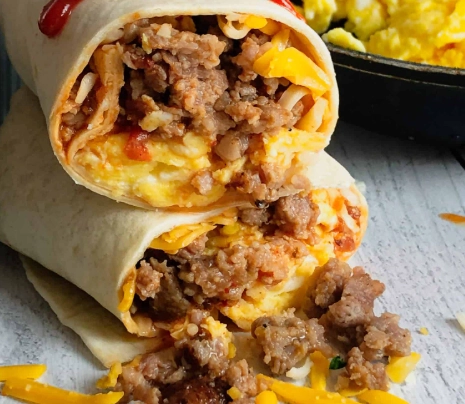
Answering Your Burrito Meal Prep Questions
I've gotten a lot of questions from friends and readers over the years. Here are the big ones.
- Vegetarian/Vegan: Base of beans (black, pinto, refried), roasted sweet potato, sautéed peppers/onions, cilantro-lime rice, vegan cheese.
- Low-Carb/Keto: Skip the rice. Use a base of cauliflower rice, extra meat, cheese, sautéed veggies, and maybe a low-carb tortilla (check the macros).
- High-Protein: Double up on lean meat (chicken, turkey), add a scoop of cooked quinoa or lentils with the rice, use Greek yogurt as a topping.
Putting It All Together: A Sample Game Plan
Let's make this concrete. Here’s what a successful 90-minute Sunday burrito meal prep session could look like, yielding 8-10 burritos.
Phase 1: The Simultaneous Cook (45 mins)
- Dice & roast 2 bell peppers and 1 onion on a sheet pan at 400°F.
- While that roasts, cook 1.5 lbs of chicken thighs in the instant pot or oven with taco seasoning. Shred when done.
- Cook 1.5 cups of dry rice (makes ~4.5 cups cooked). Spread on a tray to cool.
- Rinse and sauté 2 cans of black beans with garlic and cumin.
Phase 2: The Cool Down (30 mins)
Let everything sit. Have a coffee. This step is critical. Stir the rice occasionally to release steam.
Phase 3: Assembly Line (15 mins)
Warm tortillas. Set up bowls of cooled ingredients. Roll, wrap in parchment, label, and freeze.
And you're done. A week (or month) of meals, conquered.
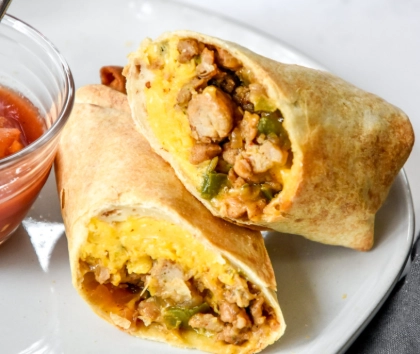
The beauty of this whole process is that once you understand the principles—managing moisture, layering for structure, and reheating properly—you can break the rules. You can invent your own fillings. You can make a breakfast burrito version with scrambled eggs and potatoes (pro tip: slightly undercook the eggs, they'll finish when reheated). You can make a pizza burrito for the kids. The freezer burrito is your canvas.
It takes a little practice, but the payoff is huge. Less stress, more money in your pocket, and a genuinely delicious meal whenever you want it. That's a win in my book.
So, grab some tortillas and give it a shot. Your future self, on that hectic Wednesday, will thank you.
Reader Comments