Quick Guide
Let's be honest for a second. How many times have you stared at a package of regular chicken breasts at 6 PM, already feeling defeated? You know the drill. You have to pound them thin, they cook unevenly, and by the time the thick center is done, the edges are drier than the Sahara. It's enough to make you order takeout.
I was right there with you. Then I discovered the magic of thin cut chicken breast recipes. It wasn't just a small change; it completely transformed my weeknight cooking. We're talking about chicken breasts that are pre-sliced or butterflied to an even thickness, usually around 1/2 inch or less. This isn't just a minor convenience. It's the key to unlocking flavor, speed, and reliability that you rarely get with the standard, bulky cut.
Why does this matter? Because when your chicken is uniformly thin, everything changes. Cooking time plummets from 20+ minutes of nail-biting to a confident 3-6 minutes per side. Marinades and seasonings penetrate faster and deeper. And the dreaded "overcooked and dry" outcome becomes a distant memory. This article is your complete guide to turning this humble, convenient cut into the most reliable star of your kitchen. We'll move beyond basic recipes and dig into the how and why that makes it all work.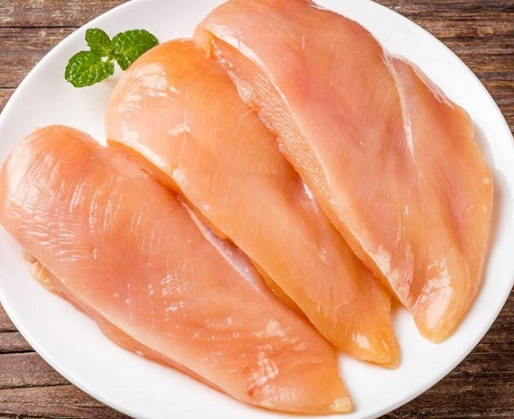
Why Thin-Cut Chicken Breasts Are a Weeknight Game-Changer
It’s more than just saving a few minutes. The advantages stack up in a way that genuinely makes cooking less of a chore.
First, the speed is unreal. Most thin sliced chicken breast recipes have you in and out of the kitchen in 15-20 minutes, start to finish. That includes prep. When you're hungry and tired, those saved minutes feel like hours. Second, and this is huge, they cook evenly. No more guessing if the middle is done while the outside turns to leather. An even thickness means an even cook from edge to edge. You get juicy chicken every single time, which builds your confidence as a cook.
They're also incredibly versatile. That thin profile makes them perfect for quick searing in a pan, but they also excel under the broiler, on a screaming-hot grill, or even in an air fryer. They're the ideal vehicle for sauces—think piccata, marsala, or a simple pan sauce—because the sauce clings to the large surface area. And let's talk about meal prep. You can cook a whole batch in one go without worrying about uneven results, making them perfect for salads, wraps, and grain bowls all week.
The Non-Negotiable Rules for Cooking Them Perfectly
Okay, so you've got the thin cuts. Here’s how to not mess them up. These are the foundations that every good recipe rests on.
Seasoning & Marinating: Don't Be Shy
Thin cuts don't have much time to develop flavor from the inside, so you have to build it from the outside in. A simple sprinkle of salt and pepper just before cooking is the bare minimum. For more depth, use a dry rub. My go-to is garlic powder, smoked paprika, and a touch of brown sugar. It creates a fantastic crust.
For marinades, you don't need hours. Seriously, 15-30 minutes is plenty because the meat is so thin. An acidic component (lemon juice, vinegar, yogurt) helps tenderize, while oil carries flavor. But here's a cautionary tale: I once left thin cuts in a strong lemon juice marinade for two hours. They turned mushy. Lesson learned. Short and sweet is the way.
The Cooking Method Showdown
Your choice of heat dramatically changes the final dish. Here’s a quick breakdown of the top contenders.
| Method | Best For | Key to Success | Approx. Time (Per Side) |
|---|---|---|---|
| Pan-Searing (Skillet) | Getting a golden-brown crust, making pan sauces. | High heat, don't overcrowd the pan, let it sear without moving. | 3-4 minutes |
| Broiling | Hands-off cooking, mimicking grilling indoors. | Watch closely! It can go from perfect to burnt in seconds. Place rack 4-6 inches from heat. | 4-6 minutes |
| Stir-Frying | Quick, high-heat cooking with veggies. | Cut into strips, cook in batches if needed, have sauce ready. | 2-3 minutes (stirred constantly) |
| Air Frying | "Fried" texture without much oil, great for breaded cuts. | Lightly spray with oil, shake basket halfway. | 7-9 minutes total at 375°F (190°C) |
My personal favorite is pan-searing. The control is great, and the fond (those browned bits left in the pan) is liquid gold for a quick sauce. Deglaze with a splash of broth or white wine, add a knob of butter and some herbs, and you've got a restaurant-worthy finish in one minute flat.
The Doneness Dilemma: How to Know It's Done
This is where people panic. Throw out the old "cut it open and check for pink" method. By the time you see no pink, it's almost certainly overdone. The best tool is an instant-read thermometer. The safe internal temperature for chicken, as per the USDA, is 165°F (74°C).
But here's a chef's secret: carryover cooking. If you pull the chicken off the heat at 160°F (71°C) and let it rest on a plate for 5 minutes, the residual heat will bring it up to that safe 165°F. That resting period is non-negotiable. It allows the juices, which have rushed to the surface during cooking, to redistribute throughout the meat. If you slice immediately, all those juices end up on your cutting board, not in your mouth.
Top Flavor Profiles & Recipe Ideas You'll Actually Make
Now for the fun part. Let's move beyond "chicken with seasoning" and talk about complete flavor concepts. These are frameworks you can adapt based on what's in your fridge.
The Classic Lemon-Herb Sear
This is my weeknight savior. It feels fancy but takes no effort. Season the chicken with salt, pepper, and dried thyme. Sear in olive oil until golden. Remove the chicken, and in the same pan, add minced garlic (30 seconds until fragrant), then juice of a whole lemon and about 1/2 cup of chicken broth. Let it reduce by half, throw in a handful of fresh parsley or basil, swirl in a tablespoon of cold butter off the heat, and pour over the chicken. Serve with roasted potatoes or simple pasta. It's a perfect example of how a thin cut chicken breast recipe can be both fast and deeply flavorful.
The 5-Ingredient Teriyaki Stir-Fry
Cut your thin breasts into strips. Toss with a little cornstarch (this helps the sauce cling). Stir-fry in a hot wok or skillet with a neutral oil until just cooked through, then remove. In the same pan, add 1/3 cup of store-bought or homemade teriyaki sauce, a splash of water, and some grated ginger. Let it bubble and thicken for a minute. Toss the chicken back in with some steamed broccoli florets and sliced bell peppers. Done in 15 minutes. The thin cuts absorb the sweet-salty sauce perfectly.
The Crispy Parmesan-Crusted Cutlet
This is where thin cuts truly shine. Set up a breading station: flour (seasoned with salt/pepper), beaten egg, and a mix of panko breadcrumbs with a generous amount of grated Parmesan. Dredge each piece, pressing the panko on firmly. Pan-fry in a shallow pool of olive oil over medium heat for about 3 minutes per side until deeply golden and crispy. Drain on a rack, not paper towels (to keep the bottom crisp). Squeeze fresh lemon over the top. It’s a crowd-pleaser that’s infinitely better than anything frozen.
Feeling adventurous? Try a Moroccan-inspired rub with cumin, coriander, cinnamon, and a pinch of cayenne. Or go for a creamy Dijon sauce by whisking Dijon mustard, a little Greek yogurt or cream, and some of the pan drippings together off the heat. The possibilities are endless because the cooking canvas is so quick and reliable.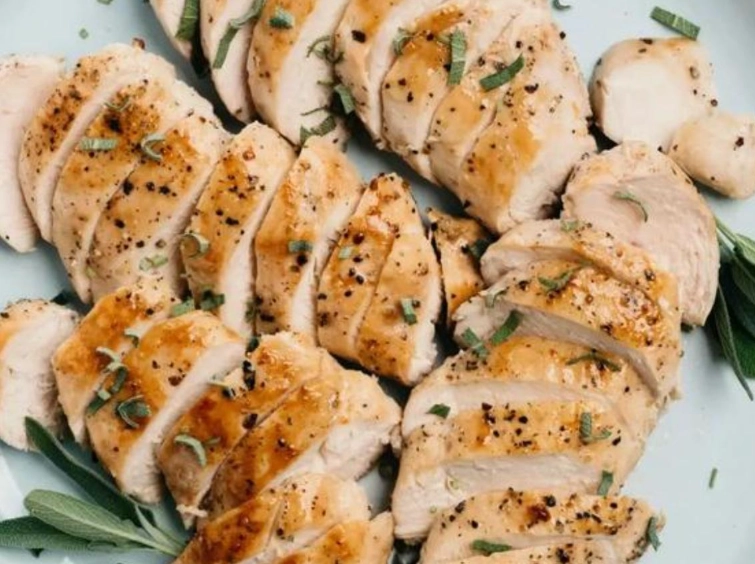
Answering Your Burning Questions (FAQs)
I get a lot of questions about this. Here are the ones that come up constantly, based on what people are actually searching for.
How do I prevent thin chicken breasts from drying out?
The twin pillars are not overcooking and letting it rest. Use that thermometer! Pull it at 160°F. Also, brining for even 20 minutes in a solution of 1/4 cup salt dissolved in 4 cups of water can work wonders for moisture retention, though with the speed of thin cuts, it's not always necessary. Properly cooked and rested thin chicken should be juicy.
Can I cook thin cut chicken breast from frozen?
You can, but I don't love it for the best texture. They release a lot of water and tend to steam rather than sear. If you must, use a lower heat and cover the pan for part of the time to ensure the center thaws and cooks. For the best results in your thin cut chicken breast recipes, thaw overnight in the fridge or use the cold-water bath method.
What's the best way to pound chicken breast thin if I can't find pre-cut?
Place the breast between two sheets of plastic wrap or inside a heavy-duty zip-top bag. Use a flat meat mallet, a rolling pin, or even a heavy skillet. Pound from the center outward to an even 1/2-inch thickness. It's therapeutic, honestly.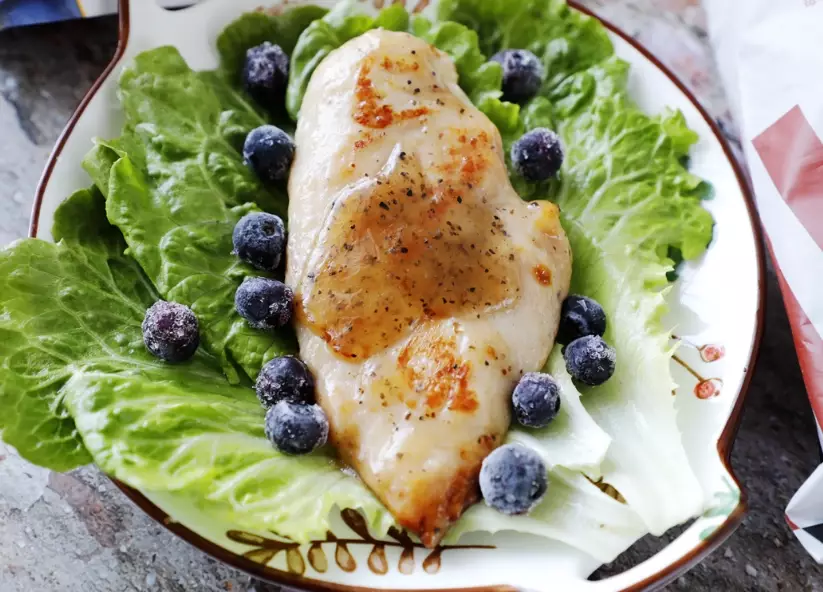
Are thin cut chicken breasts healthy?
Chicken breast is a lean source of protein. Thin cuts themselves don't change the nutritional profile, but the cooking method does. Pan-searing with a little oil is fine. Breaded and deep-fried? Obviously less so. You control the health factor by what you add to them. For science-backed nutrition info, resources like the USDA FoodData Central are invaluable.
Can I meal prep with them?
Absolutely. They are a meal prep superstar. Cook a large batch using your preferred method (I like baking on a sheet pan for hands-off bulk cooking), let them cool completely, and store in airtight containers for 3-4 days. Reheat gently in the microwave with a damp paper towel over them, or chop cold into salads. Their even cooking makes them perfect for this.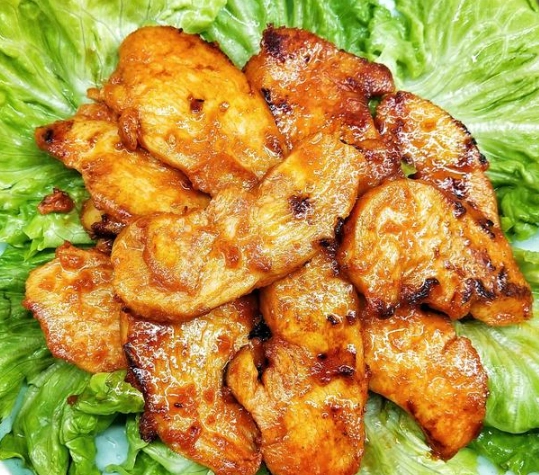
So next time you're at the store, grab that pack of thin-sliced chicken. Skip the frantic pounding and the uneven cooking. With these tips and ideas, you're not just making dinner. You're reclaiming your evening.
Reader Comments