Your Meal Prep Roadmap
Let's be honest. The idea of "meal prep" used to make me groan. I'd see those perfect containers on social media, all the veggies chopped with military precision, and think, "Who has time for that?" My version of meal prep was scrambling to make a sad sandwich at 7 AM or staring into the fridge at 6 PM, too tired to cook, inevitably ordering takeout. Sound familiar?
Then I hit a wall. My budget was bleeding money on delivery apps, and my energy levels were in the basement. I knew I had to figure this out, but I needed meal prep ideas for the week that were built for real life, not for Instagram. Not for someone with hours to spare on a Sunday, but for someone who just wants to eat well without the daily drama.
So, I started experimenting. I failed a few times (trust me, pre-cut zucchini gets sad and soggy real quick). But I also found a rhythm. A system. And now? I can't imagine my week without it. It's not about being perfect; it's about being prepared. This guide is everything I wish I knew when I started, stripped of the fluff and focused on what actually works.
What Exactly IS Meal Prep (And Why It's a Game-Changer)
First off, let's ditch the intimidating image. Meal prep isn't just about cooking all seven days of food on a Sunday and eating leftovers all week (although that's one way to do it). At its core, meal prep ideas for the week are about strategy. It's about making intentional decisions ahead of time so that when you're hungry and busy, the healthy choice is the easy choice.
It's less about cooking and more about assembling. Think of it as building blocks.
Here's the thing nobody talks about enough: the mental load. Deciding what to eat for every single meal is exhausting. Meal prep eliminates hundreds of those tiny decisions every week. That's brain space you get back.
The real benefits aren't just on a checklist; you feel them:
- Time: This is the big one. You trade a focused block of time (say, 2 hours) for scattered hours of daily cooking and cleaning. On a Tuesday night, you're reheating, not starting from scratch.
- Portion Control: When you pack your lunch in a container, you see exactly how much you're eating. It's a simple trick that works wonders.
- Less Waste: You buy what you need for your plan. That half-head of lettuce you forgot about? It gets used on Day 3.
- Healthier Choices: When a healthy lunch is already in your bag, you're not as tempted by the office donuts or the fast-food drive-thru.
- Money Saved: This one shocked me. Cutting out just a few takeout orders a week adds up fast. You're buying ingredients, which are almost always cheaper than prepared meals.
Forget the Rules: Your Meal Prep Foundation
Before we dive into specific meal prep ideas for the week, let's set up a foundation that doesn't feel like a prison sentence. These aren't rigid rules; they're principles that make the whole thing sustainable.
Choose Your Prep Style
Not all prep is created equal. Find what fits your life:
- Full Cook-Ahead: The classic. Cook and portion everything for lunches and dinners. Best if you truly have zero time on weeknights.
- Ingredient Prep (My Favorite): This is the MVP for flexibility. You wash, chop, and cook base ingredients. On the day, you assemble. Grill a bunch of chicken, roast a tray of veggies, cook a big pot of quinoa. Mix and match all week.
- Batch & Freeze: Make double or triple of a freezable recipe like soup, chili, or marinara sauce. Portion and freeze. Future-you will be grateful.
- Ready-to-Assemble: Prep all the components. Think taco night (pre-cooked meat, chopped toppings, grated cheese) or salad jars (dressing at the bottom, then sturdy veggies, then greens on top).
The Non-Negotiables (Trust Me On These)
I learned these the hard way.
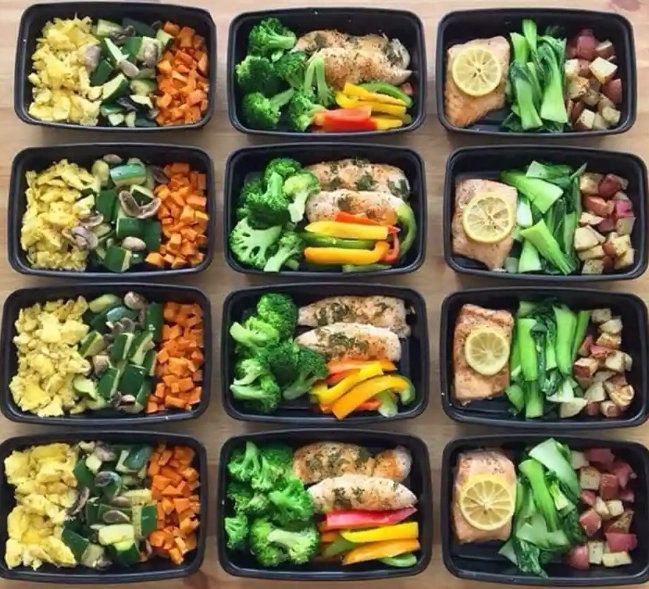
Invest in Good Containers. The cheap ones warp, leak, and make you hate the process. Get a set of glass containers with locking lids (they're microwave, oven, and dishwasher safe). It seems like a splurge, but it changes everything.
Season Later. This is a pro-tip. If you're pre-cooking proteins or veggies for multiple uses, season them lightly or not at all during the initial cook. You can add specific sauces and spices when you assemble your meal. That way, your shredded chicken can be Mexican-inspired on Monday and go in a curry on Wednesday.
Texture is Everything. The enemy of meal prep is mush. Keep elements separate. Do not store wet things (like a marinade) touching things that should be crispy (like lettuce). Use the right container for the right food.
Get a Food Thermometer. It's the easiest way to ensure you're cooking things to the right temperature for safety. The USDA's safe temperature chart is your best friend here. This isn't just about taste; it's about not getting sick.
Your 5-Day, No-Stress Meal Prep Plan
Okay, let's get practical. Here is a balanced, flexible, and totally doable plan for meal prep ideas for the week. This assumes you're prepping on a Sunday for Monday-Friday lunches and dinners, with easy breakfasts. Feel free to swap any element you don't like.
The Weekly Game Plan & Shopping List
Here’s the overview of what you’ll be making. The shopping list is built to minimize waste—you’ll use almost everything across multiple meals.
| Day | Lunch | Dinner |
|---|---|---|
| Monday | Quinoa Power Bowl | Sheet Pan Lemon Herb Chicken & Veggies |
| Tuesday | Quinoa Power Bowl (leftover) | Chicken & Veggie Stir-fry (using prepped chicken/veggies) |
| Wednesday | Hearty Lentil & Veggie Soup | Hearty Lentil & Veggie Soup (with bread) |
| Thursday | Hearty Lentil & Veggie Soup (leftover) | "Clean-out-the-fridge" Frittata |
| Friday | DIY Wrap or Salad (from remaining ingredients) | Flex Night (use frozen batch meal or treat yourself!) |
Step-by-Step Prep Session (Sunday, ~2 hours)
This is the "how-to" part. Set a timer, put on some music, and work through this list. It flows like an assembly line.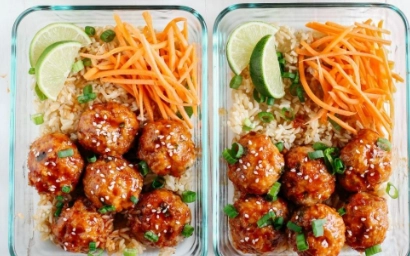
| Task Order | What to Do | Notes & Why |
|---|---|---|
| 1. Oven & Pot Ready | Preheat oven to 400°F (200°C). Rinse quinoa, add to a pot with water (1:2 ratio), bring to a boil, then simmer (covered) for 15 mins. | Quinoa cooks while you chop. Fluff with a fork when done and let it cool. |
| 2. Chop Veggies (The Big Batch) | Wash and chop: 2 bell peppers, 1 large onion, 2 carrots, 1 broccoli crown (into florets), 1 zucchini. Keep them separate on a big cutting board or in bowls. | This is your "veggie stash" for the week. You'll use it in the bowl, sheet pan, stir-fry, and soup. |
| 3. Sheet Pan Dinner | On a large baking sheet, toss 4 chicken breasts (or thighs) and half your chopped veggies with olive oil, salt, pepper, and dried herbs (oregano, thyme). Roast for 20-25 mins until chicken is cooked through (165°F internal temp). | This is a two-for-one: dinner for Monday AND pre-cooked protein/veggies for Tuesday's stir-fry. |
| 4. Start the Soup | In a large pot, sauté the other half of your chopped onions, carrots, and peppers. Add 1 cup dried brown or green lentils (rinsed), 6 cups veggie broth, a can of diced tomatoes, and spices (cumin, paprika). Simmer 30-40 mins. | Lentils are a fantastic, cheap protein source that holds up beautifully in the fridge. This makes a big batch. |
| 5. Cook & Cool | Let the chicken and soup cool slightly before handling. Shred or slice 2 of the chicken breasts for bowls/stir-fry. Leave 2 whole for Monday's dinner. | Never pack hot food directly into containers—it creates condensation and speeds up spoilage. |
| 6. Assemble Power Bowls | In 2-3 containers, layer: cooled quinoa, a handful of spinach, some of your roasted veggies (cooled), shredded chicken, and a separate small container of dressing (lemon-tahini or a vinaigrette). | Keep dressing separate until you eat! This prevents soggy greens. |
| 7. Portion & Store | Portion soup into containers. Store chicken, remaining plain veggies, and quinoa in separate airtight containers in the fridge. | Label containers with dates if it helps. Most of this will be fine for 4-5 days. |
See? It's not about 10 different recipes. It's about cooking smart components that play well together all week. This is the essence of sustainable weekly meal prep ideas.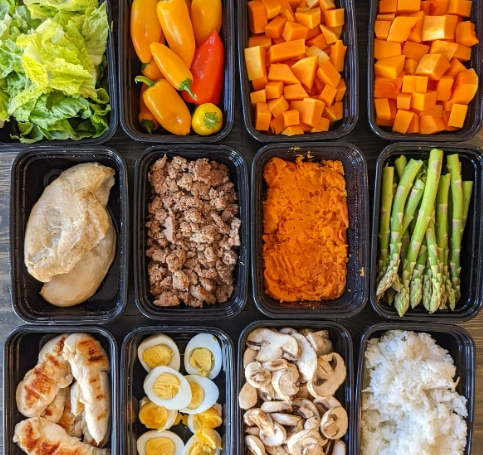
Answering Your Biggest Meal Prep Questions (FAQ)
I also build in a "flex night" (like Friday in our plan). It gives you something to look forward to and prevents feeling trapped.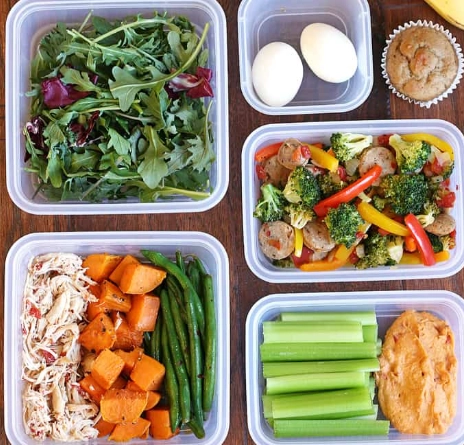
Or, just keep a bag of pre-washed spinach or mixed greens in the fridge and add a handful to your container each morning. It takes 10 seconds.
Making It Stick: The Mindset Shift
The biggest barrier to meal prep ideas for the week isn't the chopping or the containers. It's the mindset that it has to be all-or-nothing.
Start with one thing. Next week, just prep your lunches. Or just cook a big batch of one staple, like lentils or grilled chicken. See how it feels. Celebrate the small win of not having to buy lunch on Tuesday.
Track the benefits that matter to *you*. Is it the money saved? Write it down. The extra 30 minutes of free time on a weeknight? Savor it. That feeling of packing a nutritious lunch? Own it.
Remember, resources from places like the CDC's nutrition page reinforce that planning is a cornerstone of healthy eating. You're not just making food; you're making a plan for your well-being.
It's not about being the best. It's about being better than you were yesterday. And sometimes, that just starts with a container of soup in the fridge.
Reader Comments