Quick Navigation
Let's be honest. We've all been there. You order a giant pile of fries, your eyes are bigger than your stomach, and you're left with a sad, greasy, and increasingly soggy cardboard container the next day. The microwave turns them into rubbery, steamed nightmares. The oven can work, but it feels like overkill for a small batch and often leaves them dry. For years, I just accepted that leftover fries were a lost cause, a culinary disappointment you had to live with.
Then I got an air fryer. And like many people, I started experimenting. Can you actually use an air fryer for reheating fries? The short answer is a resounding yes. But the real magic isn't just in the "yes"—it's in the "how." Getting it wrong can still yield mediocre results. Getting it right? It's a game-changer. It can make yesterday's fries taste, dare I say, almost as good as fresh. This isn't just about saving food; it's about reclaiming a snack.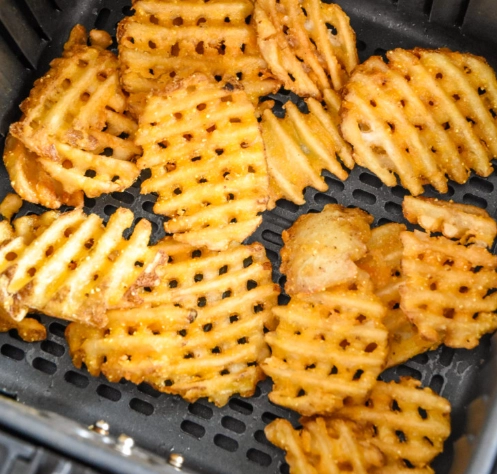
This guide is everything I've learned, tested, and sometimes messed up over countless batches of reheating fries in my air fryer. We're going deep, past the basic instructions, into the science, the tweaks, and the answers to every question you might have.
Why the Air Fryer is the Reheating Champion
Before we jump into the steps, it helps to understand why this method works so well. An air fryer is essentially a powerful, compact convection oven. A high-speed fan circulates super-heated air all around the food. This does two critical things for our sad, cold fries:
It Revives Crispiness: That circulating air rapidly evaporates surface moisture (the enemy of crispiness) and re-crisps the exterior. It's attacking the sogginess from all angles.
It Reheats Evenly and Quickly: The intense air flow heats the fries through much faster and more evenly than a standard oven, minimizing the time they spend getting dried out or tough. It's speed with precision.
Compare that to a microwave, which excites water molecules inside the food, essentially steaming it from the inside out. Perfect for making fries limp and chewy. The traditional oven is better, but it's slower and less efficient at circulating air around a small batch, often leading to uneven results where some are burnt and others are still cold.
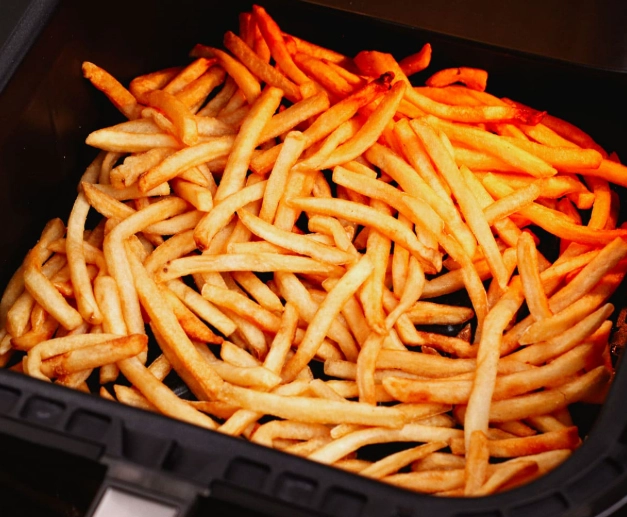
The Foolproof, Step-by-Step Method
Okay, let's get to the practical part. Here is the core method that works for about 90% of leftover fries. We'll get into the specifics for different types (fast food, homemade, etc.) right after.
Don't just dump them in! Spread your cold fries in a single layer in the air fryer basket. This is non-negotiable. Overcrowding leads to steaming, and we are at war with steam. If you have a lot, do multiple batches—it's worth it. No oil is needed at this stage; the fries already have plenty.
This is where people go wrong. Too low, and they just get warm and soggy. Too high, and they burn before heating through. The golden zone for reheating fries in air fryer batches is 350°F to 375°F (175°C to 190°C). I personally find 360°F to be my magic number. Start with 3 minutes.
After 3 minutes, pull the basket out and give it a vigorous shake or use tongs to toss the fries. This redistributes them for even heating and crispiness. This isn't a gentle suggestion. Do it.
Slide the basket back in and cook for another 2-4 minutes. Keep a close eye! Total time is usually between 5-7 minutes, but it depends on fry thickness, quantity, and your specific appliance. They're done when they are piping hot throughout and have regained their crispy texture.
Sounds simple, right? But the devil is in the details. Let's talk about those.
Advanced Tactics for Different Types of Fries
Not all fries are created equal. A thick, steak fry behaves differently than a skinny McDonald's fry. Here’s your tailored playbook.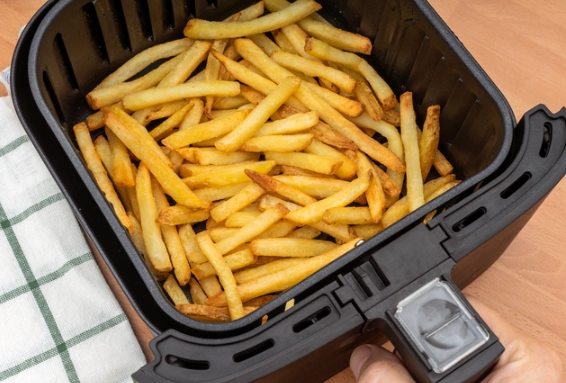
Fast Food Fries (McDonald's, Burger King, etc.)
These are often the thinnest and most challenging because they lose their structure quickly. The key is lower heat and less time. Try 330°F for 4-6 minutes total, shaking halfway. They won't be *exactly* like fresh, but they'll be vastly superior to any other reheating method. A tiny spritz of oil from an oil mister *before* reheating can sometimes help if they seem bone-dry.
Frozen Fries You've Already Cooked
So you cooked a whole bag but didn't finish them? Treat them like any other leftover. The method above works perfectly. They tend to reheat very well because they have a consistent structure.
Homemade Oven or Deep-Fried Fries
These are often the best candidates for reheating fries in the air fryer! They're usually sturdier. You can use the standard 360°F method. If your homemade fries were on the softer side (like oven-baked with minimal oil), a very light spray of oil before reheating can encourage browning and crispness.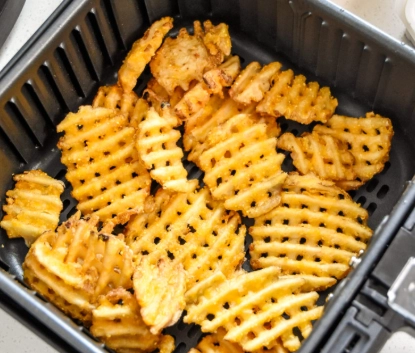
Sweet Potato Fries
They have more moisture, so they need a bit more help. Crank the heat to 375°F and add 1-2 minutes to the total time. They might not get *quite* as crispy as regular fries, but the air fryer is still their best hope. For a deeper dive on the properties of sweet potatoes, resources like the Harvard T.H. Chan School of Public Health's nutrition source offer great background on their composition, which directly affects cooking behavior.
Let's be clear so you don't waste your fries:
The Microwave: Just don't. It creates a sad, steamy environment.
Toaster Oven (without convection): Inconsistent, often dries them out.
Stovetop/Skillet: High risk of burning, uneven, and adds more grease.
Critical Factors That Make or Break Your Fries
Beyond the basic steps, these nuances are what separate good reheated fries from great ones.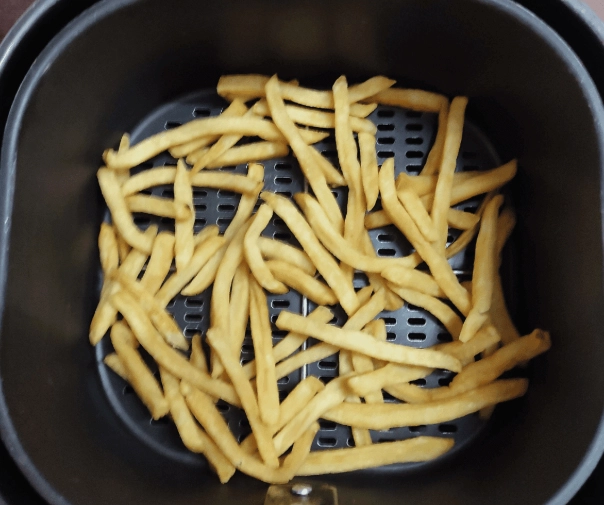
To Preheat or Not to Preheat? This is a hot debate. I've tested both sides extensively. For reheating, I do not preheat. Why? Throwing cold fries into a preheated basket can cause the outside to burn before the inside is warm. Starting cold allows for a more gradual and even reheating process. Trust me on this.
The Single Layer Rule. I mentioned it, but it's worth its own headline. Stacked fries steam each other. Single layer. Every time.
Dealing with Condensation. Did your fries sit in a closed container in the fridge? They're probably wet. If they look visibly damp, pat them gently with a paper towel first. Removing that surface moisture is the first step to crispness.
Seasoning After. Hold off on adding new salt until after they're reheated. Salt can draw out moisture during the process. Once they're hot and crispy, season to taste.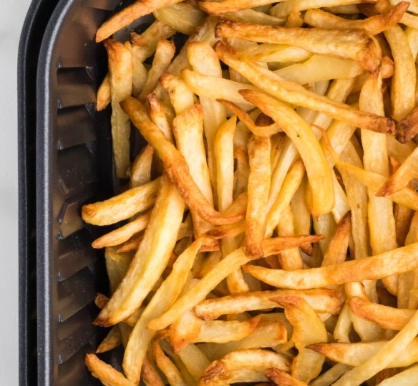
Your Top Questions, Answered (The FAQ)
Pro Tips & Hacks From the Trenches
This is the stuff you learn from doing it wrong a few times.
- The Bread Trick (For Stubbornly Soggy Fries): If your fries are really damp, place a single piece of plain bread in the basket with them. The bread acts as a moisture magnet, absorbing steam and helping the fries crisp up. Discard the soggy bread afterward.
- Cheese Fries or Loaded Fries: This is tricky. Reheat the plain fries first to get them crispy. Then add a light sprinkle of fresh cheese and run the air fryer for just 30-60 seconds to melt it. Adding cheese from the start creates a mess.
- Storage Matters: Store leftovers in a paper bag or a container lined with paper towels in the fridge. The paper absorbs excess oil and moisture, giving you a better starting point than a sealed plastic tub.
- Don't Forget the Shake. Seriously. I failed a batch once because I got distracted and skipped it. The bottom ones were burnt, the top ones cold. It's the simplest, most critical step.
A Personal Note: I know some folks think an air fryer is just a small oven. And for some things, it is. But for the task of reheating fries in an air fryer, it's in a class of its own. It solved a specific, frustrating problem I had for years. It's not magic, but it feels pretty close when you rescue a batch of fries from a soggy fate.
The Final Verdict
So, is reheating fries in air fryer worth it? Unequivocally, yes. It transforms a disappointing leftover into a genuinely enjoyable snack. It won't perfectly mimic fresh-from-the-fryer fries every single time—the original cooking method and storage play huge roles—but it gets you 85-95% of the way there, which is a monumental improvement.
The process is simple: single layer, 360°F, 3-minute shake, finish for a few more minutes. Respect the type of fry you're working with, don't overcrowd, and always shake.
Next time you have leftover fries, don't sigh and think about tossing them. See it as an opportunity. Grab that air fryer basket and give them a second life. You might just find yourself, as I occasionally do, intentionally ordering extra fries just to have leftovers to reheat the next day. Now that's the sign of a true victory over kitchen waste.
Happy reheating!
Reader Comments