Your Burrito Blueprint
Let's be real. Mornings are chaotic. The snooze button is a powerful enemy, and the idea of cooking a satisfying, hearty breakfast often loses out to grabbing a sad granola bar or skipping the meal entirely. I've been there more times than I care to admit. But then there's the breakfast burrito. It's not just food; it's a solution. A complete, delicious, handheld meal that can be tailored to your exact cravings and prepared ahead of time. It's the champion of busy mornings.
If you've typed "breakfast burrito recipe" into Google, you're probably looking for more than just a list of ingredients. You want the how and the why. You want to know how to get those fluffy eggs, how to wrap it so it doesn't fall apart, and how to make a bunch on Sunday to sail through your week. This guide is exactly that. We're going deep, past the basic recipe, into the techniques, the endless variations, and the secrets to making a breakfast burrito you'll actually be excited to eat.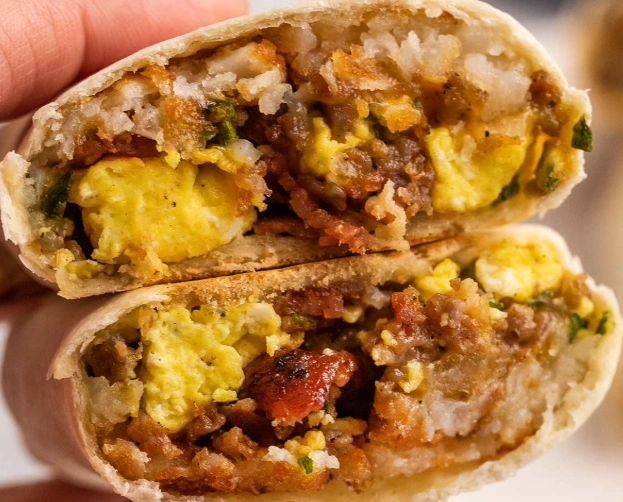
This isn't just a breakfast burrito recipe. Consider it your masterclass.
The Core, No-Fail Breakfast Burrito Recipe
Every great creation needs a solid foundation. This base recipe is your blueprint. It's balanced, flavorful, and, most importantly, reliable. Once you master this, the customization world is your oyster (or, more fittingly, your avocado).
What makes this one different? It focuses on technique as much as ingredients. The order of operations matters to prevent a soggy tortilla and to layer flavors properly.
Ingredients You'll Need (For 2 hearty burritos)
Gather these simple staples. I'm a firm believer that the best breakfast burrito recipe starts with ingredients you likely already have.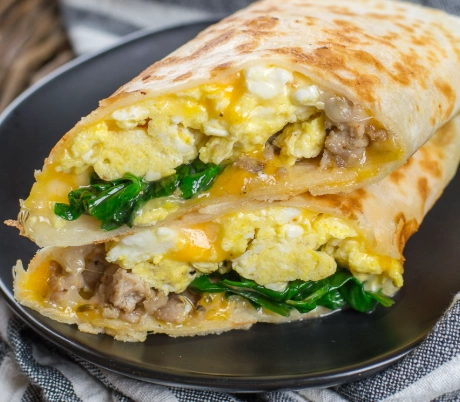
- Large flour tortillas (2): The 10-inch size is the sweet spot. Look for "burrito-size" or ones labeled as 10". Mission, Guerrero, or a local brand work fine. I sometimes warm them up directly over a low gas flame for a few seconds for a bit of char, but a dry skillet works too.
- Large eggs (4): The star of the show.
- Milk or water (2 tablespoons): A splash for fluffier eggs. Water actually works great and makes for a lighter scramble.
- Salt and black pepper: Season as you go!
- Butter or oil (1 tablespoon): Butter for flavor, a neutral oil (like avocado or canola) if you prefer.
- Yukon gold or russet potato (1 medium), diced into ½-inch cubes: This adds heft and a wonderful texture. Par-cooking is the key here.
- Breakfast sausage or bacon (2-3 ounces), cooked and crumbled: Or skip it for a veggie version. Pre-cooked is a huge time-saver.
- Shredded cheese (½ cup): Cheddar, Monterey Jack, or a Mexican blend. Pepper jack if you like heat.
- Optional but recommended: Salsa, hot sauce, sour cream, avocado/guacamole for serving.
The Step-by-Step Process (Where the Magic Happens)
This isn't a dump-and-stir affair. The sequence ensures every component is perfect before it hits the tortilla.
- Prep the Potato: This is the step most recipes gloss over, leading to undercooked, crunchy potatoes. Dice your potato and microwave the cubes in a bowl with a splash of water for 3-4 minutes, until just tender. Alternatively, you can boil them for 5-6 minutes. Drain and pat dry. This par-cooking guarantees a soft interior that will then get beautifully crispy in the pan.
- Cook the Protein & Potato: In a large non-stick or cast-iron skillet over medium heat, cook your sausage or bacon if using raw. Remove, leaving the fat. If not using meat, add a bit of oil. Add the par-cooked, dried potato cubes. Cook without moving too much for 4-5 minutes to get one side crispy, then toss and cook another 3-4 minutes until golden all over. Season with salt and pepper. Remove to a plate.
- Scramble the Eggs Perfectly: This is the heart of a great breakfast burrito recipe. Whisk eggs with milk/water, salt, and pepper. In the same skillet (add a little butter if dry), pour the eggs over medium-low heat. Let them set for a moment, then gently push them from the edges toward the center with a spatula, creating large, soft curds. Remove from heat just before they look fully done—they'll carry over cooking. You want them moist, not dry and rubbery. I messed this up for years, making bouncy, dry eggs. Low and slow is the secret.
- Warm the Tortillas: Briefly heat each tortilla in a dry skillet over medium heat for about 15-20 seconds per side, or wrap in a damp paper towel and microwave for 20 seconds. This makes them pliable and less likely to crack.
- Assemble with Strategy: Lay a warm tortilla on a flat surface. Sprinkle a line of cheese down the center third. This acts as a glue. Then, layer on the eggs, potato, and cooked meat. Avoid overfilling! Leave a good 2-inch border at the bottom and sides.
- The Fold and Roll: Fold the bottom flap up and over the filling, tucking it in snugly. Fold in the left and right sides. Then, roll it forward tightly, using your fingers to keep the filling packed in. Some people swear by the "burrito fold" where you fold in the sides first. Do what feels right. The key is a tight roll.
- Optional Crispy Finish: For an extra touch, place the seam-side down back in the warm, dry skillet for 1-2 minutes per side to seal and get a light toast. This is a game-changer.
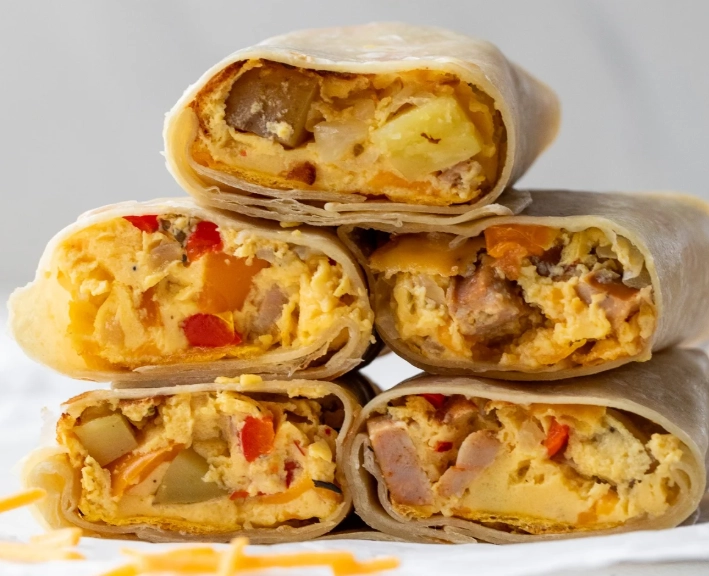
And there you have it. A solid, classic breakfast burrito.
But why stop there? The true beauty of this format is its flexibility.
Make It Your Own: The Breakfast Burrito Customization Playbook
This is where the fun begins. Think of the base recipe as a canvas. The following tables break down your options by category, so you can mix and match based on what's in your fridge or what you're craving.
Protein Power-Ups (Beyond Sausage)
Protein is what makes a breakfast burrito stick with you. Here's a ranked list of my favorites, from classic to adventurous.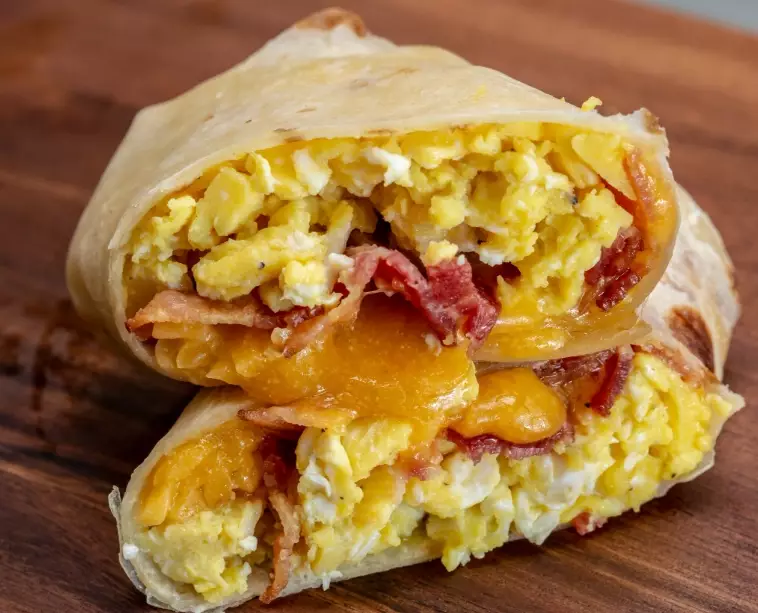
| Protein | Preparation Notes | Best Paired With |
|---|---|---|
| Crispy Bacon | Cook until very crisp, then crumble. The fat can be used to cook the potatoes. | Cheddar, potato, avocado |
| Chorizo (Mexican sausage) | Remove from casing, crumble, and cook thoroughly. It's greasy, so drain excess fat after cooking. | Potato, egg, onion, cilantro |
| Shredded Chicken (leftover or rotisserie) | Toss with a bit of taco seasoning or salsa verde before adding. | Black beans, corn, pepper jack cheese |
| Carne Asada or Steak Strips | Thinly slice leftover steak. A luxury addition. | Sautéed peppers & onions, guacamole |
| Turkey Sausage or Ham | A lighter option. Dice ham. Turkey sausage is great for a healthier twist. | Spinach, mushrooms, Swiss cheese |
| Black or Pinto Beans (vegetarian) | Rinsed canned beans are perfect. Mash a few for better texture. | Egg, cheese, salsa, cilantro-lime rice |
The Cheese Leaderboard
Cheese melts, binds, and adds richness. Not all cheeses are created equal for a breakfast burrito recipe.
Pro Tip: Grate your own cheese from a block. Pre-shredded cheese contains anti-caking agents that can make the melt less smooth. It's a small step with a big payoff.
- Monterey Jack: The gold standard. Melts like a dream, mild flavor that doesn't overpower.
- Pepper Jack: Monterey Jack's spicy cousin. Adds a built-in kick. Perfect if you're skipping hot sauce.
- Sharp Cheddar: A classic for a reason. Strong flavor, melts well. Can get a bit oily if overused.
- Queso Fresco or Cotija: These don't melt much. Crumble them on top for a salty, creamy, crumbly finish. Use in addition to a melting cheese inside.
- Oaxaca or Asadero: Stringy, melty Mexican cheeses. Fantastic for pull-apart moments.
Veggie & Flavor Bomb Add-Ins
This is where you pack in nutrition and complexity. A crucial note: cook your veggies first! Raw onions or peppers will release water and make your burrito soggy. Sauté them until soft.
- The Trinity: Diced onion, bell pepper (any color), and poblano or jalapeño pepper. Sauté in the pan after the potatoes.
- Greens: Baby spinach wilts in seconds if added to the eggs at the end. Kale needs a quick sauté first.
- Mushrooms: Sliced cremini or button mushrooms, sautéed until golden brown, add a deep umami flavor.
- Corn: Frozen, canned (drained), or fresh off the cob. A touch of sweetness.
- Fresh Herbs: A big handful of chopped cilantro stirred into the filling at the very end is transformative.
See? The possibilities are nearly endless. You can create a Southwest version, a "Denver" style, or a fully loaded veggie delight.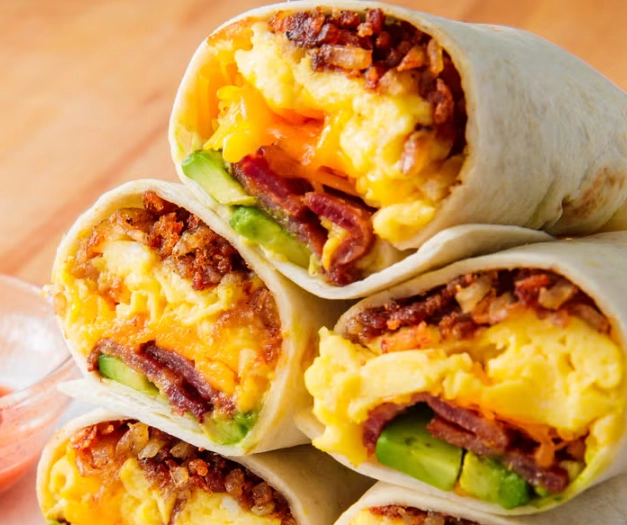
The Meal Prep Secret: Freezing Breakfast Burritos for the Win
This is the real-life hack. Spending 45 minutes on a Sunday can set you up with a week (or month!) of amazing breakfasts. The key is avoiding freezer burn and sogginess upon reheating.
Critical Warning: Do NOT include fresh salsa, avocado, sour cream, or watery raw veggies (like tomato) in burritos you plan to freeze. They will become a mushy, icy mess. Add these fresh after reheating.
How to Freeze Them Properly
- Let your assembled burritos cool completely on a wire rack. This stops steam from condensing inside the wrap.
- Wrap each burrito tightly in parchment paper. This is better than plastic wrap as it doesn't stick.
- Place the parchment-wrapped burritos in a single layer on a baking sheet and flash-freeze for 1-2 hours.
- Once solid, transfer them to a large freezer-safe bag or airtight container. Squeeze out excess air. Label with the date. They'll keep for up to 3 months, but they never last that long in my house.
How to Reheat from Frozen (The Right Way)
Microwaving a frozen burrito directly often leads to a hot exterior and an icy core, or a rubbery tortilla. Here's the best method:
- Remove the parchment paper. Wrap the frozen burrito in a damp paper towel. The moisture is crucial.
- Microwave on high for 1 minute 30 seconds.
- Flip the burrito over.
- Microwave for another 1 minute to 1 minute 30 seconds, until heated through. Times vary by microwave.
- For ultimate texture, finish it in a dry skillet or a panini press for 1-2 minutes to crisp up the tortilla.
This method has saved my morning routine countless times. Having a homemade, tasty breakfast burrito recipe ready to go beats a drive-thru any day.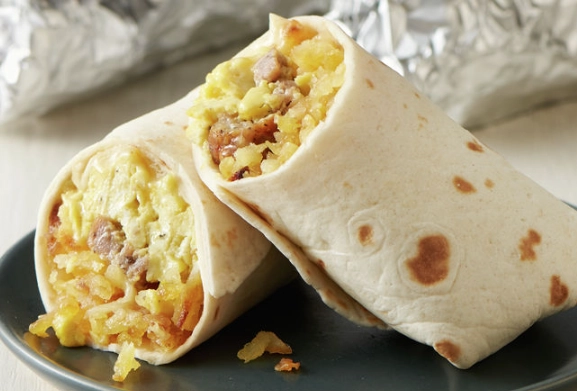
Answering Your Breakfast Burrito Questions (FAQs)
Sogginess is enemy number one. It comes from moisture. To fight it: 1) Cook all vegetables to release their water before adding. 2) Let hot fillings (like scrambled eggs) cool slightly before assembling. 3) Use a barrier like cheese or a thin layer of refried beans on the tortilla. 4) Don't add wet condiments like salsa inside until you're ready to eat. 5) If meal prepping, ensure burritos are completely cool before wrapping and freezing.
Absolutely. For a lower-cholesterol or lighter version, use ½ cup of liquid egg whites per burrito. Cook them the same way, but be careful—they can cook faster and become rubbery. Keep the heat medium-low and pull them off just as they set. Because they're less rich, bump up the flavor with extra herbs, spices, and flavorful add-ins like sautéed mushrooms and spinach.
This is a personal opinion, but I don't recommend it for a classic, large, wrapped burrito. Corn tortillas are smaller, less pliable, and more likely to crack when you try to roll them around a hefty filling. They're perfect for tacos or mini breakfast tacos. If you're set on using them, warm two per burrito, overlap them slightly, and be prepared for a messier eat. Flour tortillas are simply more forgiving for this application.
The goal is to warm the inside without making the tortilla tough. The damp paper towel method in the microwave works well (about 60-90 seconds). My preferred method is the skillet: place the burrito seam-side down in a dry non-stick skillet over medium-low heat. Cover with a lid. Heat for 3-4 minutes per side, until the filling is hot and the tortilla is gently crisped.
Safety & Sourcing: A Quick, Important Note
When dealing with eggs and meat, food safety is paramount, especially if you're making a big batch for meal prep. Always cook eggs until firm, not runny, if you plan to store them. For meat, ensure it's cooked to a safe internal temperature (165°F for poultry, 160°F for ground meats like sausage). When cooling burritos for the freezer, don't leave them at room temperature for more than 2 hours. Get them into the freezer promptly.
For reliable, science-based information on safe cooking temperatures and storage times for eggs and other ingredients, I always double-check with resources like the USDA's Food Safety and Inspection Service website. It's a trusted government source that cuts through the noise.
So, there you have it. From the foundational breakfast burrito recipe to the art of customization and the science of meal prep. This is more than just a recipe—it's a system for better mornings. Grab a tortilla and start building your perfect bite.
Honestly, once you get the hang of it, you'll never look at a fast-food breakfast sandwich the same way again. Your homemade version will be cheaper, tastier, and exactly how you like it. Now, if you'll excuse me, I think it's time to go thaw one of my chorizo and potato burritos from the freezer. Breakfast awaits.
Reader Comments