Quick Guide
- Why Bother Making Your Own Freezer Burritos?
- Building Your Burrito: The Ingredient Blueprint
- The Foolproof Assembly Line Method
- Freezing 101: How to Store Your Burrito Bounty
- The Grand Reheating Showdown: Which Method is Best?
- Your Freezer Breakfast Burrito Action Plan
- Answering Your Burning Questions (FAQ)
- Troubleshooting Common Problems
- Leveling Up: Flavor Combinations to Try
- The Final Wrap-Up
Let's be honest for a second. Mornings are a special kind of madness, aren't they? The alarm screams, you're hitting snooze one too many times, and suddenly you're scrambling. The kids need lunches, you need to find that other shoe, and breakfast? Breakfast becomes a casualty. It's either a sad piece of toast or an expensive, not-so-great drive-thru option.
That's where the humble freezer breakfast burrito comes in like a superhero in a tortilla cape. I'm not talking about the sad, freezer-burned, store-bought ones that taste like cardboard and regret. I'm talking about homemade freezer breakfast burritos—packed with the ingredients you love, made in a big batch on a lazy Sunday, and ready to rescue you on any Tuesday morning when everything is falling apart.
I started making them a few years ago out of sheer desperation. My mornings were a disaster zone. Now? I can grab a frozen breakfast burrito, heat it, and be out the door with a hot, satisfying meal in under 5 minutes. It's changed the game completely. This guide is everything I've learned—the good, the bad, and the soggy—so you can skip my mistakes and get to the perfect grab-and-go breakfast.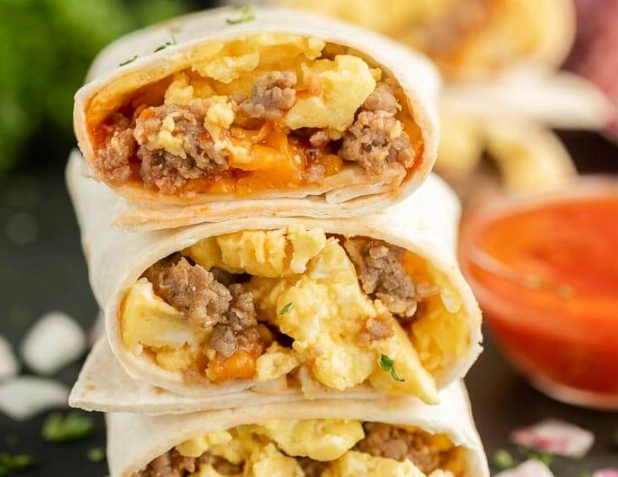
Why Bother Making Your Own Freezer Burritos?
You can buy frozen burritos, sure. But have you ever looked at the ingredient list? It's often a novel of unpronounceable preservatives, and the flavor... well, it leaves a lot to be desired. Making your own puts you in control.
You control the sodium, the quality of the eggs (organic, free-range, whatever you prefer), the amount of cheese, and you can cater to allergies or preferences. Got a kid who hates onions? Leave them out of their batch. Want to go heavy on the avocado? Go for it. This flexibility is the real win.
Economically, it's a no-brainer. A batch of 12-15 hearty make-ahead breakfast burritos costs a fraction of what you'd pay for a comparable fast-food breakfast sandwich every day. You're saving money and time.
The Core Principles of a Freezer-Friendly Burrito
Not all burritos freeze well. This was my first hard lesson. A burrito stuffed with fresh tomatoes and lettuce will turn into a mushy, icy mess. The key is to use ingredients that freeze and reheat without turning to water or becoming rubbery.
You need to think about moisture content, texture, and how things hold up after being frozen solid and then zapped back to life. It's a bit of kitchen science, but don't worry, I've done the experimenting (and the failing) for you.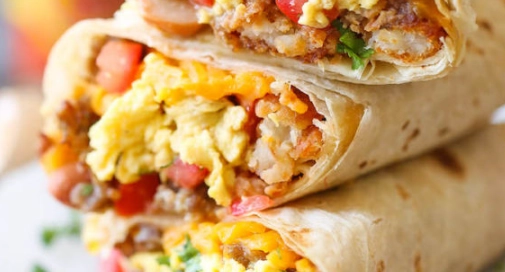
Building Your Burrito: The Ingredient Blueprint
Let's break down each component. Think of this as your checklist.
The Foundation (Choose Your Favorites)
- The Tortilla: This is critical. Use large (10-12 inch) flour tortillas. Corn tortillas crack when frozen. Look for ones without too many weird additives, but avoid the ultra-fresh, thin "street taco" style tortillas—they tear easily. I find the mid-range brand burrito-sized tortillas work perfectly. Pro tip: Warm them slightly before assembling to make them pliable and less likely to rip.
- Eggs: The classic. Scramble them, but cook them slightly softer than you normally would. They'll finish cooking when you reheat. Overcooked eggs become rubbery after freezing.
- Potatoes: A game-changer for heartiness. Diced and pan-fried until golden and fully cooked, or use frozen diced hash browns (thawed and crisped up). Raw potatoes won't cook through later.
- Meat: Cooked breakfast sausage (crumbled), chopped bacon, or diced ham. Ensure any meat is fully cooked and drained of excess grease. Grease = sogginess and freezer burn.
- Fresh Vegetables with High Water Content: Raw tomatoes, spinach, mushrooms, bell peppers. They release tons of water when frozen/thawed/heated, creating a soggy burrito. If you must, cook them down first to drive off the moisture. Sautéed peppers and onions are great. Raw spinach? Not so much.
- Avocado/Guacamole: It browns and the texture goes weird. If you love it, add it fresh after reheating.
- Sour Cream: Separates and becomes grainy. Not recommended inside the burrito before freezing.
- Overly Wet Salsas: A little thick, cooked salsa or pico de gallo (with excess liquid drained) is okay. A runny, watery salsa is a disaster waiting to happen.
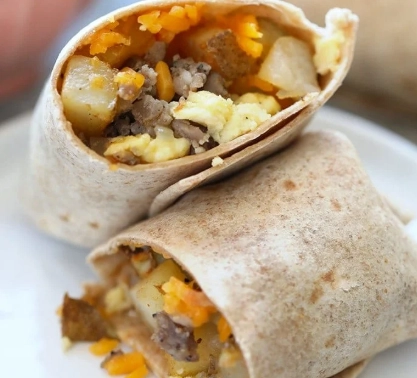
- Shredded cheese (cheddar, Monterey Jack, pepper jack).
- Cooked, drained black beans or pinto beans.
- Cooked rice (a sprinkle adds great texture).
- Roasted, diced poblano or Hatch chiles.
- A thin smear of refried beans acts as a great moisture barrier.
The Foolproof Assembly Line Method
This isn't about making one perfect burrito. It's about making 15 good ones efficiently. Set up a station.
Don't overfill!
This is the most common mistake. A overstuffed burrito is impossible to wrap tightly, and it will burst when you reheat it. Be conservative. You can always make more burritos.
Freezing 101: How to Store Your Burrito Bounty
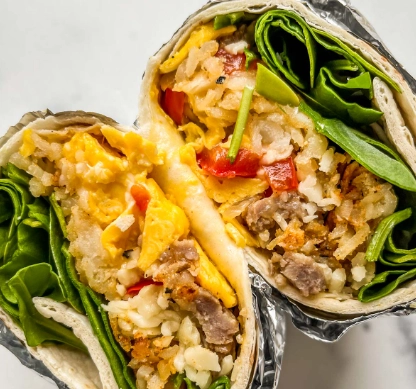
Proper freezing is what separates a good freezer burrito from a great one. You want to prevent freezer burn, which ruins texture and flavor.
How long do freezer breakfast burritos last? In a standard freezer, they are at their best for 1-2 months. After that, they're still safe to eat but quality (taste and texture) will slowly decline. A deep freezer extends that to 3-4 months. Always label with the date!
Place the individually wrapped burritos in a single layer on a baking sheet and "flash freeze" them for 1-2 hours. This freezes them solid individually so they don't stick together. Then, you can transfer them to a large, labeled freezer bag or airtight container. This lets you grab just one without defrosting the whole batch.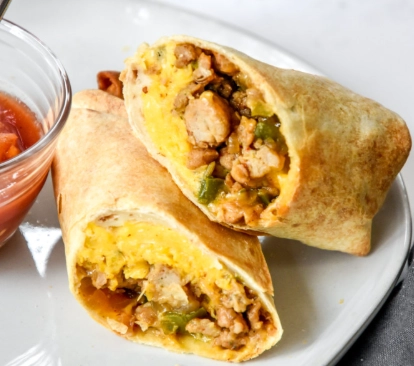
The Grand Reheating Showdown: Which Method is Best?
This is where you get your reward. But you can't just nuke it on high for 5 minutes. You'll get a hot center and a still-frozen, soggy exterior. The goal is to heat it through evenly and restore some crispness to the tortilla.
Important: Always remove the foil first! Reheat with the parchment paper on, or remove it depending on the method.
1. The Oven/Toaster Oven (The Gold Standard)
My absolute favorite method. It takes longer but gives the best texture. Preheat to 375°F (190°C). Remove foil, keep parchment. Place burrito directly on the rack (with a baking sheet on the rack below to catch drips). Bake for 25-35 minutes, flipping halfway, until heated through and the tortilla is slightly crisp. The result is the closest to freshly made.
2. The Air Fryer (The Speed Champion)
A fantastic compromise. Preheat to 370°F. Remove foil and parchment. Spray burrito lightly with oil. Air fry for 10-15 minutes, flipping halfway. Gets you a wonderfully crispy exterior in record time. Watch it closely so it doesn't burn.
3. The Microwave (The Necessary Evil)
For true desperation. It works, but the tortilla will be soft/steamy. Remove foil and parchment. Wrap in a damp paper towel. Microwave on 50% power for 2 minutes. Flip, then microwave on high for 30-60 second bursts until hot. For better texture, finish in a hot skillet for a minute to crisp up the outside.
I keep a cheap toaster oven in my office kitchen just for reheating my frozen breakfast burritos. It's that much better than the microwave.
Your Freezer Breakfast Burrito Action Plan
Feeling overwhelmed? Don't be. Here's a simple, bulletproof recipe to start with. This makes about 12 burritos.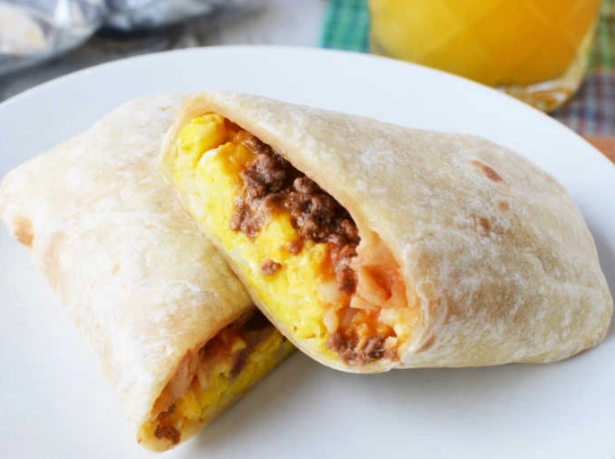
The "No-Fail Classic" Recipe
- 12 large flour tortillas
- 12 large eggs, scrambled
- 1 lb breakfast sausage, cooked and crumbled
- 4 cups frozen shredded hash browns, cooked according to package until crispy
- 2 cups shredded cheddar cheese
- 1 cup cooked black beans, rinsed and drained (optional)
- Salt, pepper, and a pinch of cumin for the eggs
Assemble as per the instructions above. Wrap. Freeze. You now have breakfast for two weeks.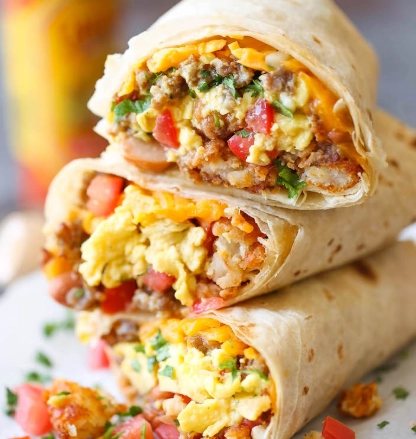
Answering Your Burning Questions (FAQ)
Troubleshooting Common Problems
| Problem | Likely Cause | How to Fix It Next Time |
|---|---|---|
| Soggy, mushy burrito | Fillings were too wet (raw veggies) or not cooled before wrapping. | Cook down wet vegetables, drain meats/beans well, let all fillings cool to room temp. |
| Burrito bursts open when reheating | Overfilled or not wrapped tightly enough, creating steam pockets. | Use less filling, roll tighter, double-wrap securely. |
| Icy crystals inside (freezer burn) | Poor packaging, air exposure, stored too long. | Use the parchment+foil double-wrap, squeeze out air, don't store beyond 2 months. |
| Tortilla is tough/chewy | Low-quality tortillas or reheated at too high a temp in microwave. | Buy better tortillas, use lower power/reheat in oven/air fryer. |
| Fillings are hot but tortilla is still pale/soft | Reheating method (microwave) doesn't crisp the exterior. | Finish in a hot skillet for 60 seconds after microwaving, or use oven/air fryer. |
Leveling Up: Flavor Combinations to Try
Once you master the classic, get creative. Here are a few of my favorite combos:
- Southwest: Scrambled eggs, chorizo (cooked and drained), roasted corn, black beans, pepper jack cheese, and a sprinkle of cilantro.
- Denver: Diced ham, sautéed green peppers and onions, cheddar cheese.
- Green Chile & Potato: Crispy potato cubes, roasted diced green chiles (like Hatch), Monterey Jack cheese, a thin layer of refried beans.
- "Everything" Veggie: Sautéed mushrooms, spinach (cooked until wilted and water is gone), onions, potatoes, and Swiss cheese.
The beauty of homemade make-ahead breakfast burritos is that they are a blank canvas. For more inspiration on flavor balancing and cooking techniques from a trusted culinary source, sites like Serious Eats often have deep dives into the science of perfect scrambled eggs or tortilla preparation that can elevate your base components.
The Final Wrap-Up
Look, the goal here isn't gourmet perfection. It's sanity. It's a warm, filling, homemade breakfast on a day you barely have time to tie your shoes.
Start with the basic recipe. Get the assembly and freezing process down. Master your preferred reheating method (please try the oven once, you'll thank me). Then, start customizing. Before you know it, you'll have a freezer stocked with your own personal line of freezer breakfast burritos, ready to make your mornings not just manageable, but actually enjoyable.
It's one of the simplest, most impactful kitchen habits I've ever adopted. Give it a shot this weekend. Your future, less-harried self will be incredibly grateful.
Reader Comments