Your Reading Map
- Why Bother? The Real Benefits Beyond the Hype
- The Golden Rules of a Truly Great Meal Prep Recipe
- My Go-To List of Best Meal Prep Recipes (That Actually Work)
- Your Flexible Weekly Prep System (Not a Rigid Plan)
- Answering Your Biggest Meal Prep Questions
- Leveling Up: Advanced Tips for Better Flavor & Efficiency
- The Final Word: Start Small, Be Kind to Yourself
Let's be honest. The idea of spending your entire Sunday afternoon chopping, cooking, and packing food into a million identical containers can feel about as appealing as a root canal. I've been there. I'd see those perfect Instagram grids of rainbow-colored meals and think, "Who has the time?" My own early attempts were disasters—soggy salads, dried-out chicken, and a fridge full of food I didn't want to eat by Wednesday.
But then something clicked. I stopped trying to replicate someone else's perfect system and started figuring out what actually worked for my life, my taste buds, and my schedule. That's when I discovered my personal list of the best meal prep recipes—the ones that are forgiving, flavorful, and genuinely make my week easier.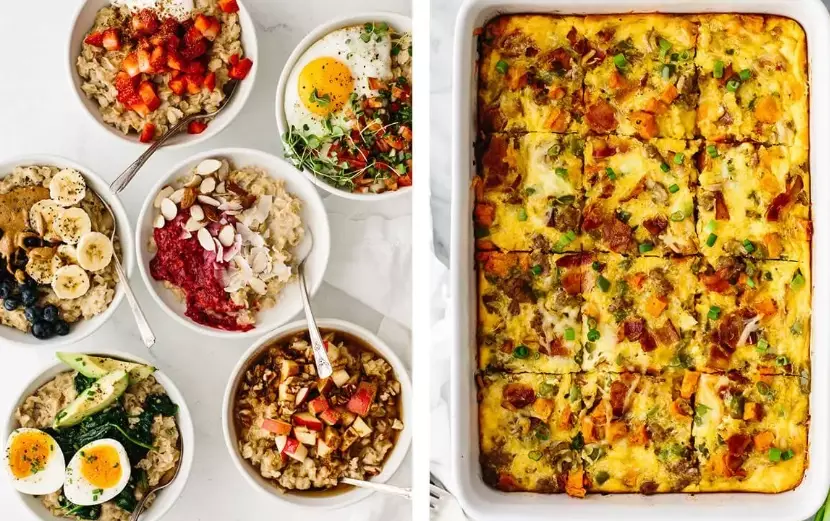
This isn't about rigid rules or aesthetic perfection. It's about getting real, tasty food on your table without the daily dinner-time panic. Whether you're feeding a family, cooking for one, or just trying to save money and eat healthier, the right recipes make all the difference.
So, forget the pressure. Let's talk about how to actually find and make the best meal prep recipes for you.
The Core Idea: Meal prep isn't just about pre-cooking every single meal. It's a spectrum. For some, it's pre-chopping veggies. For others, it's making big-batch soups or stews. Your "best" method is the one you'll actually stick with.
Why Bother? The Real Benefits Beyond the Hype
Sure, everyone says it saves time and money. But the real benefits are quieter and more powerful.
It reduces decision fatigue. After a long day, the last thing your brain wants to do is figure out what's for dinner. When the decision is already made, you just eat. It puts you in control of ingredients. You know exactly what's going into your food—less salt, less mystery oil, more of the good stuff. And honestly, it creates a weird sense of calm. Knowing your food is handled is one less thing to worry about.
I also found I wasted way less food. That half a bell pepper and lonely chicken breast get used up instead of languishing in the crisper drawer. For budget-conscious folks (and who isn't these days?), this is a game-changer. The USDA has great resources on reducing food waste at home, which aligns perfectly with the meal prep mindset.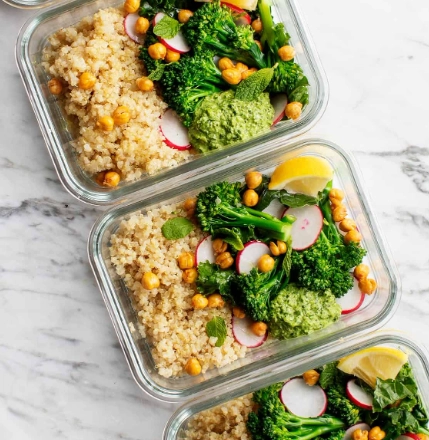
The financial savings alone can be startling.
The Golden Rules of a Truly Great Meal Prep Recipe
Not every recipe is a good candidate for the fridge or freezer. Through trial and (lots of) error, I've found the best easy meal prep recipes share a few non-negotiable traits.
First, they reheat well. This is the big one. Avoid anything that's meant to be crispy (like breaded cutlets) or has a delicate texture (like a fresh salad greens mix). Think stews, braises, cooked grains, roasted veggies, and saucy things.
Second, they have a forgiving flavor profile. Dishes where the flavors have time to meld and often taste even better a day or two later. Chili, curry, bolognese, soup—these are your champions.
Third, they are structurally sound. They don't fall apart or get waterlogged. A quinoa bowl holds up. A lettuce wrap does not.
My Personal Mistake: I once pre-assembled beautiful avocado-toasted seed salads. By Monday lunch, it was a brown, mushy tragedy. Learn from my fail. Prep the components (dressing separate, seeds separate, chop the avocado day-of) but don't assemble the delicate stuff ahead.
Protein is Your Anchor: A Prep Guide
Getting your protein right is 80% of the battle. Here’s a quick, no-nonsense guide to prepping the most common proteins so they stay edible all week.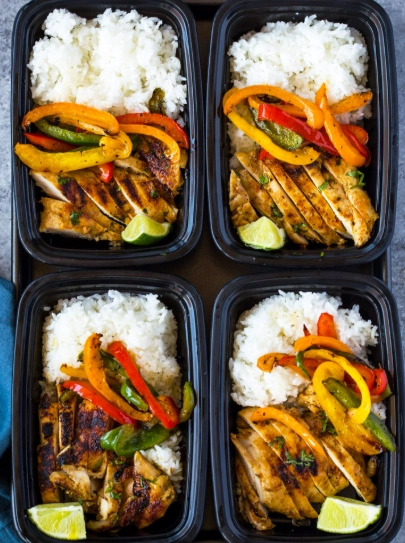
| Protein | Best Cooking Method for Prep | How Long It Keeps (Fridge) | A Key Tip |
|---|---|---|---|
| Chicken Breast | Baking, Poaching, or Brining then Roasting | 3-4 days | Cook to 165°F, then let rest in its juices. Slice/chop after cooling to lock in moisture. |
| Ground Turkey/Beef | Brown with seasonings for sauces, bowls, or taco meat. | 3-4 days | Drain excess fat after cooking to prevent greasiness upon reheating. |
| Firm Tofu | Press, cube, and bake or pan-fry until golden. | 4-5 days | Store the sauce separately. Toss it in just before eating to keep texture. |
| Beans & Lentils | Cook from dry or use canned. Season after cooking. | 4-5 days | For canned, rinse well. Their liquid can make everything else mushy. |
| Fish (like Salmon) | Roast or pan-sear. Be gentle. | 2-3 days max | Best prepped for the next 1-2 days only. Reheat very gently on low power. |
See? It doesn't have to be complicated. Batch-cook a couple of these, and you've got the foundation for countless meals.
My Go-To List of Best Meal Prep Recipes (That Actually Work)
Alright, let's get to the good stuff. These are the categories and specific ideas that have never let me down. These are the best healthy meal prep ideas for real life.
The All-Star Bowl Builders
Bowls are the undisputed king of meal prep. Endless combinations, easy to portion, and everything is in one container. The formula is simple: Grain + Protein + Veggies + Sauce/Dressing.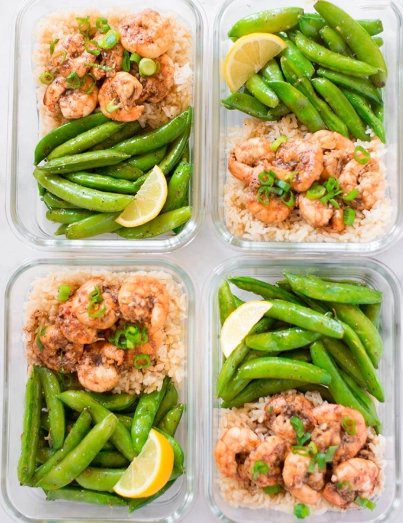
A Classic You Can't Mess Up: Southwest Black Bean Bowls. Cook a big pot of brown rice or quinoa. Roast a tray of sweet potatoes and bell peppers. Season a can of black beans with cumin and chili powder. Portion it out. Add a scoop of salsa, a dollop of Greek yogurt (sour cream substitute), and some fresh cilantro when you're ready to eat. It's cheap, colorful, and satisfying.
Other bowl themes that work brilliantly: A Greek bowl with lemon-herb chicken, cucumber, tomato, olives, and tzatziki. An Asian-inspired bowl with teriyaki tofu, broccoli, and carrots over brown rice. The key is to keep wet ingredients (like tomatoes) or crunchy toppings (like nuts) separate until the last minute.
The Freezer Heroes: Soups, Stews, & Sauces
If you want true freedom, your freezer is your best friend. Doubling a soup recipe takes minimal extra effort but gives you "emergency meals" for weeks.
A hearty lentil soup with carrots, celery, and kale is a nutrient powerhouse and freezes perfectly. A simple marinara sauce (just canned tomatoes, garlic, onion, herbs) is worth its weight in gold. Freeze it in portions for quick pasta, pizza, or shakshuka. For a richer option, a beef and barley stew is comforting and reheats like a dream.
Freezer tip: Use flat, stackable containers or even heavy-duty freezer bags laid flat to save space.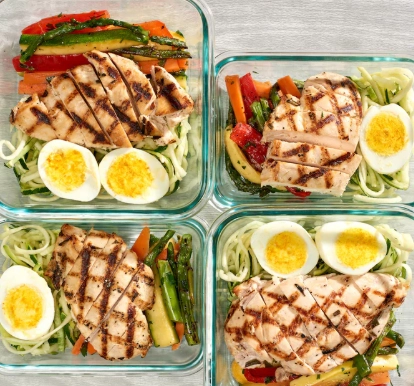
Breakfast That You'll Actually Look Forward To
Prepping breakfast has changed my mornings. No more skipping it or grabbing a sugary bar.
Overnight oats are the obvious winner, and for good reason. Mix rolled oats with milk (or yogurt), a touch of maple syrup, and your choice of add-ins like chia seeds, frozen berries, or peanut butter. Divide into jars. It's ready in the morning, cold or warmed up. For a savory option, mini frittatas baked in a muffin tin with eggs, spinach, and cheese are portable and protein-packed.
I used to hate the texture of overnight oats until I started using a 1:1 ratio of old-fashioned oats to liquid and adding a spoonful of Greek yogurt for creaminess. Game changer.
Your Flexible Weekly Prep System (Not a Rigid Plan)
Here’s the thing nobody shows you: you don't have to prep every single meal. That's a fast track to burnout. I recommend a hybrid approach.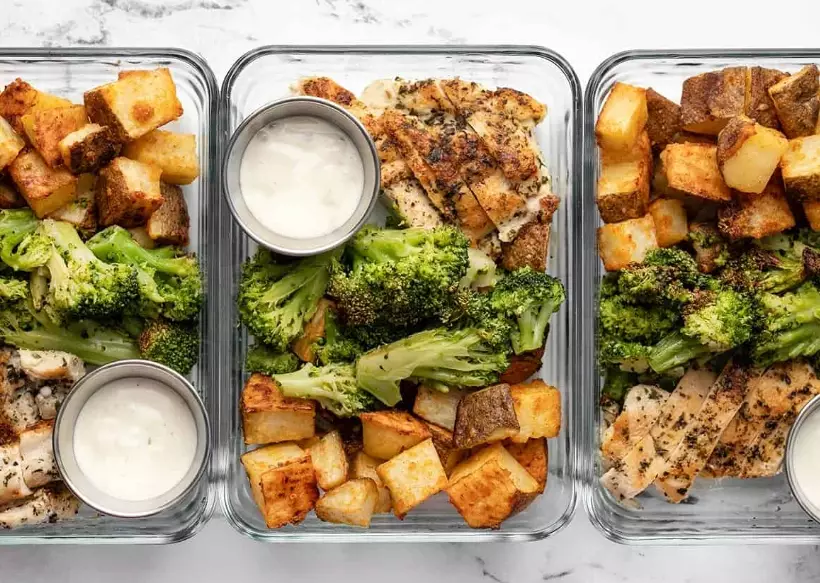
Prep your anchors. Choose 1-2 proteins, 1-2 complex carbs (quinoa, sweet potatoes, rice), and roast 2-3 trays of different vegetables (broccoli, cauliflower, carrots, Brussels sprouts). This gives you mix-and-match components for 3-4 days.
Make one "centerpiece" meal. One big-batch dish like a soup, chili, or curry that can serve as dinners and maybe a lunch or two.
Keep it simple for the other days. Plan for one "easy night" (like eggs on toast, or a thrown-together salad with canned tuna) and maybe one night for leftovers or a meal out. This system is sustainable. It’s how you consistently use those best meal prep recipes without feeling like a short-order cook.
Answering Your Biggest Meal Prep Questions
Leveling Up: Advanced Tips for Better Flavor & Efficiency
Once you've got the basics down, these little tricks make a huge difference.
Season in layers. Don't just salt at the end. Season your protein before cooking, season your grains while they cook (add a bay leaf or a stock cube to the water), season your roasted veggies before they go in the oven. This builds depth.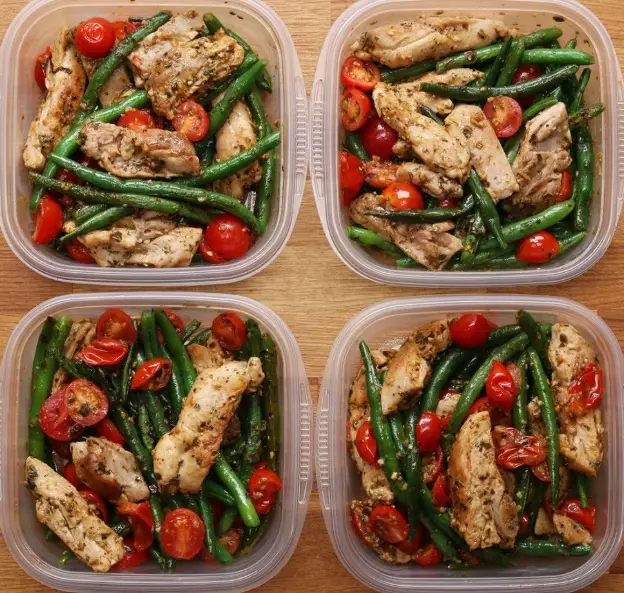
The power of the "sauce station." Don't underestimate a good sauce to revive prepped food. Whisk together a quick lemon-tahini sauce, a spicy yogurt sauce, or a simple vinaigrette on prep day. Having a flavor boost ready can transform plain chicken and broccoli.
Multi-task your oven. This is the biggest time-saver. While your sheet pan of chicken is roasting on the top rack, roast your vegetables on the bottom rack. You're using the same energy for multiple components.
Embrace the "no-cook" prep. Some of the best easy meal prep recipes involve no cooking at all. Wash and chop fruit for snacks. Portion out nuts or cheese. Hard-boil a dozen eggs. Make a big tub of tuna or chicken salad. It all counts.
The Final Word: Start Small, Be Kind to Yourself
Finding your personal best meal prep recipes is a journey, not a destination. You will have weeks where it works perfectly and weeks where you order pizza. That's normal.
My advice? Start with just one thing. Next week, prep your breakfasts. Or just chop all your veggies for dinners. Or make one big pot of soup to freeze. Get a win under your belt. Notice how it feels to have that one thing handled.
The goal isn't a picture-perfect fridge. The goal is less stress, healthier choices, and more time back in your week. The recipes and systems that help you do that—those are your best meal prep recipes. Now go find them.
Reader Comments