Your Quick Guide
- Why Shredded Chicken Reigns Supreme in Home Kitchens
- The Non-Negotiable First Step: Picking Your Chicken
- How to Cook Chicken for Shredding: Methods Ranked
- The Art (and Science) of Shredding: Tools and Techniques
- Your Shredded Chicken Recipe Playbook
- Troubleshooting: Fixing Common Shredded Chicken Problems
- Storing and Freezing for Maximum Freshness
- Answering Your Shredded Chicken Questions
- Wrapping It Up: Your Path to Shredded Chicken Confidence
Let's talk about shredded chicken. You've probably had it – in tacos, on salads, in soups. Sometimes it's amazing, tender, and flavorful. Other times? Dry, stringy, and bland. I've been there. I remember the first time I tried to make a big batch for meal prep, I ended up with something closer to sawdust than dinner. It was frustrating. But after years of trial and error (and yes, more errors than I'd like to admit), I've figured it out. This isn't about fancy chef secrets; it's about getting consistently great shredded chicken that makes your weeknight dinners a breeze and impresses anyone you cook for.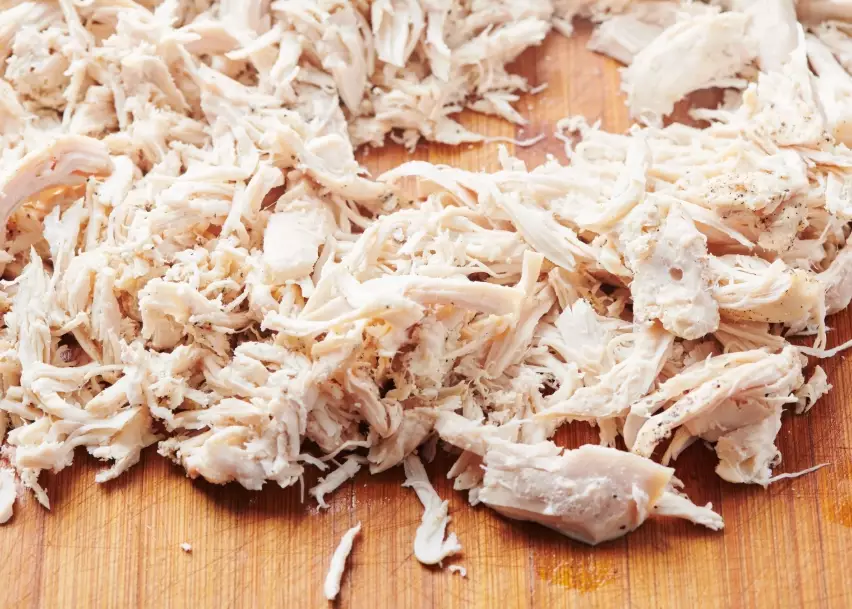
Why does shredded chicken matter so much? It's the ultimate versatile protein. It soaks up flavors like a dream, works in a hundred different cuisines, and is a meal-prep superstar. But getting it right – that's the trick.
Here's the thing most recipes don't tell you: The secret isn't just in the cooking; it's in the choice of chicken, the timing, and the shredding method. Nail those, and you're 90% of the way there.
Why Shredded Chicken Reigns Supreme in Home Kitchens
Before we dive into the how, let's talk about the why. Why go through the effort of shredding chicken when you could just chop it? Texture. Pure and simple. Shredded chicken has a completely different mouthfeel. It's more tender, it holds sauces better, and it distributes evenly in every bite of a sandwich, taco, or casserole. Chopped chicken can be clunky. Shredded chicken integrates.
Think about a classic chicken tinga taco. Chopped chicken in there would be okay. But shredded chicken? It melds with the smoky chipotle tomato sauce, creating a cohesive, delicious filling that doesn't fall out the back of the tortilla when you take a bite. It's a practical choice, not just an aesthetic one.
And for anyone trying to manage their time or budget, shredded chicken is a hero. A single batch can become Monday's enchiladas, Tuesday's salad topper, and Wednesday's soup addition. It's the definition of cooking smart.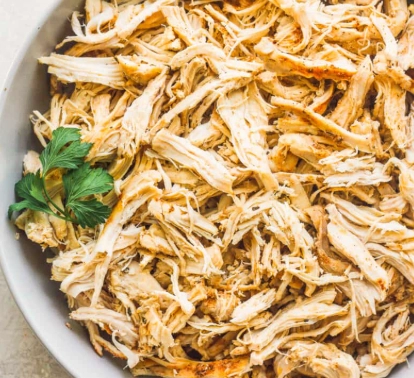
The Non-Negotiable First Step: Picking Your Chicken
All chicken is not created equal for shredding. You can technically shred any cooked chicken, but your starting point dramatically affects your end result.
For years, I was a boneless, skinless chicken breast purist. It's lean, it's easy, and it's what every "healthy" recipe calls for. But I was constantly battling dryness. Then I tried using thighs. Game changer. The higher fat content in chicken thighs (both bone-in and boneless) keeps the meat incredibly moist and forgiving, even if you accidentally overcook it a bit. The flavor is richer, too.
My honest take? If you're new to this or notoriously overcook poultry, start with thighs. They're your safety net. Breasts require more precision.
But let's break it down properly. Here’s a quick comparison to help you decide:
| Cut of Chicken | Best For | Watch Out For | My Personal Preference |
|---|---|---|---|
| Boneless, Skinless Chicken Breasts | Lean meals, salads, dishes where a neutral chicken flavor is desired. | Can become dry and tough very easily if overcooked. Requires careful temperature monitoring. | I use them when I'm making a large salad for a crowd and want a lighter option. Otherwise, I lean towards thighs. |
| Boneless, Skinless Chicken Thighs | Rich, flavorful dishes like tacos, stews, curries. The most forgiving cut. | Slightly higher fat content (which is actually a pro for shredding). The flavor is more distinctly "chicken-y." | My absolute go-to for 80% of my shredded chicken needs. The consistency is just better. |
| Bone-In, Skin-On Chicken Thighs or Breasts | When you have more time and want maximum flavor. The bones and skin create a more flavorful cooking liquid. | Extra step of removing skin and bones after cooking (though the meat often falls right off the bone). | For a special weekend project or when I'm making a concentrated broth simultaneously. Not for quick weeknights. |
| Whole Chicken | Making a huge batch, wanting both white and dark meat, and creating a lot of broth at the same time. | Most time-consuming. Requires carving and separating meat after cooking. | A fantastic, cost-effective method if you have the time. You get the most variety in texture. |
See? It's not just about grabbing a pack from the cooler. That choice sets the stage. For the rest of this guide, I'll focus on the two most common and accessible choices: boneless breasts and boneless thighs.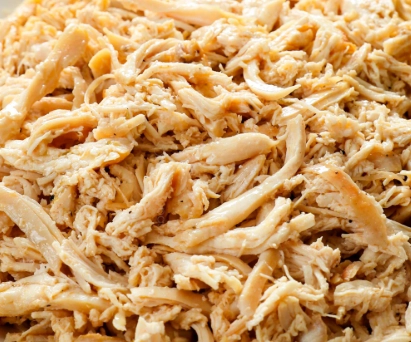
How to Cook Chicken for Shredding: Methods Ranked
Okay, you've got your chicken. Now, how do you cook it? There are a bunch of ways, and each gives you a slightly different result. I've ranked them from my most recommended to my "only if you must" method.
Top Method: Poaching or Simmering
This is the gold standard for a reason. Cooking the chicken gently in liquid keeps it supremely moist and gives you control. You're not trying to brown it; you're just cooking it through gently.
How I do it: I place the chicken in a pot or deep skillet. I barely cover it with broth (chicken or vegetable) or water. I add a few flavor boosters – maybe a halved onion, a couple of smashed garlic cloves, a bay leaf, a teaspoon of salt. Then I bring it to a very gentle simmer over medium heat. The key word is gentle. Bubbles should just barely break the surface. I let it cook until the chicken is just done.
For boneless thighs, that's about 10-15 minutes. For breasts, 12-18 minutes, depending on thickness. A meat thermometer is your best friend here – you're aiming for 165°F (74°C) internally. According to the USDA Food Safety guidelines, this is the safe minimum temperature for poultry. But here's a pro tip: if you pull it at 160°F (71°C) and let it rest covered for 5-10 minutes, the carryover cooking will bring it to 165°F, and it will be even juicier. Trust me on this.
The leftover liquid? Don't you dare throw it out! That's lightly seasoned, chicken-infused gold. Strain it and use it as a base for the sauce you'll mix with the shredded chicken, or save it for soup.
Excellent Alternative: Baking
Don't have stovetop space? Baking is incredibly hands-off and reliable. I use this method most often for meal prep because I can cook a large tray at once.
I place the chicken in a baking dish, drizzle with a tiny bit of oil, season well, and add about 1/4 cup of water or broth to the bottom of the dish. This creates steam and prevents dryness. Cover tightly with foil and bake at 375°F (190°C) until it hits that 165°F internal temp. The covered steam-braising effect is what makes this work so well.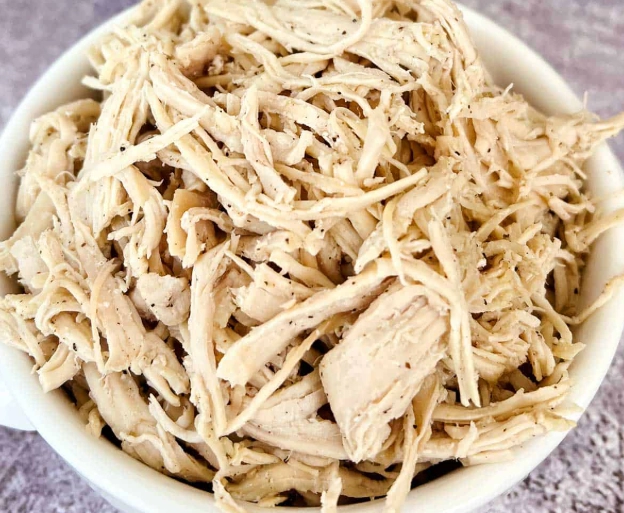
Good in a Pinch: Using a Slow Cooker or Instant Pot
These are set-it-and-forget-it tools. The slow cooker is fantastic for developing deep flavor over many hours, especially with tougher, bone-in cuts. For boneless meat, 3-4 hours on low is plenty. The Instant Pot's pressure function is lightning fast. The downside? It can be very easy to overcook the chicken into mush if you're not careful with timing. For shredding, a little overcooked is okay, but I've definitely made chicken paste in my Instant Pot before by getting distracted. Not my finest moment.
These tools are convenient, but they don't offer the same gentle control as poaching. Use them when convenience is the top priority.
Method I Rarely Recommend: Grilling or Pan-Searing for Shredding
Why? The goal of these methods is to create a flavorful, browned crust. That's great for eating chicken as a main. But for shredding, you often lose some of that coveted crust in the process, and the direct, dry heat makes it harder to keep the interior as uniformly moist as poaching or baking. If you have leftover grilled chicken, by all means, shred it! But I wouldn't start with grilling specifically for shredded chicken.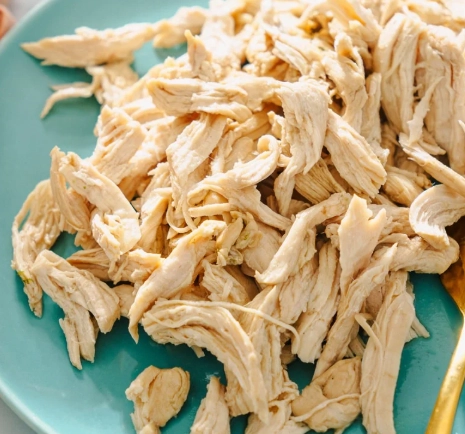
The Art (and Science) of Shredding: Tools and Techniques
The chicken is cooked perfectly. Now comes the fun part – or the tedious part, depending on your perspective. How do you actually shred it? Let's look at the tools.
Two Forks: The classic. Hold the chicken steady with one fork and use the other to pull the meat apart. It works. It's free. It's also slow and can be hard on your wrists if you're doing a lot. I use this for small batches.
Stand Mixer or Hand Mixer: This is a game-changer for large quantities. Put the warm (not piping hot) chicken in the bowl of a stand mixer with the paddle attachment. Turn it on low for 30-60 seconds. Watch in amazement as it shreds perfectly. A hand mixer works similarly. This is my secret for meal prepping 4 pounds of chicken at once. Just pulse; don't overmix into oblivion.
Your (Clean) Hands: Don't underestimate this! For dark meat like thighs, the meat often falls apart beautifully with just your fingers. You can feel for and remove any unwanted bits of fat or gristle as you go. It's tactile and surprisingly satisfying. Let the chicken cool enough to handle, then get in there.
What about shredding texture? Do you want long, luscious strands or a finer, almost pulled consistency? It depends on the dish.
- Long strands: Perfect for sandwiches, topping on ramen, or dishes where you want to showcase the chicken. Use two forks or your hands, pulling along the grain of the meat.
- Finer shred: Better for integrating into tacos, enchilada fillings, or chicken salad where you want it to mix uniformly with other ingredients. The mixer method or a quick chop after forking gives you this.
One more critical tip: Shred while warm, not hot. Chicken that's too hot will burn your fingers and mush together. Chicken that's stone cold becomes harder to tear. Let it rest for 10-15 minutes after cooking until it's just warm to the touch. The texture is perfect at this stage.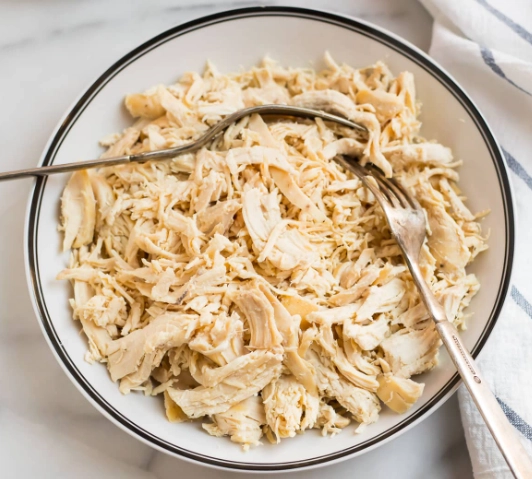
Your Shredded Chicken Recipe Playbook
Here's where the magic happens. You have a container of plain, perfectly cooked shredded chicken. Now what? The possibilities are endless, but let me give you a few templates that never fail.
The 5-Minute Flavor Boosters
Mix your plain shredded chicken with one of these combinations right in the bowl. No extra cooking needed.
- BBQ Style: Your favorite BBQ sauce, a splash of apple cider vinegar, a pinch of smoked paprika.
- Buffalo: Frank's RedHot sauce (or similar) and a small knob of melted butter. Toss to coat. Celery and blue cheese on the side, please.
- Lemon-Herb: Lemon zest, lemon juice, chopped fresh dill and parsley, a drizzle of olive oil, salt, and pepper. Incredibly fresh.
- Tex-Mex: Lime juice, cumin, chili powder, a bit of chopped cilantro. Maybe some diced green chiles.
- Asian-Inspired: Soy sauce, toasted sesame oil, a tiny bit of grated ginger and garlic, sliced green onions.
These aren't just recipes; they're formulas. Once you get the hang of it, you'll start creating your own. The point is that the shredded chicken is your blank, delicious canvas.
Troubleshooting: Fixing Common Shredded Chicken Problems
Yes, almost always! Dry chicken lacks moisture and fat. Your rescue mission is to add both back in. Do not re-cook it dry. Instead, mix the dry shredded chicken with a moistening agent. This could be:
- Broth or Stock: Warm up some chicken broth and let the chicken sit in it for 10-15 minutes. It will reabsorb the liquid.
- Salad Dressing or Mayo: If you're making chicken salad, the mayo or dressing will coat and lubricate the strands.
- A Sauce: Simmer the dry chicken in a saucy dish like a curry, stew, or enchilada sauce. The sauce will permeate the meat.
The texture won't be *quite* as perfect as if you'd cooked it right the first time, but it will be perfectly edible and often delicious. This is why saucy applications are so forgiving.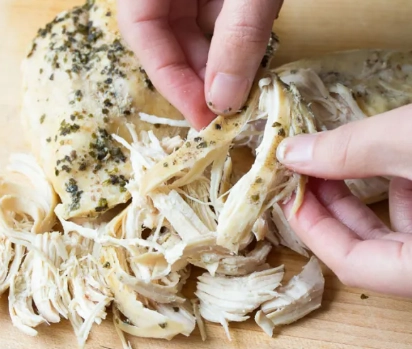
This is almost always a sign of significant overcooking, especially in a pressure cooker or slow cooker. The muscle fibers have broken down completely. You can't really un-mush it, but you can use it. Think of it as "pulled" chicken. It will be fantastic in:
- Chicken salad (it will be very cohesive).
- As a filling for pot pies or quesadillas where it's bound with cheese or sauce.
- Mixed into a thick soup or chowder.
Embrace it and adjust the dish. Next time, shorten the cooking time dramatically.
This is easy. Chicken cooked in plain water will be bland. Your power is in the post-cook seasoning. Be generous with salt. Acid is your best friend – a squeeze of lemon or lime juice brightens everything. Fat carries flavor – a drizzle of a flavorful oil (olive, sesame) or a dollop of mayo or yogurt can work wonders. Don't be shy with herbs and spices. Toss it in a flavorful sauce. The food science principles explained by Serious Eats show that while pre-salting (brining) is powerful, post-cook seasoning is absolutely effective, especially when the chicken is shredded and has more surface area to coat.
Storing and Freezing for Maximum Freshness
You made a big batch. Smart! Here's how to keep it tasting great.
In the Fridge: Store the cooled, shredded chicken in an airtight container. It will keep for 3-4 days. I like to store it plain, then flavor it per use. If you've already mixed it with a sauce (like BBQ), it might only last 2-3 days.
In the Freezer (The Meal Prep Holy Grail): Shredded chicken freezes beautifully. Portion it into amounts you'll use (e.g., 2-cup portions for a family meal, 1-cup for a couple). Use heavy-duty freezer bags, press out all the air, or use airtight containers. Label it with the date. It's best used within 2-3 months for optimal flavor, though it will be safe longer.
To Thaw: Overnight in the fridge is best. For a quick thaw, place the sealed bag in a bowl of cold water. You can also add frozen shreds directly to a simmering soup or sauce; they'll thaw and heat through in minutes.
Pro-Tip: Freeze the chicken in the flavorful cooking liquid it was poached in. This creates an ice block that protects against freezer burn and adds flavor back when it thaws.
Answering Your Shredded Chicken Questions
Absolutely. It's one of the fastest methods for large batches. Just use the standard beaters (not dough hooks) on low speed. Put the warm chicken in a deep bowl to contain any flying bits. Pulse a few times until you get the texture you want. It takes 30 seconds. It feels like cheating, but it's brilliant.
Warm, not hot. Let it cool for 10-15 minutes after cooking. Hot chicken is dangerous to handle and can become gummy as you shred it. Cold chicken is firmer and harder to pull apart. The sweet spot is just warm to the touch.
No. Do not attempt to shred raw chicken. It's a food safety nightmare (cross-contamination) and the texture is completely wrong. You must cook the chicken first to a safe internal temperature of 165°F (74°C) to kill harmful bacteria like Salmonella, as consistently advised by food safety authorities like the CDC. The shredding happens after cooking.
My strategy: Use bone-in, skin-on thighs for flavor and forgiveness. Poach them in a huge stockpot with aromatics. Let them cool slightly, then use your (gloved) hands to remove the skin and bones – they'll slide right off. Shred the meat with two forks or in batches in a stand mixer. Mix with your sauce in a large disposable aluminum pan. Keep it warm in a low oven. This scales beautifully.
Wrapping It Up: Your Path to Shredded Chicken Confidence
Look, at the end of the day, shredded chicken isn't rocket science. But those little details – choosing thighs over breasts, poaching instead of baking, shredding while warm, saving that cooking liquid – they're what transform it from a mundane task into something that genuinely elevates your cooking.
It's about having a reliable, versatile protein ready to go. It's about saving time on busy nights. It's about impressing your family with a taco Tuesday spread that tastes like it came from a restaurant.
Start with a simple poach of some chicken thighs. Shred them with two forks. Toss them with nothing more than salt, pepper, and a squeeze of lime. Taste it. That's the foundation. Everything else – the fancy recipes, the meal prep empires – builds from there.
Now you know. Go forth and shred.
Reader Comments