Quick Guide
- What Actually Makes a Casserole "Healthy"?
- The Healthy Swaps: Your Ingredient Cheat Sheet
- Building Your Blueprint: A Master Method
- Answering Your Top Casserole Questions
- Beyond the Basic: Flavor Profile Ideas
- The 5 Most Common Mistakes (And How to Avoid Them)
- Storing, Reheating, and Bringing It Back to Life
- Final Thoughts: It's Just Dinner, But Better
Let's be honest. When you hear "healthy chicken casserole," what pops into your head? Maybe a dry, flavorless pile of chicken and veggies drowning in a sad, thin sauce? I used to think the same thing. For years, my attempts at a lightened-up version of this classic dish were, frankly, disappointing. They either tasted like diet food or fell apart in the oven.
But here's the thing I learned after a lot of trial and error (and some genuinely bad dinners): a healthy chicken casserole doesn't have to be a punishment. It can be creamy, satisfying, packed with flavor, and actually good for you. It's all about knowing where to make smart swaps and where to leave well enough alone.
This guide is everything I wish I'd known when I started. We're going to move past just giving you a single recipe. We're going to dig into the why and how, so you can build your own perfect, nutritious casserole anytime. Whether you're meal-prepping, feeding a family, or just craving comfort food without the guilt, this is your playbook.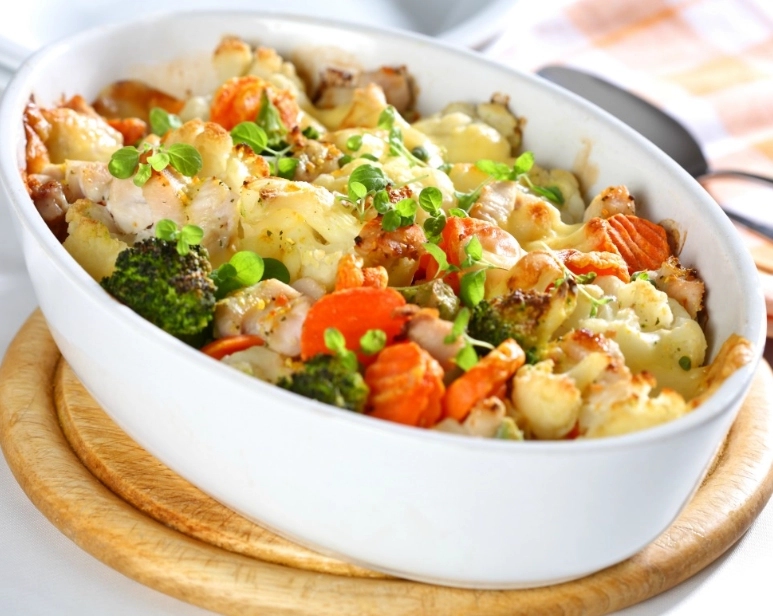
What Actually Makes a Casserole "Healthy"?
This is where we need to start. Throwing the word "healthy" around is vague. For our purposes, a healthy chicken casserole focuses on a few key principles that boost nutrition without sacrificing the soul-warming qualities we love.
First, it's about balance on your plate, all baked together. You want a good mix of macronutrients to keep you full and energized. Second, it's about ingredient quality. Swapping processed items for whole foods is a game-changer. And third, it's about portion control—a casserole makes this easy because everything is built in.
Think of it as deconstructing your ideal dinner plate—protein, veggies, smart carbs—and then reconstructing it in a baking dish.
The Pillars of a Nutritious Casserole
Lean Protein Power: Skinless chicken breast or thigh is the star. Thighs have a bit more fat, which can actually help with flavor and moisture, and the difference in saturated fat isn't huge if you trim them. The USDA's FoodData Central is a great resource for checking the nutritional profile of different cuts. The key is to avoid pre-breaded or fried chicken.
Vegetable Volume: This is your secret weapon. You can easily double or triple the veggies a traditional recipe calls for. Mushrooms, bell peppers, zucchini, spinach, broccoli—they add fiber, vitamins, and bulk without many calories. They also release water, which can help create the sauce.
Smart Sauce & Binders: This is the big one. Instead of cream-of-anything soup (loaded with sodium and stabilizers), we use bases like Greek yogurt, low-sodium broth, pureed cauliflower or white beans, or a light roux with whole wheat flour. They provide creaminess and body with actual nutrients.
Thoughtful Carbohydrates: If you include carbs like pasta, rice, or potatoes, opt for whole-grain or complex versions. Brown rice, quinoa, whole-wheat pasta, or sweet potatoes add fiber and make the meal more sustaining. Sometimes, you can skip the grain altogether and let extra veggies take center stage.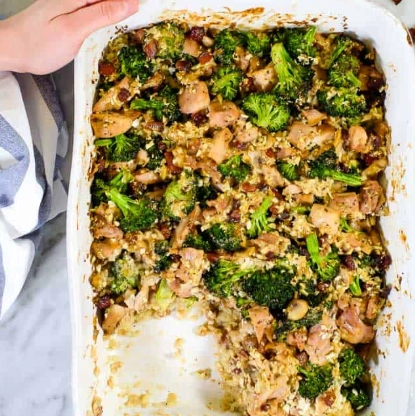
The Healthy Swaps: Your Ingredient Cheat Sheet
Okay, let's get practical. Here’s a straightforward comparison of common casserole ingredients and their healthier, easy-to-find alternatives. Don't feel you need to do all of these at once—even one or two swaps can make a significant difference.
| Traditional Ingredient | Healthier Swap | Why It's Better |
|---|---|---|
| Cream of Mushroom/Celery Soup (canned) | Homemade sauce with sautéed mushrooms, low-sodium broth, & Greek yogurt or a splash of milk | Cuts out excessive sodium, MSG, and processed thickeners. Adds protein (if using yogurt) and real flavor. |
| White Pasta or White Rice | Whole wheat pasta, brown rice, quinoa, or cauliflower rice | Increases fiber content dramatically, which aids digestion and provides longer-lasting energy. |
| Heavy Cream or Full-fat Sour Cream | Plain Greek yogurt, low-fat cottage cheese (blended), or light coconut milk | Reduces saturated fat while maintaining creaminess and adding protein (in the case of yogurt/cottage cheese). |
| Butter (for sautéing) | Olive oil, avocado oil, or a quality cooking spray | Swaps saturated fat for heart-healthy unsaturated fats. The Harvard T.H. Chan School of Public Health has great info on healthy fats. |
| Bread Crumbs (buttery, for topping) | Whole wheat panko, crushed high-fiber cereal, or chopped nuts/seeds | Adds crunch plus fiber or healthy fats, making the topping more nutrient-dense. |
| Loads of Shredded Cheddar | Stronger, sharper cheese (like aged Parmesan or sharp feta), used sparingly | You use less because the flavor is more potent, reducing overall saturated fat and sodium while keeping that cheesy taste. |
See? It's not about deprivation. It's about smarter, more flavorful choices. Using a sharp cheddar instead of a mild one is a trick I use constantly—you get more bang for your buck, flavor-wise.
Building Your Blueprint: A Master Method
Forget following one rigid recipe. Once you understand the framework, you can make a healthy chicken casserole with whatever you have in your fridge. Here’s the step-by-step process I follow every single time.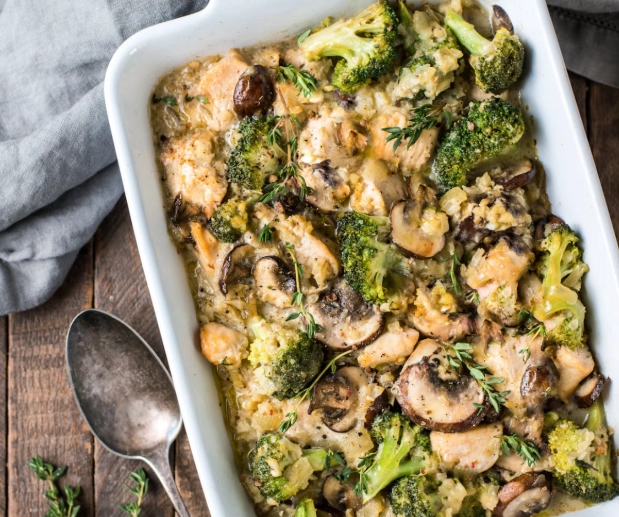
The Flexible Framework
- Prep Your Protein: Cube boneless, skinless chicken breasts or thighs into bite-sized pieces. Season them well with salt, pepper, paprika, garlic powder—whatever you like. You can quickly brown them in a skillet with a little oil for extra flavor, but for a true one-pot meal, you can add them raw (they'll cook through in the oven).
- Sauté the Aromatics & Veggies: In a large oven-safe skillet or Dutch oven (if you want to go from stove to oven), sauté onions, garlic, and any hardy vegetables (like carrots, bell peppers, mushrooms) until they start to soften. This step builds foundational flavor.
- Create the Sauce: This is where you get creative. Sprinkle a tablespoon or two of whole wheat flour over the veggies and cook for a minute. Then, slowly whisk in low-sodium chicken or vegetable broth. Let it simmer and thicken slightly. Off the heat, stir in your creamy element—maybe ½ cup of Greek yogurt or a can of pureed white beans.
- Combine & Add Extras: Add the chicken back in (if you browned it) along with any quick-cooking veggies (like spinach or peas) and your chosen carb (uncooked whole wheat pasta, pre-cooked brown rice, or raw diced sweet potato). Stir everything to coat in that luscious sauce.
- Top & Bake: Transfer everything to a baking dish if you're not using an oven-safe pot. Sprinkle with your chosen topping—a little grated Parmesan, some whole wheat breadcrumbs mixed with a teaspoon of olive oil, or sliced almonds. Cover with foil and bake at 375°F (190°C) for 20-25 minutes. Uncover and bake for another 10-15 minutes until bubbly and the top is golden.
The beauty of this method is its adaptability. No Greek yogurt? Use blended low-fat cottage cheese. No fresh veggies? A bag of frozen mixed vegetables works perfectly in a pinch for a healthy chicken casserole. It's foolproof.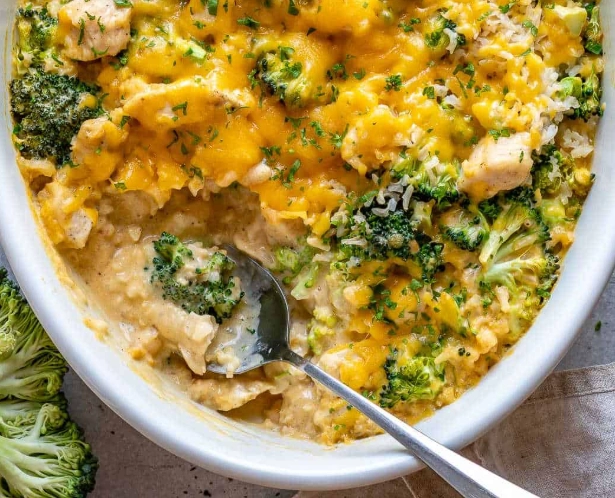
Answering Your Top Casserole Questions
Can I make a healthy chicken casserole ahead of time?
Absolutely. It's one of the best meal prep dishes. Assemble the casserole completely, but don't bake it. Cover tightly and refrigerate for up to 2 days. When you're ready, you may need to add 5-10 minutes to the baking time since it's going in cold. You can also freeze an unbaked casserole for up to 3 months. Thaw it in the fridge overnight before baking.
My sauce always turns out watery. Help!
This is the most common complaint, and I've been there. A few culprits: 1) Vegetables with high water content (like zucchini or mushrooms) releasing too much liquid. Sauté them thoroughly first to drive off some moisture. 2) Not using a thickener. A bit of flour or cornstarch slurry (mixed with cold water first!) is essential. 3) Undercooking. Make sure the casserole is bubbling actively in the center, not just at the edges, before you take it out. Let it sit for 10 minutes after baking—it thickens as it cools.
Is it okay to use frozen vegetables?
Not just okay—it's a fantastic shortcut. Frozen vegetables are flash-frozen at peak ripeness, so they're often just as nutritious as fresh. For a healthy chicken casserole, I love keeping bags of frozen broccoli florets, peas, and corn on hand. No need to thaw—just toss them in during the "combine" step. They'll cook perfectly in the oven.
How can I make it low-carb or keto-friendly?
Easy. Skip the grains or pasta entirely. Bulk it up with low-carb vegetables like cauliflower florets (fresh or frozen), broccoli, bell peppers, and spinach. For the sauce, avoid flour-based roux and use a combination of broth, cream cheese, heavy cream (in moderation for keto), or cheese for thickening. A layer of sliced zucchini or eggplant can add body. It becomes more of a creamy chicken and veggie bake, but it's incredibly satisfying.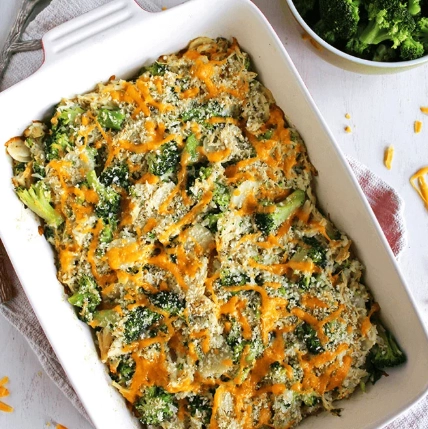
Beyond the Basic: Flavor Profile Ideas
Stuck in a flavor rut? Here are a few themed ideas to inspire your next healthy chicken casserole creation. Treat these as starting points.
Mediterranean Twist: Use chicken, spinach, artichoke hearts (packed in water, not oil), and sun-dried tomatoes. For the sauce, mix broth with a little Greek yogurt and lots of lemon zest, oregano, and dill. Top with a sprinkle of feta cheese and kalamata olives before baking.
Tex-Mex Fiesta: Swap in seasoned chicken, black beans, corn, and diced tomatoes with green chiles. Use a sauce of pureed tomatoes, broth, and a spoonful of tomato paste with cumin and chili powder. Top with a mix of whole-grain tortilla chip crumbs and a little pepper jack cheese.
Cozy Herb & Lemon: This is a simple, bright one. Chicken, leeks, and peas in a sauce of broth, a big spoonful of Dijon mustard, lemon juice, and fresh thyme. Stir in the Greek yogurt off-heat. Top with whole wheat panko mixed with parsley and lemon zest.
Honestly, the Mediterranean one is my personal favorite. It feels fancy but is so simple to throw together.
The 5 Most Common Mistakes (And How to Avoid Them)
Let's learn from my errors so you don't have to. Here's my personal hall of shame for healthy chicken casserole fails.
- Underseasoning the Layers: Season your chicken. Season your vegetables when you sauté them. Taste your sauce before combining. If every component is well-seasoned, the final dish will be explosive with flavor.
- Overcrowding with Wet Ingredients: Throwing in raw, watery veggies like tomatoes or zucchini without cooking them down first is a ticket to soup-town. Cook them first to evaporate excess moisture.
- Using the Wrong Baking Dish: A dish that's too deep will steam the casserole, making the top soggy. One that's too shallow might dry it out. A 9x13 inch or 3-quart baking dish is usually the sweet spot.
- Skipping the Resting Time: I know it's tempting to dig right in. But letting your healthy chicken casserole sit for 10-15 minutes after it comes out of the oven allows the sauce to set and the flavors to meld. It also saves you from burning the roof of your mouth.
- Being Afraid of Fat Altogether: Healthy fats from olive oil, avocado, nuts, or a modest amount of full-fat cheese are part of a balanced diet. They carry flavor and help you feel satisfied. Don't strip them all out in pursuit of "healthy"—you'll just end up hungry an hour later.
I've made mistake number four more times than I care to admit. The wait is always worth it.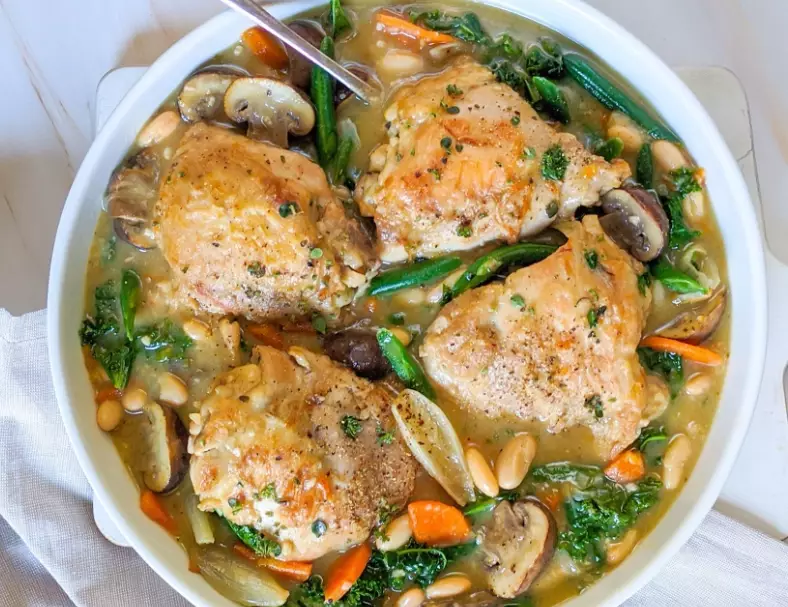
Storing, Reheating, and Bringing It Back to Life
A good healthy chicken casserole makes fantastic leftovers. Here’s how to handle them.
Storage: Cool leftovers completely (don't leave them out for more than 2 hours). Store in an airtight container in the fridge for 3-4 days.
Reheating for Best Results: The microwave is fine in a pinch, but it can make things a bit rubbery. For the best texture, reheat individual portions in a 350°F (175°C) oven, covered with foil, until warmed through (about 15-20 minutes). You can also use an air fryer to reheat a portion—it can help crisp up the topping again.
Can you freeze it? Yes, both before and after baking. For best quality after baking, freeze individual portions. Thaw in the fridge overnight before reheating. The texture of some vegetables (like zucchini) might soften a bit more, but the flavor will still be great.
Final Thoughts: It's Just Dinner, But Better
At the end of the day, a healthy chicken casserole is just a tool. It's a tool to get a delicious, balanced, and comforting meal on the table with minimal fuss and cleanup. It's a tool for meal prep that actually excites you. And it's a tool to nourish yourself and your people without overcomplicating things.
Don't get bogged down in perfection. The first one you make might not be Instagram-worthy. Mine certainly weren't. But they tasted good, they filled me up, and they made me feel good. That's the whole point.
So grab a baking dish, raid your fridge, and give it a shot. Start with one simple swap in your usual recipe. You might just find that this healthy chicken casserole becomes your new go-to for busy nights. It certainly is for me.
Reader Comments